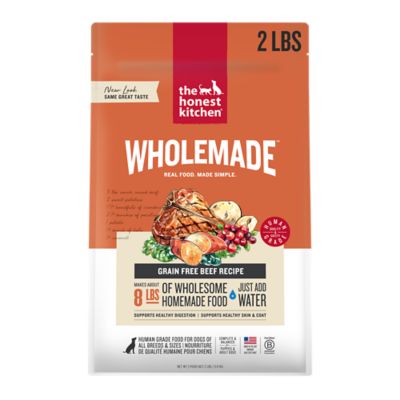
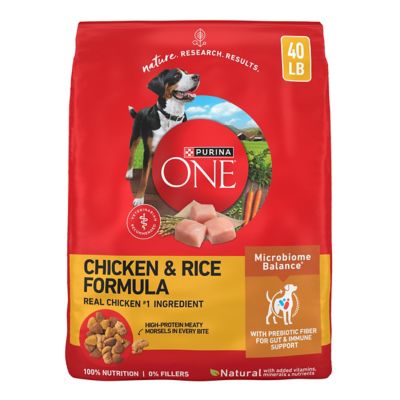
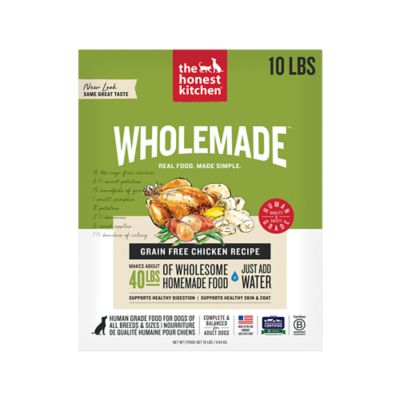
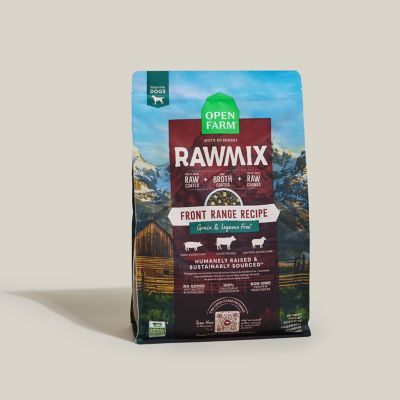
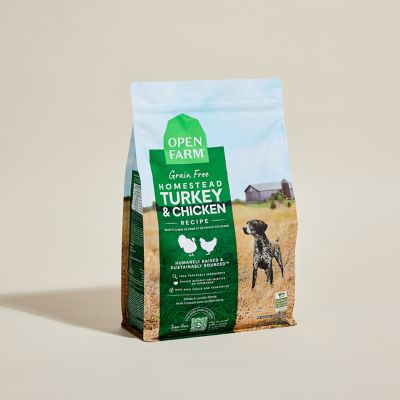
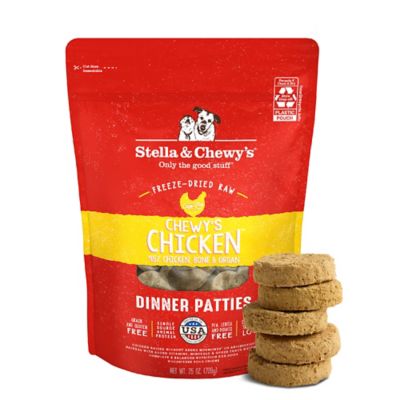
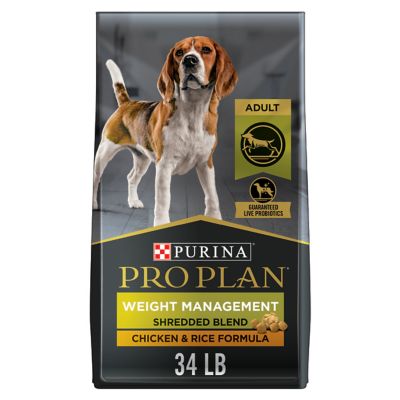
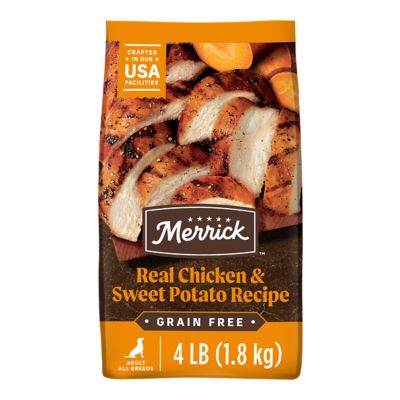
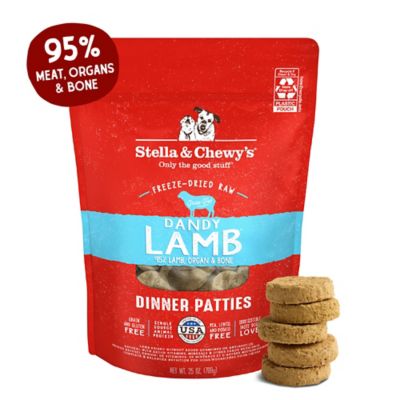
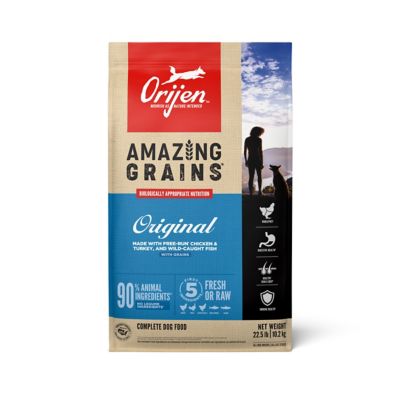
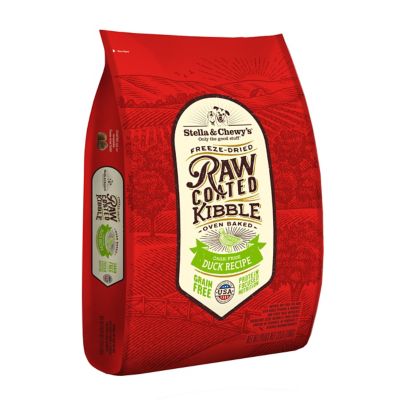
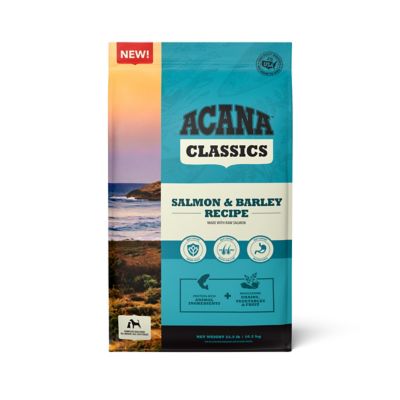
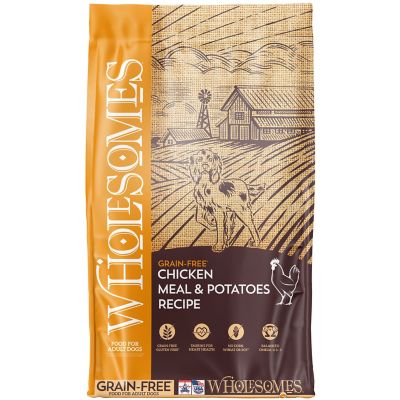
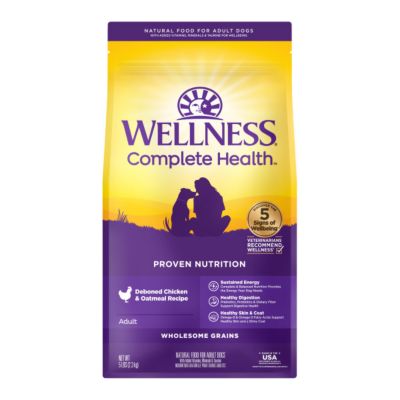
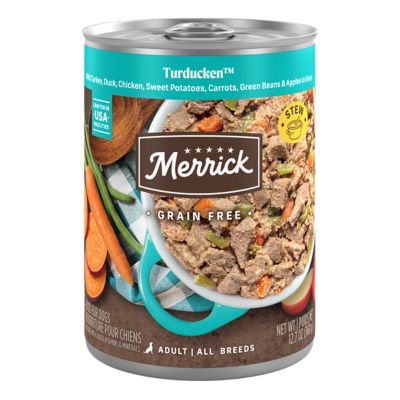
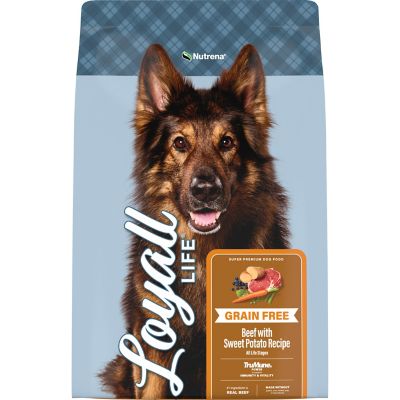
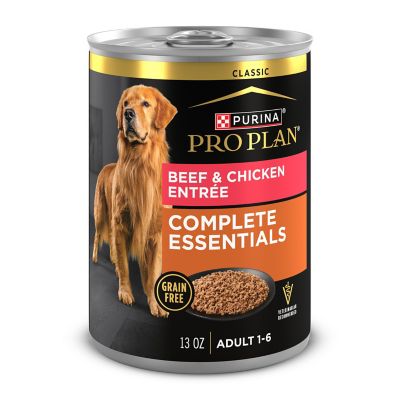
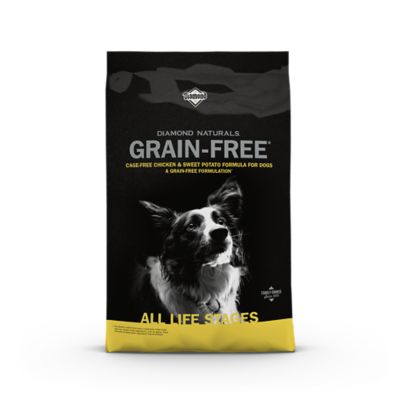
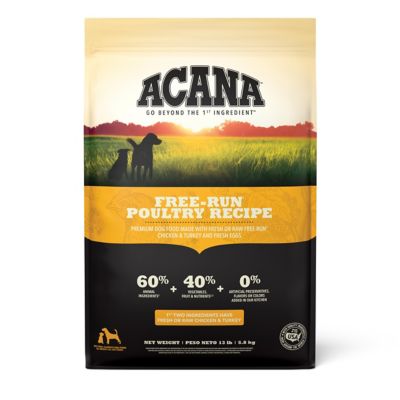
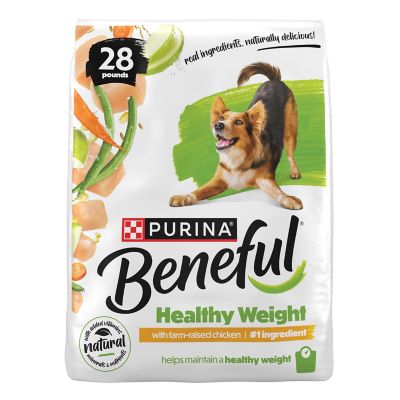
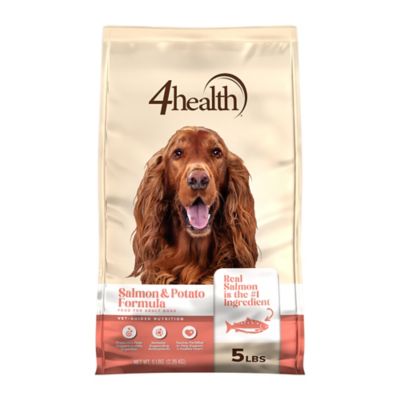
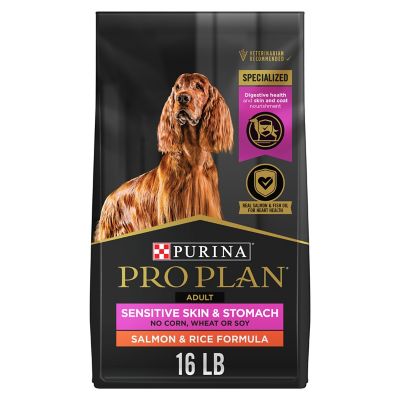
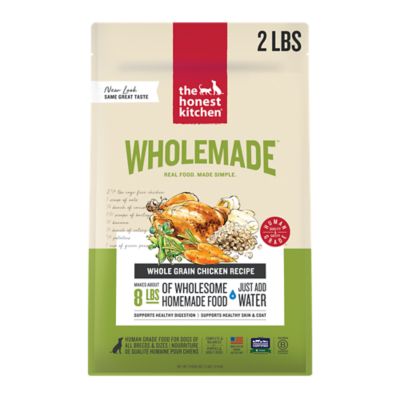
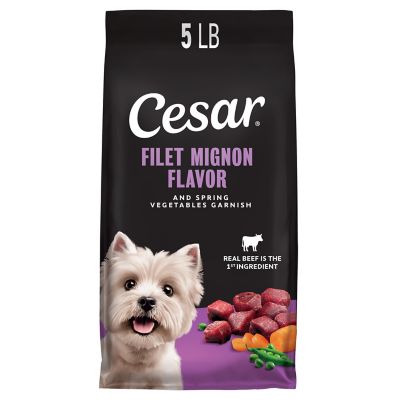
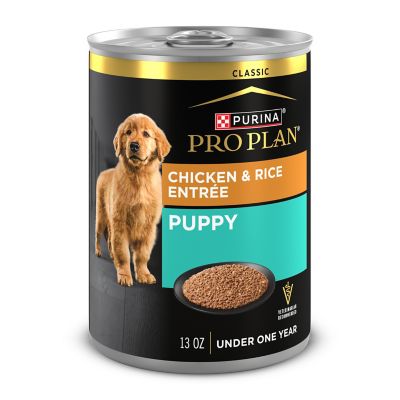
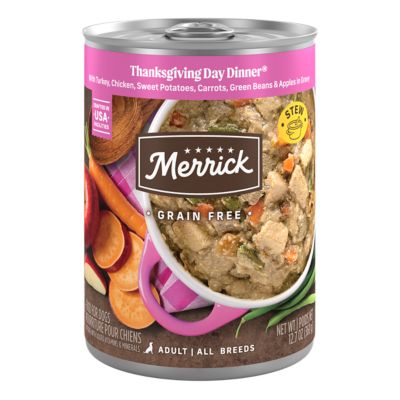
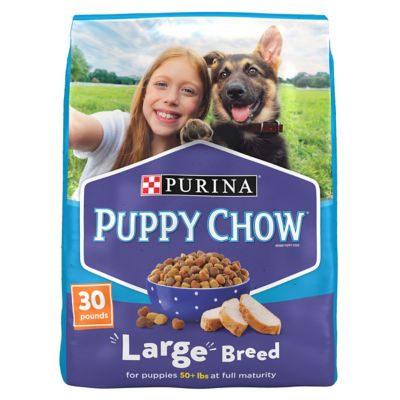
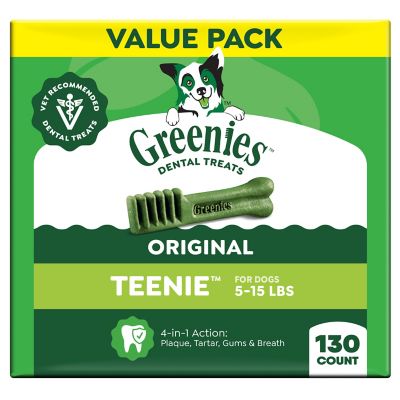
Cockapoo dog food brings together everyday nutrition for a lively mix of Cocker Spaniel and Poodle, from the puppy learning the household routine to the grown dog tagging along for chores. Cockapoos vary in size depending on their parentage, so the right food depends more on a dog’s age, adult size, activity level, and health than on the breed name alone. A smaller companion that spends most of the day close to the couch may need a different calorie intake than a sturdy trail buddy that rarely sits still. Complete and balanced dog food for the appropriate life stage is the starting point for either one. The nutritional adequacy statement on the package identifies whether a recipe supports growth, adult maintenance, or all life stages, helping distinguish daily meals from toppers and treats meant for occasional feeding. Protein supplies amino acids that support muscles and other body tissues, while fats provide energy and essential fatty acids. Digestible carbohydrates can contribute energy, and fiber helps support normal bowel function. Vitamins and minerals round out the formula, with the balance of the whole recipe mattering more than any single ingredient on the front of the bag. Chicken, turkey, beef, and fish are common animal protein sources, but there is no one protein every Cockapoo needs. An ingredient list helps show what is in the food; it does not establish digestibility or nutritional balance on its own. Omega fatty acids support normal skin and coat health, a useful consideration for dogs whose coats range from loose waves to tight curls. Food supports that coat from the inside, though regular brushing and grooming still have their place. For most healthy Cockapoos, a well-matched everyday formula is more useful than a breed-specific label. Recipes designed for small dogs may offer a convenient kibble size and calorie concentration, but a Cockapoo’s actual build and eating habits should settle the fit.
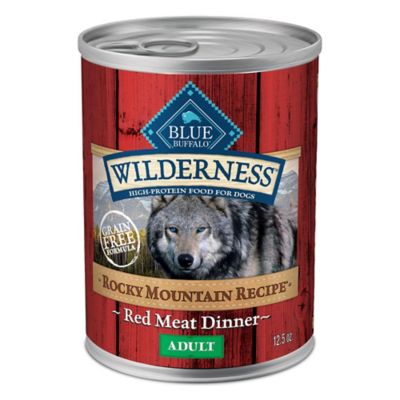
Dry food, wet food, and combinations of the two give Cockapoo households several ways to handle daily meals. Dry kibble is straightforward to measure and store, and appropriately sized pieces can work in food puzzles that turn part of breakfast into a little mental exercise. Smaller kibble may be easier for a small-mouthed dog to pick up, while texture preferences vary from one dog to the next. Ordinary dry food should not be counted on to clean teeth; toothbrushing and veterinary dental care remain important. Wet food has more moisture and a softer texture, which may suit a dog that prefers tender bites or needs a different mealtime texture. Trouble chewing, dropping food, or suddenly refusing crunchy pieces deserves a veterinary check rather than just a switch in the bowl. When dry and wet foods share a meal, their combined calories count toward the same daily total. Toppers can add interest, but a topper labeled for supplemental feeding is not a replacement for a complete and balanced diet. This matters with a small dog, where a generous spoonful or a handful of extras can take up a sizable share of daily calories. Package feeding amounts offer a starting point, not a fixed portion for every dog. A kitchen scale helps keep servings consistent, and the calorie information on the label makes comparisons between recipes more meaningful than cup size alone. Treats and other extras should generally stay within 10 percent of daily calories unless a veterinarian recommends otherwise. Beneath a fluffy Cockapoo coat, ribs should usually be easy to feel without a thick covering of fat, with a visible waist from above. Body condition and weight trends help show whether portions need adjusting. Puppy food supports growth, while adult maintenance food suits dogs that have finished growing. Older Cockapoos may benefit from changes in calories, texture, or nutrients, but senior wording alone does not tell the whole nutritional story. Health, muscle condition, appetite, and activity all matter when comparing formulas.
For Cockapoos with digestive or skin concerns, food selection benefits from a closer look at the individual dog rather than assumptions about the crossbreed. Some dogs do well with recipes formulated for digestive support, including suitable fiber blends or other ingredients intended to support normal stool consistency. A limited-ingredient recipe can make the ingredient list simpler to follow, but it is not automatically allergy-safe or a treatment for itching. Food allergies can involve animal proteins as well as other ingredients, and grains are not something every Cockapoo needs to avoid. Corn, wheat, and soy are not inherently unsuitable for dogs that tolerate them. Repeated ear trouble, persistent scratching, vomiting, or loose stools calls for veterinary advice because food is only one possible cause. A veterinarian may recommend a controlled elimination diet when a food allergy is suspected; switching among everyday recipes cannot confirm that diagnosis. For routine food changes, gradually blending the new food with the previous food over about seven to ten days often helps digestion settle, with a slower transition when advised for a sensitive dog. Consistent meals also make it easier to notice changes in appetite or stool. Once a recipe fits, proper handling helps keep each serving in good condition. Dry food belongs in its original bag, with the opening closed securely; the bag can sit inside a clean, tightly sealed storage container. Keeping the packaging preserves the feeding directions, lot information, and best-by date. Wet food needs handling and refrigeration according to its label after opening, and bowls should be washed regularly rather than topped off over old remnants. Fresh drinking water should always be within reach, whether meals are dry, wet, or mixed. In a household with more than one small companion,
Pomeranian Dog Food provides a related category to browse, though each dog still needs an individual portion and a suitable life-stage formula. The best fit for a Cockapoo’s bowl is food that meets nutritional needs, agrees with digestion, supports a healthy body condition, and fits a feeding routine the household can keep steady.