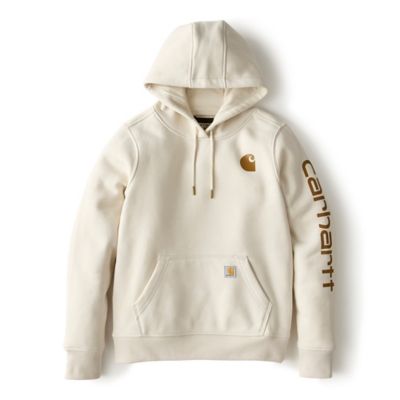
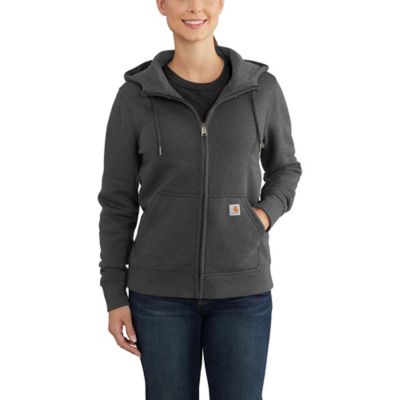
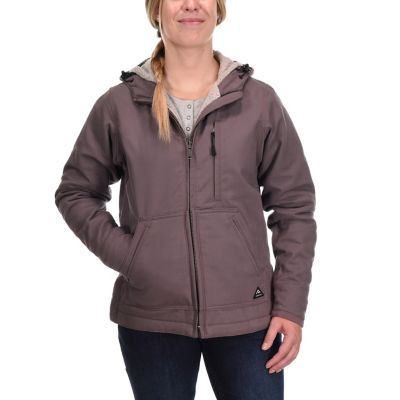
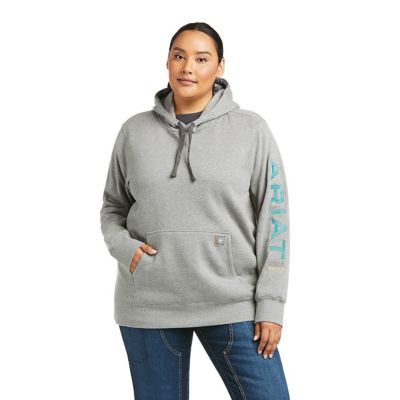
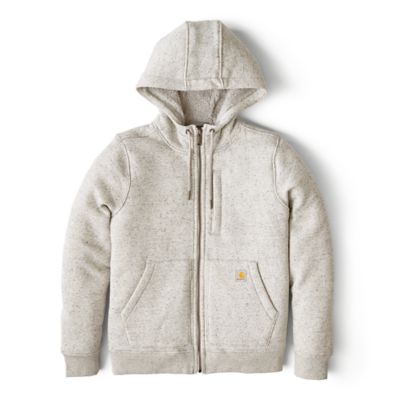
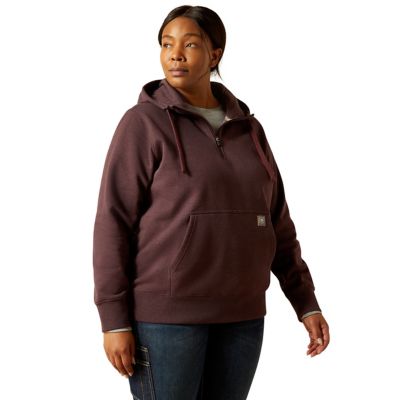
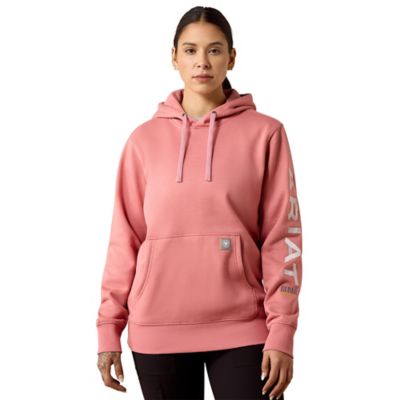
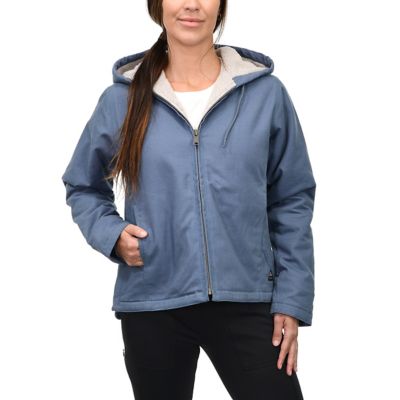
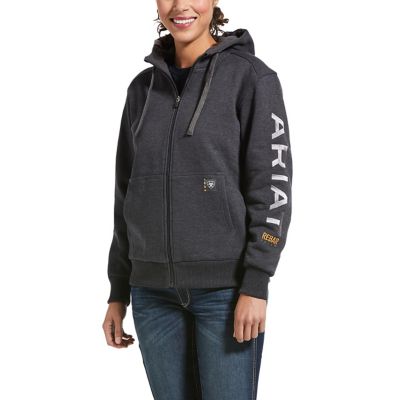
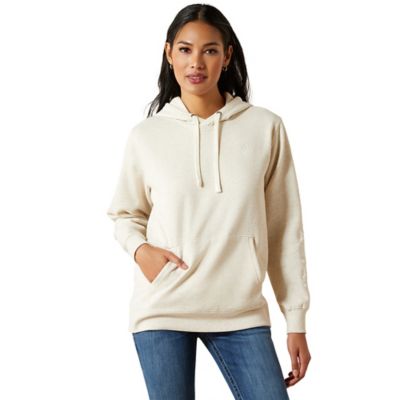
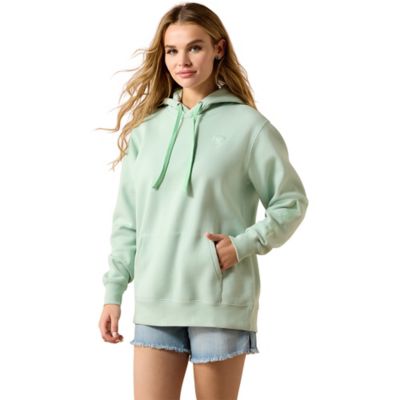
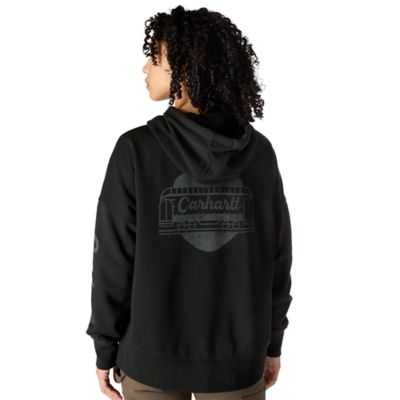
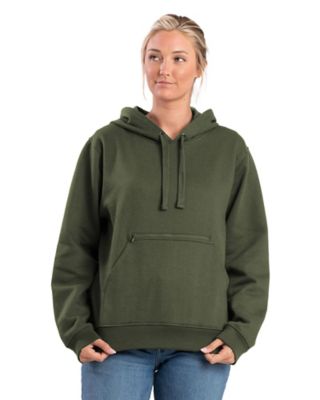
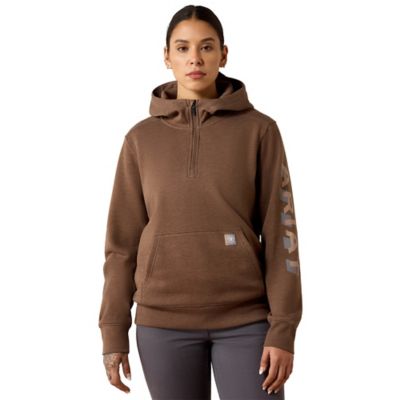
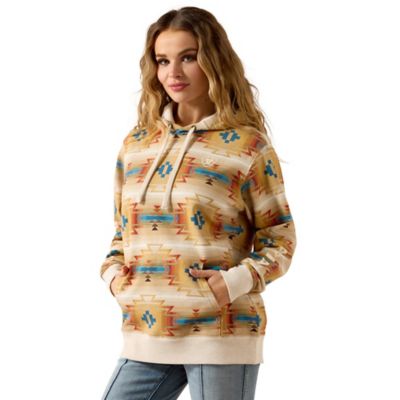
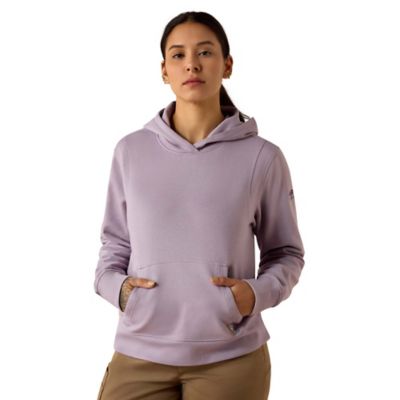
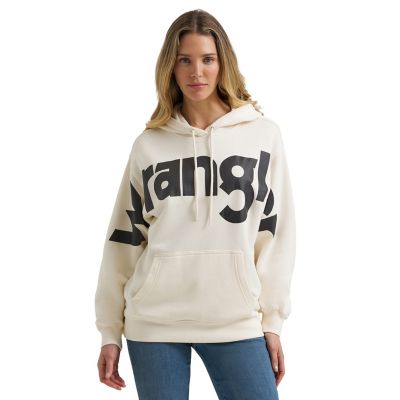
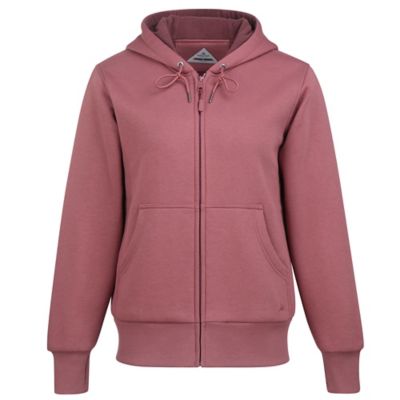
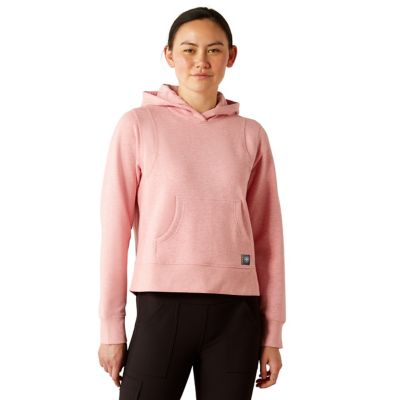
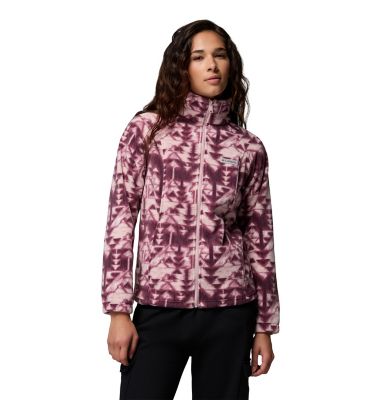
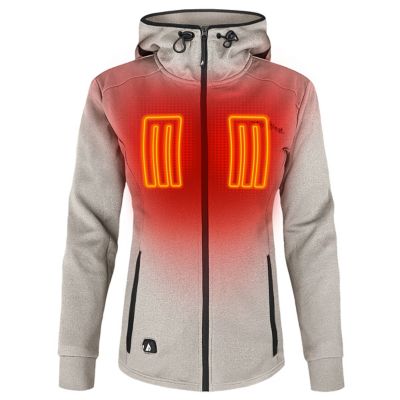
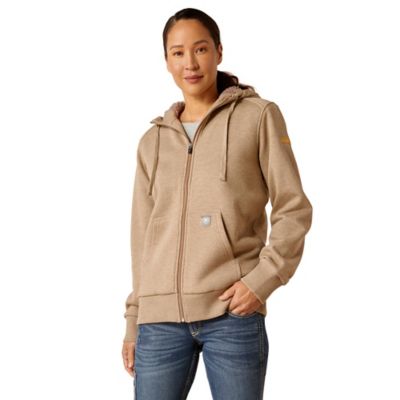
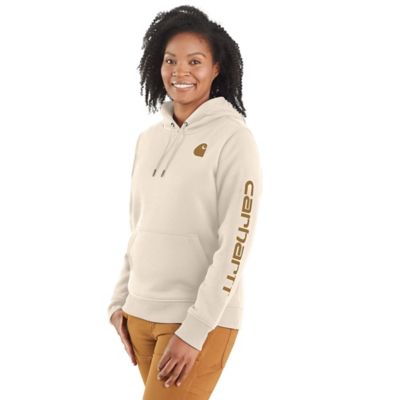
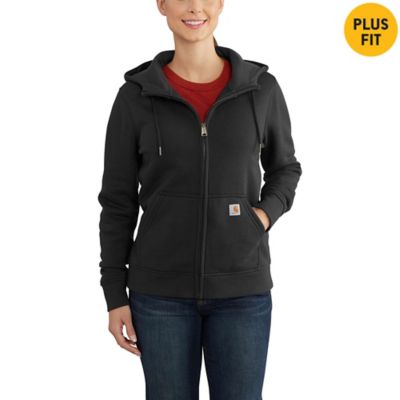
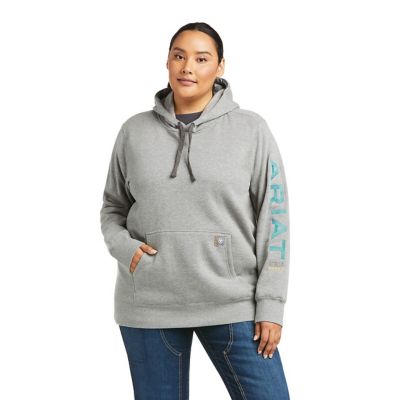
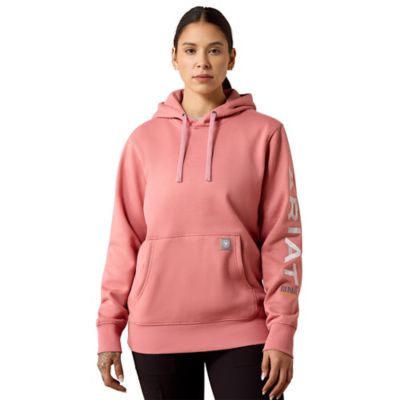
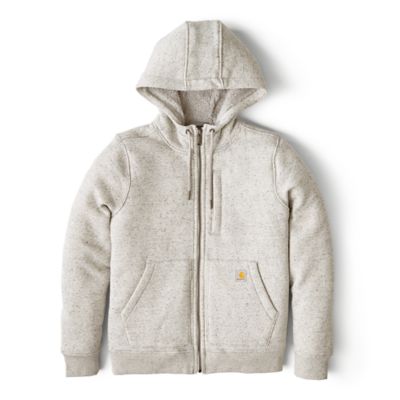
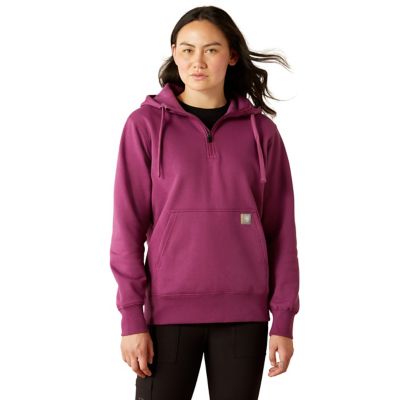
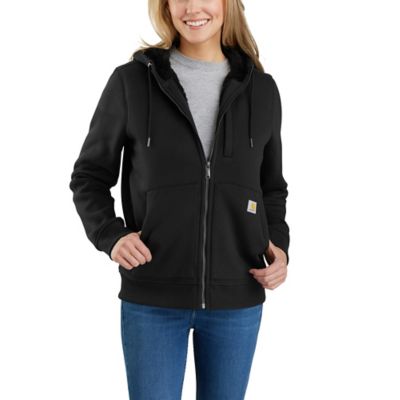
Women's running hoodies bring the familiar feel of a sweatshirt to clothing made for steady movement. They suit the woman heading down a gravel lane before chores, fitting in a treadmill session after work or taking the long way home on a neighborhood jog. The difference is often in how the fabric handles movement and perspiration, rather than how athletic the hoodie looks on a hanger. Polyester and nylon blends commonly appear in running apparel because they absorb less moisture than cotton, while a little elastane adds give through the shoulders, elbows and torso. Moisture-wicking fabric is designed to move perspiration toward the outer surface, where it can evaporate. That can make a difference on a sustained run, especially where a pack strap or waistband holds fabric against the body. Cotton-rich blends offer a familiar, soft feel for lighter activity and everyday wear, though they generally hold moisture longer. Smooth jersey, fine knits and fabrics with a lightly brushed interior each have a different feel against the skin. A brushed surface adds softness, while a smooth, low-profile knit can slide more easily over a base layer. Fabric weight matters, too: a substantial sweatshirt and a light running layer may share the same hooded shape but feel quite different once the pace picks up. Breathable construction, including mesh sections where present, allows more air exchange without requiring a loose, oversized cut. Stretch and fabric recovery also work together; the material needs to give during an arm swing and settle back afterward rather than hang stretched out at the elbows. For runners who mix jogging with walking, strength work or stretching, that combination of softness, manageable weight and freedom of movement helps a hoodie earn its place beyond a single workout. It is clothing that should let attention stay on the route, the next hill or the dog trotting alongside—not on a sleeve that keeps twisting.
Fit gives women's running hoodies much of their character, from close-fitting shapes that sit neatly beneath another layer to roomier cuts that leave space through the middle. Neither has to restrict a natural stride or arm swing. Shoulder placement, sleeve shaping and the cut under the arms influence how the whole garment moves, particularly when reaching overhead or settling into a long, steady pace. Raglan sleeves can provide an easy range of motion without a shoulder seam sitting directly on top of the shoulder. A shaped hem may offer extra coverage at the back, while side vents can give the fabric room to move around the hips. Length deserves attention because a hem that lands comfortably while standing may ride higher with raised arms. Sleeves should reach without pulling across the upper back, and cuffs should feel secure without digging into the wrists. Thumbholes, where included, help keep sleeves extended, although their placement needs to match the wearer's arm length. Hood shape is another detail that becomes more noticeable in motion. A close-fitting hood tends to move around less than a broad, heavy one, and adjustable openings allow some control over the fit. Drawcords are best kept secured and away from moving equipment. Pullover styles have a simple front, while partial-zip and full-zip designs offer different options for adjusting the neckline and getting the layer on or off. A zipper guard at the chin can reduce contact between skin and hardware. Pockets bring their own tradeoffs: an open front pocket is handy between activities, while a zippered compartment can help keep a key contained during a run. Pocket placement and the weight carried inside affect bounce, so a phone may feel steadier close to the torso than in a loose pouch. Flat seams and softly finished edges can also help limit rubbing where arms, straps and fabric meet repeatedly.
Everyday practicality matters just as much as the first try-on. Running hoodies see repeated movement, perspiration and laundering, so their stitching, cuffs and fabric recovery deserve attention alongside softness. Reinforced pocket openings and neatly finished seams support areas that receive regular pulling, while a fabric's resistance to pilling helps preserve its surface appearance. Friction from backpack straps, hook-and-loop fasteners and rough laundry companions can still leave marks on knit fabrics. Care directions vary by fiber blend and finish, making the garment label the starting point for washing and drying. Turning a hoodie inside out, closing zippers and keeping it away from exposed fasteners can help reduce snags in the wash. Fabric softener can interfere with the moisture-managing performance of some athletic materials, and excess dryer heat can affect stretch fibers or printed details. Air-drying or a low-heat setting may be appropriate when the label allows it. Letting a damp workout layer dry before placing it in a hamper also keeps it from sitting folded against itself. Beyond care, color and shape help determine how easily a running hoodie fits into the rest of a wardrobe. Simple shades pair readily with leggings, joggers and everyday pants, while
Womens Pink Hoodies offer another direction for shoppers who prefer pink. Color alone does not establish a garment's running features; fabric, fit and construction still do that work. A hoodie can also make a thoughtful gift for a woman who enjoys a regular walking route, local fun runs or time at the gym, especially when the size and preferred fit are already known. Some women want a streamlined layer strictly for exercise; others reach for the same comfortable piece while driving to the trail, stopping for groceries or heading back to the house after a workout. The right match feels natural through all those small parts of the day, with enough freedom to move and details that make sense for the way it will be worn.