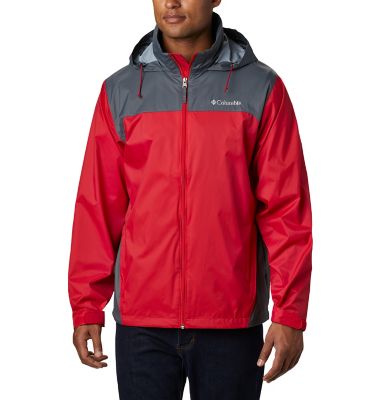
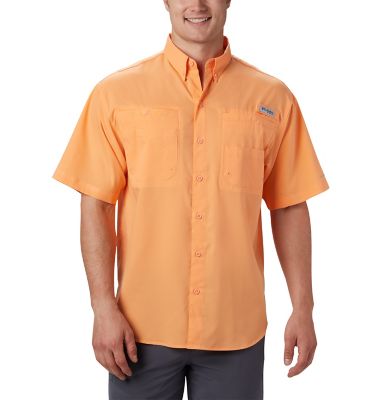
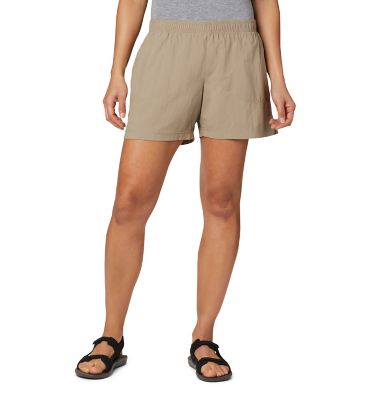
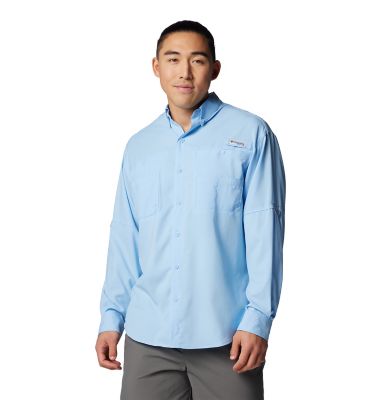
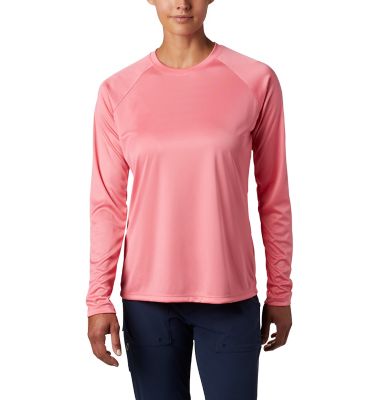
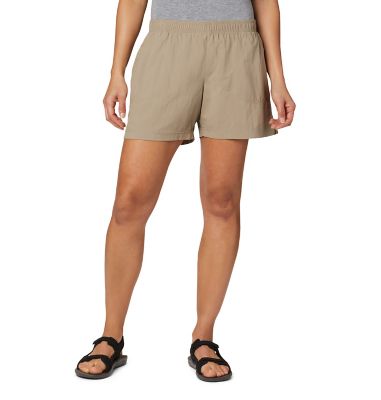
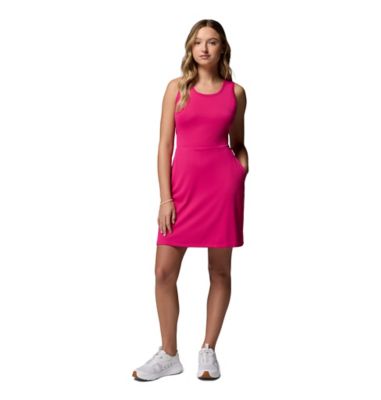
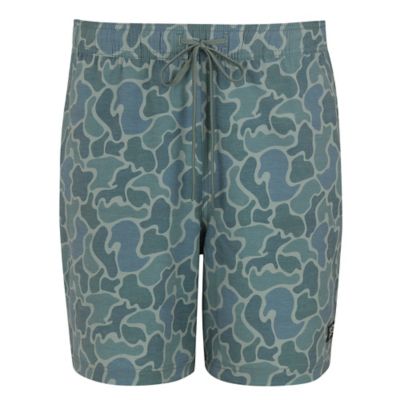
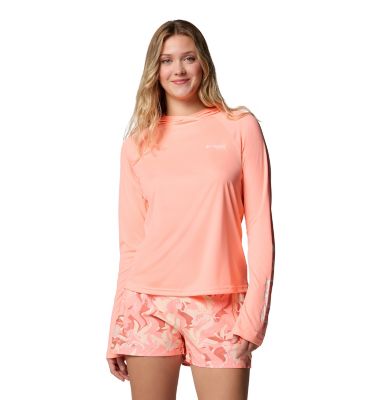
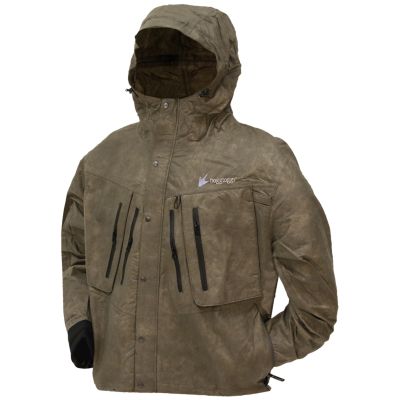
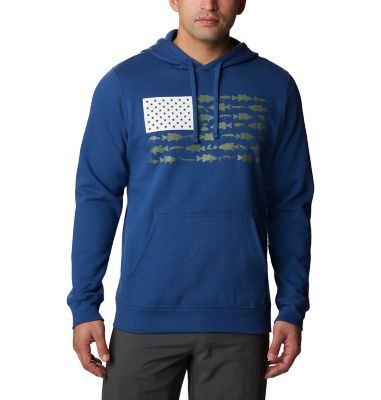
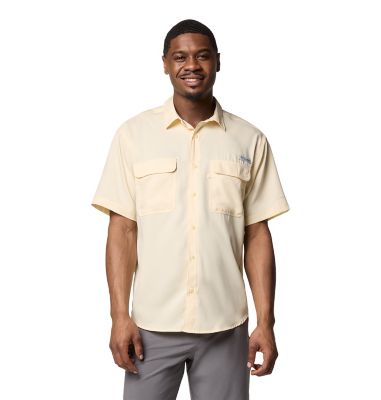
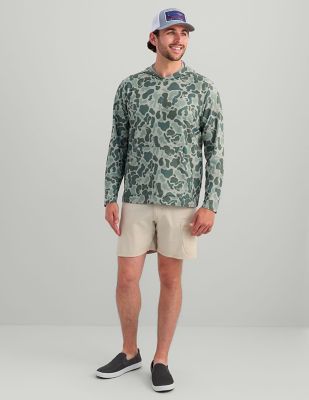
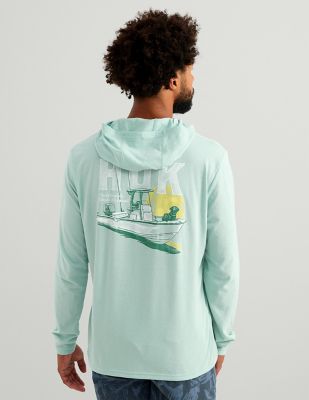
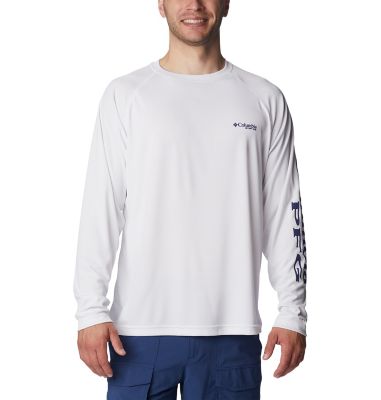
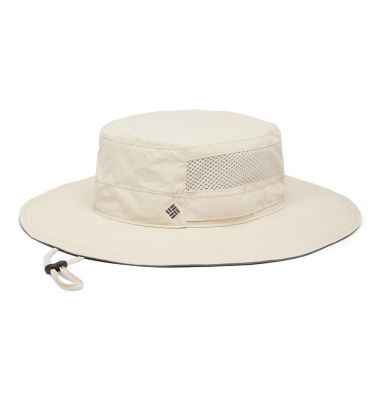
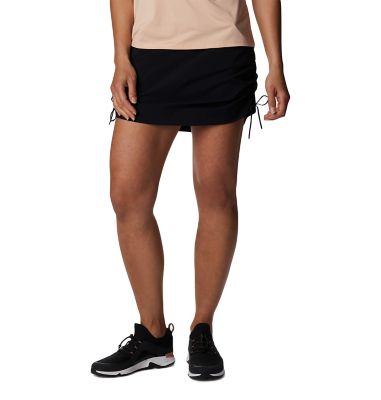
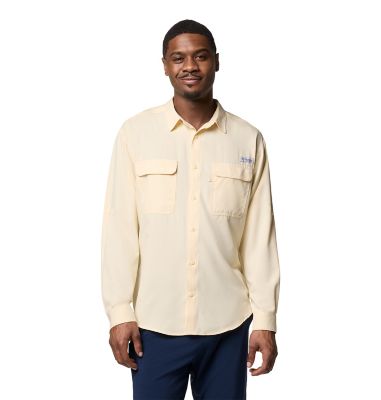
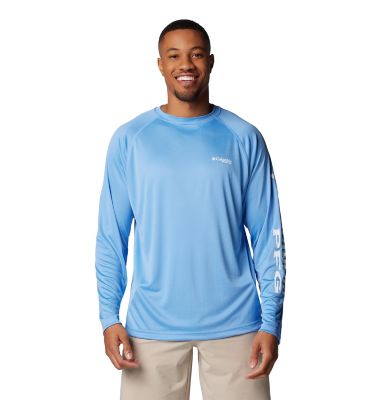
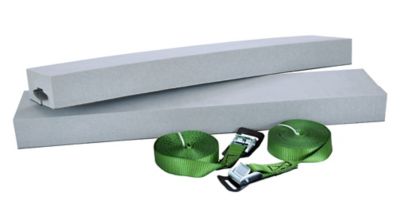
Clothing for kayaking is built around quick-drying fabrics, freedom of movement, and comfort in a seated position. From an easy lap around a farm pond to a longer paddle along a winding river, the right clothing helps keep attention on the water instead of a pinching waistband or a shirt that stays soaked. Polyester and nylon are common choices because they absorb less water than cotton and generally dry faster. Stretch blends give paddlers room to reach forward, rotate through a stroke, and climb in or out of a kayak without pulling at the shoulders or knees. Merino wool blends can help manage moisture and odor, though drying time and feel vary with fabric weight and construction. Cotton tends to hold water against the skin, making it a poor choice when getting wet is likely or when immersion could lead to dangerous heat loss. Lightweight paddling shirts, rash guards, and quick-drying bottoms offer different combinations of coverage and mobility. A close-fitting top keeps extra fabric out of the way, while a relaxed cut can feel comfortable as long as it does not bunch beneath a life jacket. Flat seams, smooth waistbands, and pockets positioned away from the seat can make a noticeable difference after a few hours of paddling. Fit matters most in the positions a paddler actually holds: knees bent, hips seated, and arms reaching ahead. Longer shirt hems help maintain coverage through those movements, while sleeves should allow a full stroke without tugging across the back. Garments with a stated UPF rating provide a measured level of sun protection through the fabric; that protection applies only where the garment covers the skin and depends on following its care directions. For anglers watching a quiet cove, families exploring a lake, or paddlers putting in steady miles, clothing that moves easily under a properly fitted life jacket is a practical starting point. Clothing never replaces that essential piece of safety equipment.
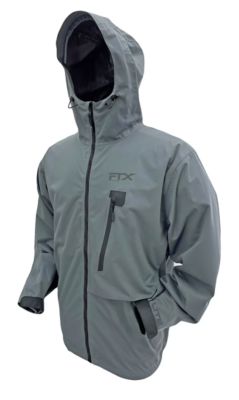
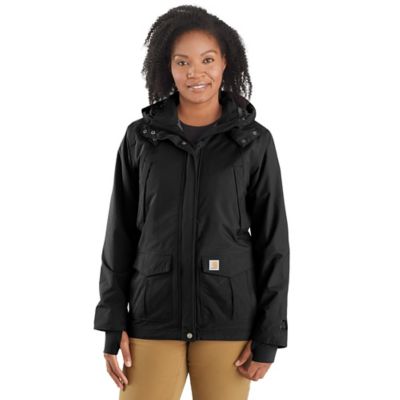
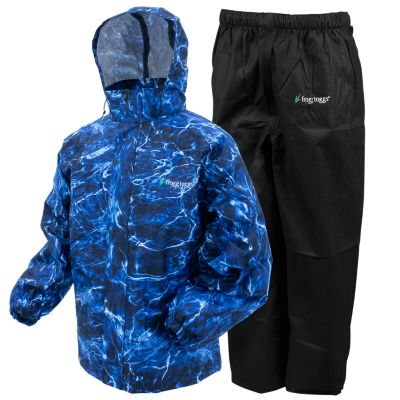
Water temperature and the chance of immersion are central considerations when choosing kayaking clothing, not just how the air feels at the launch. Quick-drying everyday paddling clothes are not a substitute for specialized immersion protection in cold water. Wetsuits and dry suits serve different purposes, and understanding that difference helps explain their fit and construction. A neoprene wetsuit provides insulation even when wet and needs a snug fit to limit water flushing through it. An overly loose wetsuit can allow repeated water exchange, reducing its effectiveness, while one that restricts breathing or shoulder movement interferes with paddling. Sleeveless designs leave the arms free but provide less coverage, so the full clothing system matters. A dry suit is designed to keep water out through waterproof fabric, sealed seams, and seals at its openings. It does not provide much insulation by itself; suitable non-cotton layers underneath supply warmth. Room for those layers, comfortable movement at the hips and shoulders, and correctly fitted seals all matter. Neither garment makes immersion risk disappear, and the appropriate protection depends on the water, the paddling setting, and the wearer’s training. For general layering, lighter base layers help move moisture away from the skin, while fleece can add insulation without the water retention associated with cotton. Layers should fit together without packed fabric beneath a life jacket or tightness behind the knees. Splash-resistant outerwear can help keep paddle drips and spray off underlying clothing, but a splash jacket is not the same as a dry suit and should not be treated as immersion protection. Footwear also needs to suit the boat and the shoreline. Low-profile water shoes or neoprene booties can fit more comfortably beneath a kayak’s deck than heavy, bulky footwear. Secure closures, soles suited to wet surfaces, and enough room to move the toes are useful features when stepping over gravel, standing at a launch, or settling onto foot braces. Integrated dry-suit socks may also require additional footwear room without leaving the shoes loose on the feet.
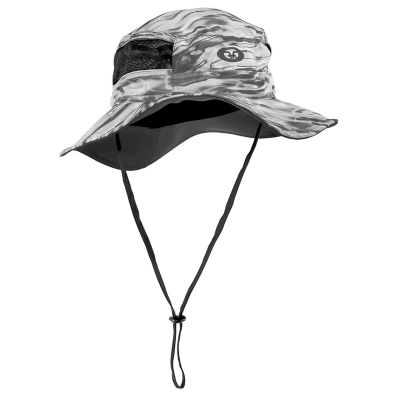
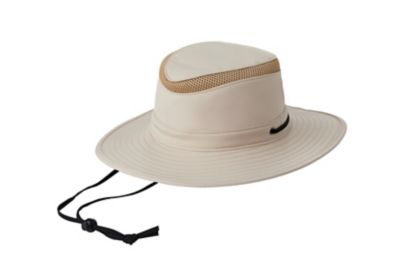
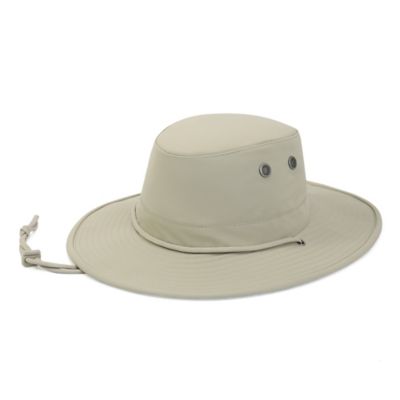
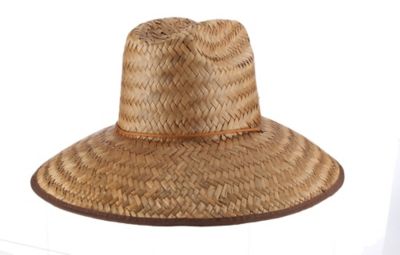
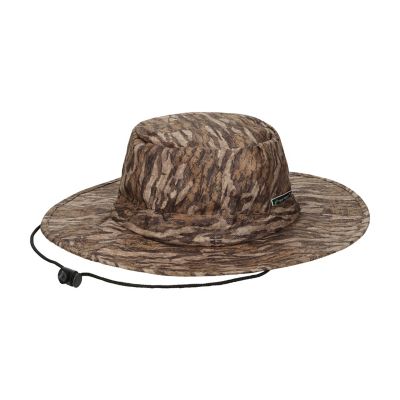
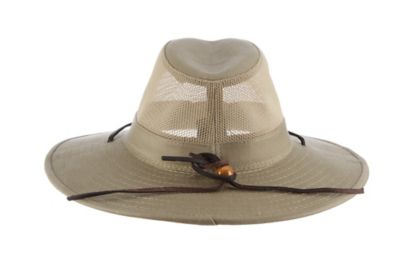
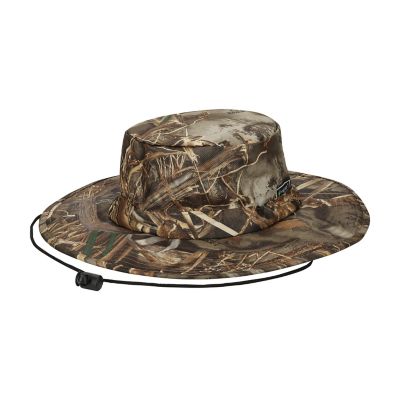
Construction details often decide whether kayaking apparel feels comfortable beyond the first few minutes. Reinforced seat areas and fabrics with abrasion resistance can help where clothing rubs against a kayak seat, cockpit edge, or rough landing spot. A little stretch through the seat and thighs makes it easier to crouch beside the boat or step onto a low dock. Zippers and snaps should sit where they will not press into the body, and pocket contents should not create a lump beneath a thigh or life jacket. Lightweight fabrics pack down easily for a spare clothing change in a dry bag, while denser materials may offer more coverage or resistance to scuffs. Neither fabric weight nor thickness alone tells the whole story; weave, fiber blend, seam construction, and intended use all contribute to performance. Care matters, too, especially after contact with salt, sand, or muddy water. The garment’s care label is the best reference for washing and drying, since stretch fabrics, neoprene, waterproof membranes, and sun-protective finishes can need different treatment. Fresh-water rinsing helps remove residue, and allowing clothing to dry fully before storage helps prevent lingering odors and mildew. Fabric softeners, bleach, and high dryer heat may be unsuitable for technical materials, so label directions deserve a close look before laundry day. Paddling apparel can also make a thoughtful gift for someone who spends free time exploring creeks, fishing from a kayak, or joining family outings on the lake. Familiar sizing, preferred coverage, and the recipient’s usual paddling setting are better starting points than appearance alone, especially for close-fitting garments. Smaller finishing touches, including headwear, paddling gloves, and eyewear retainers, complement the clothing itself;
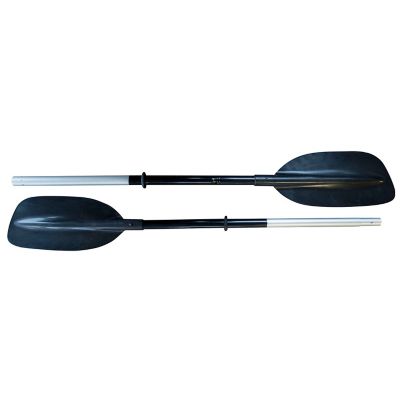
Accessories for Kayaking covers related gear for time on the water. Whether the outing means easing past cattails or paddling toward a favorite fishing spot, the most useful clothing earns its place through unrestricted movement, manageable moisture, and a fit that stays comfortable in the boat.