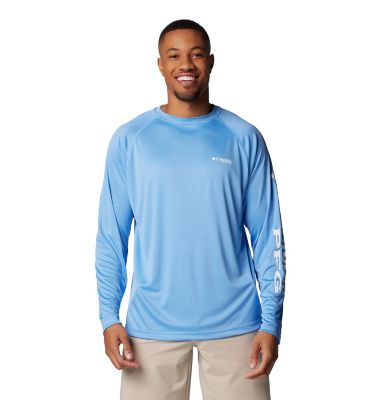
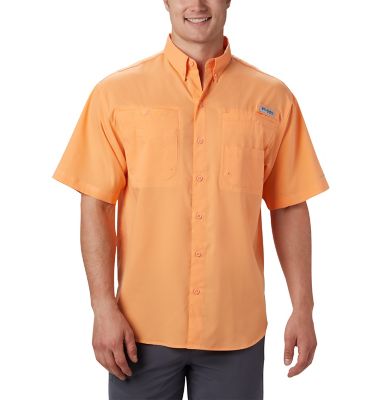
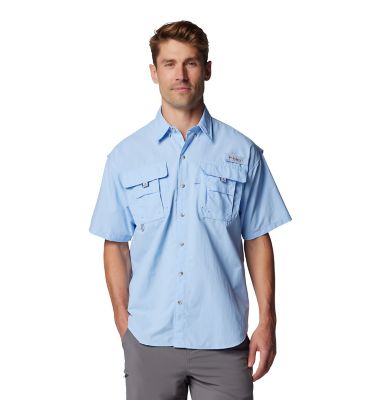
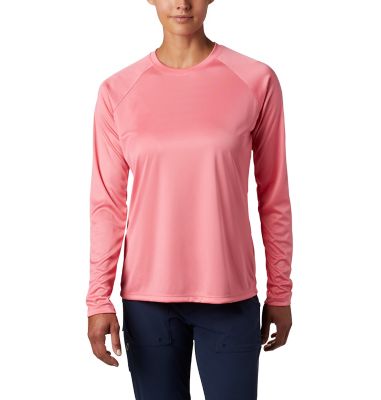
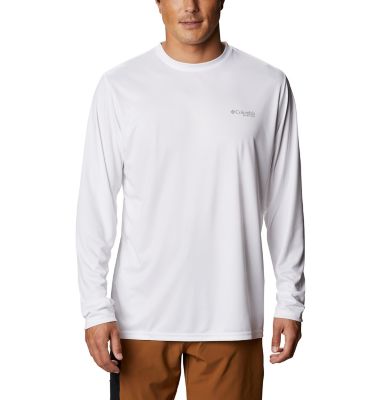
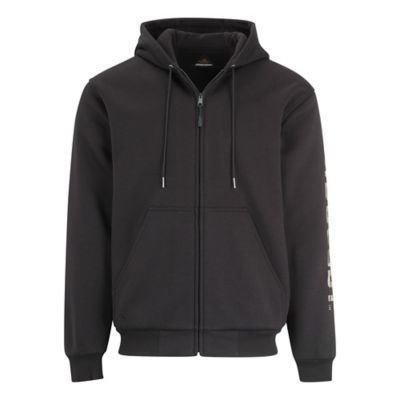
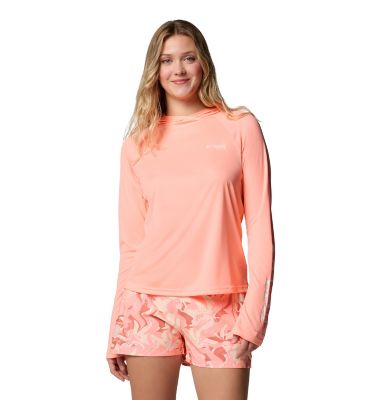
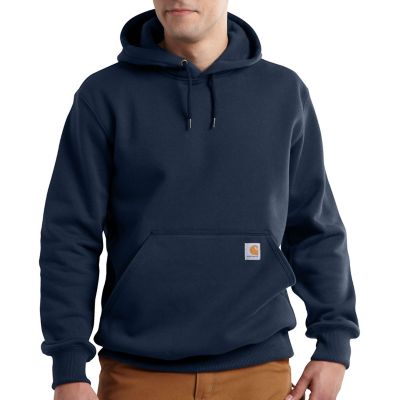
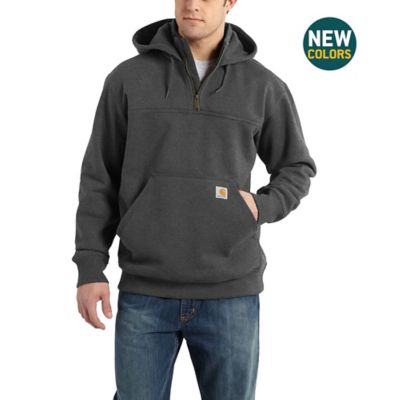
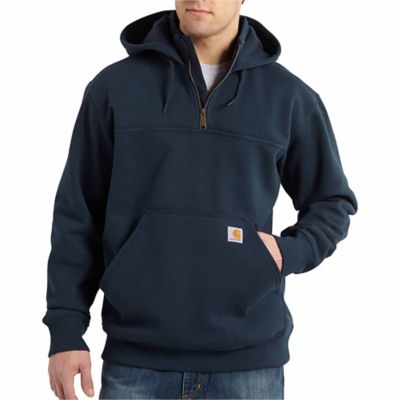
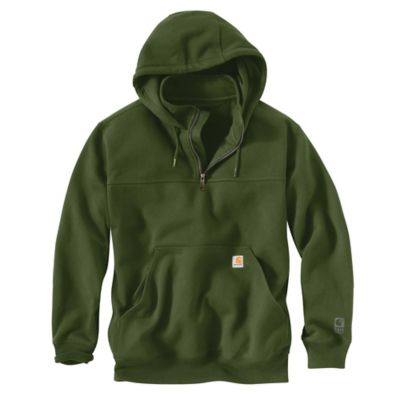
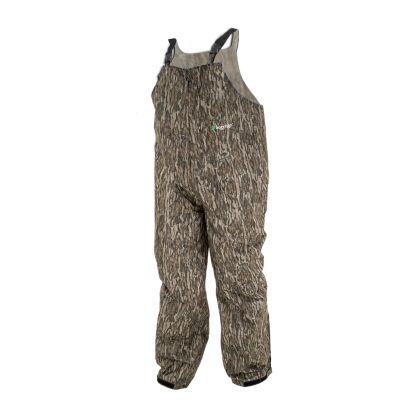
Clothing for boaters should help you stay comfortable when the deck is wet, the breeze picks up, or the sun reflects hard off the water. Whether you spend long days fishing, take the family out for a quiet cruise, or work around a dock and boat ramp, the right layers make a real difference. Look for lightweight fabrics that wick moisture away from the skin and dry quickly after spray, rain, or an accidental step in the shallows. Heavy cotton can feel pleasant at first, but once it gets damp, it tends to hold water and leave you cold and weighed down. Performance shirts, breathable long-sleeve tops, and flexible base layers are useful choices for changing conditions, especially when you plan to be outside for several hours. Long sleeves can also help cover your arms from sun, wind, insects, and rough edges around the boat. For sunny days, consider clothing made with a UPF rating, which is designed to help shield covered skin from ultraviolet rays. A comfortable fit matters just as much as the fabric. Choose tops that let you reach, cast, steer, tie lines, and move around a crowded cockpit without pulling across the shoulders. A little room for layering is helpful during the cooler months, while mesh panels, vented areas, and relaxed cuts can keep air moving when the day warms up. For an easygoing, outdoors-ready look away from the water,
Fisherman Aesthetic Clothing can offer inspiration with practical textures, relaxed layers, and classic pieces that fit right in at the marina, bait shop, or lakeside camp.
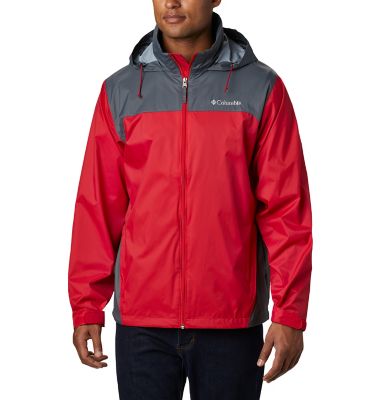
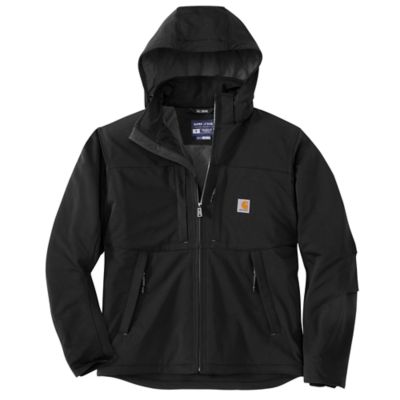
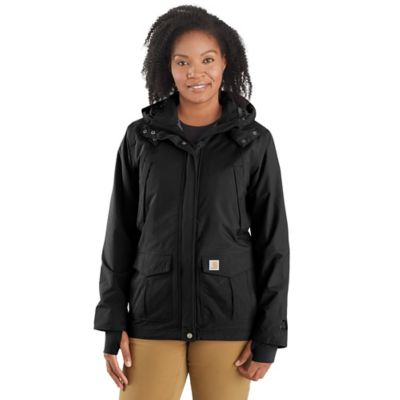
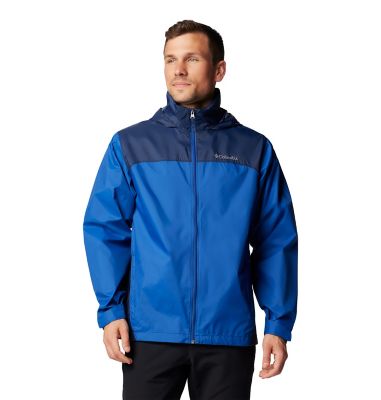
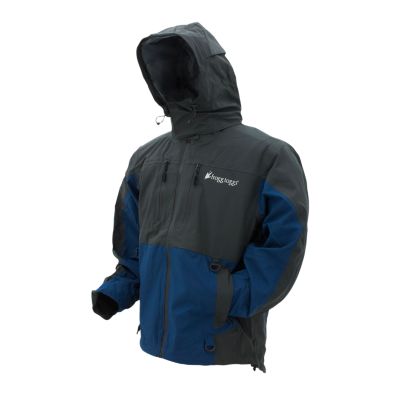
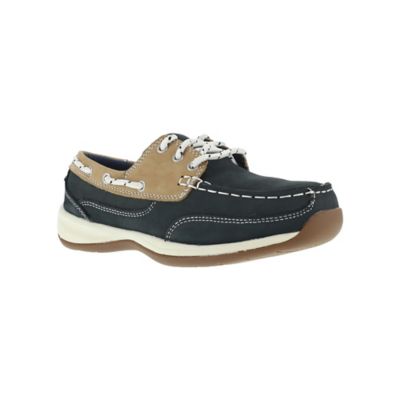
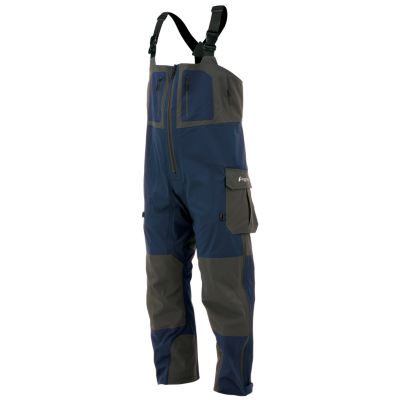
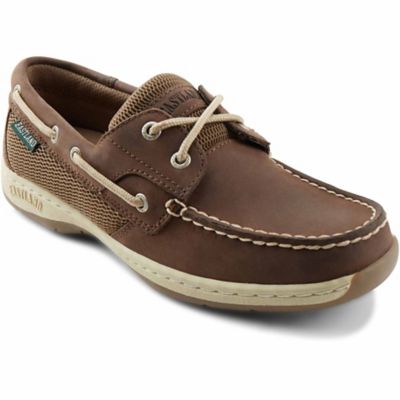
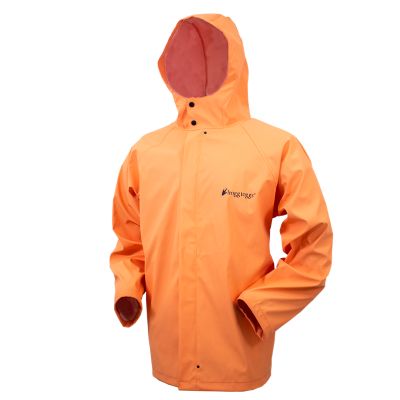
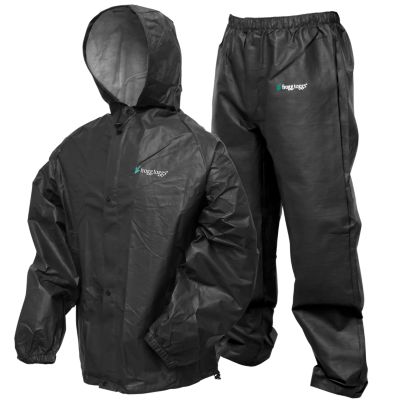
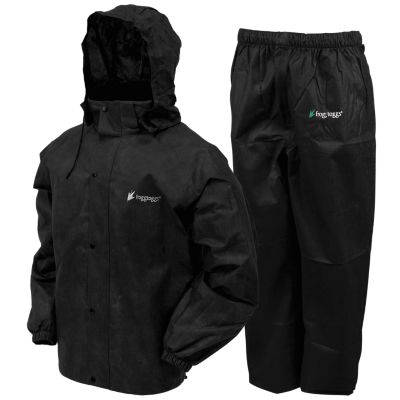
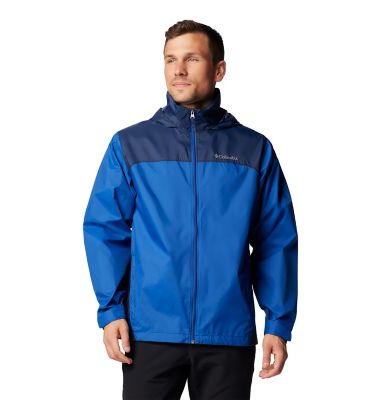
Bottoms for boaters need to move easily and stand up to water, sun, and regular wear. Quick-drying shorts are handy for warm-weather cruising, fishing from the bank, or cleaning up after a day on the water, while stretch pants and deck trousers provide more coverage when the air turns cool or the boat is surrounded by brush, lines, or rough surfaces. Avoid clothing that becomes stiff and heavy when wet, and look for features such as secure pockets, reinforced seams, adjustable waists, and fabric with a bit of stretch. Pockets are useful for small essentials, but they should close securely so keys, tools, or other items do not end up at the bottom of the lake. Footwear deserves careful attention on any boat. Select shoes or sneakers with non-marking, soft rubber soles that provide traction on wet decks without leaving dark marks behind. A snug heel and secure laces or closures help prevent slips, while breathable, quick-drying materials are more comfortable than footwear that stays soaked all day. Going barefoot may seem easy on a calm afternoon, but hidden hooks, cleats, sharp shells, and hot decking can lead to sore or injured feet. Keep a lightweight waterproof or wind-resistant outer layer close by, even when the morning starts clear. Weather can shift quickly over open water, and a packable shell can block spray, wind, and a passing shower without taking up much room. During cooler stretches, layer a warm midlayer under that outer shell rather than relying on one bulky coat. This gives you more control as conditions change and makes it easier to remove a layer while working hard at the helm, pulling in a line, or hauling a cooler up the dock.
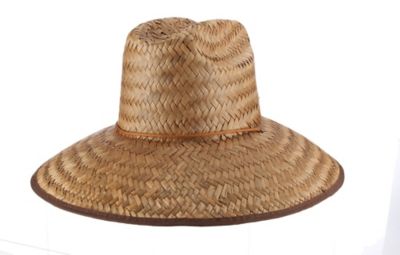
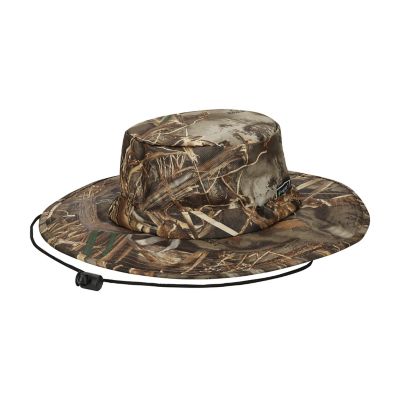
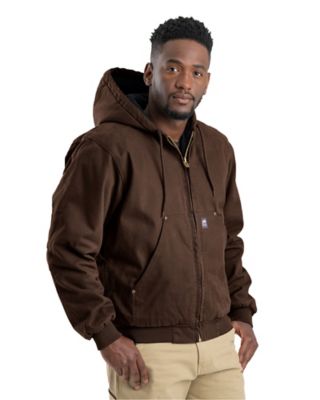
Clothing for boaters also makes a thoughtful gift for anglers, lake-home owners, sailing families, dock workers, and anyone who feels most at home near the water. A useful gift does not need to be flashy; practical pieces are often the ones that get worn again and again. Consider the recipient’s usual setting and habits before choosing. Someone who fishes from dawn until late afternoon may appreciate sun-protective shirts, breathable layers, and clothing with plenty of secure storage. A weekend cruiser may get more use from comfortable deck shoes, versatile shorts, and a light jacket that can stay aboard for unexpected wind. For someone who spends time around cold water or during the cooler months, warm socks, insulated layers, gloves with a dependable grip, and a weather-resistant shell can help make early launches and late returns more manageable. Fit is important, but boating clothing should not be tight enough to restrict movement or so loose that it catches on rails, cleats, or equipment. Check care instructions as well; salt, sunscreen, fish slime, mud, and freshwater stains are part of life around a boat, so machine-washable and easy-care fabrics are especially convenient. Rinse salt and grime out of clothing and footwear with fresh water after use, allow everything to dry fully, and store wet gear where air can circulate. Keep sun protection and safety in mind, too. Polarized sunglasses can reduce glare, a secure hat can help shade the face and neck, and a properly fitted personal flotation device should be used when conditions and boating activities call for one. The best boating wardrobe is one that layers easily, dries without a fuss, grips the deck, and keeps you ready for a bright afternoon, a cool ride home, or a sudden change rolling across the water.