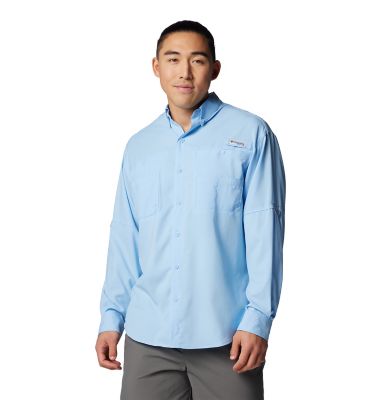
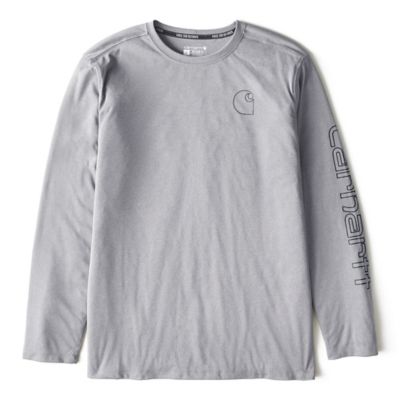
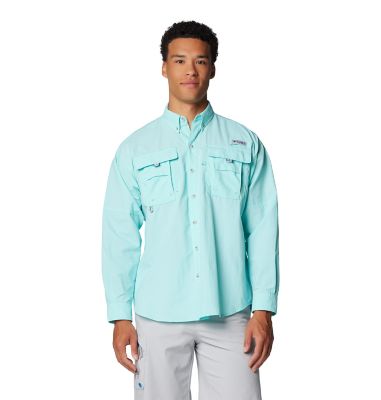
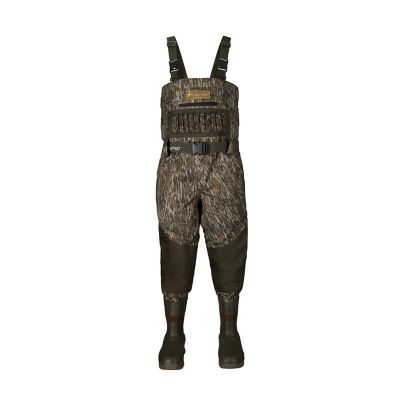
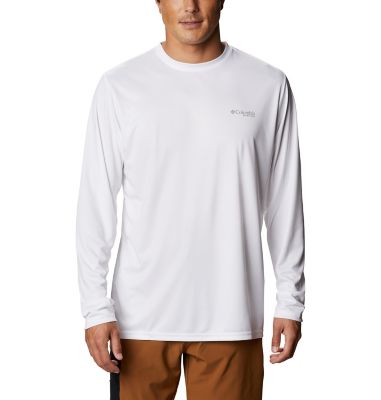
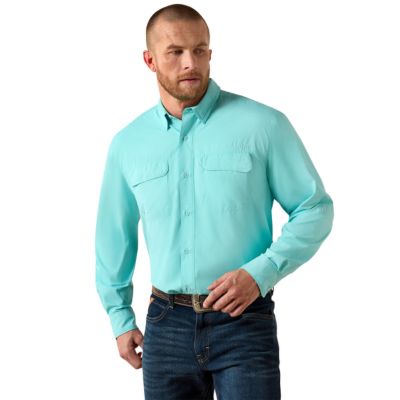
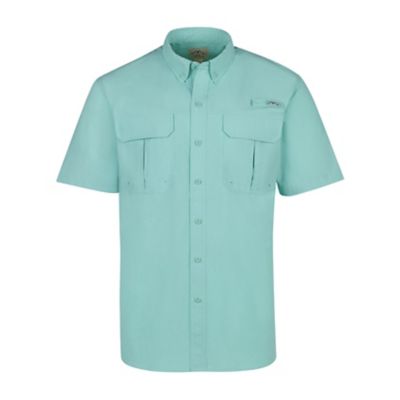
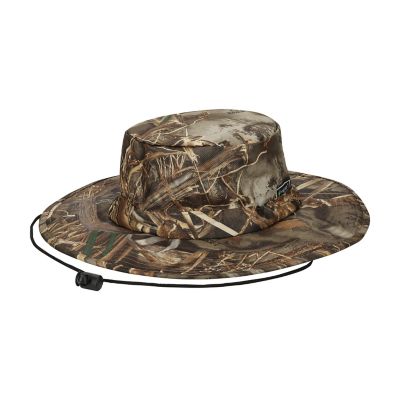
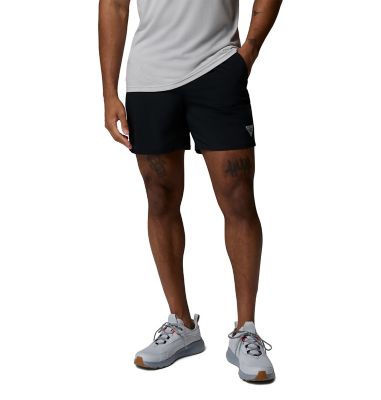
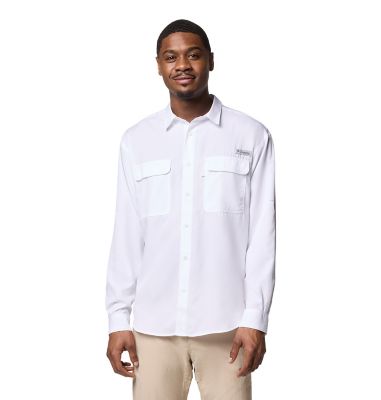
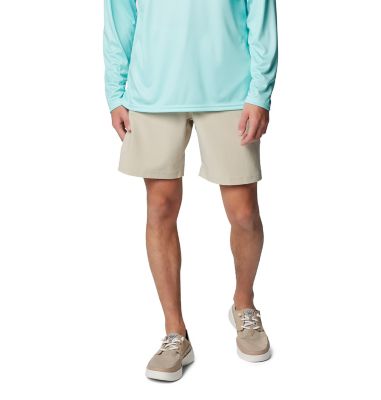
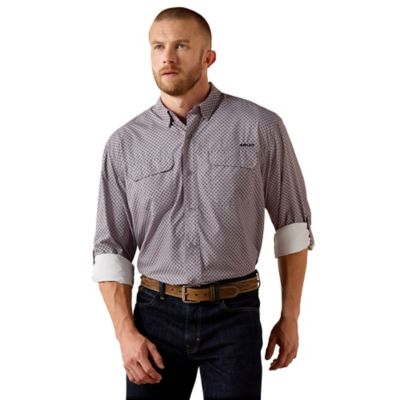
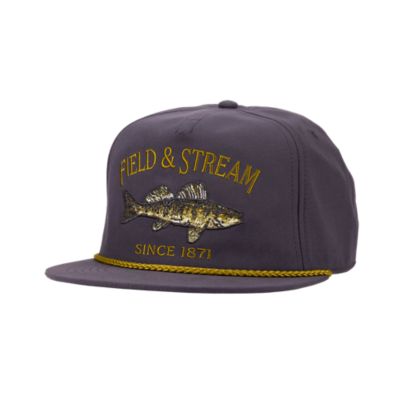
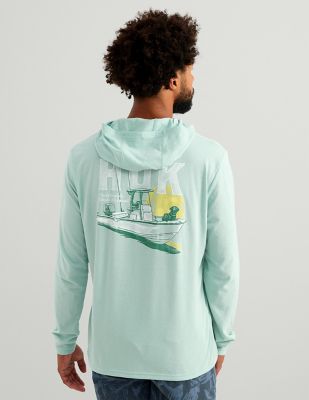
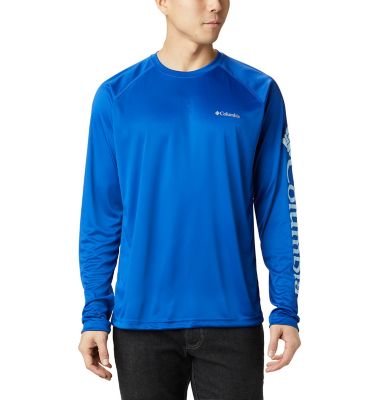
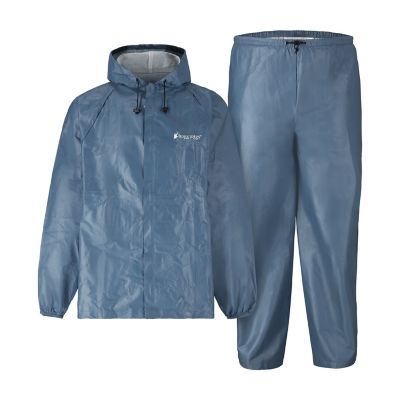
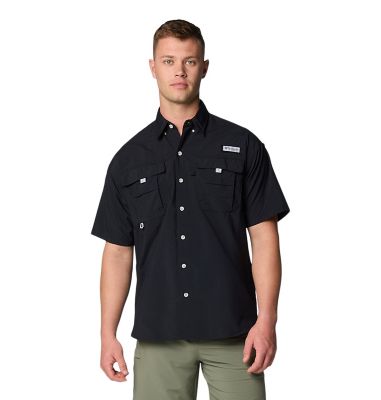
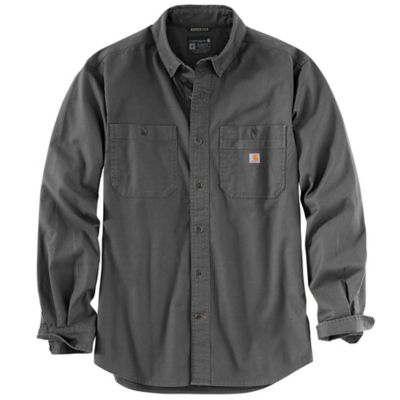
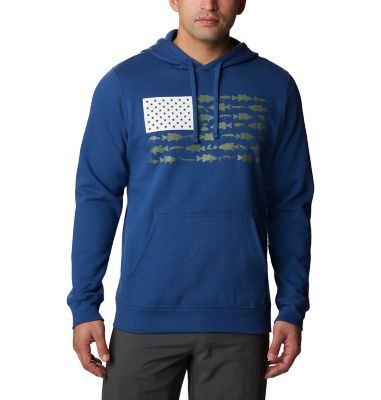
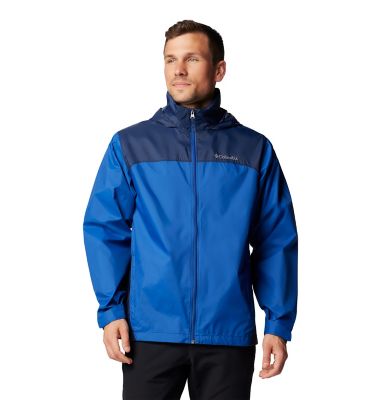
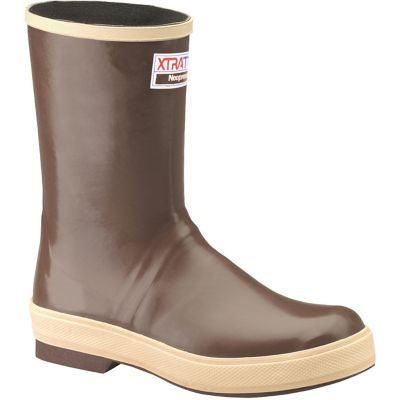
Men’s boating clothing combines quick-drying shirts and bottoms, easy-moving layers, and footwear with grip for wet decks. These clothes suit everything from backing a fishing boat down the ramp to tending dock lines, sitting behind the wheel, or taking a slow ride around the lake. The common thread is comfort through bending, reaching, sitting, and the occasional splash. Polyester and nylon fabrics tend to dry faster than heavier cotton fabrics, while blends with a little stretch give shoulders, hips, and knees more room to move. Fabric weight and construction matter, too: a tightly woven shirt can feel quite different from an open knit made from the same fiber. Lightweight shirts with mesh panels or vented backs help release body heat, and smooth seams can reduce rubbing beneath a life jacket. Long sleeves add coverage without requiring thick fabric, while garments with a stated UPF rating offer a measurable level of ultraviolet protection through the material. That rating applies to the fabric rather than uncovered skin, so coverage still matters. Quick-dry shorts and pants are practical around splashing water, bait buckets, and damp seating, with nylon blends often offering a useful mix of low weight and abrasion resistance. Cotton can feel comfortable for casual time aboard, but it generally holds moisture longer than synthetic performance fabrics. Heavy denim also gains weight when soaked and takes longer to dry, making lighter, quicker-drying bottoms a better match for active trips. Protective outer layers add another option for handling spray. Water-resistant materials can shed small splashes, while waterproof construction is intended to resist water entry more thoroughly; seam sealing, closures, and the garment’s stated performance all affect the result. Breathable materials help moisture vapor escape, although comfort also depends on activity and fit. Plenty of men’s boat clothes have a straightforward appearance that fits a stop at the marina, lunch near the landing, or an afternoon getting the boat ready for its next trip.
Fit makes a difference when a day aboard involves more than sitting still. A boating shirt needs enough room across the back for reaching toward a cleat or lifting a tackle bag, without so much loose fabric that it catches on nearby hardware. Shoulder construction, stretch panels, and sleeves that stay in place all contribute to that balance. Shirts with longer hems can maintain coverage while bending over a storage hatch, while flat pocket closures help keep the front less bulky beneath a life jacket. For pants and shorts, a comfortable waistband should stay put through repeated steps between the dock and the boat. An adjustable waist, a gusseted crotch, or shaped knees can make movement easier without requiring an oversized fit. Seated comfort matters just as much as standing comfort: thick seams, stiff pocket edges, or a tightly packed back pocket can become noticeable against a bench seat. Zippered pockets offer a way to contain small belongings, but a closed pocket is not necessarily waterproof. Separate water protection remains important for anything that cannot get wet. Reinforced pocket openings and well-finished seams are useful details where fabric meets repeated rubbing from seating, rails, or carried gear. Footwear belongs in the same conversation because slick surfaces call for attention to sole design and fit. Non-marking rubber soles help limit deck scuffs, while tread and rubber compounds intended for wet surfaces support traction. Sole color alone does not establish whether a shoe will leave marks, and no tread makes every wet surface slip-free. A secure heel and fastening system help keep footwear in place when stepping aboard, while closed toes provide coverage around cleats and deck fittings. Across shirts, bottoms, and outer layers, the complete outfit should leave a properly fitted, Coast Guard-approved life jacket sitting as intended. Everyday boating apparel does not replace flotation equipment, and clothing that bunches beneath straps can interfere with comfort and adjustment.
Care and construction help determine how well men’s boating apparel holds up to repeat trips. Salt spray, sunscreen, fish slime, and ordinary dock grime can all leave their mark, so care-label directions deserve attention before clothing reaches the laundry room. A freshwater rinse after saltwater exposure can help remove residue, followed by washing and drying as directed. Closing zippers and fastening hook-and-loop tabs before laundering can reduce snagging against neighboring fabrics. Fabric softeners and dryer sheets can interfere with some moisture-management fabrics and water-repellent finishes, making the garment’s instructions especially important. Excessive heat can also affect stretch fibers, printed details, and certain protective finishes. Thorough drying before storage helps keep damp clothing from sitting in a boat locker or gear bag between outings. Shoes benefit from having grit cleared from their tread and drying according to their material requirements, rather than being put away wet. These everyday habits support the features that make boating clothes practical in the first place. Intended use still shapes which details earn their keep: a man handling dock lines may appreciate reinforced contact points, while someone spending hours seated may care more about smooth seams, flexible fabric, and pockets positioned away from pressure spots. A fisherman reaching repeatedly across the gunwale needs freedom through the shoulders and waist; a passenger stepping aboard for a relaxed ride may prefer a simpler fit that also feels at home ashore. Across men’s boating apparel and the broader
Clothing For Boaters category, fabric, coverage, and freedom of movement provide a useful basis for comparing styles. Boating clothing can also make a thoughtful gift for a dad, husband, brother, or fishing buddy who spends plenty of time around the water. Familiar sizing, preferred sleeve length, and the kind of boating he enjoys are more helpful starting points than appearance alone. Clothes that suit his routine are the ones most likely to make the trip from the closet to the boat.