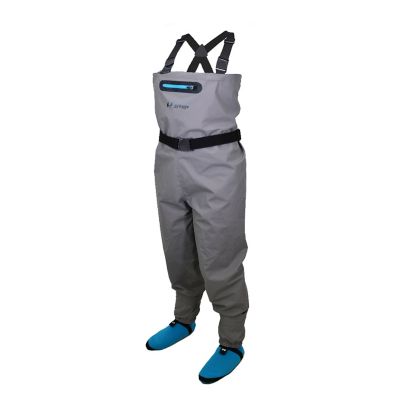
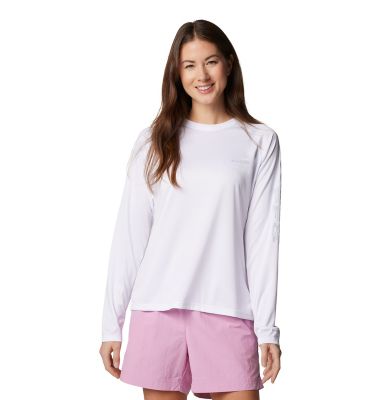
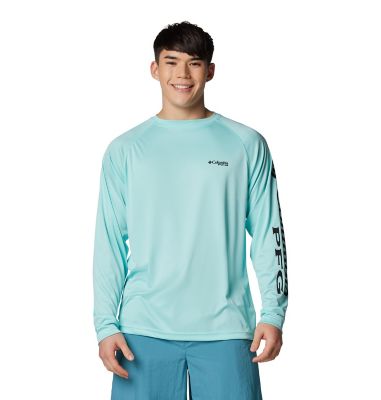
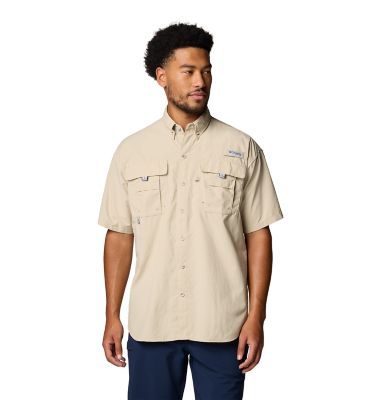
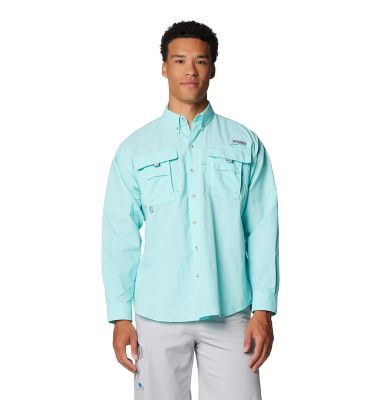
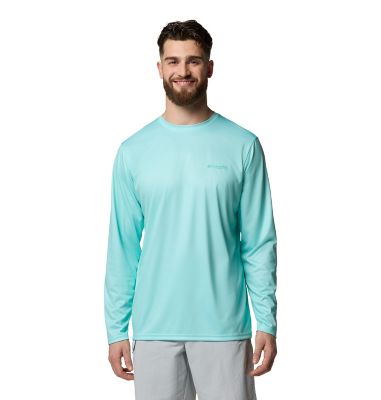
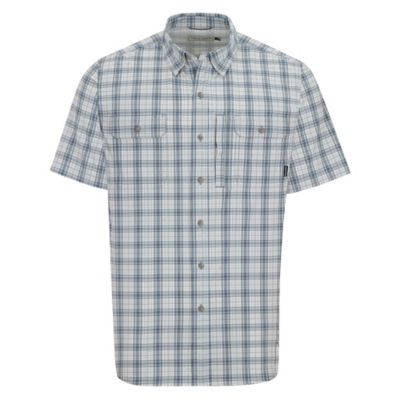
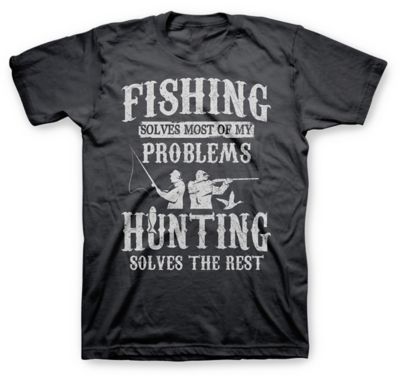
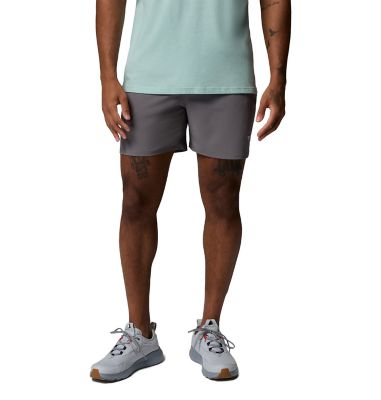
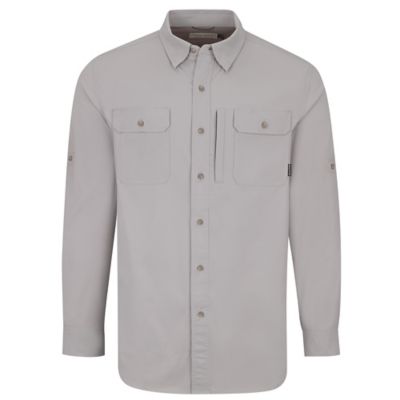
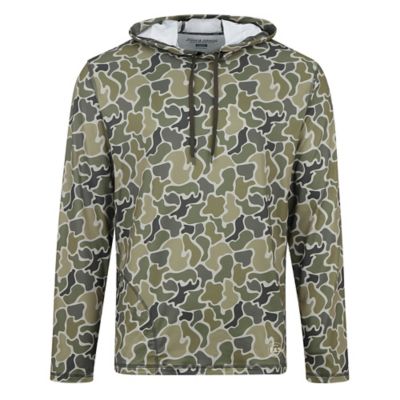
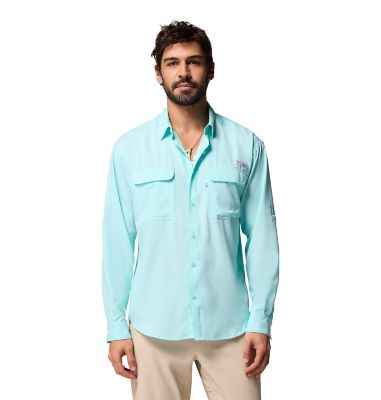
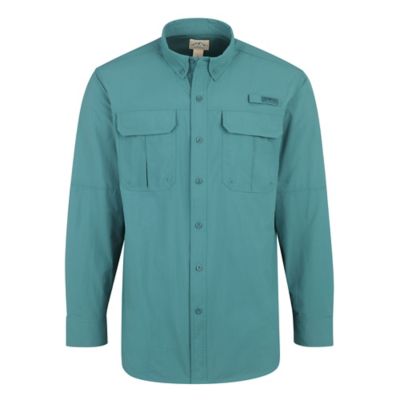
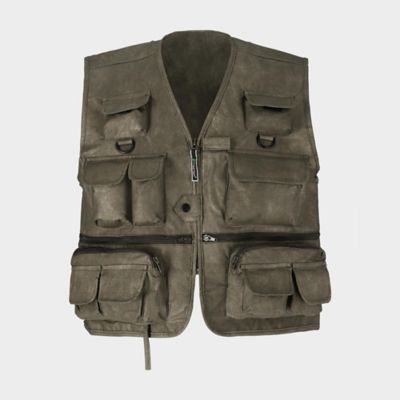
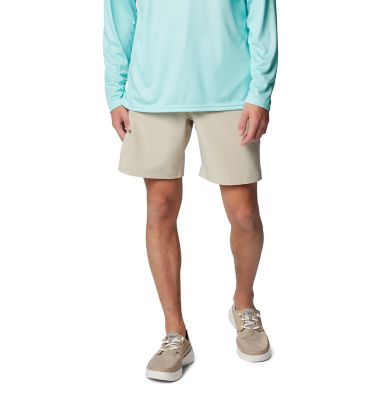
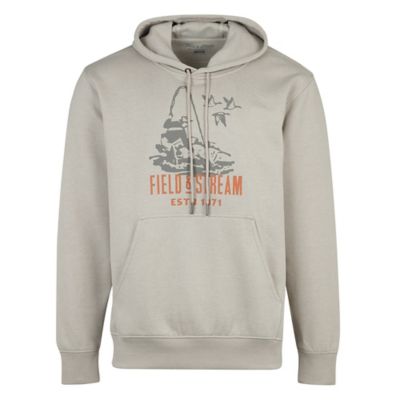
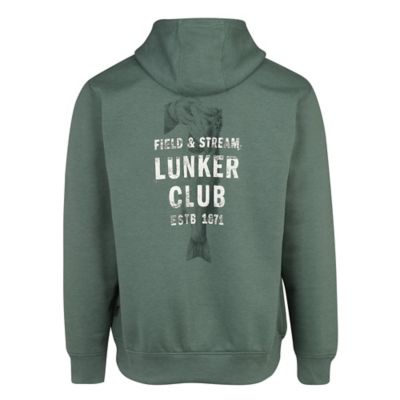
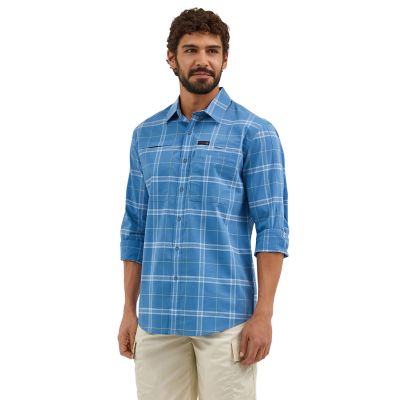
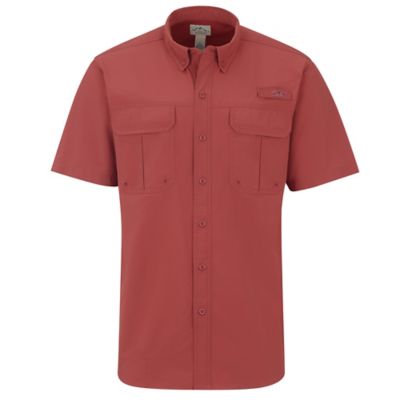
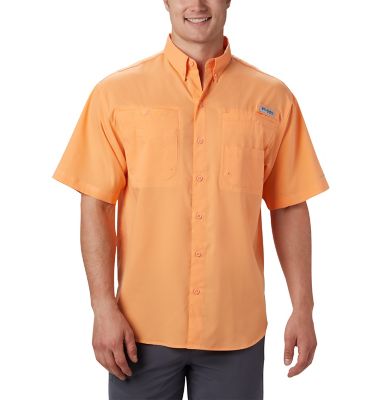
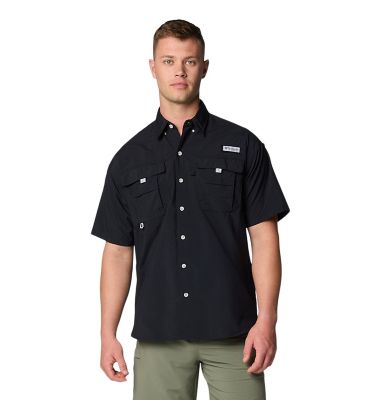
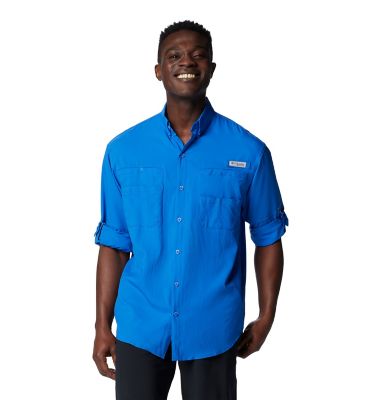
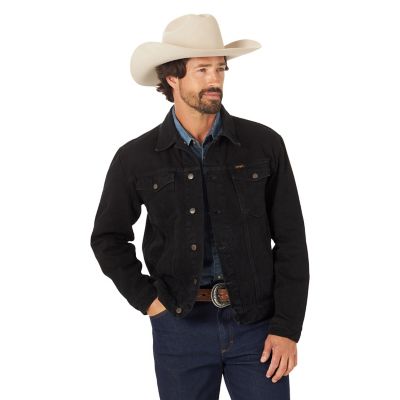
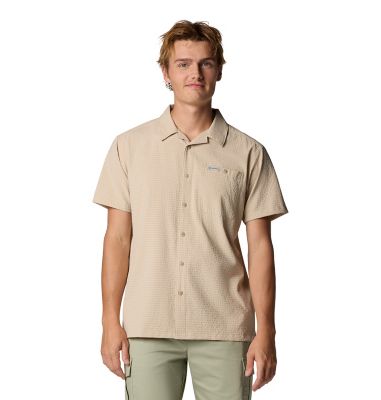
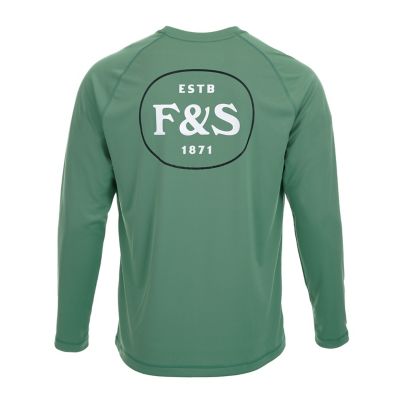
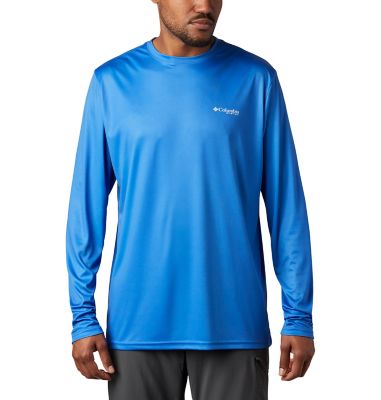
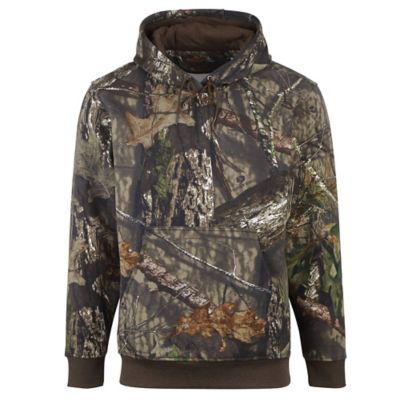
Fisherman aesthetic clothing brings the practical look of maritime workwear into everyday dressing, with textured knits, relaxed layers, sturdy fabrics, and colors that feel at home beside the water. Sometimes called fishermancore, the style draws from the clothes worn around working harbors, fishing boats, and windswept shorelines, but it fits just as naturally at a country store or around a backyard fire. Cable-knit sweaters, ribbed pullovers, striped shirts, roomy trousers, and utility-inspired outerwear give the look its familiar shape. Navy, cream, olive, brown, and charcoal make an easy foundation, while a mustard-yellow outer layer or a red knit cap adds a little brightness against gray skies. The appeal comes from the balance of comfort and purpose: enough room to move, layers that work together, and textures that look better in everyday surroundings than tucked away for a special occasion. A thick sweater over a simple shirt has the right feel for coffee on the porch, a walk along the lake, or supper after a long day outside. Straight-leg denim and canvas pants bring the same grounded character without making an outfit feel like a costume. Stripes suggest coastal roots, while solid colors let cable patterns, ribbing, and woven fabric take the lead. For a lighter layer beneath a sweater or open overshirt,
Fisherman Aesthetic Tees carry that waterside character into a more laid-back outfit. The look can lean toward a saltwater harbor or a freshwater fishing cabin, depending on the colors and layers involved. There is no need to live near the ocean to appreciate clothing that feels comfortable on a gravel road, beside a dock, or during a chilly drive into town. Across men's and women's wardrobes, the common thread is an easy silhouette with enough substance to stand on its own and enough simplicity to wear again with different layers.
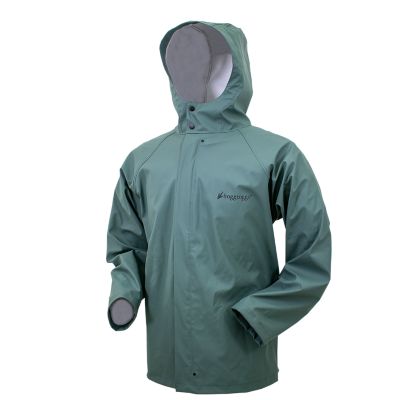
Fabric and fit shape how fisherman-inspired clothing feels through a full day, especially during the cooler months when the difference between a sheltered porch and an open shoreline can be considerable. Wool is a familiar choice for knitwear because it helps insulate and manage moisture, though its feel against the skin varies with the fiber and construction. Cotton sweaters offer a different hand, often softer and less springy, with weight that can range from a light layering knit to a substantial pullover. Cotton also takes time to dry after getting wet, making it better suited to dry outings than prolonged exposure to rain or spray. Blended fabrics may combine softness, stretch, warmth, or easier care; the fiber label gives a clearer picture than appearance alone. Cable stitches and waffle textures add depth, while close ribbing at cuffs and hems helps define the shape. A heavy-looking knit is not necessarily wind-resistant, so a woven outer layer can make a noticeable difference when the breeze picks up. Canvas and denim contribute a firmer feel, and lined outerwear adds warmth without requiring every layer underneath to be thick. Relaxed fit works best when there is room across the shoulders, through the seat, and around the knees without sleeves swallowing the hands or pant hems dragging across wet ground. Someone carrying firewood, reaching into a truck bed, or walking an uneven bank will notice those details quickly. A sweater intended to sit over a shirt needs a little more space than one worn next to the skin, and a jacket needs room for both without pulling across the back. Pocket placement, zipper access, and cuffs that sit comfortably under outerwear all matter once the clothes leave the hanger. For actual time on the water, the fisherman aesthetic is a starting point for appearance, not a promise of weather protection. Water-resistant and waterproof clothing serve different purposes, and fabric construction, seam treatment, ventilation, and stated performance features deserve attention when rain, spray, or extended exposure is part of the day.
The finishing pieces keep this style connected to real life rather than a dressed-up version of it. Knit caps, substantial socks, simple scarves, and practical footwear make sense with textured sweaters and workwear-shaped layers because each has a job beyond its appearance. Leather footwear brings a familiar country feel for dry errands and casual wear, while rain boots suit muddy paths and wet grass when their fit and tread match the conditions. On a slick dock or boat deck, traction depends on the outsole and surface, not just whether a shoe looks nautical. Socks need enough space inside a boot to avoid squeezing the foot, especially when thicker layers come out for cold mornings. The same practical thinking applies to garment construction: firm stitching, reinforced pocket areas, sound fasteners, and fabric weight appropriate to the task can help clothing hold up to regular wear. Care requirements also affect how easily a piece fits into the week. Some wool knits need gentle washing and flat drying, while certain cotton garments can shrink with high heat. Heavy sweaters generally keep their shape better folded than hanging from the shoulders. Waxed fabrics and technical rainwear call for their own care methods, so the garment label should take priority over a general laundry routine. Letting damp layers dry fully before putting them away helps keep the next wear comfortable, and tending to a loose button or small snag early can prevent a larger repair. These are useful considerations for anyone buying for a spouse, parent, college student, or friend who enjoys fishing, cabin weekends, or simply the feel of relaxed outdoor clothing. A gift does not have to be fishing equipment to suit someone who would rather spend a morning near the water. Familiar colors, comfortable textures, and a fit that leaves room for layering can make fisherman-inspired clothing a welcome part of an everyday wardrobe. From a quiet shoreline walk to chores before heading into town, the style has an unpretentious character that belongs wherever the day takes you.