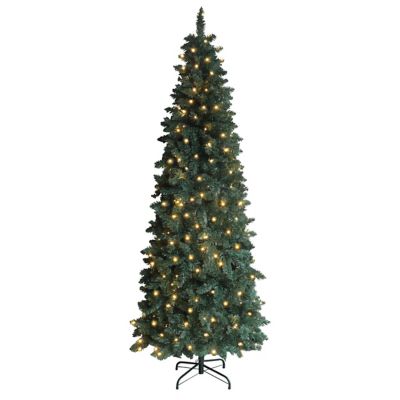
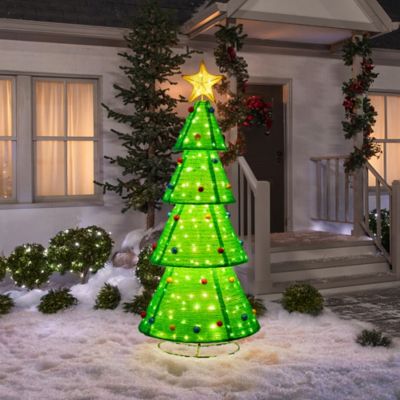
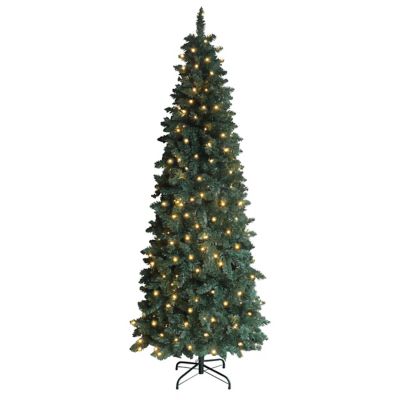
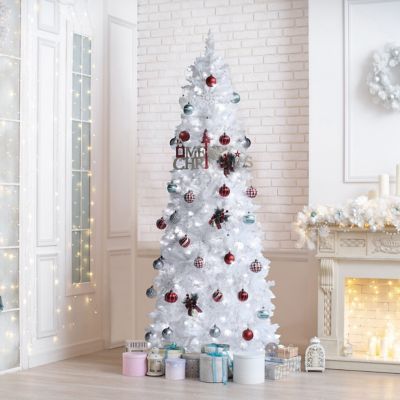
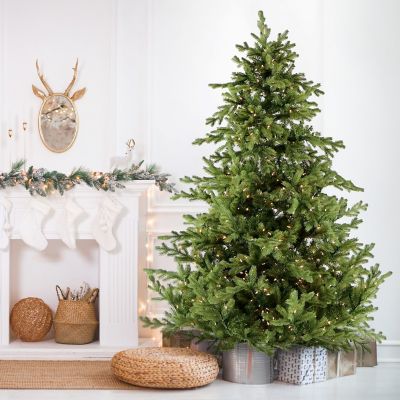
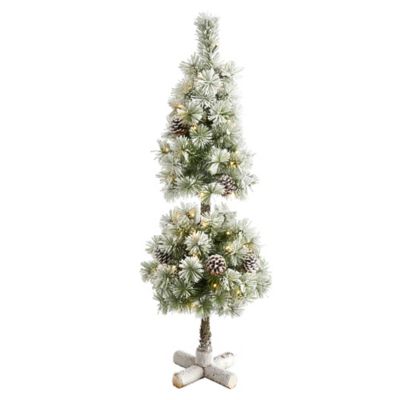
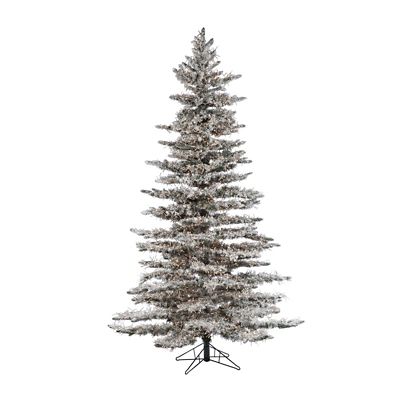
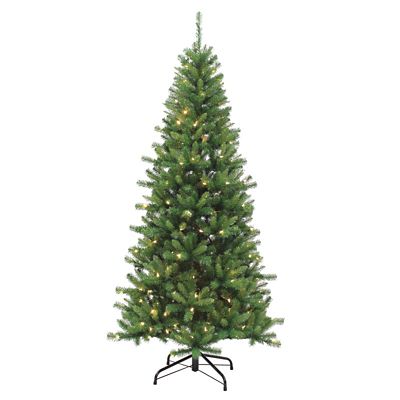
A Christmas tree with LED lights brings a familiar holiday glow to the house without the separate job of winding light strings around every branch. In a farmhouse living room, a snug den or a front room where the family gathers after supper, a pre-lit tree can serve as the backdrop for Christmas morning and evenings spent visiting. The right shape depends as much on the room as on the look of the branches. A full tree fills a broad corner and leaves plenty of space for ornaments, while a slim profile keeps walkways open beside a sofa, doorway or dining table. Smaller trees suit apartments, guest rooms and raised displays where floor space is limited. Overall height and branch spread both matter, especially beneath a low ceiling or beside a busy passage between rooms. A topper needs room above the highest branch, and gifts need space below without creeping into foot traffic. Artificial branches commonly feature PVC needles, molded polyethylene tips or a combination of the two. PVC can help create a filled-in appearance, while molded tips give individual sprigs more defined shapes and texture. Branch color, needle length and the mix of lighter and darker greens all affect how the tree looks in daylight, long before the lights come on. Some styles have open spaces between branch layers that give larger ornaments room to hang; others create a dense outline suited to smaller ornaments, ribbon and a simple topper. Flocked branches bring a snowy appearance indoors, though the finish may shed a little during setup and storage. Green branches offer a familiar backdrop for everything from red bows and wooden ornaments to the paper keepsakes children bring home from school. For households that bring out the same treasured ornaments every Christmas, the tree’s shape and branch strength help those pieces settle into a display that feels like home.
The lights set much of the mood, so their color and spacing deserve as much attention as the tree’s silhouette. Warm white LEDs cast a soft glow that works well with wood walls, woven tree skirts and ornaments collected over the years. Cool white lighting has a brighter, crisper appearance, while multicolor lights bring the cheerful look many families remember from childhood Christmases. Some pre-lit trees offer a single light color; others provide several modes, with combinations of steady light, color changes or gentle effects. Those functions vary by tree, and a simple steady setting may be the best fit for a room where people read, talk or watch a favorite Christmas movie. Light placement matters, too. Points of light tucked closer to the trunk add depth, while lights along the outer branches outline the tree and help ornaments catch the glow. LED lighting generally draws less electricity and gives off less heat than comparable incandescent lighting, but electrical cords and connections still need sensible handling. A tree’s location should leave a clear route to a suitable outlet rather than stretching a cord across the path from the kitchen to the couch. Built-in wiring can reduce the amount of separate stringing involved, though assembly, branch shaping and electrical connections still depend on the design. Foot switches, timers and remote controls may make everyday operation easier, particularly when the outlet sits behind a full tree. For households interested in connected controls,
Christmas Trees With Smart Lights offers a related direction to explore, with control options that depend on the tree and its connection requirements. Traditional plug-in LED trees remain a straightforward choice for anyone who prefers fewer settings. Indoor and outdoor ratings also matter: a covered porch is still exposed to conditions that an indoor-only tree may not be built to handle. The tree, lighting and any extension cord all need ratings suited to their intended location.
Construction and storage make a difference when a Christmas tree comes out year after year. A steady stand, well-supported trunk sections and branches that hold their intended position help the tree handle the ordinary bustle of a family home. Hinged branches fold toward the trunk for storage and open for shaping, while other branch arrangements may take more individual assembly. Either way, the packed dimensions and weight deserve a thought, especially when the tree has to travel down attic stairs or out of a shed. A larger tree may be easier to manage with another adult helping carry and seat the sections. Once assembled, spreading the smaller branch tips fills gaps and gives ornaments room to hang without bunching together. Heavier keepsakes belong on branches strong enough to support them, positioned so they do not pull the outer tips downward. Homes with curious cats, young children or a lively dog benefit from a stable location away from climbing spots, swinging doors and busy play areas. Breakable ornaments can sit higher on the branches, and cords should stay out of reach rather than dangling near the floor. Even with LED lights, a tree belongs away from fireplaces, woodstoves, portable heaters and other heat sources. Care is generally simple: gentle dusting, careful handling of the wiring and storage in a dry spot help protect both the greenery and electrical parts. Flocked finishes and molded needles may have different cleaning needs, so the care information supplied with the tree matters. Letting branches fold without forcing them and keeping connectors from being pinched can make the next setup less of a chore. A protective storage bag or properly sized box also keeps branches from being crushed beneath other holiday belongings. For someone setting up a first home, a manageable pre-lit tree can make a thoughtful Christmas gift, provided its size, weight and light style suit the space. From a small household gathering to a houseful of relatives, an LED-lit tree gives familiar ornaments and new memories a place together.