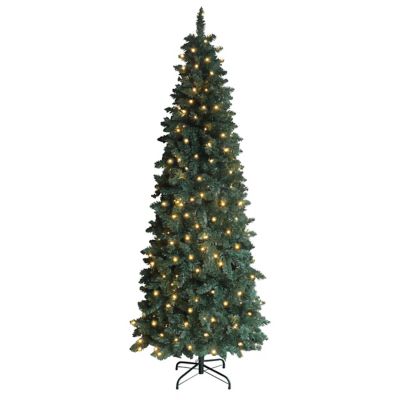
Christmas timer lights bring a steady routine to holiday displays, turning the glow on for evening chores and shutting it off after the household settles in. The timer may be built into a light strand or battery box, or it may be a separate plug-in control connected between the lights and an outlet. Either way, its job is to switch the connected lights on and off without a trip to the porch or a reach behind the Christmas tree every night. Mechanical timers typically have a rotating 24-hour dial with pins or tabs that mark the operating periods. Their straightforward controls suit displays that follow the same schedule each day, though the available time intervals vary by model. Digital timers provide electronic scheduling, and some allow different settings for weekdays and weekends or more than one lighting period per day. Photocell timers respond to surrounding light, switching on at dusk and, depending on the model, switching off at dawn or after a selected number of hours. A dusk-to-dawn setting follows darkness rather than a fixed clock time, while a countdown setting limits how long the display stays lit after dusk. Built-in timers on battery-powered lights often repeat a daily on-and-off cycle, with the starting time established when the timer function is activated. These differences matter around a farmhouse, workshop, or front entry: a porch display might follow sunset, while an indoor tree might run on a fixed evening schedule. Power interruptions also affect timer types differently. A mechanical dial may need its clock reset after an outage, while some digital controls have a backup battery that preserves settings or time. That backup does not supply power to the lights themselves. Clear controls, readable markings, and an accessible override switch make occasional changes less of a fuss when company stays late or the family heads out before daylight.
The right fit for Christmas lights with timers depends on the power source, installation location, and electrical load—not just how many plugs a timer accepts. Indoor-only controls belong inside, even when an extension cord reaches an outdoor display. Outdoor timers and lights need ratings suited to their location and exposure, along with installation that follows the manufacturer’s directions. A weather-resistant housing does not mean a timer can sit in a puddle, lie under melting snow, or operate with unprotected connections. Outdoor receptacles should have GFCI protection, and covers must suit the connection and conditions. An elevated mounting point, when permitted by the instructions, helps keep a control away from standing water and makes the buttons easier to reach. Molded plastic housings, covered outlets, insulated wire, and cord jackets all serve different protective roles; their condition matters as much as their appearance. Cracks, loose connections, missing covers, or damaged insulation are reasons to stop and replace the affected equipment. Electrical compatibility deserves the same attention. The combined load of every connected strand must stay within the timer’s applicable rating, the lights’ connection limits, and the circuit’s capacity. LED lights generally draw less power than comparable incandescent lights, but lower power draw does not remove those limits. Some controls list different ratings for different load types, so matching the label to the lighting matters. A timer with several outlets still has an overall load limit; each opening does not necessarily provide a separate allowance. Cord length and plug shape affect fit, too. A broad timer body can crowd a neighboring receptacle, and a short lead may not reach a sheltered mounting spot. For photocell controls, placement needs a little breathing room: nearby porch lamps or the display itself can confuse the sensor, while deep shade can make it switch on earlier than expected.
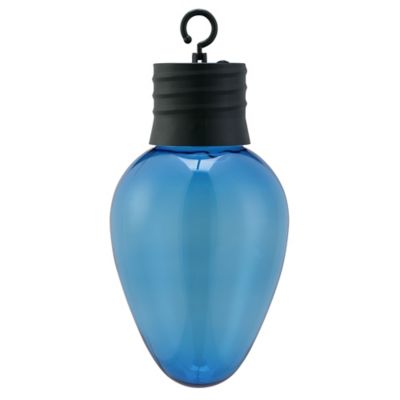
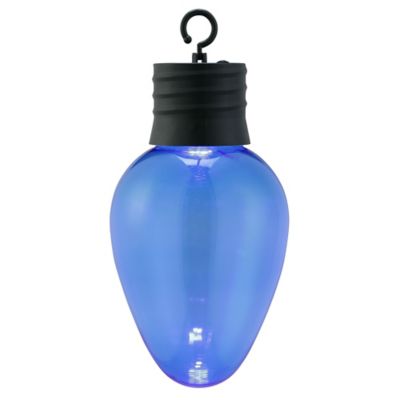
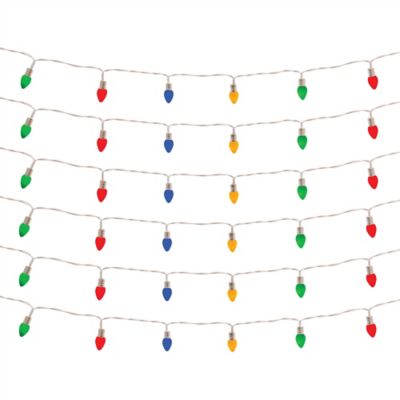
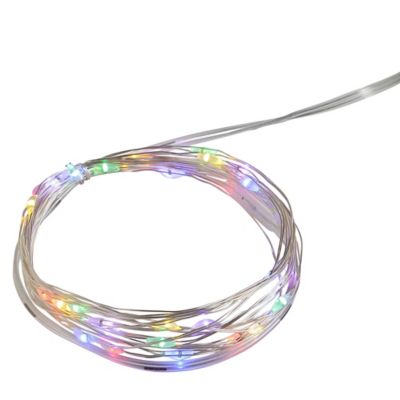
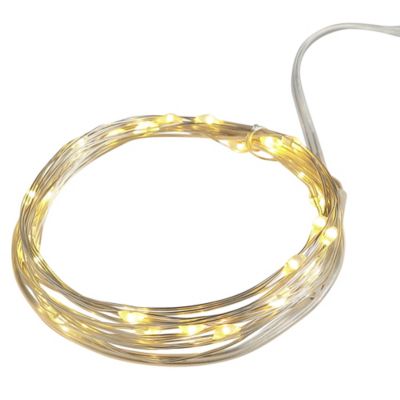
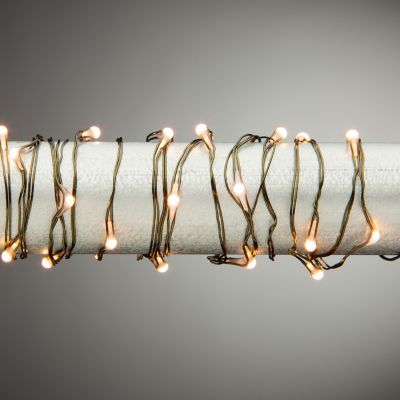
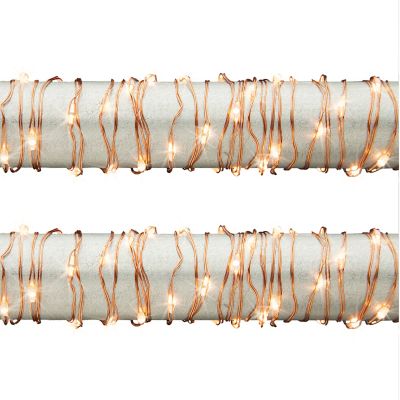
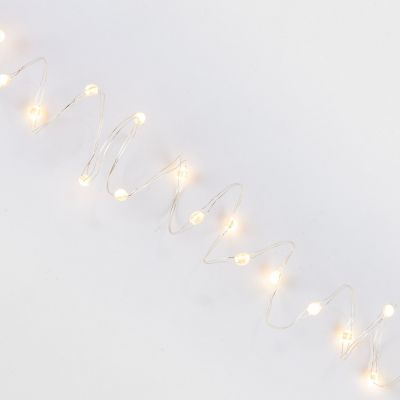
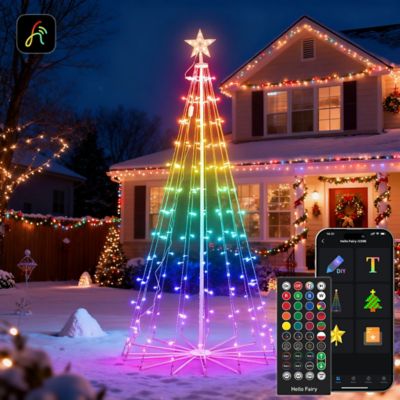
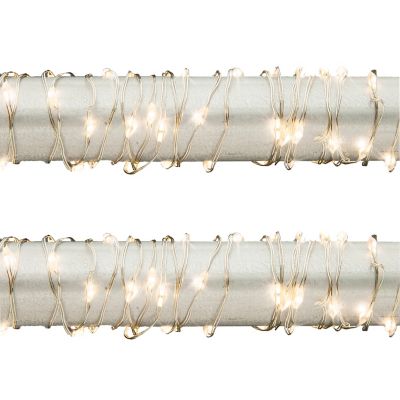
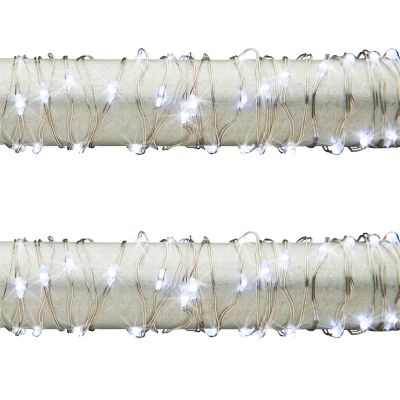
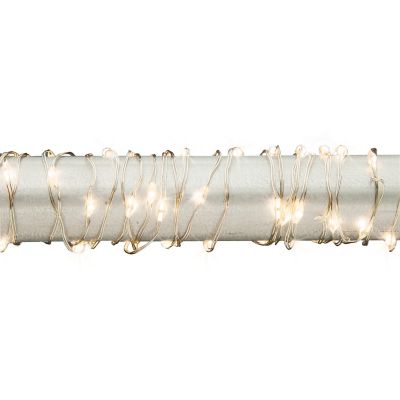
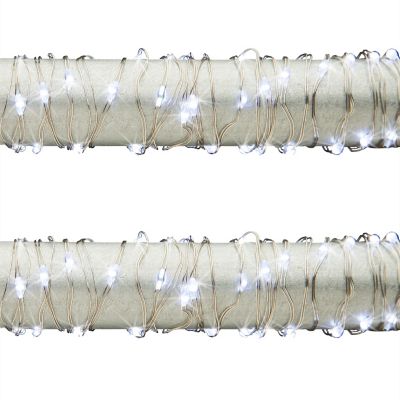
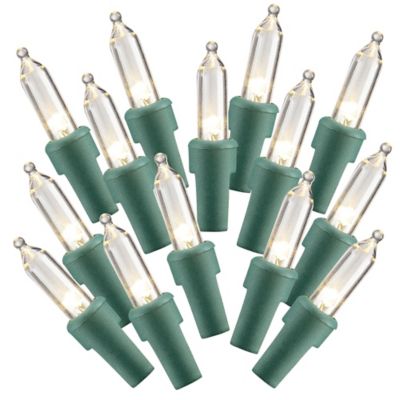
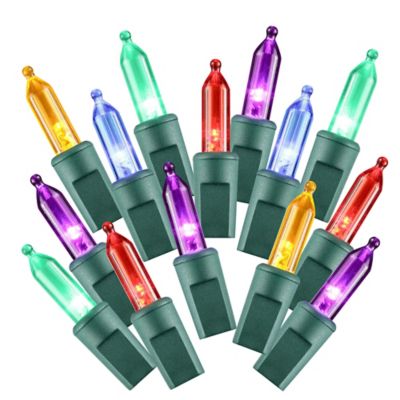
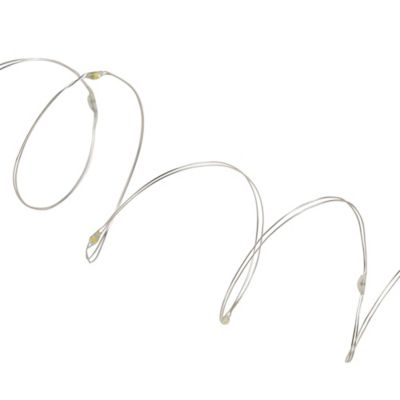
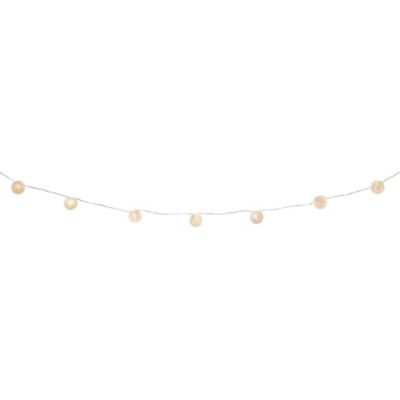
Beyond the controls and connections, Christmas timer lights help tie together the look and rhythm of a holiday setting. Warm white light gives a porch rail or indoor tree a soft, welcoming glow, while multicolor strands bring a livelier feel to family gatherings. Small bulbs can tuck neatly along branches, wreath frames, and window edges; larger bulbs stand out across an open yard or along a roofline when the lights and mounting method are rated for that purpose. For a fine, closely spaced sparkle,
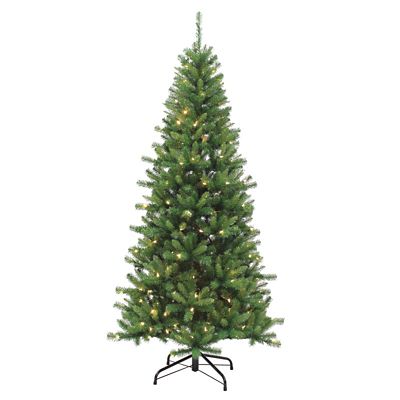
Miniature Christmas Lights pair naturally with displays where the lights should complement the greenery rather than overpower it. Matching light color, wire color, spacing, and lead length helps separate sections look like one display. A green cord blends into a tree, while a lighter cord may be less noticeable against pale trim. Battery-powered timer lights can bring holiday shine to a tabletop arrangement or an entryway without an outlet nearby, provided the battery compartment and lights suit the setting. Battery type, access to the compartment, and the stated timer cycle are worth checking, especially when the switch will sit behind greenery. LEDs often give off less heat than incandescent bulbs, but neither type belongs tightly covered or placed against unsuitable materials. Purpose-made light clips keep strands supported without nails or staples piercing the wire, and routing cords away from steps and walkways helps leave a clear path for boots, visitors, and feed runs. Care between holidays also affects how well the setup holds up. Disconnecting power before handling the lights, allowing outdoor equipment to dry before storage, and winding strands loosely around a reel or sturdy divider can reduce tangles and strain. Keeping the timer instructions with the lights saves hunting for the reset procedure next Christmas. For someone who enjoys lighting the porch but would rather skip the nightly switching, a compatible timer can be a practical addition to a holiday lighting gift, with the recipient’s outlet setup and display size kept in mind.