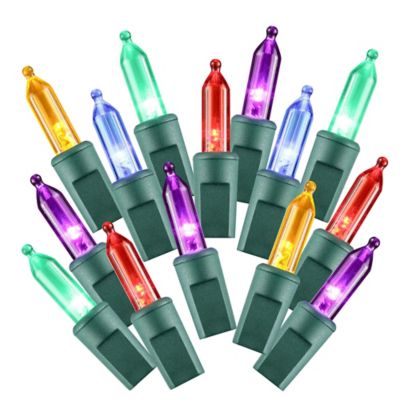
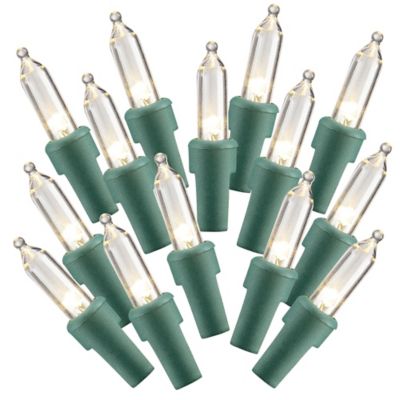
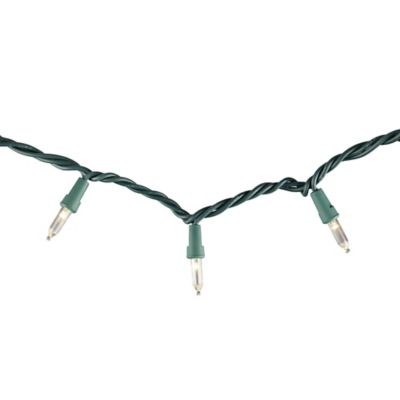
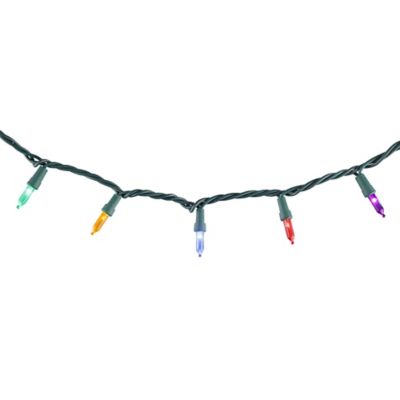
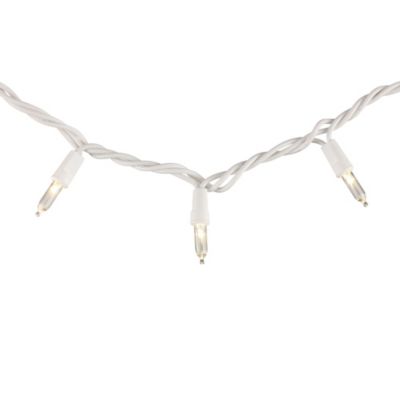
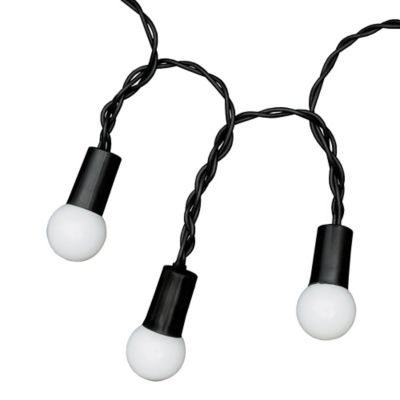
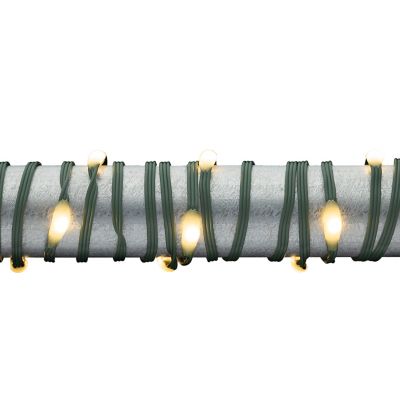
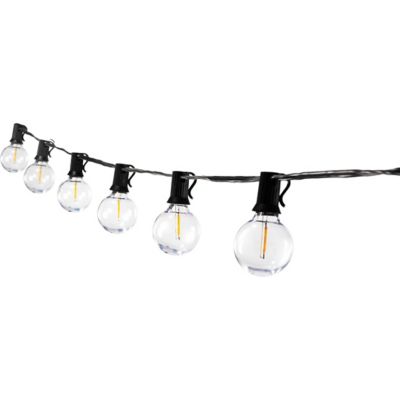
Miniature Christmas lights bring a soft holiday glow to the places where folks gather, from a living room tree to the porch that welcomes family home after dark. Their small bulbs tuck between evergreen branches, trace a window frame, and add sparkle to a mantel without hiding the greenery, ribbons, or keepsakes around them. That smaller scale is part of their appeal: a strand can look right at home on a little tabletop tree or become part of a much bigger display along a farmhouse porch. Warm white lights lend a mellow glow to wood trim and natural greenery, while cool white lights create a crisp look against snowy branches and painted railings. Multicolor strands bring a cheerful mix that suits family trees filled with ornaments collected over the years. Bulb spacing matters as much as color. Closely spaced lights create a fuller ribbon of light, while wider spacing leaves more room for the branches and other accents to show through. Wire color also changes the finished look, with green blending into evergreen foliage and white sitting more quietly against light trim. Miniature refers to bulb size, not strand length, so these lights can suit both small indoor touches and longer holiday displays. They make sense for apartment dwellers with a narrow tree, families lighting a front room, and folks dressing up a covered entry for Christmas visitors. A strand can also be a thoughtful addition to a holiday gift for someone celebrating in a new home, especially when its power source and intended setting fit the space. As the days grow shorter, these little points of light help a familiar room feel ready for Christmas without taking it over. A simple, steady glow often feels just right beside a favorite chair, across a kitchen window, or around the tree where everyone sets their gifts.
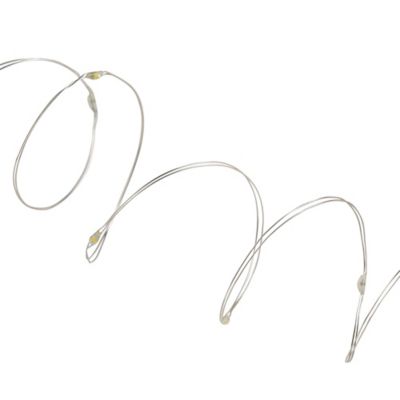
The way miniature Christmas lights are built makes a difference in how they fit into a display and hold up through repeated holiday seasons. Traditional incandescent mini bulbs have a familiar glow, while LED versions generally draw less electricity and give off less heat. Neither type should rest against heat-sensitive materials unless the light manufacturer's directions permit that placement. Depending on the design, bulbs may have glass or plastic coverings, and the sockets and insulated wiring need gentle handling whether the strand goes around a tree or along a railing. Some light sets have replaceable bulbs; others have sealed construction, so repair options vary. Matching the light color across several strands is worth a little attention, too, because two sets labeled white can still look different side by side. For a tree that stands in front of a window, even coverage around the visible sides usually looks more finished than concentrating every bulb at the front. Along a mantel or doorway, the distance from the outlet to the first bulb can determine whether the lit section starts where it belongs. Total strand length and lighted length are not always the same, and extra cord should have a safe place away from walkways, pets, and small children. Plug-in lights suit displays near a suitable outlet, while battery-powered designs can fit smaller arrangements where a trailing cord would get in the way. Battery boxes still need an accessible spot for changing batteries and operating controls. Timers and lighting modes can add convenience when those features are part of the light set, though a steady setting may be preferable near seating areas or bedroom windows. For larger displays, the manufacturer's connection limit matters more than how many plugs will physically join together. That limit can differ between light types and designs. Properly rated extension cords, sound outlets, and cord placement clear of doors and pinch points help keep the display practical for a busy household. The best fit is a light set whose length, power needs, and construction match the job without stretching the wiring or making everyday movement awkward.
Outdoor miniature Christmas lights have a different job from strands tucked around an indoor tree. Porch rails, shrubs, entry posts, and yard displays face moisture, wind, and changing temperatures, so the lights and every electrical accessory need a rating for the setting. A roof overhead does not turn a damp porch into an indoor space. Outdoor receptacles should have ground-fault circuit interrupter protection, and connections need protection from standing water and snow according to the equipment instructions. Light clips suited to the mounting surface help keep strands in place without staples or nails passing through the insulation. Around a working property, thoughtful placement also leaves gates, handrails, and paths clear for chores that carry on after sundown. Strands belong beyond the reach of livestock and pets that might chew a wire or pull at a hanging loop. Where an outlet is far from a fence line or garden edge,
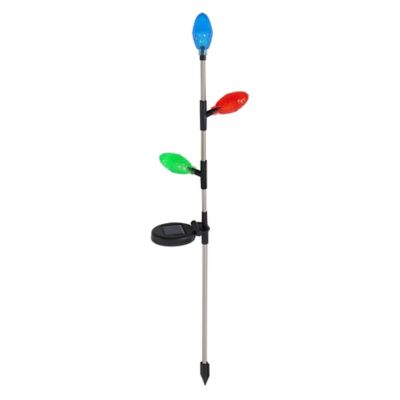
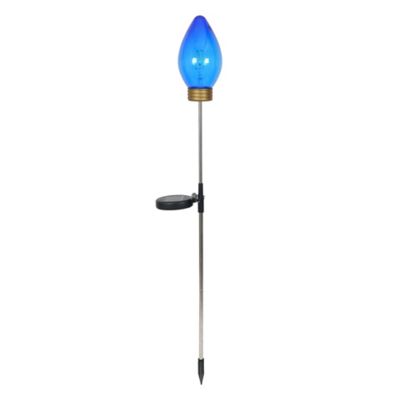
Solar Christmas Lights offer another power option, with performance depending on the panel's sunlight exposure, battery capacity, and weather. A sunny charging spot matters even when the lights themselves sit in shade, and shorter winter days can affect how long they shine. Whatever the power source, a little care between seasons helps preserve the wiring and keeps next year's setup from becoming a tangle. Before each display goes up, cracked sockets, loose connections, and damaged insulation are reasons to stop and follow the manufacturer's replacement guidance. Unplugging strands before handling bulbs or taking them down keeps those tasks safer. Once outdoor lights are dry, loose coils around a reel or a sturdy piece of cardboard help prevent tight bends and snarls. A dry storage spot away from rodents, excess heat, and heavy boxes protects the small parts that are easy to overlook. With the right fit and sensible handling, miniature Christmas lights can bring a welcoming glow to holiday suppers, family visits, and quiet evenings at home, whether the display fills the front yard or simply frames the kitchen window.