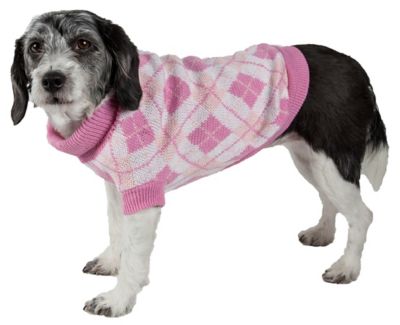
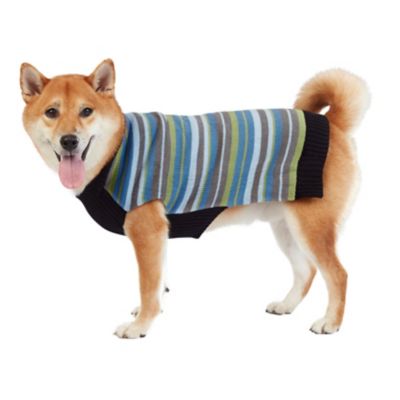
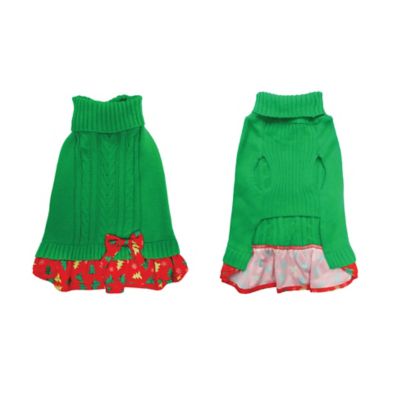
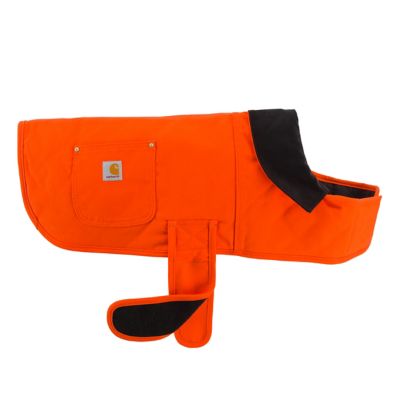
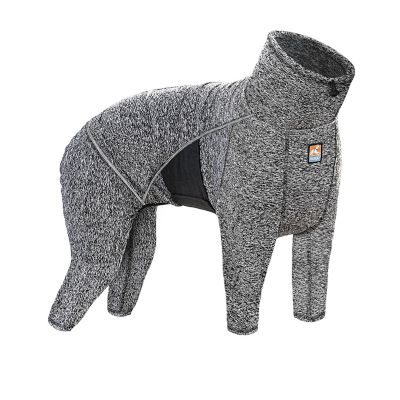
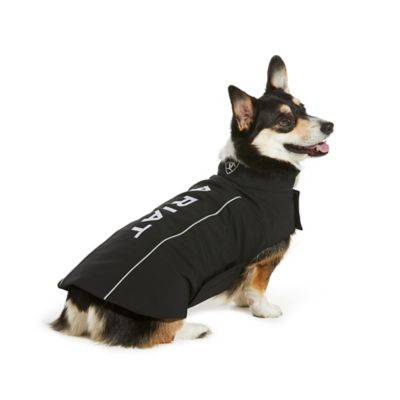
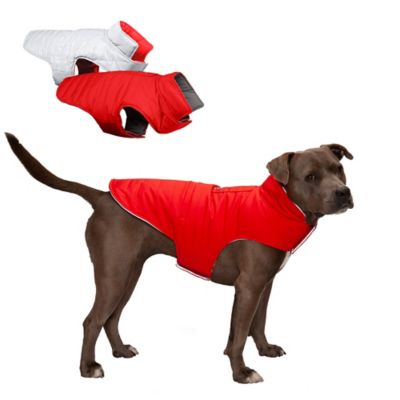
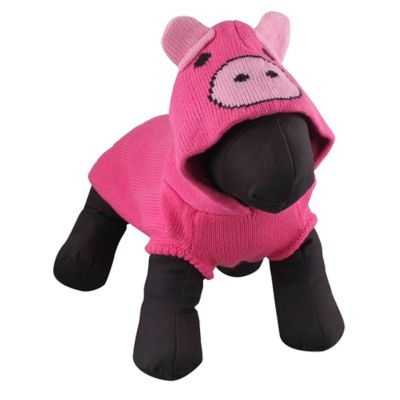
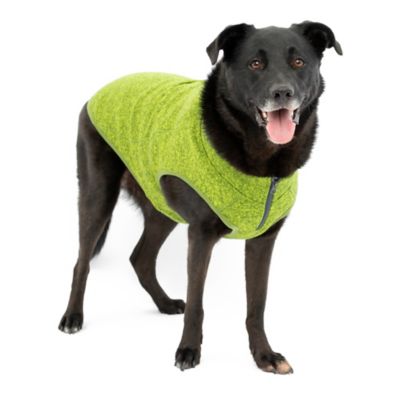
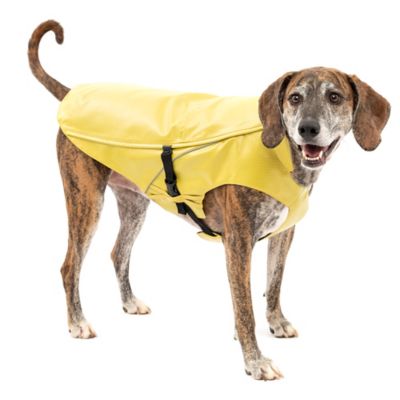
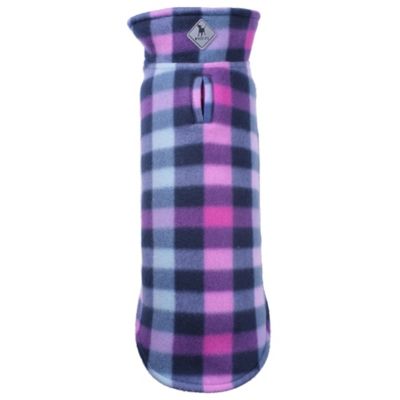
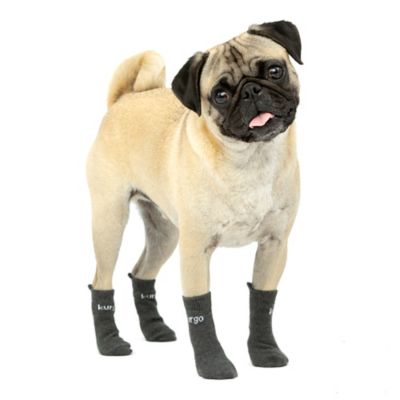
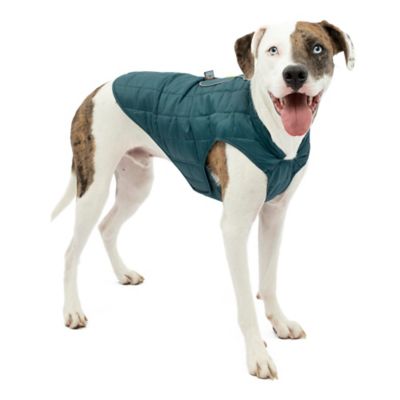
Chihuahua clothes bring a little personality to everyday outings, family pictures, and time spent close to home, but comfort matters more than any print or trim. These little dogs can have very different builds, from slender legs and narrow shoulders to broader chests and compact bodies. That makes clothing proportions especially important: an outfit that looks small enough on the hanger may still hang too far over the tail or pull across the front legs. Clothing made with a small dog’s frame in mind leaves room for the ordinary business of being a dog—sniffing along the fence, curling up beside a favorite person, and stretching out after a nap. Soft knits, cotton blends, and smooth jersey fabrics can offer an easy feel for everyday wear, while flexible ribbing around openings helps fabric sit neatly without a stiff edge. Stretch can be helpful, though it should support an easy fit rather than make up for a garment that is too small. Fabric weight, seam placement, and the shape of the chest panel all influence how clothing feels once a dog starts moving. A Chihuahua with a close, short coat may be more sensitive to rough seams against the skin, while a longhaired Chihuahua benefits from smooth interiors and closures that do not catch the coat. Simple stripes, cheerful prints, and solid colors each bring a different look without needing a lot of extra trim. For a dog that tags along on errands or settles into a lap during a family visit, a lightweight garment with little fuss can be a better match than an elaborate outfit. The best-looking clothing is still clothing a dog can wear comfortably, with ears, eyes, legs, and tail free to move. Some Chihuahuas take to dressing up easily; others are happier with less coverage or no clothing at all. Their comfort should set the pace, whether the occasion is a quick photo on the porch or a visit with friends.
Fit is where Chihuahua clothes need the closest attention, especially because size labels can differ between clothing makers. A size marked extra small does not tell the whole story, and body weight alone cannot account for a deep chest, a short back, or a thicker neck. Chest girth, neck circumference, and back length give a clearer picture when compared with the garment’s own sizing chart. Chest measurements generally follow the fullest part of the rib cage, while back length typically runs from the base of the neck to the base of the tail; the maker’s measuring directions should always take priority. Enough ease around the chest allows natural breathing and movement, but excess fabric can bunch beneath the belly or slip around the shoulders. Leg openings deserve just as much attention. A Chihuahua should be able to walk, sit, and lie down without an opening rubbing behind an elbow or a sleeve catching a paw. Belly coverage also needs to leave a clear path for bathroom breaks, which can make the underside cut as important as the length across the back. Pull-on designs avoid fastening hardware but need an opening that passes comfortably over the head. Wraparound closures can make dressing simpler for some dogs, provided the fastening surfaces sit away from skin and loose hair. Smoothly covered zippers and securely attached snaps can help keep hard edges from pressing against the body. Clothing worn with a harness needs enough room for the harness to sit as its maker intends, without thick folds beneath the straps. An opening for a leash connection should line up with the harness attachment point; the clothing itself is not a substitute for walking equipment unless it is specifically designed and rated for that purpose. For households with more than one little companion,
Dog Clothes For Small Dogs offers a broader clothing category to consider alongside each dog’s measurements and build. Even dogs of the same breed may need different sizes or cuts, so a shared wardrobe is not always the most comfortable arrangement.
Everyday care makes a real difference in how dog clothing holds its shape and feels against the coat. Machine-washable fabrics can simplify cleanup after a dusty walk down the lane or a snack that leaves its mark, but washing and drying directions vary by material and construction. Cotton-rich fabrics may shrink with heat, stretchy blends can lose their shape with improper care, and attached trim may call for a gentler wash cycle. Following the care label helps protect the fit that mattered so much at the start. Fastening closures before laundering can reduce snagging, and checking seams afterward can catch loose threads before a curious dog gets hold of them. Clothing should be fully dry before it goes back on, with no lingering grit, soap residue, or tangled hair inside. For frequent wear, neatly finished seams, reinforced attachment points, and fabric that stands up to repeated washing matter more than extra flourishes. Raised details, dangling ties, and loose attachments can invite chewing, particularly with puppies or dogs that investigate everything with their mouths. A simpler design often means fewer distractions and easier upkeep. Clothing is best worn with supervision and taken off if a dog freezes, repeatedly scratches at it, chews the fabric, or changes the way it walks. Outfits should also come off before crate time or being left alone, when fabric or fasteners could catch without anyone nearby to help. For gifting, Chihuahua clothes can be a thoughtful pick for a family member who enjoys taking pictures of a much-loved pet or bringing that little companion along to gatherings. Current measurements and the owner’s preferences make a clothing gift more practical than guessing a size from a photograph. An easy-care fabric, a straightforward closure, and a cut that suits the dog’s routine give the gift a better chance of becoming part of everyday life. Whether the look is playful or plain, well-fitting Chihuahua clothes leave the dog’s own big personality front and center.