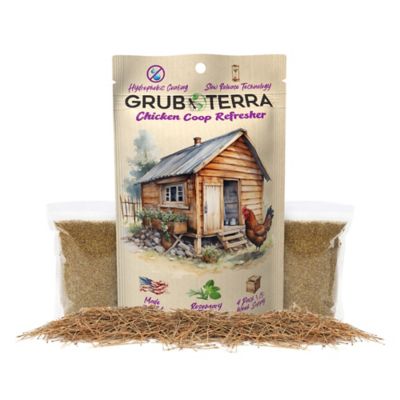
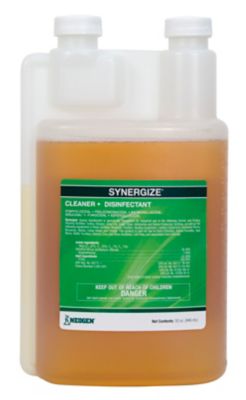
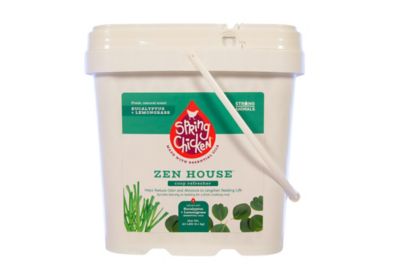
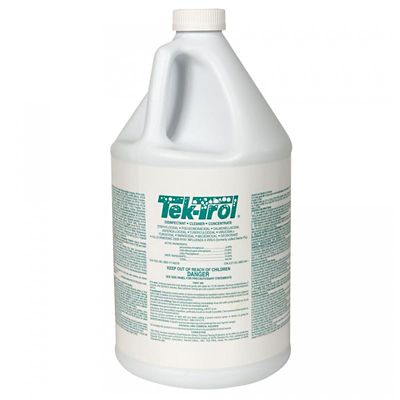
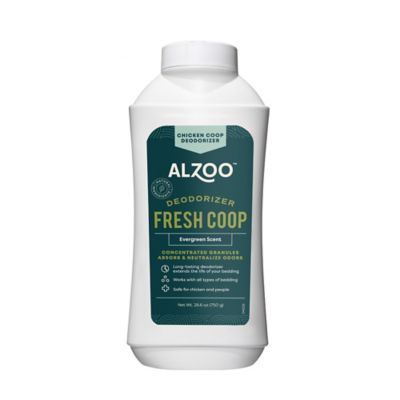
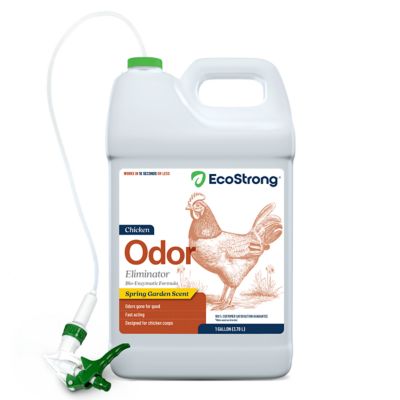
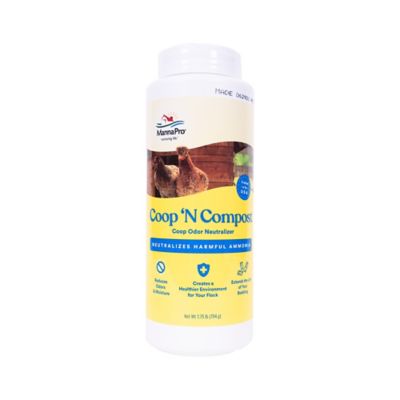
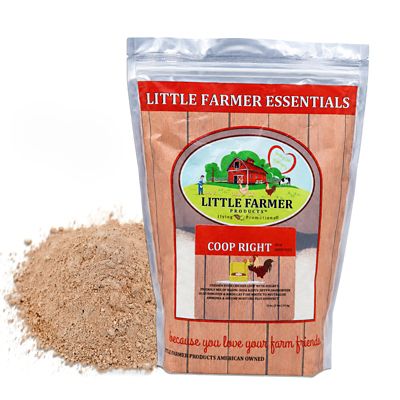
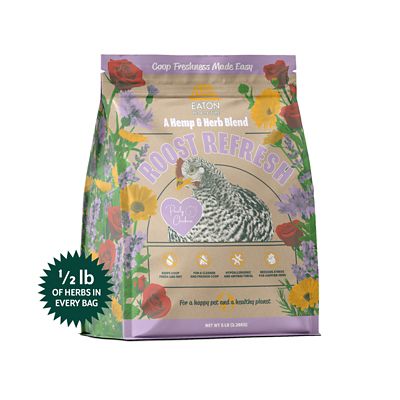
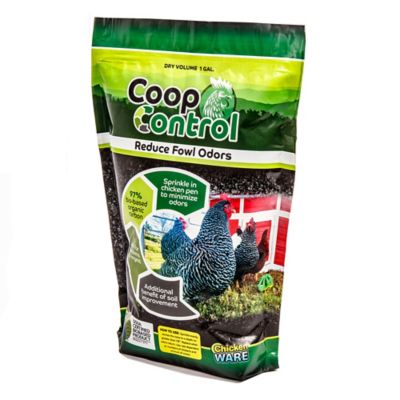
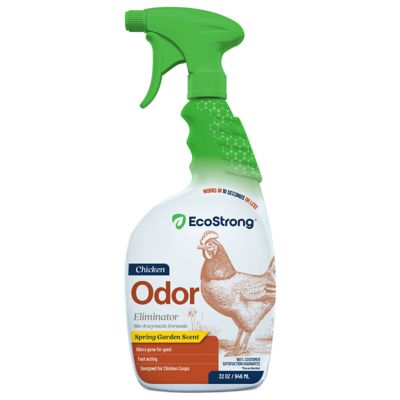
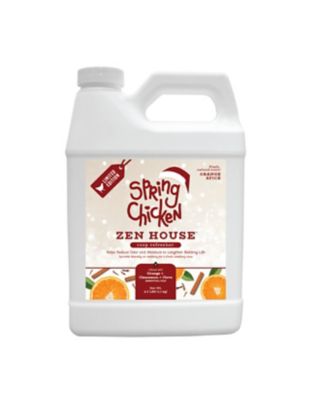
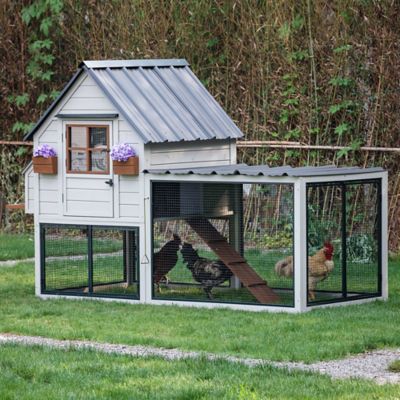
Keeping a chicken coop clean is one of the simplest ways to support a healthy backyard flock, and the right disinfectant can make routine chores more effective. Chicken coop disinfectants are made for cleaning hard surfaces where manure, spilled feed, mud, and moisture can leave behind unwanted bacteria, viruses, and fungi. They can be useful for chicken keepers with a small backyard flock, hobby farmers, 4-H families, homesteaders, and anyone setting up a brooder, quarantine area, nest box, or transport crate. Before using any disinfectant, move chickens, ducks, and other animals to a clean, well-ventilated holding area. Remove all bedding, feathers, feed, and loose debris, then sweep or scrape the floor, roosts, nesting boxes, doors, and corners. Disinfectants work best on surfaces that have already been washed, since a layer of manure or caked-on dirt can keep the solution from reaching the surface underneath. Soap and water are useful for lifting grime, while a poultry-safe disinfectant can provide the next step for reducing germs after physical cleaning. Follow the label for the correct dilution, application method, required contact time, and whether rinsing is needed. More concentrate is not always better; using too much can leave residue, damage certain materials, or create stronger fumes without improving results. Give cleaned areas plenty of time to dry before replacing bedding or returning the flock. A dry coop is easier to maintain and generally less inviting to the damp conditions that contribute to odor and poor air quality.
When comparing chicken coop disinfectants, start by thinking about the surfaces and the job at hand. Sealed plastic, glazed metal, and finished surfaces may be easier to wash than unfinished wood, which can hold moisture and organic material in its grain. Look for directions that clearly explain whether the product is intended for poultry housing, environmental surfaces, equipment, or general farm use. Check the label for information about bacteria, viruses, fungi, odor control, dilution rates, storage, and safe handling. Some formulas are designed for broad environmental sanitation, while others help break down organic residue or control ammonia odors as part of regular coop maintenance. Gloves, eye protection, boots, and good airflow are sensible precautions, especially in a small enclosed coop. Never mix disinfectants with bleach, ammonia, acids, soaps, or other cleaners unless the label specifically says the combination is safe. Keep chickens away during cleaning, and avoid spraying birds, feed, waterers, eggs, or nesting material unless the product label expressly allows that use. For everyday upkeep, a mild soap-and-water wash may be enough for lightly soiled equipment, while a labeled poultry disinfectant is a better choice after deep cleaning, before bringing new birds home, after illness, or when rotating birds through a brooder or isolation pen. A diluted white vinegar solution is sometimes used for light cleaning and odor freshening, but it should not be treated as a replacement for a poultry-specific disinfectant when disease control is the goal. If a flock has been exposed to a confirmed illness, ask a veterinarian or local extension professional which sanitation steps are appropriate, since different organisms may require different products, contact times, and follow-up procedures.
A practical cleaning routine can make this job feel less like a major chore. Many chicken keepers do a quick check each day, remove wet bedding and obvious manure, scrub waterers before slime builds up, and refresh feed areas when they become dusty or damp. A deeper clean may be needed on a regular schedule or whenever the coop smells strongly of ammonia, bedding stays wet, rodents or wild birds have gotten inside, or a new bird is being introduced. During the cooler months, pay close attention to ventilation and drying time. It is tempting to close every opening when the air turns cold, but stale, damp air can settle inside the coop and create problems of its own. Clean during a mild, dry stretch when possible, leave doors and vents open while surfaces dry, and make sure bedding is fully dry before the flock comes back in. Anyone putting together a useful gift for a new chicken keeper can pair coop disinfectant with washable boots, gloves, a stiff scrub brush, replacement bedding, or a dedicated bucket for poultry chores. For broader flock-care needs, explore
Backyard Poultry Biosecurity Supplies, including items that help keep tools, footwear, housing, and handling areas separated from the rest of the farm. Whether you are caring for three hens behind the shed or a larger group on a working property, a clean coop, fresh bedding, dry surfaces, and careful product use all work together to help maintain a comfortable home for the flock.