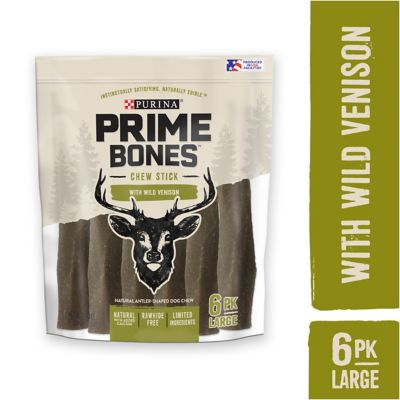
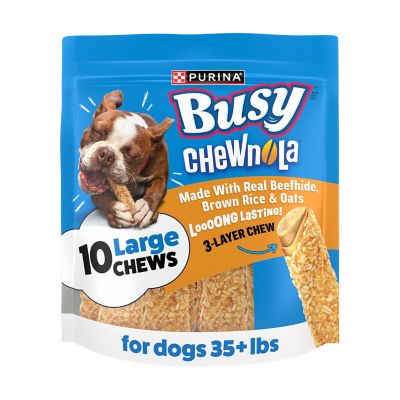
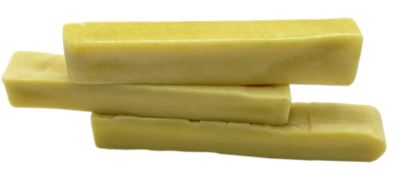
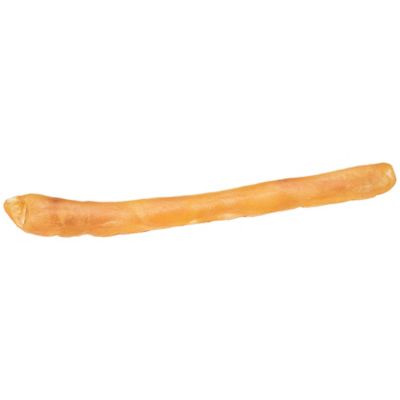
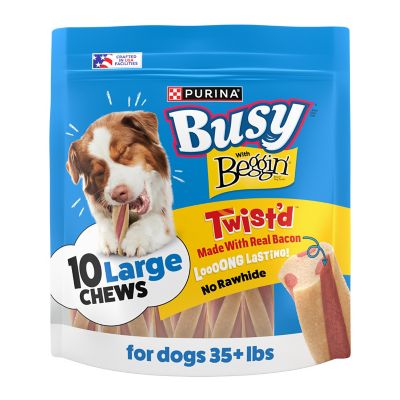
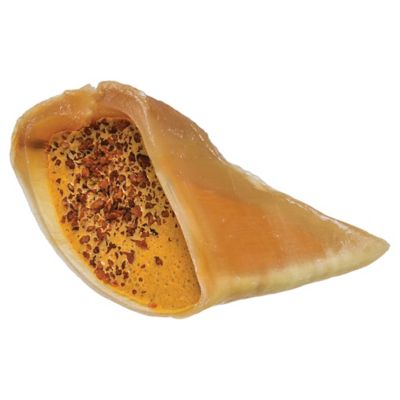
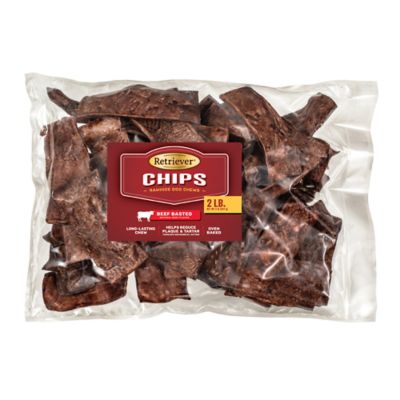
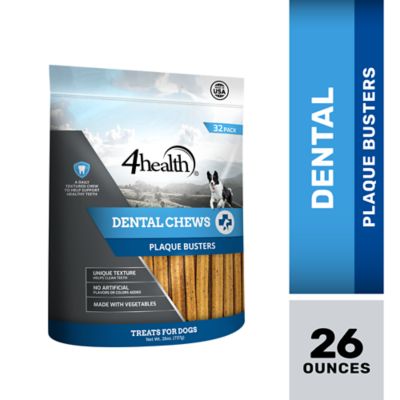
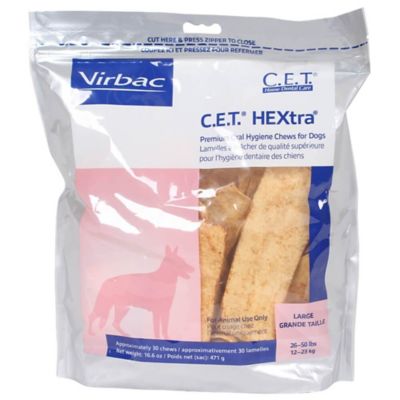
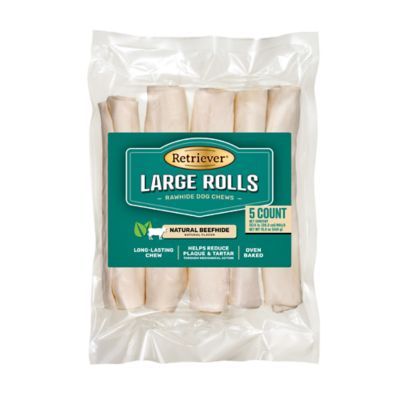
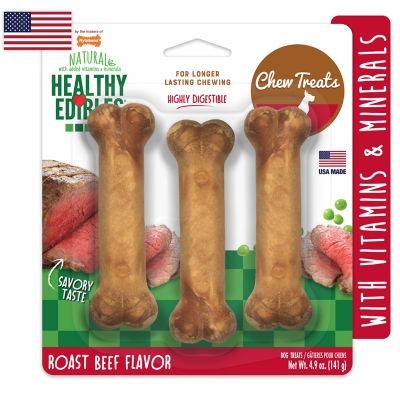
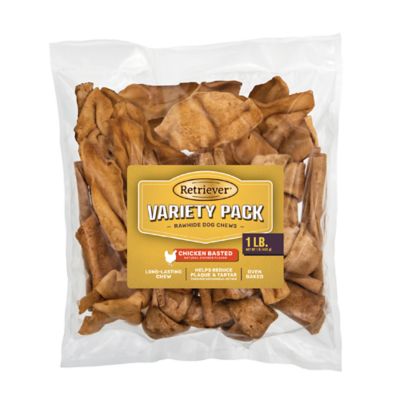
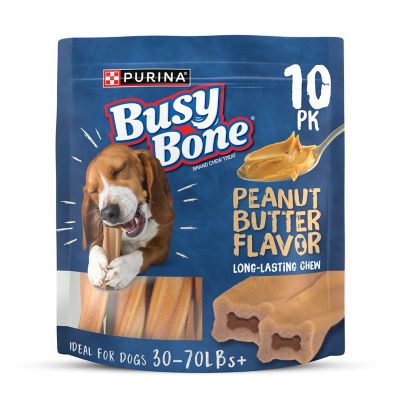
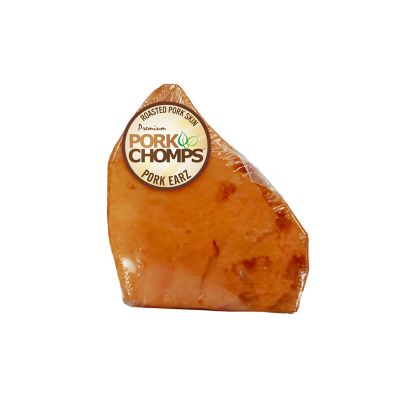
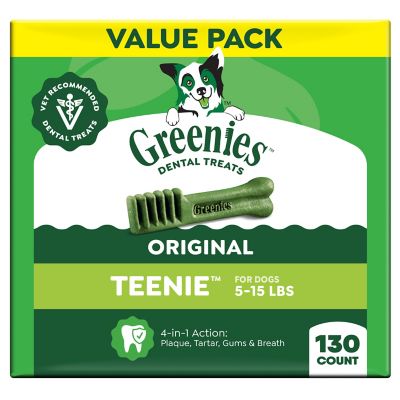
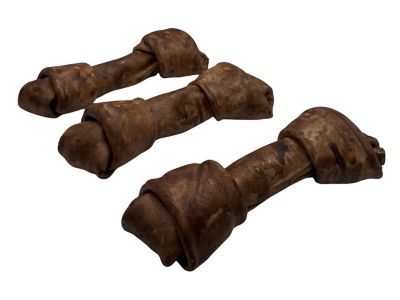
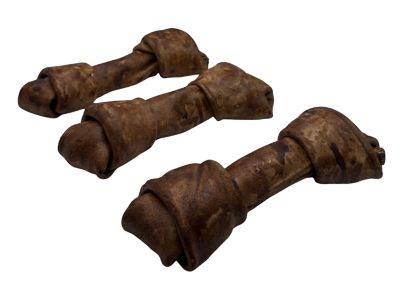
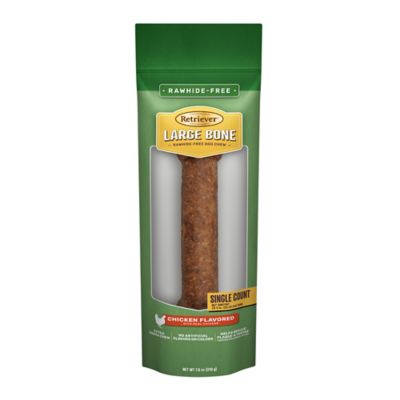
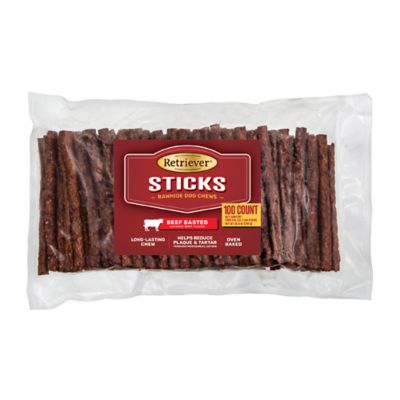
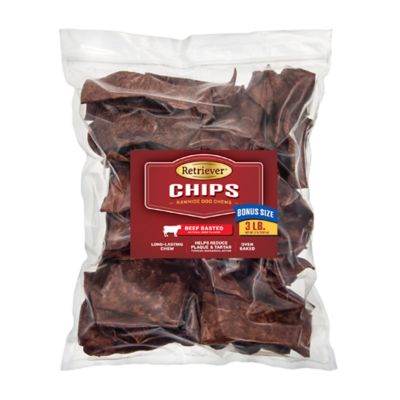
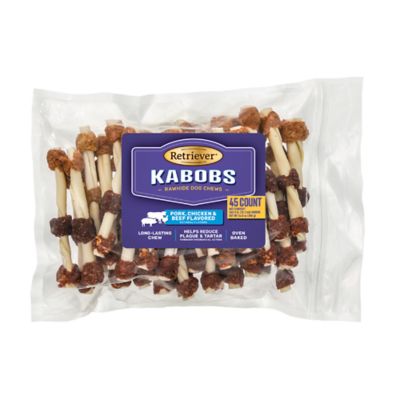
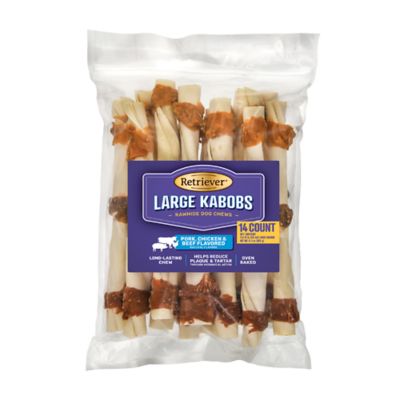
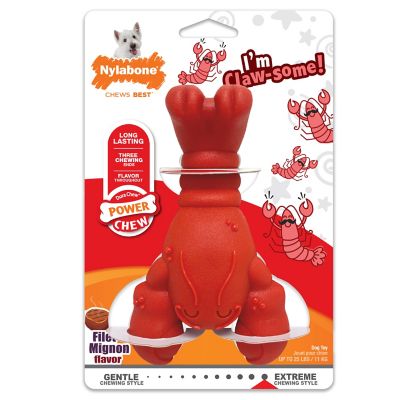
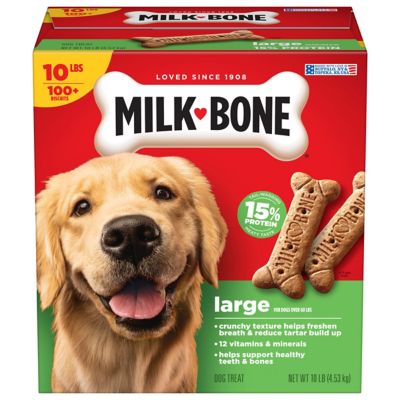
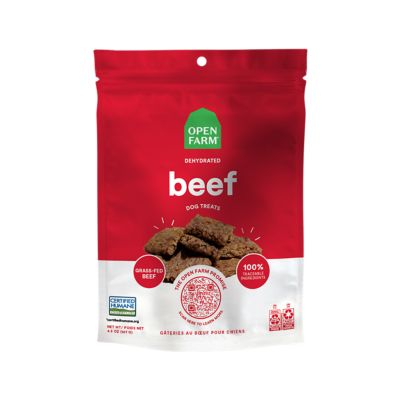
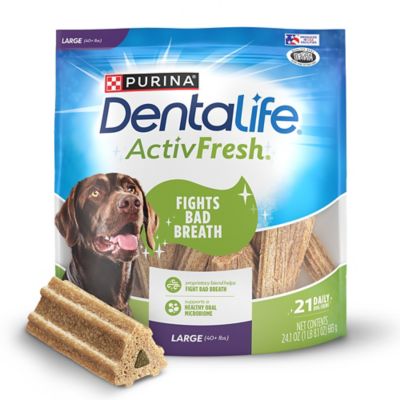
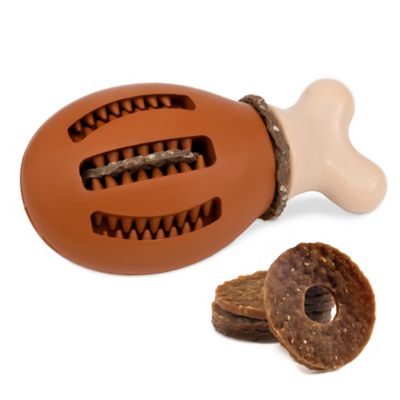
Dogs with strong chewing habits need treats made for more than a quick bite. A heavy-duty chew can give a determined pup something satisfying to work on while helping pass the time during quiet afternoons, long evenings, or indoor days when the weather keeps everyone close to the house. Look for options made from dense, durable materials and choose a size that matches your dog’s weight, jaw strength, and chewing style. Extra-thick bully sticks, beef cheek rolls, yak milk chews, beef trachea, hooves, and other long-lasting animal-based treats are popular choices for dogs that finish ordinary snacks in a few minutes. Single-ingredient chews can be a handy pick for pet parents who want a simpler ingredient list, while limited-ingredient options may work well for dogs with known food sensitivities. Always read the package details for the protein source, added ingredients, calorie information, and feeding recommendations. A chew that keeps a large dog occupied may be too much for a small dog, while a thin or undersized treat may disappear quickly or create a swallowing hazard for a powerful chewer. In general, choose a piece that is noticeably larger than your dog’s mouth and difficult to fit fully between the jaws. Dogs that enjoy settling on the porch as the air cools, stretching out beside a barn door, or curling up near the family during the cooler months can all benefit from having an appropriate chew in their routine. These treats can also make a practical gift for a new puppy owner, a friend with a working dog, or anyone bringing home a dog known for turning toys and snacks into a pile of scraps before supper.
Supervision matters every time a dog receives a long-lasting chew, even when the treat is labeled for aggressive or heavy chewers. Stay nearby and watch for cracked pieces, sharp edges, loose fibers, or chunks that could be swallowed. As the chew gets smaller, take it away before your dog can gulp down the remaining end. Keep an eye on the way your dog works through the treat: some dogs methodically gnaw at one side, while others clamp down and try to break off large pieces. If your dog tends to swallow treats whole, choose a larger format, offer shorter chewing sessions, or talk with your veterinarian about safer options. Water should be available, and treats should fit into the dog’s overall daily food intake so extra calories do not quietly add up. Chews are meant to supplement regular meals, not replace a balanced diet. Dental claims also deserve a careful look. A textured chew may help rub against some tooth surfaces, but it is not a substitute for regular veterinary dental care, brushing, or professional cleaning. Extremely hard items, including some antlers, horns, and very dense bones, can damage teeth when a dog bites down with force. A useful rule of thumb is to avoid any chew that will not give slightly under pressure and to ask your veterinarian if your dog has worn, broken, or sensitive teeth. For dogs with allergies or delicate stomachs, introduce a new protein gradually and stop using it if you notice vomiting, diarrhea, itching, swelling, or other unusual signs. Proper storage is just as important as choosing the chew itself. Keep unopened treats in a cool, dry place, follow the package directions after opening, and discard anything that develops an off smell, mold, or an unusual texture.
Finding the right match may take a little observation. A young, energetic dog that shreds plush toys and carries sticks from the yard may enjoy a dense chew that offers a longer project, while an older dog may need a gentler texture that is easier on aging teeth and gums. Large breeds and dogs with broad, powerful jaws often need larger chews, but size alone does not determine durability; chewing style, age, health, and experience all matter. A moderate chewer may do well with a rolled treat or softer textured option, while a dog that works through every snack in record time may need an extra-thick version and carefully timed chewing sessions. Rotate suitable options instead of leaving one treat available all day, and give the chew in a clean area where you can inspect it easily. A washable mat, kennel-safe space, or shady spot outdoors can help keep crumbs and small pieces contained, especially when the family is enjoying the yard during warm weather. For additional ideas sized with bigger dogs in mind, browse
Dog Chews For Large Dogs. Whether you are filling a gift basket for a dog-loving neighbor, rewarding a hard-working farm dog after a busy day, or giving your own companion a relaxing activity while chores are finished, a well-chosen chew can become a welcome part of the routine. Select thoughtfully, supervise closely, and replace treats as soon as they become small enough to swallow.