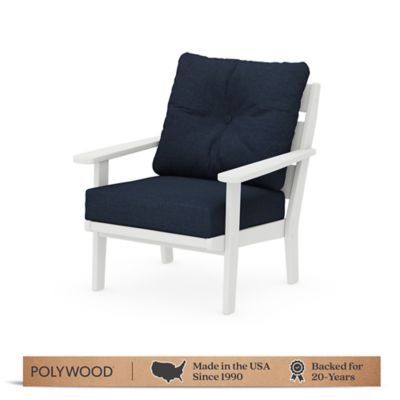
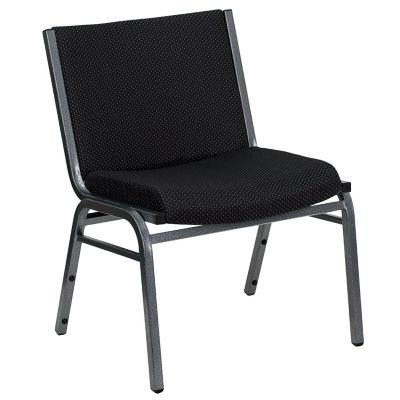
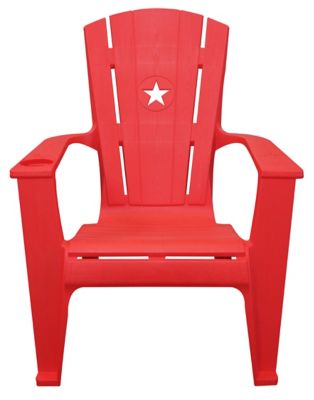
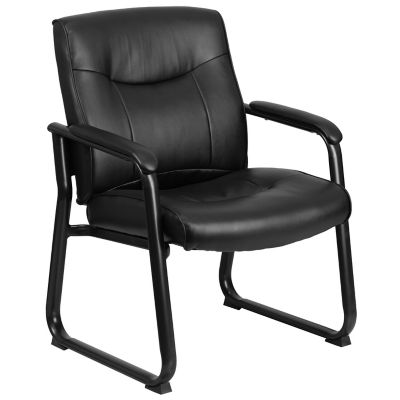
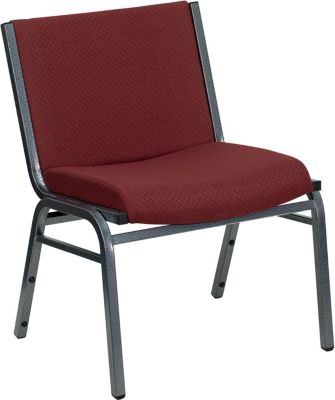
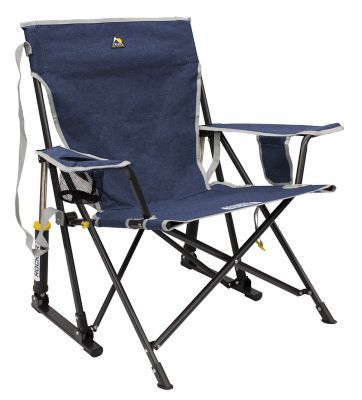
Chairs for tall people offer seating proportions that give longer legs, taller torsos, and higher shoulders room to settle in. The most helpful features are a suitable seat height, enough seat depth to support the thighs, and a backrest that reaches the right part of the back. Those details matter whether the chair sits behind a desk in the farm office, beside the kitchen table, or out on the porch for a break after chores. A chair can look roomy and still sit too low, leaving long legs folded up and knees well above the hips. Another may have a tall back but a shallow seat that provides little support beneath the thighs. Overall chair height tells only part of the story; seat height, usable seat depth, backrest height above the seat, and armrest spacing give a clearer picture of fit. For upright seating, a comfortable starting point is feet resting flat on the floor, knees near hip level, and a little space between the seat edge and the backs of the knees. A gap of roughly two to three finger widths can help keep the front edge from pressing into the legs while allowing the back to meet the backrest. Taller people do not all have the same proportions, either. Someone with long lower legs may need more seat height, while someone with a long torso may benefit more from a taller back and an adjustable headrest. Extra width is a separate consideration rather than a requirement for every tall person. Chairs described as big and tall may offer both additional room and a higher weight capacity, but those features do not automatically make the seat height or depth a good match. The best-fitting proportions leave room to move without making the person sit forward, reach for the armrests, or perch on the front edge.
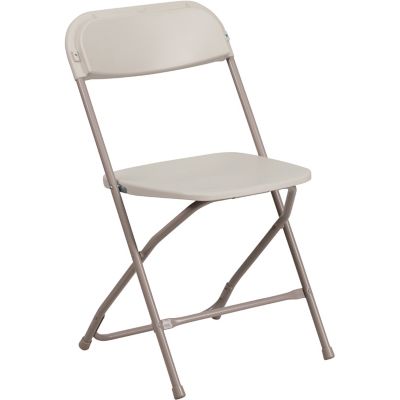
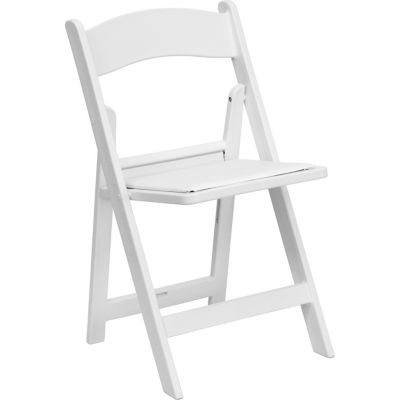
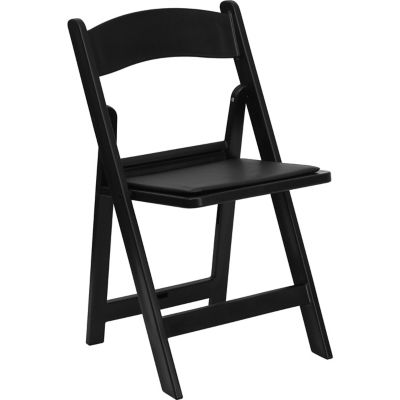
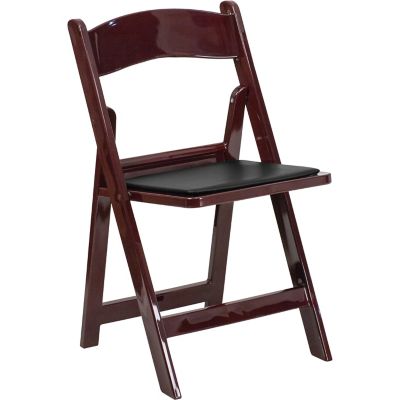
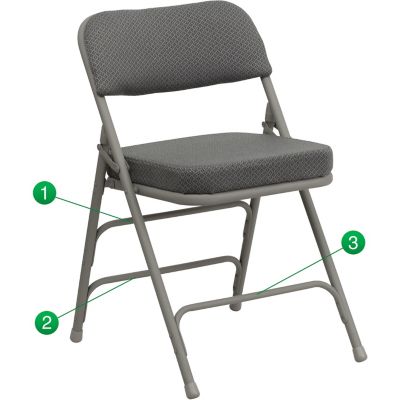
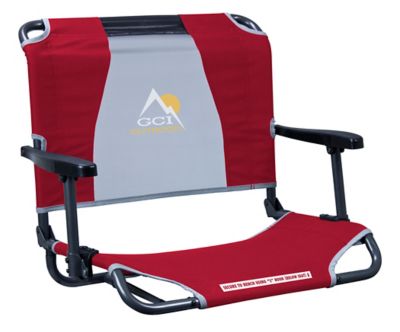
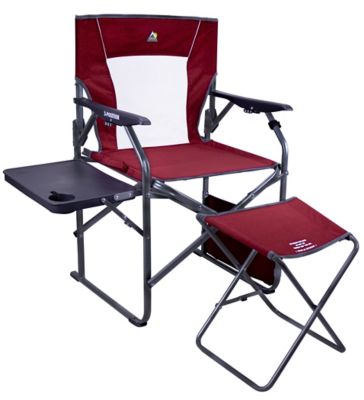
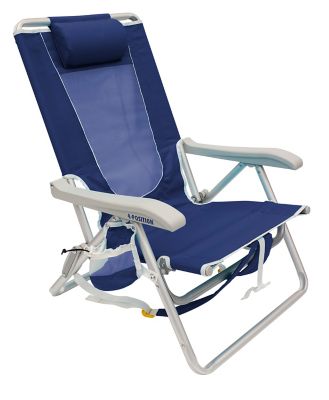
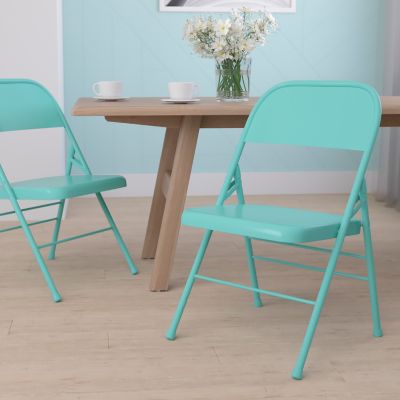
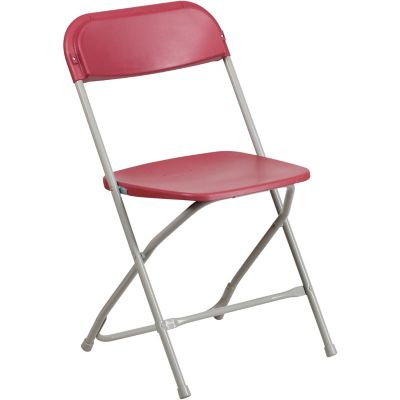
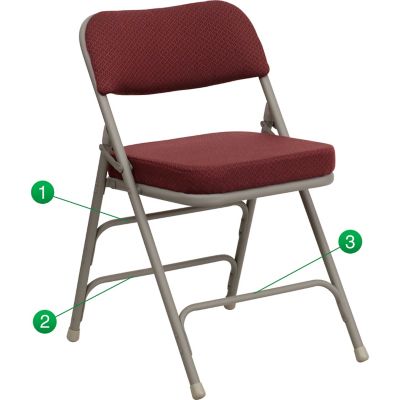
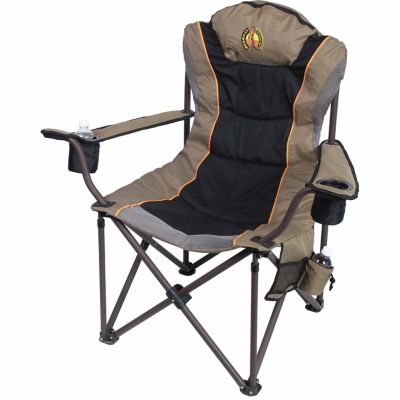
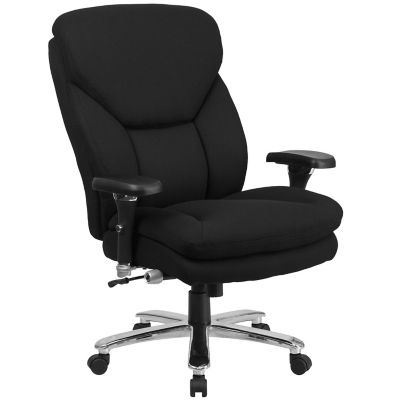
Different seating styles bring different features to the job. At a desk, adjustable seat height and seat depth allow more flexibility than a fixed frame, especially when several people share the same workspace. Lumbar support should meet the natural inward curve of the lower back rather than push against the hips or land halfway up the torso. An adjustable backrest or lumbar section can help accommodate that difference. A headrest, when included, should reach the head or upper neck comfortably without pushing the chin forward. Armrests work best when they support relaxed forearms without lifting the shoulders, and their height also affects whether the chair can tuck beneath a desk or table. Raising a chair to match long legs can leave a low work surface feeling cramped, so the space beneath the tabletop matters just as much as the seat itself. For a recliner or lounge chair, the relationship between the backrest, seat depth, and leg support becomes more important. A longer footrest can support more of the lower legs, while adequate clearance behind and ahead of the chair allows the reclining mechanism to move freely. Deep cushioning may feel inviting, but it compresses under body weight and can make a seat feel lower than its listed measurement suggests. Firmer cushioning generally changes the sitting height less, though comfort remains personal. Folding and portable seating brings another set of practical details: a seat that is easy to stand up from, a supportive back, a stable frame, and a folded size that fits the storage space or truck bed. For seating where load rating is also a priority,
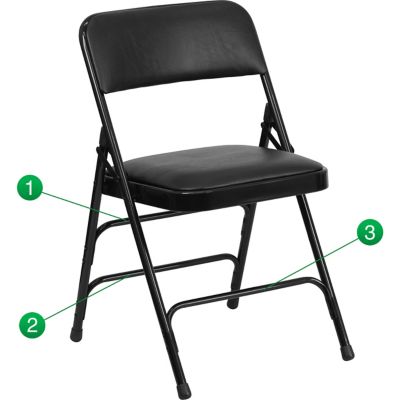
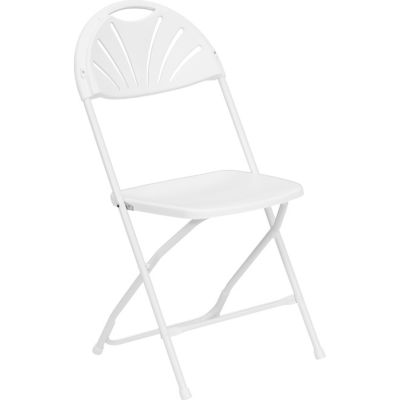
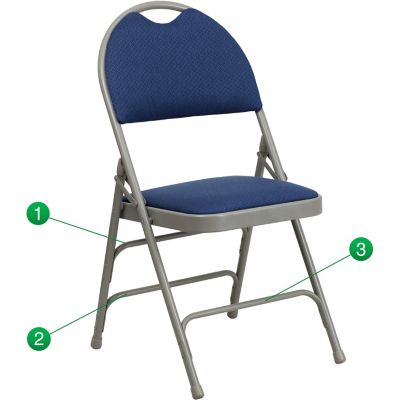
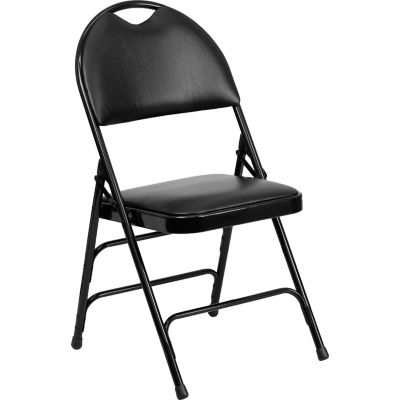
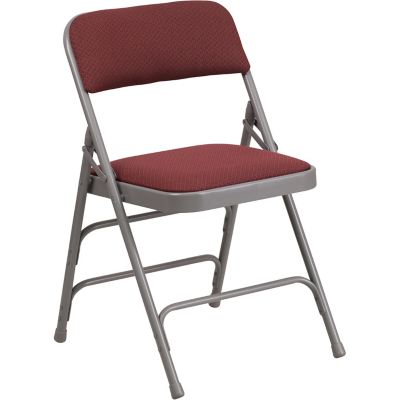
Folding Chairs With High Weight Capacity brings that consideration into focus. A higher weight rating does not establish whether a chair fits a taller frame, so both dimensions and the manufacturer's stated capacity deserve attention. On any chair, the capacity applies to the complete seating structure, not just the strength of the fabric or the thickness of the legs.
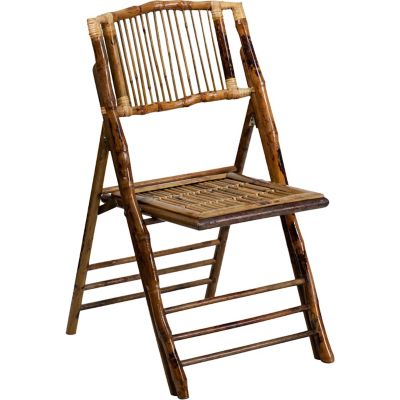
Materials and construction affect how a chair feels through a long stretch of paperwork, a family meal, or a well-earned sit-down. Steel frames often bring heft and a planted feel, while aluminum frames can make portable chairs easier to carry. Wood seating has a firm, substantial character, with comfort shaped by the seat contour, back angle, and any added cushion. Mesh allows airflow and has a different feel from padded upholstery, while woven fabric, coated upholstery, and molded seating surfaces each call for their own cleaning routine. Fabric seat panels on folding chairs may form a sling beneath the sitter rather than hold a flat position, changing both the sitting height and the pressure along the front edge. Padding thickness alone does not tell the whole comfort story; the support underneath and the way the cushion holds its shape matter, too. For chairs that see daily traffic, sound joints, properly fitted hardware, and smooth-moving hinges or adjustment controls contribute to lasting service. Care starts with the manufacturer's directions, including approved cleaners and any limits on moisture exposure. Removing grit from feet and moving parts, blotting spills promptly, and checking accessible fasteners as directed can help prevent small problems from growing. Chairs with cracked supports, bent components, or failing mechanisms should stay out of service until properly addressed. Floor contact also matters: chair feet need a level, firm surface, and rolling chairs need casters suited to the flooring. Beyond the chair itself, enough room to pull back, stretch long legs, and stand without bumping a table makes everyday seating easier. These details are useful for tall adults outfitting a home office, families adding comfortable seating around the house, or anyone choosing a practical gift for a tall relative. For a gift, measurements from a chair the recipient already finds comfortable are more helpful than height alone. A good match feels right in ordinary moments, with feet supported, shoulders relaxed, and enough room to sit back instead of constantly shifting around.