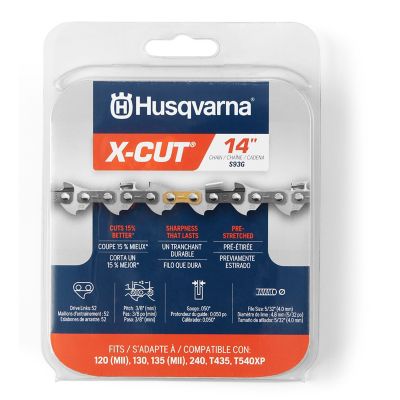
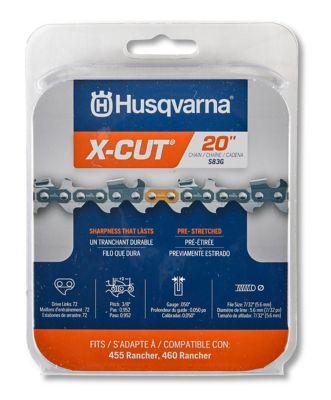
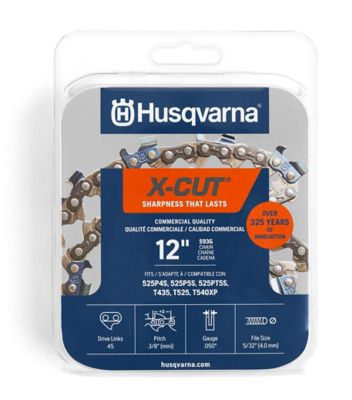
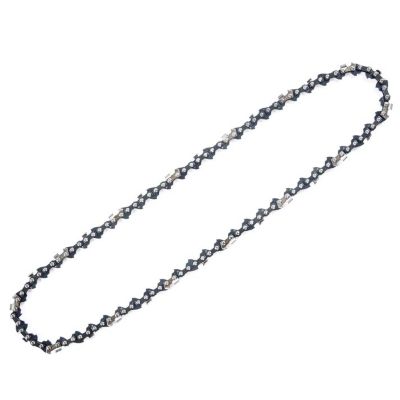
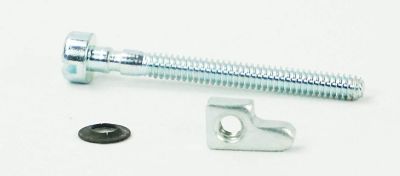
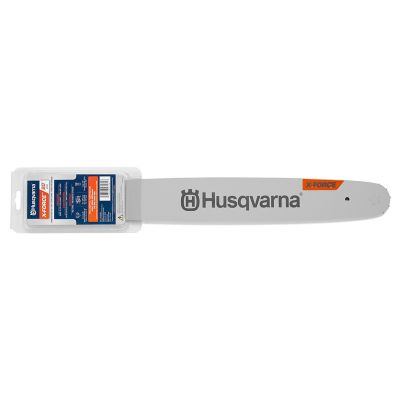
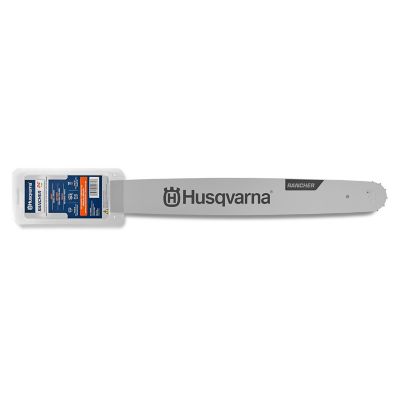
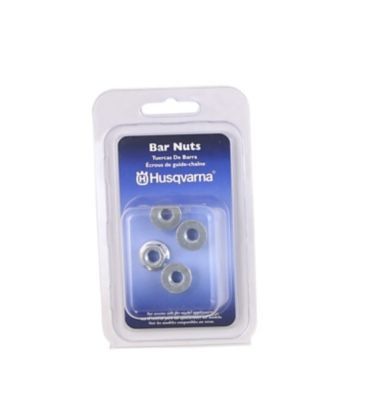
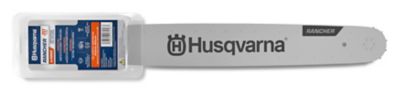
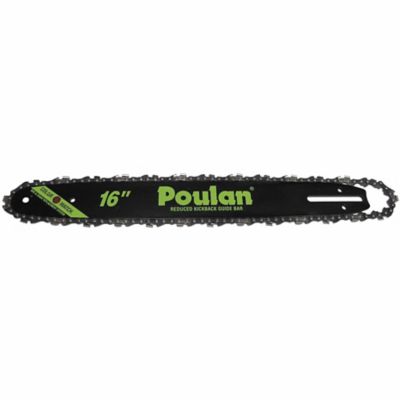
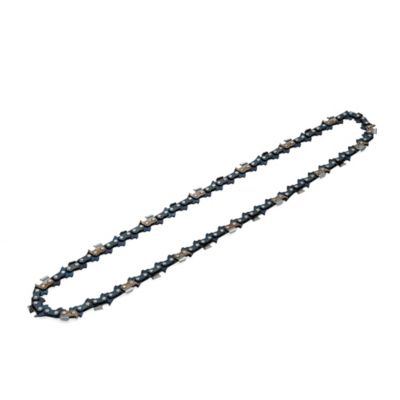
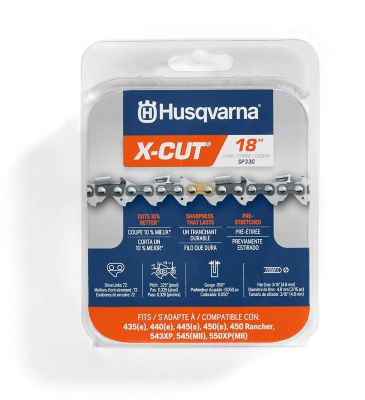
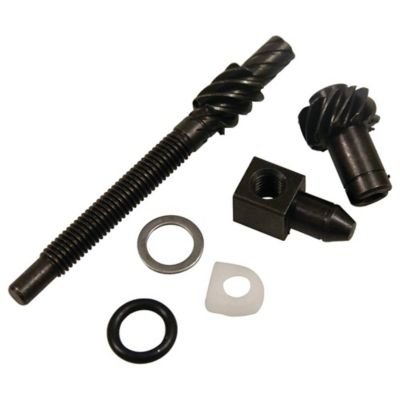
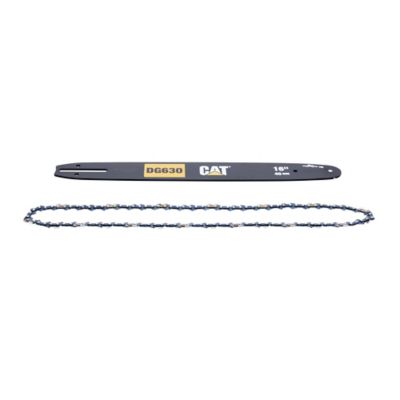
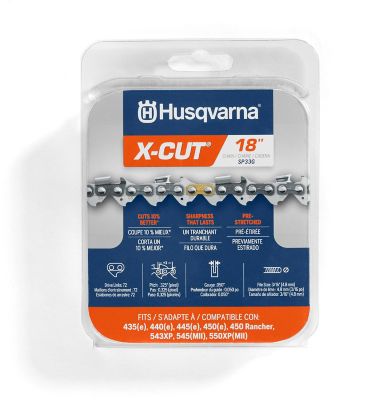
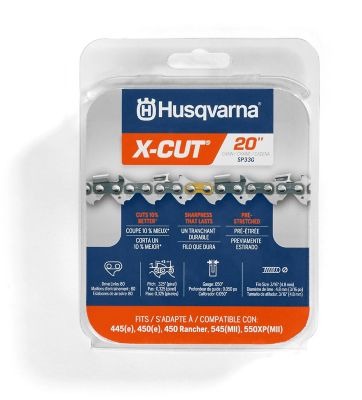
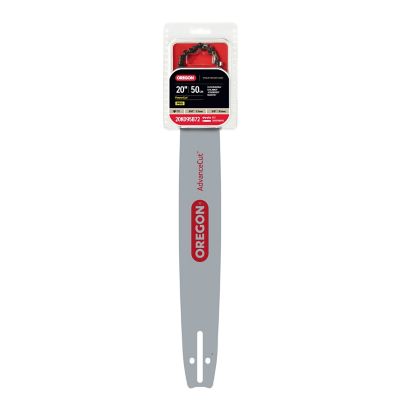
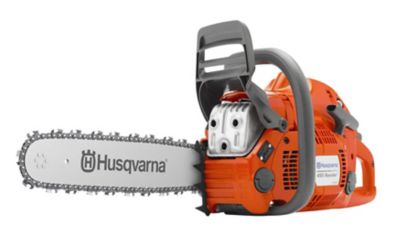
Chainsaw parts support three main systems: the cutting assembly, the power source, and the safety mechanisms. Each system has a part in keeping a saw ready for work, whether that means cutting firewood behind the barn, clearing fallen limbs from a pasture, or trimming timber on a larger property. The cutting assembly includes the guide bar, saw chain, drive sprocket, and chain-tensioning hardware. A guide bar supports the moving chain and provides a groove for its drive links, while the sprocket transfers power to the chain. The chain itself combines cutters that slice wood fibers, depth gauges that control how much wood each cutter takes, drive links, and connecting straps and rivets. Those details matter when comparing replacement chains because bar length alone does not establish a proper fit. Chain pitch, drive-link gauge, and drive-link count must match the saw’s specified cutting setup. Pitch describes the spacing of the chain’s rivets, while gauge refers to the thickness of the drive links that fit inside the bar groove. Guide bars also need the correct mounting pattern, oil-hole placement, and tensioner connection for the saw. A bar that looks close on the shelf may still be wrong for the mounting studs or oiling system. Steel bars and hardened steel chain components face constant friction, wood chips, and contact with sap, so material construction and regular care both affect their working life. Laminated and solid-body bars have different construction, and the suitable choice depends on the saw and its approved applications. Cutter profiles also vary, with designs intended for different cutting conditions and operator experience levels. For a landowner working through a pile of hardwood rounds, a properly matched cutting setup helps the saw feed through the wood without unnecessary forcing. For lighter property work, staying within the manufacturer’s specified bar and chain combinations matters more than fitting the longest bar possible. A longer bar is not automatically a better match for the engine or the job.
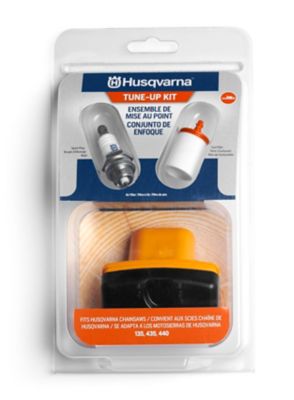
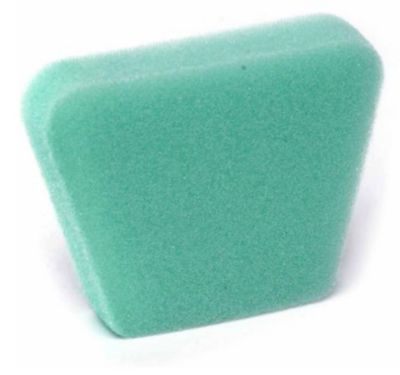
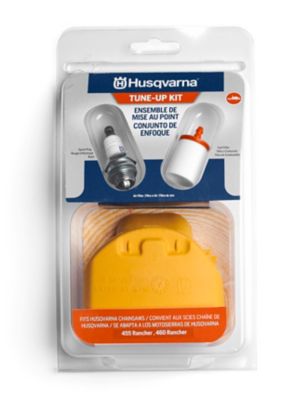
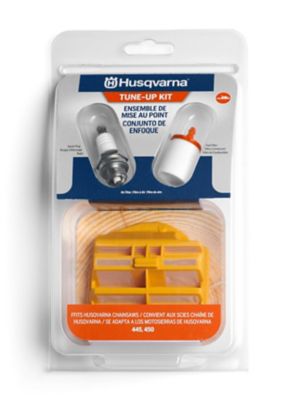
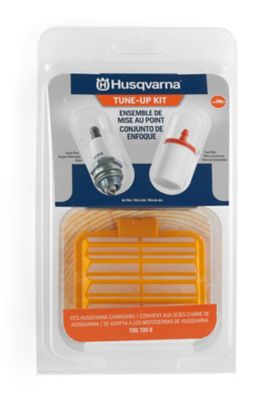
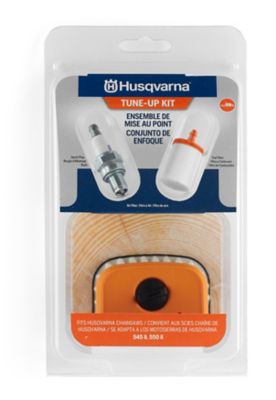
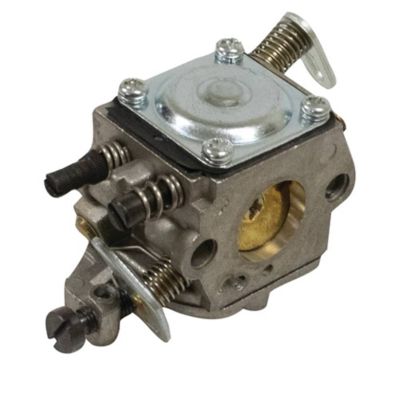
Engine and fuel-system parts handle a different side of the work, especially on gas-powered chainsaws. The piston moves inside the cylinder to turn the crankshaft, while the ignition system supplies the spark that starts combustion. Spark plugs have model-specific requirements for their threads, reach, heat range, and gap, so a similar-looking plug is not enough to establish compatibility. Air filters help keep sawdust and other particles out of the engine’s intake, and their shape, sealing surfaces, and filter material need to suit the saw. A filter that does not seat properly can leave a path for dirt, even when the filter element looks clean. Fuel lines, pickup filters, primer bulbs, gaskets, and intake connections all contribute to fuel delivery and sealing. Their materials need to tolerate the fuel mixture specified by the equipment manufacturer, and replacement hoses must have the correct dimensions and routing requirements. For the part that meters fuel and mixes it with incoming air,
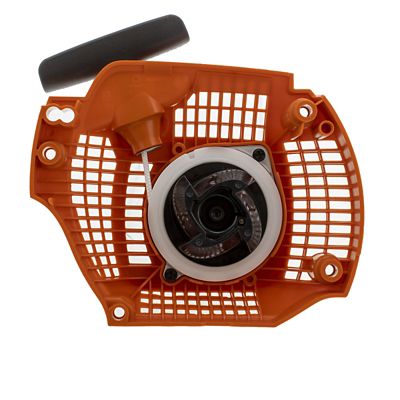
chainsaw carburetors need to match the engine, mounting arrangement, and control connections. Starting trouble, uneven running, or a loss of power can have several causes, so those symptoms alone do not identify which component needs replacement. Model numbers, serial-number ranges, and parts diagrams offer a better basis for choosing engine components than appearance alone. Recoil starter assemblies, starter ropes, pulleys, and springs also vary by saw design. A starter assembly must engage the engine’s starting mechanism correctly rather than simply fit beneath the housing. On battery-powered and corded saws, motors, electrical controls, and power connections take the place of many gas-engine components, making the power source another important compatibility detail. Engine work, fuel-system adjustment, and electrical repairs may call for a trained service technician. The right replacement part supports the original design; it does not turn a saw into a different size or class of machine.
Safety-related chainsaw parts deserve the same attention to fit as the bar, chain, or engine components. The front hand guard works with the chain-brake system, which is designed to stop chain movement when activated. Depending on the saw, activation may occur through hand-guard movement or an inertia mechanism during certain kickback events. A chain brake does not prevent every injury or replace proper handling and protective equipment. The throttle-trigger lockout helps prevent unintended throttle operation, while a chain catcher is designed to help limit the movement of a chain that breaks or comes off the bar. Handles, guards, brake components, and their fasteners must match the saw’s design and remain in sound condition. Cracked housings, missing hardware, or a safety control that does not work properly are reasons to take the saw out of service until it receives appropriate repair. Anti-vibration mounts are another part of the overall setup, helping separate engine vibration from the handles on saws equipped with that system. Rubber and other flexible components can harden, crack, or lose their shape over time, while threaded fasteners and metal contact surfaces can wear. The lubrication system needs attention as well: oil pumps, pickup lines, caps, and related seals help deliver bar-and-chain oil to the cutting assembly. That oil serves a different purpose from the oil in a two-cycle fuel mixture and is not interchangeable with it. Keeping oil passages clear and following the manufacturer’s cleaning and maintenance schedule helps protect the bar and chain from excess friction. Chain tension, cutter condition, depth-gauge settings, and sprocket wear all affect how the cutting assembly works together. A fresh chain cannot make up for a badly worn sprocket or damaged bar groove. For farm owners, woodlot operators, and homeowners who count on a saw for regular chores, selecting chainsaw replacement parts starts with the machine’s identification and approved specifications. That match keeps the focus where it belongs: equipment that fits the task and is properly maintained for the next job.