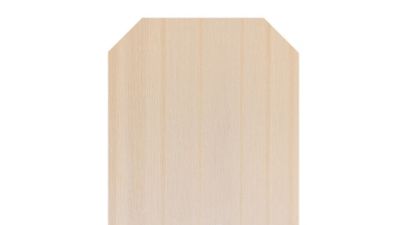
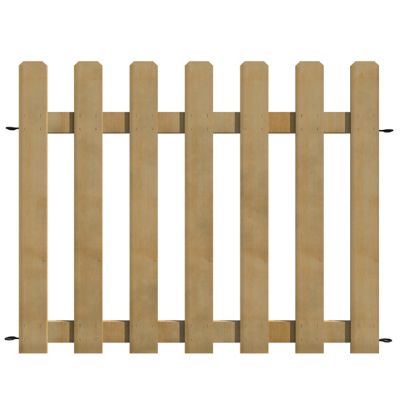
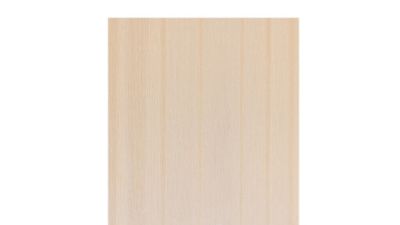
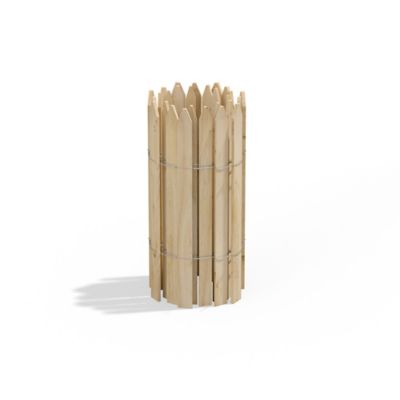
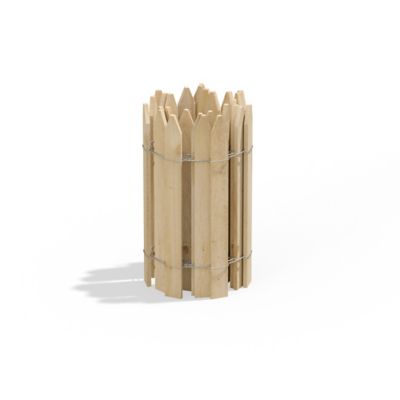
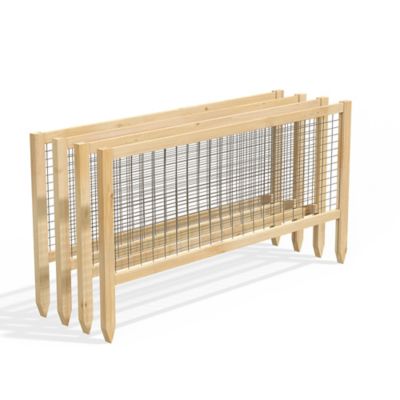
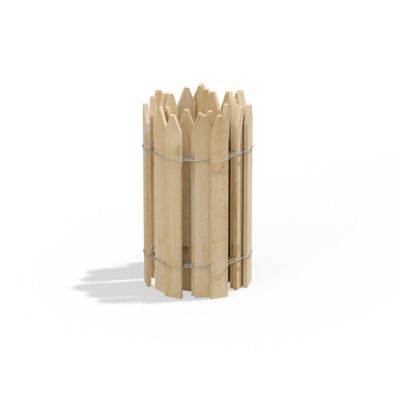
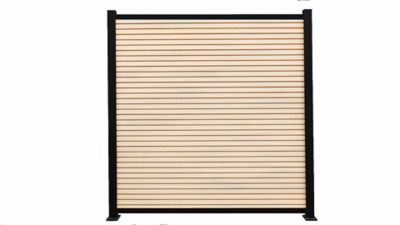
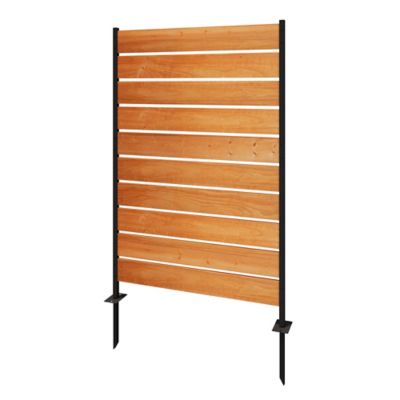
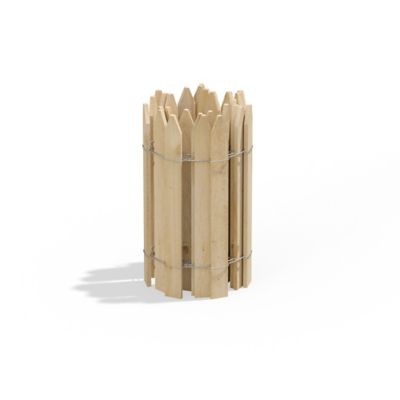
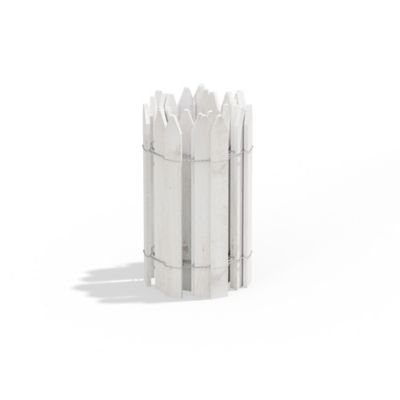
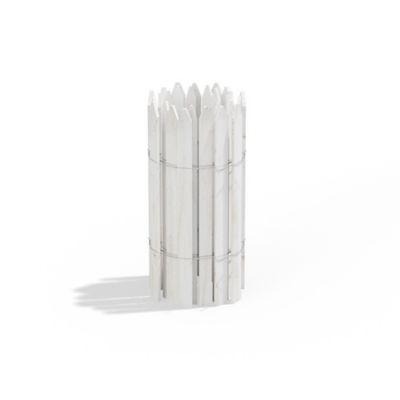
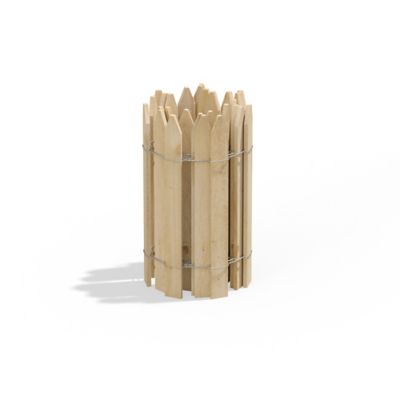
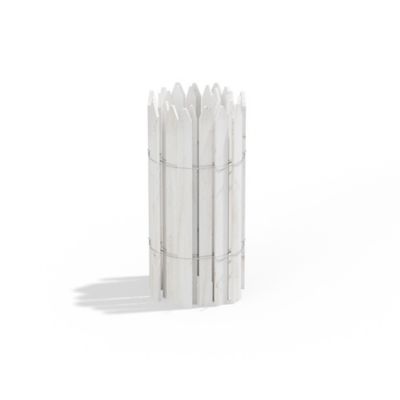
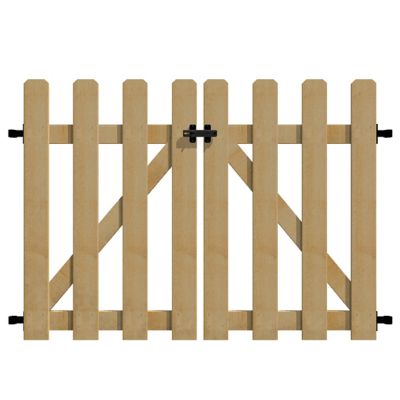
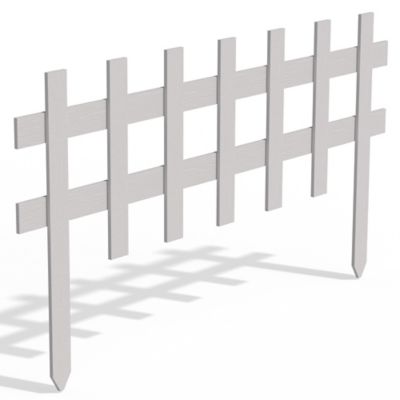
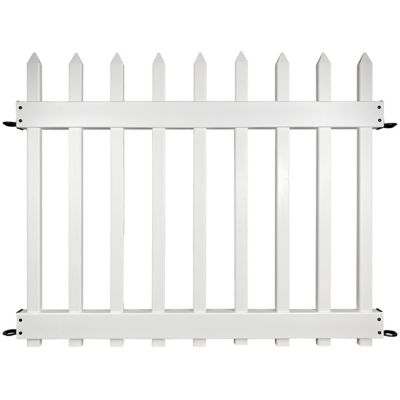
Cedar picket fences bring a familiar, down-home look to yards, gardens, walkways, and small animal areas. The warm grain and clean lines fit just as nicely around a country home as they do along a suburban flower bed, and cedar’s natural oils help it stand up to rot, decay, and insect activity better than many untreated softwoods. Depending on the style, cedar pickets may create a friendly boundary without making a space feel closed in, or they can add a little more privacy around a porch, side yard, or outdoor sitting area. Common heights range from low garden borders to taller four- to six-foot fencing, while picket widths and top profiles vary from narrow, traditional boards to wider dog-ear, flat-top, or scalloped designs. Individual pickets are useful for building a fence from the ground up or repairing an existing run, while assembled sections can help simplify a larger project. When comparing cedar picket fences, start with the job the fence needs to do. A short border can keep mulch in place, define a planting bed, or help guide foot traffic, while a taller fence may provide a clearer property boundary, shelter a play area, or give dogs a little more room to roam safely. Cedar pickets can also dress up practical spaces, including compost areas, utility equipment, pool surroundings, and the edge of a gravel drive. A simple cedar fence often does more than mark a line; it gives a yard structure, much like a well-placed barn door or a row of posts along a pasture.
Before choosing fencing materials, measure the full run and consider corners, gates, slopes, and the spacing needed between posts or panels. A straight, level stretch is handled differently from a rolling yard where the fence may need to step or follow the grade. Check local property rules and utility markings before digging, and keep drainage in mind so the lower portion of the fence is not left sitting in wet soil. For individual pickets, plan for sturdy posts, horizontal rails, fasteners rated for outdoor use, and enough material to account for cuts and repairs. Pre-assembled sections can make layout quicker, especially for homeowners who want a consistent appearance along a garden or front walk. Browsing
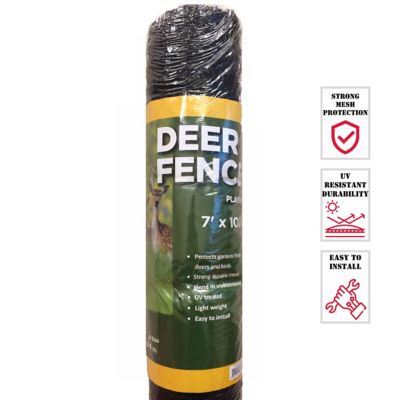
Picket Fencing Panels can help when a panel-style solution better fits the project. Spacing also affects the finished look and function. Tightly spaced pickets create a more solid boundary, while wider gaps preserve an open view and allow more light and air through. For pets and children, make sure openings are appropriately sized and that the finished fence is tall and secure enough for the animals or activity in the space. Around vegetable gardens, a picket fence can offer a neat visual edge, but it may need additional wire mesh or a taller barrier if rabbits, poultry, or other persistent visitors are part of the picture. A fence near a driveway or walkway should remain visible and easy to navigate, with corners and gates placed where they will not interfere with vehicles, mowers, wheelbarrows, or snow removal equipment.
Cedar can be left unfinished to weather naturally from a reddish or golden brown into a soft silvery gray, a look that blends well with stone, weathered barns, native grasses, and mature trees. If keeping the original color matters, an exterior stain or sealer can help slow the change, though every finish needs proper preparation and periodic upkeep. Painted cedar can create a crisp garden accent, but the wood should be clean and dry before finishing, and exposed ends deserve careful attention because they take on moisture more readily. Even naturally durable cedar benefits from good installation: keep boards from constant ground contact, allow water to drain away, and look over the fence from time to time for loose fasteners, damaged pickets, leaning posts, or soil and vegetation pressed against the wood. During warmer, wetter stretches, trimming back vines and tall grass can improve airflow and make it easier to spot trouble early. As the weather cools, a quick walk along the fence line can reveal storm damage or areas that may need attention before harsher conditions arrive. Cedar picket fencing is a practical choice for homeowners, gardeners, hobby farmers, landlords, and anyone refreshing an outdoor space with a natural material and a classic profile. It can frame the first blooms of a garden, give a porch a little definition, or make a plain side yard feel finished without looking overly formal. For a weekend project, a few sections may be enough to outline a small planting bed; for a larger property, matching pickets and carefully planned posts can create a consistent boundary from the front yard to the back gate. With the right height, spacing, and finish, cedar picket fences offer a useful mix of charm, durability, and everyday function.