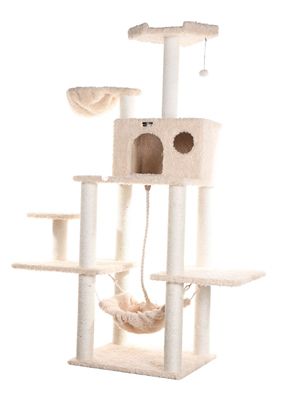
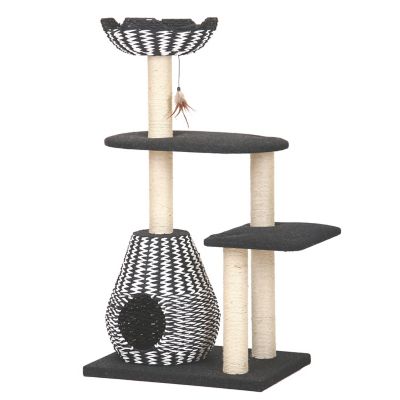
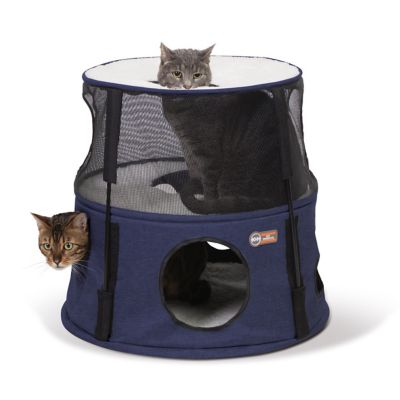
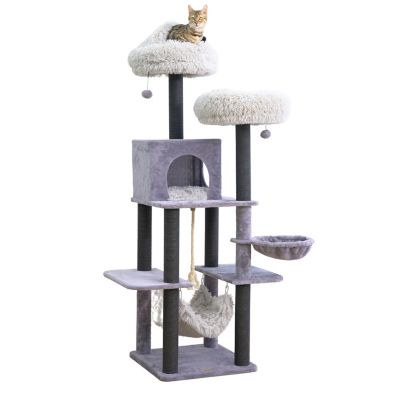
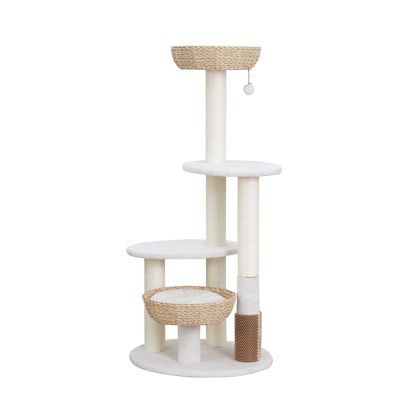
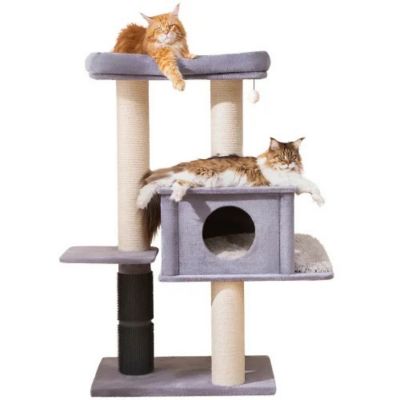
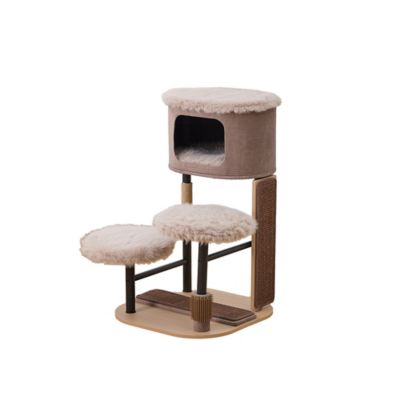
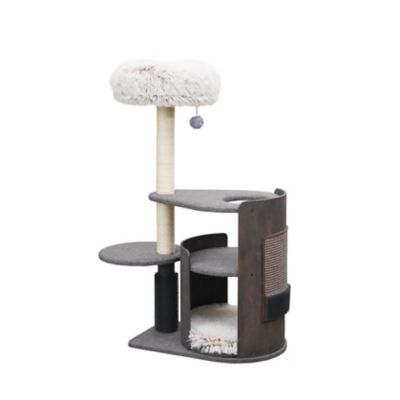
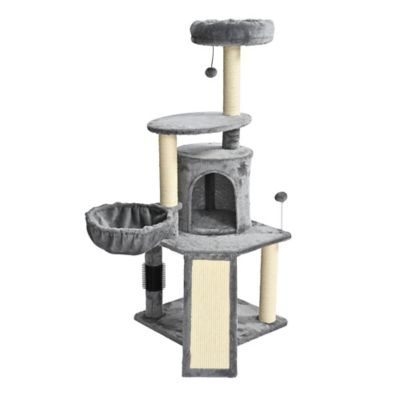
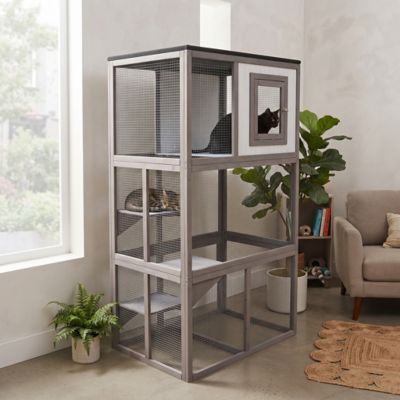
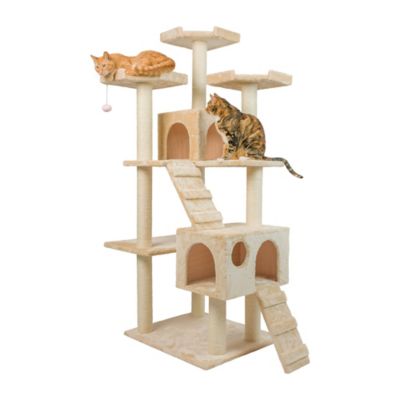
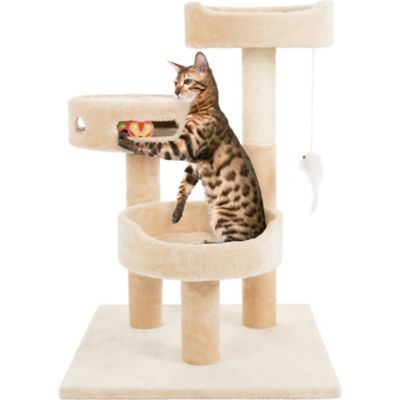
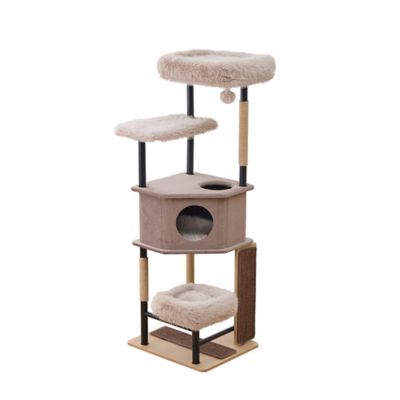
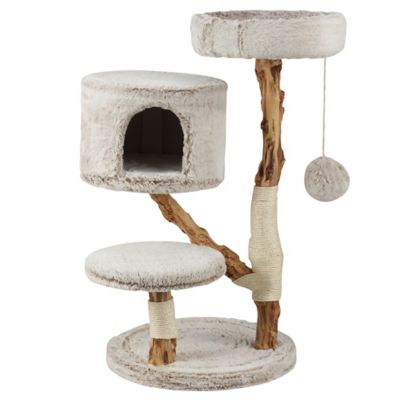
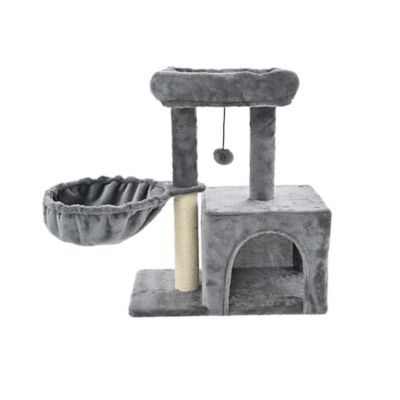
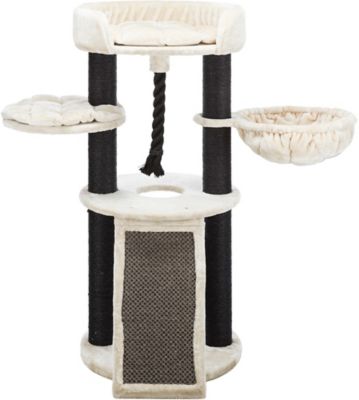
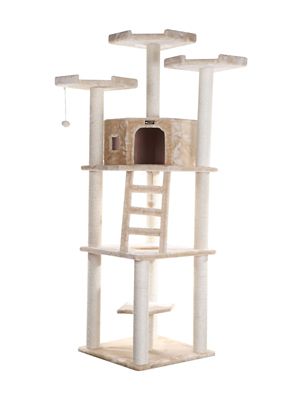
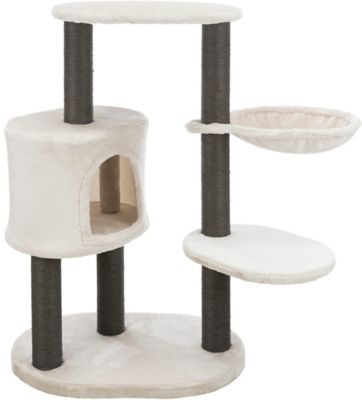
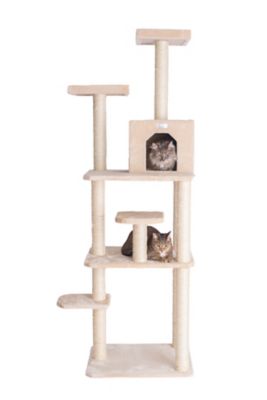
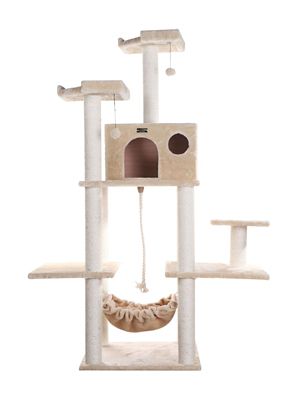
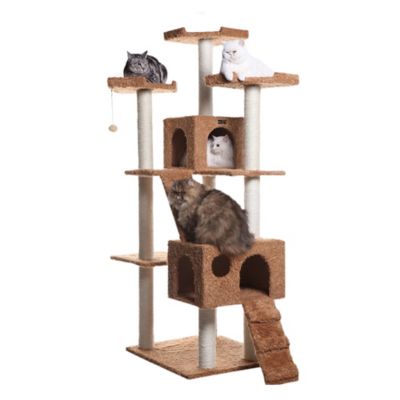
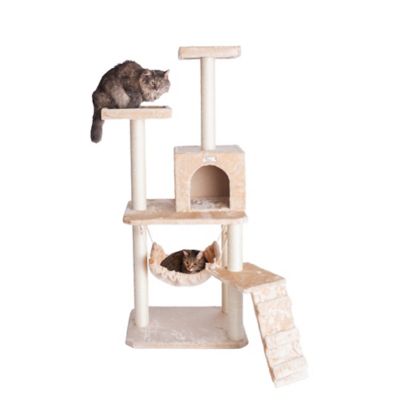
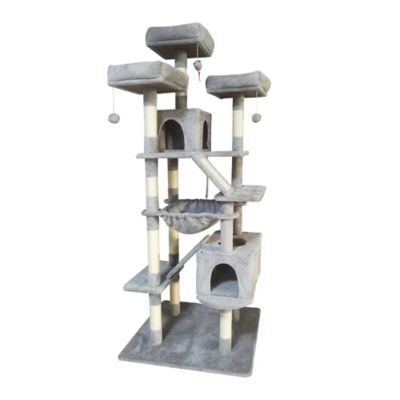
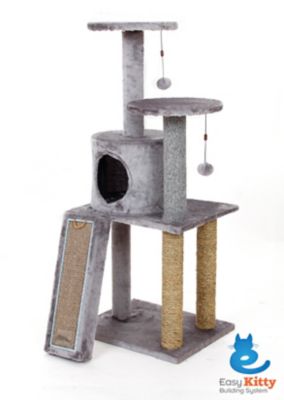
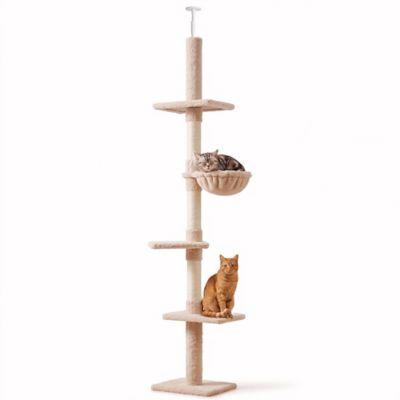
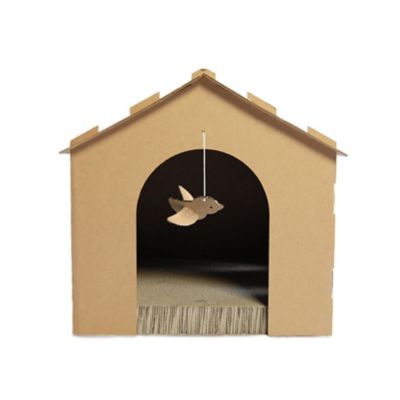
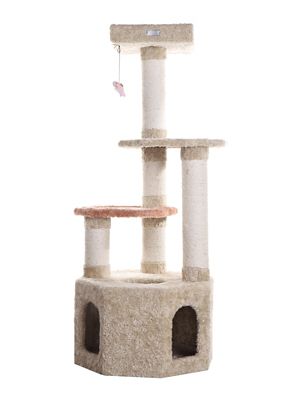
A wide base, substantial support posts, and roomy platforms are important features in cat towers for large cats. These structures give bigger felines a place to climb, stretch, scratch, and settle in without squeezing onto a perch meant for a much smaller companion. For long-bodied breeds such as Maine Coons and Ragdolls, usable lounging space matters just as much as overall tower height. A generous top bed lets a cat turn around, tuck its paws underneath, or stretch along one side without most of its body hanging over the edge. Raised edges can offer a comfortable spot for resting a chin, while open platforms leave room for a full-length sprawl. Enclosed cubbies bring another kind of comfort, especially for cats that like a little cover while keeping an eye on the room. Both the doorway and the interior need enough clearance for easy entry and a relaxed resting position. Weight ratings deserve attention, too: a limit for the whole structure is not necessarily the same as the limit for an individual perch or hammock. Clear manufacturer specifications help match the tower to each cat and to the number of cats sharing it. A broad footprint and well-supported platforms help limit rocking when a heavy cat jumps onto the side rather than landing neatly in the middle. Height alone does not tell the whole story. A shorter tower with spacious resting spots may fit a big cat better than a tall, narrow structure with small ledges. In a household with more than one cat, separate beds and several routes between levels can make shared space easier to navigate. One cat can watch the room from above while another naps lower down, with less need to crowd the same landing. The goal is room to move naturally, whether the tower serves as a favorite lookout, an afternoon sleeping spot, or a regular stop between laps around the house. A heavy cat landing on an upper platform puts different demands on the frame than a cat sleeping quietly at its base.
Construction and surface materials shape how a large cat tower feels underfoot and how it handles everyday climbing. Solid wood and engineered wood can both appear in tower frames, but panel thickness, joint design, bracing, and assembly all contribute to stability. A substantial base supports the structure from below, while properly fitted hardware keeps posts and platforms connected. Thick posts can provide broad scratching surfaces, although diameter by itself does not establish how much weight a tower can carry. Sisal rope and sisal fabric offer textured areas for scratching, and a tall, unobstructed section gives a big cat space to reach upward with its front paws. Plush coverings create soft resting spots, while carpeted surfaces can add grip along climbing routes. Smooth, exposed wood is easier to wipe down, though cats may appreciate a securely attached pad where they land or sleep. The way those materials come together matters during ordinary household moments: a cat launching toward a window perch, two companions passing on neighboring levels, or a sleepy heavyweight rolling over in an elevated bed. Wide landings, securely fastened cushions, and supports beneath projecting platforms can make those spaces more practical. Hammocks and bowl-shaped beds need particular attention to their dimensions and individual load limits, since a cozy-looking sling may offer less usable room than a flat platform. For cats that prefer a gentler climb, closely spaced levels or a ramp can reduce the distance between resting places. An open route also gives a cautious cat a clear view of the next landing. Scratching preferences vary from cat to cat, so a tower does not have to carry the whole job on its own. Separate
Cat Scratchers for Large Cats can add another stretching spot near a favorite doorway or sleeping area, leaving the tower free for climbing and lounging. Together, different surfaces and heights give a large indoor cat more ways to stay busy without turning every chair back into a scratching post.
The right fit includes the room around the tower, not just the cat sitting on it. A broad base needs enough floor space to sit flat, with clearance for a tail, an outstretched paw, and a comfortable jump down. Tight corners can work for some shapes, but a tower should not block a doorway or force people to brush past an occupied perch. A family-room spot near the usual household activity often suits a social cat, while a quieter nook may appeal to one that likes to watch from a distance. A view through a securely closed window can add interest, provided blind cords and other hanging hazards stay out of reach. Placement on a level surface, assembly according to the manufacturer’s directions, and any specified anchoring all matter for a tall structure supporting a large animal. Anchoring is not a substitute for staying within the stated weight limits. Routine care helps keep the tower pleasant for cats and manageable for the people sharing their home. Loose fur collects along bed rims, inside cubbies, and where scratching posts meet the base; regular vacuuming reaches those spots before the buildup gets packed in. Removable covers simplify cleaning when their care instructions allow washing, while fixed fabric may need spot cleaning with a suitable product and time to dry fully. Hardware can loosen through repeated climbing, so periodic checks are worthwhile, particularly after moving the tower. Frayed rope, torn fabric, exposed fasteners, and loose hanging toys also deserve attention before a cat returns to play. Replaceable scratching sections or cushions can be helpful when those parts are designed for the structure. For someone welcoming a large adult cat or giving a practical gift to a cat-owning household, measurements and the cat’s habits make a better starting point than appearance alone. A spacious, steady tower earns its place through the everyday comforts it provides: a satisfying stretch, a clear view, and enough room for a big cat to settle down without a balancing act.