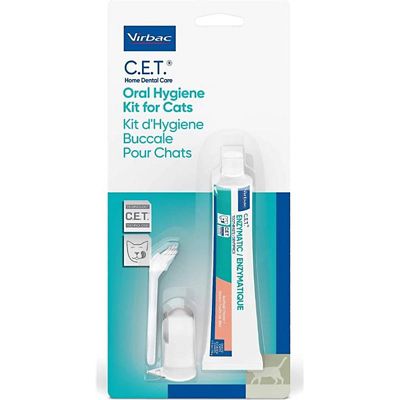
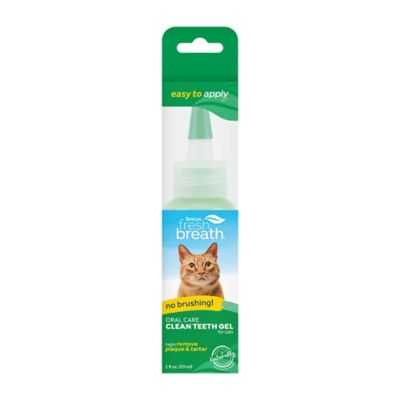
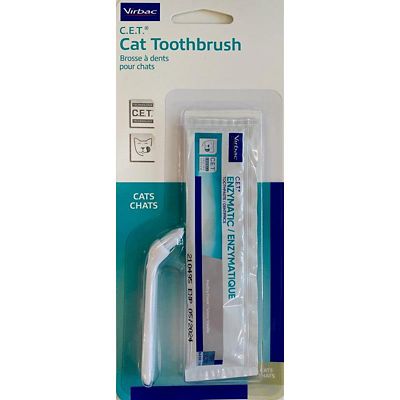
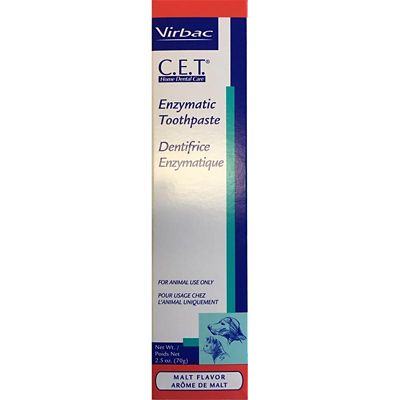
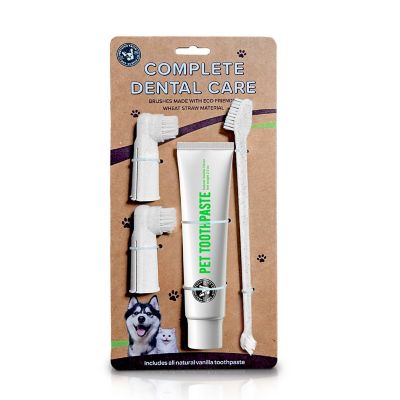
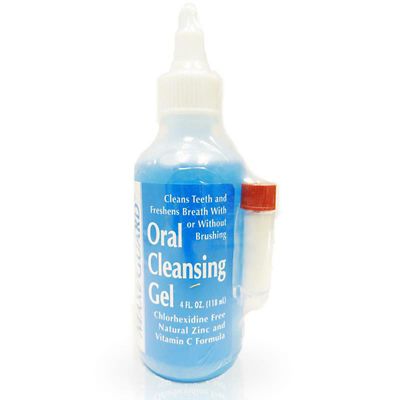
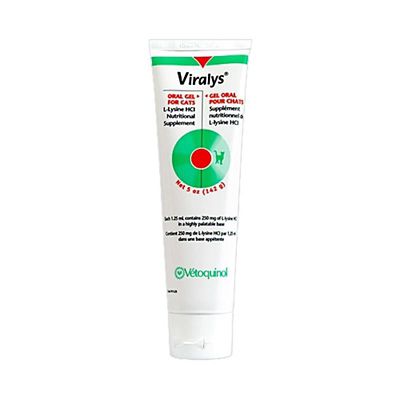
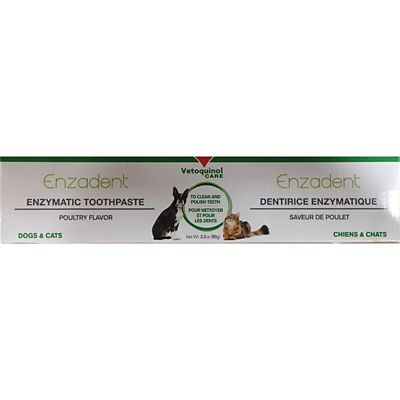
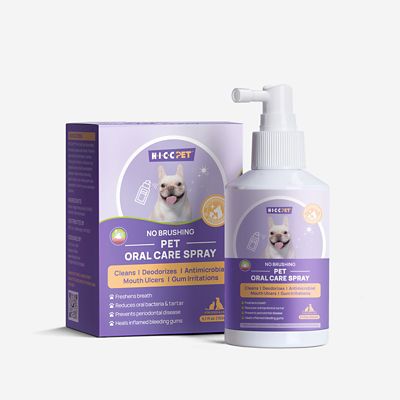
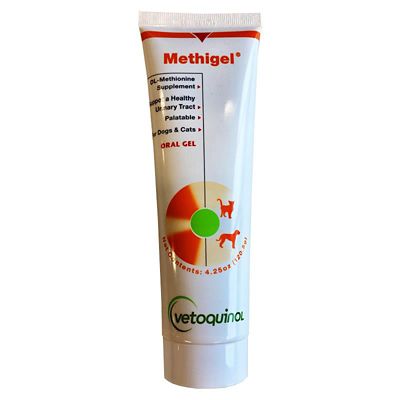
Keeping a cat’s mouth in good shape starts with steady, low-stress care at home. Cat oral health products can help manage plaque, freshen breath, and make daily dental care easier to fit into a busy routine. Toothbrushes made for cats are generally smaller than people’s toothbrushes, with soft bristles that can reach along the gumline without being too rough. Cat-safe toothpaste is made for pets and may come in flavors that appeal to feline tastes. Never use human toothpaste, since ingredients such as fluoride and xylitol can be dangerous for cats, and most cats should not swallow it. If your cat is comfortable with handling, begin by letting them sniff the brush and taste a small dab of toothpaste from your finger. Over several days, gently touch the outside of the lips and cheeks before working toward the teeth. Short sessions are often more successful than trying to brush every tooth at once. A calm voice, a familiar blanket, and a quiet spot away from barking dogs or household commotion can help turn dental care into a routine instead of a wrestling match. Many cat owners find that brushing a few teeth at a time works well, especially with a cat that prefers to set the pace. Dental wipes and finger brushes can offer another option for cats that resist a handled brush, while oral gels may be applied along the gumline without rinsing. Always follow the directions on the package, and stop if your cat shows signs of pain, bleeding, heavy drooling, or strong distress. Bad breath that continues after regular care, swollen gums, loose teeth, trouble chewing, or a sudden change in eating habits calls for a veterinary visit. Home products support daily care, but they do not replace professional dental examinations or treatment when a cat has a sore mouth or built-up tartar.
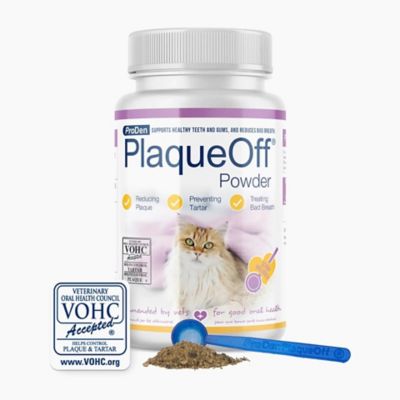
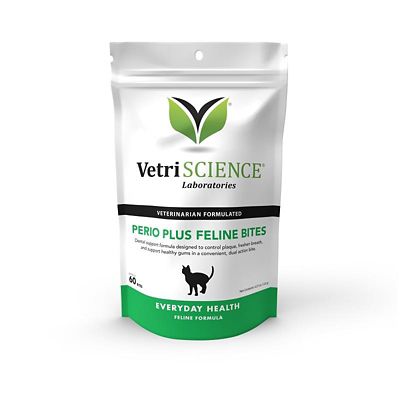
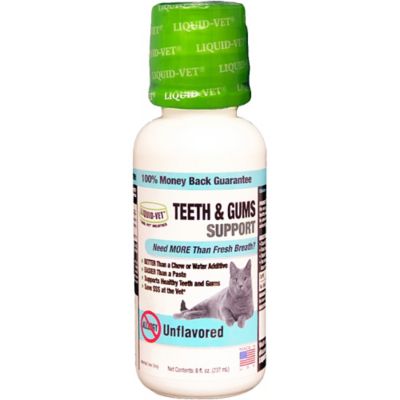
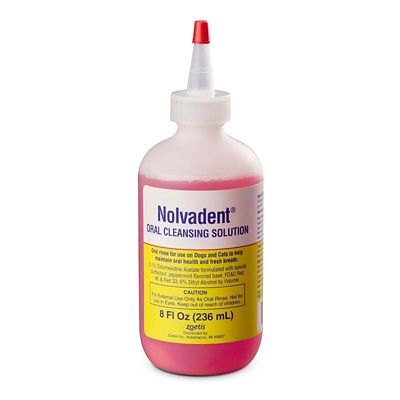
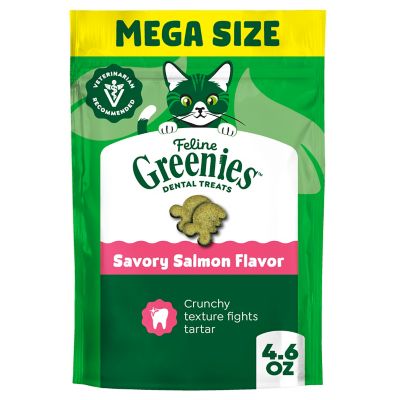
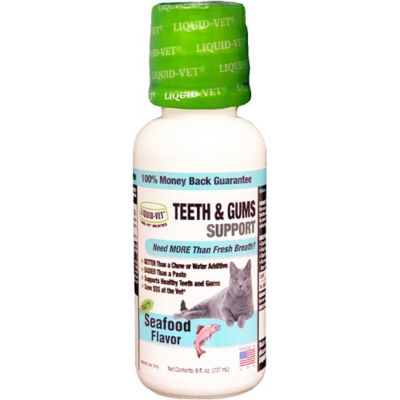
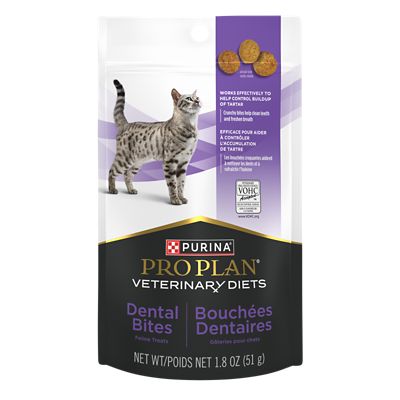
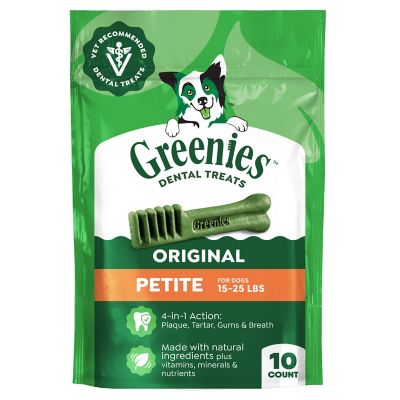
For cats that will not tolerate a brush, other oral health products can fit more comfortably into the day. Dental treats are designed to encourage chewing, with textures that may rub against the teeth as a cat eats. Check the feeding directions and calorie information, especially for indoor cats, older cats, or pets following a weight-management plan. Some cats prefer small treats offered after play, while others respond better when a dental treat becomes part of the evening routine. Water additives and oral powders can be mixed into drinking water or food, making them useful for cats that avoid brushes and wipes. Look for clear directions about how much to add, whether the product is intended for cats, and how to introduce it gradually. Keep an eye on water intake when adding anything to a bowl; if your cat drinks less, provide a fresh bowl without the additive and contact a veterinarian for advice. Chew items may appeal to cats that enjoy gnawing and batting, but they should be sized for feline use and checked often for splintering, sharp edges, or pieces that could be swallowed. Products carrying recognition from the Veterinary Oral Health Council may offer helpful information when comparing dental treats and other items, though a seal or claim does not mean every option will suit every cat. Consider your cat’s age, size, chewing habits, food sensitivities, medical history, and comfort with mouth handling before choosing. Kittens may need gentle introductory products, while senior cats may benefit from softer options and a veterinary check before chewing treats or sticks. A cat with kidney disease, diabetes, food allergies, or a prescribed diet may need extra care when selecting flavored pastes, treats, powders, or water additives. These products can also make a thoughtful gift for a friend or family member who recently adopted a cat, welcomed home a kitten, or wants to make a senior pet more comfortable during the cooler months. Pairing dental supplies with everyday cat care items can help a new pet owner build a simple routine from the start. Oral care is only one part of keeping a cat active and comfortable; shoppers comparing other feline wellness needs can also explore
Cat Joint Health Supplements. Whether your cat accepts brushing, prefers a food-based option, or needs a brush-free approach, consistent use and close attention to changes in the mouth are the keys to making dental care part of ordinary life on the farm, in town, or anywhere your cat likes to nap.