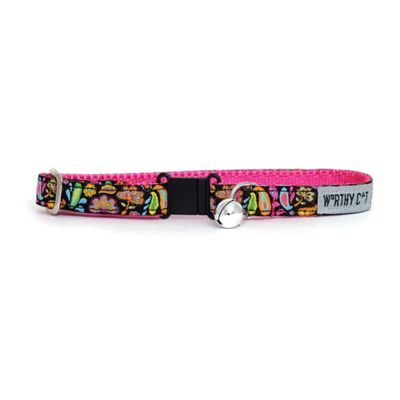
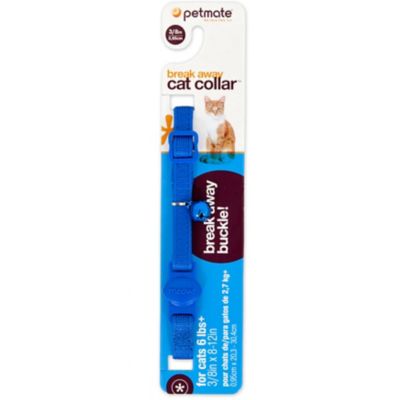
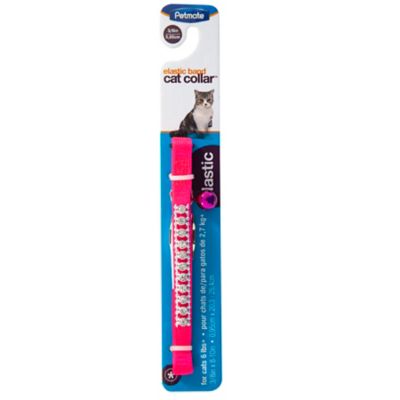
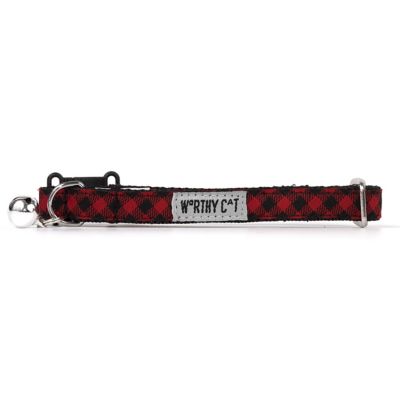
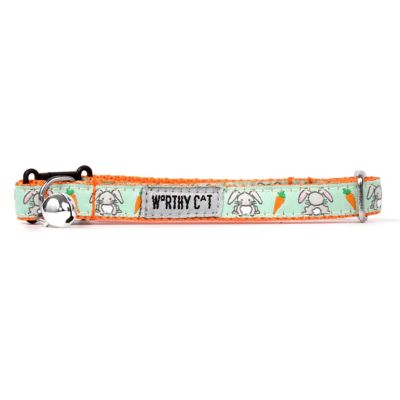
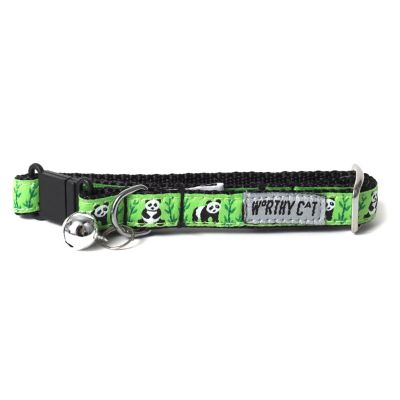
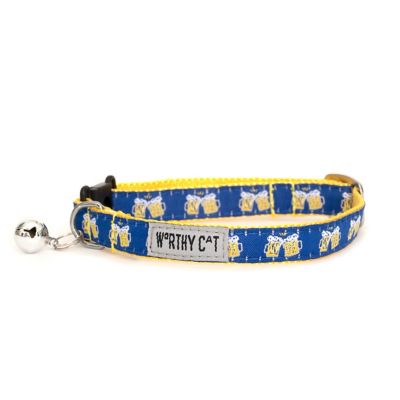
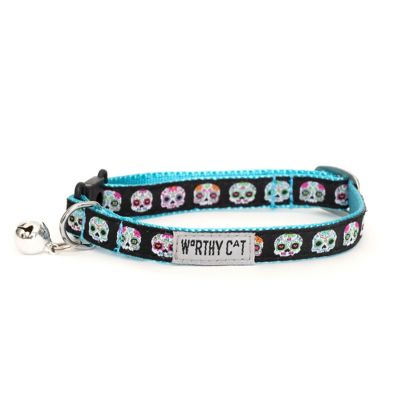
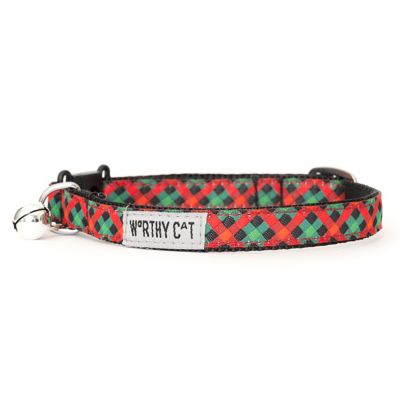
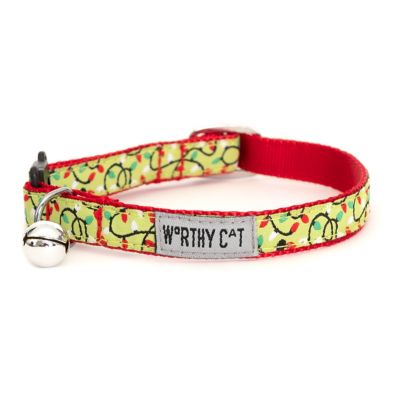
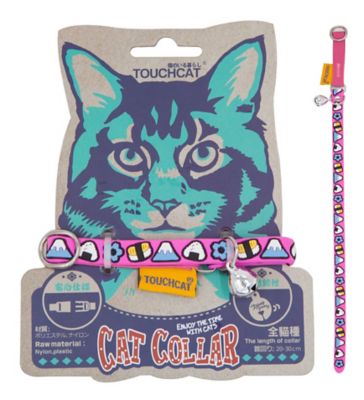
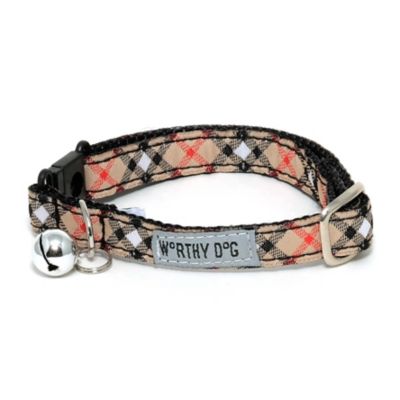
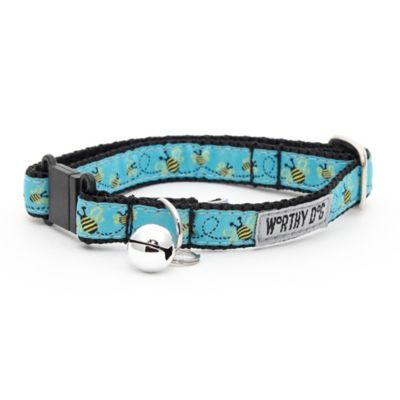
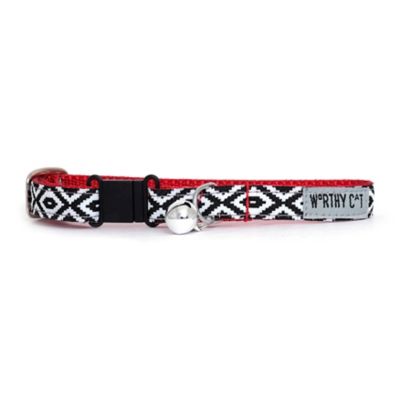
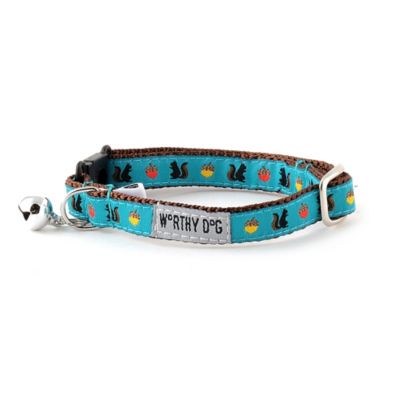
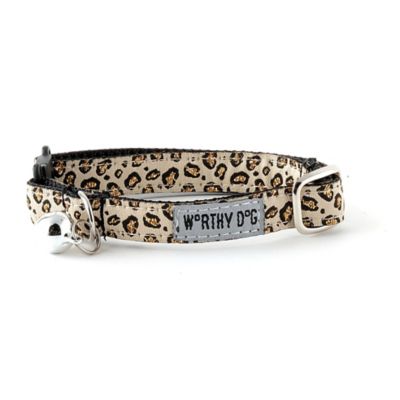
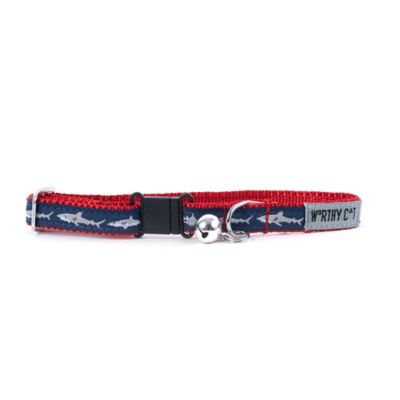
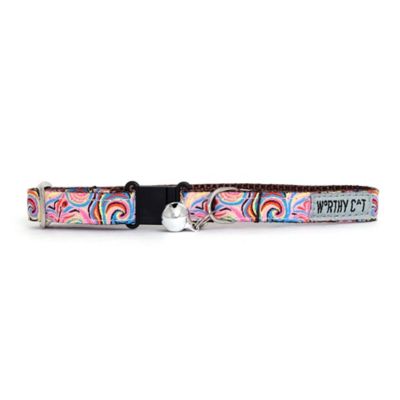
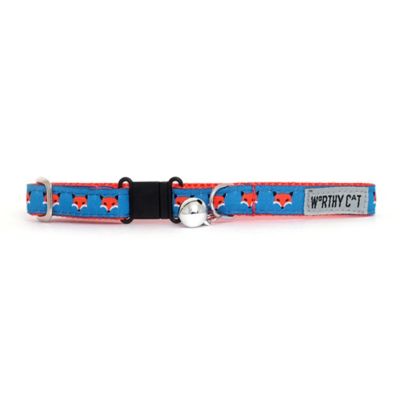
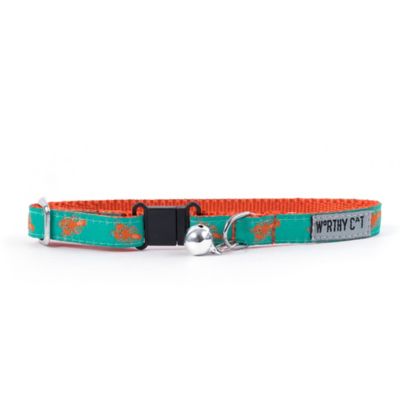
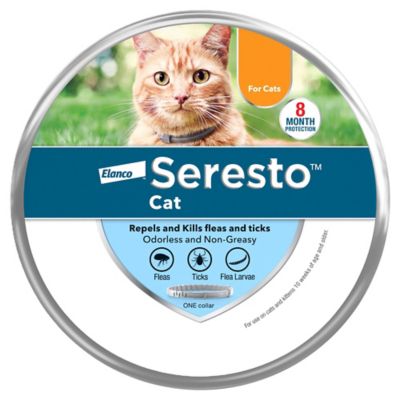
Cat collars with bells are a handy way to add a little visibility and personality to your cat’s everyday routine. A soft jingle can help you keep track of a cat moving through the house, especially when they tuck themselves behind furniture, curl up in a quiet barn corner or slip into a feed room while you are doing chores. In a multi-cat household, a bell may also make it easier to tell which cat is padding down the hallway or creeping through the grass. For cats that spend time outdoors, the sound can give birds and other small wildlife an earlier warning that a curious hunter is nearby. A bell does not prevent hunting, and it should not be treated as a replacement for keeping cats indoors when needed, but it may be one useful part of a responsible pet routine. When choosing among cat collars with bells, start with safety before color or pattern. A breakaway collar with a quick-release clasp is generally the best choice for cats that may climb, squeeze through tight places or explore around brush, fencing and low tree limbs. If the collar catches on something, the clasp is designed to release under pressure, helping your cat avoid becoming trapped. Check the collar often for frayed fabric, stretched elastic, loose stitching or a bell that is no longer firmly attached. A lightweight design is usually more comfortable for a small cat, kitten or senior pet, while an adjustable collar gives you room to get a secure fit as your cat grows or changes weight. The collar should sit comfortably without hanging loose enough to catch on objects; as a simple fit check, you should be able to slide about two fingers between the collar and your cat’s neck. Check that fit regularly, since young cats grow quickly and an active outdoor cat can lose weight or develop a thicker coat with the seasons. Reflective details can make a collar easier to spot in dim light around the porch, driveway or barn, while an identification tag or embroidered contact information can provide an added layer of help if your cat wanders. Keep tags and bell attachments small and secure, and inspect them after rough play or outdoor adventures.
Not every cat enjoys a bell close to their ears, and a thoughtful introduction can make the difference between a useful accessory and one your cat tries to escape. Noise-sensitive cats may find constant jingling stressful, particularly in a quiet home, so watch body language when the collar is first offered. Hiding, flattened ears, repeated scratching, shaking the head or refusing food can signal that the sound or fit is bothering them. Let your cat sniff the collar first, then try it for a short period indoors while offering calm praise or a favorite treat. If your cat stays relaxed, gradually increase wear time and check the neck for rubbing or irritation. A bell collar should never be forced on a cat that clearly cannot tolerate it, and supervised indoor testing is a smart first step before outdoor use. Indoor cats, porch cats, barn cats and supervised adventure cats may all use these collars differently. A house cat may benefit mainly from easier locating and identification, while a cat that roams around a farmstead may need a sturdy, visible, breakaway option that can handle everyday dust, grass and mild weather. For outdoor cats, a collar is only part of the safety setup; microchipping, current contact information, vaccinations and a safe plan for severe weather still matter. During the warmer part of the year, inspect collars after time in tall grass or around water, and during cooler months check for dampness, mud and packed fur beneath the collar. Cat collars with bells can also make practical gifts for new pet owners, families bringing home a rescue cat or anyone setting up a cozy indoor-outdoor routine. Pairing a collar with another small enrichment item, such as
Cat Spring Toys, can give a newly adopted cat familiar play and a comfortable way to settle in. Whether the goal is helping locate a cat under the bed, adding a touch of visibility near the barn or giving a favorite pet a fresh look, focus on breakaway construction, comfortable materials, a dependable fit and your cat’s individual comfort. A collar that stays secure during normal wear yet releases when snagged, with a bell that is firmly attached and not overly heavy, is a sensible choice for everyday use.