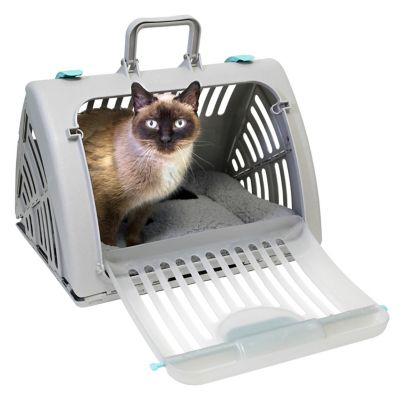
Cat carriers for large cats give bigger felines a contained space for trips to the veterinarian, boarding stays, moves and other travel away from home. A good fit means enough interior room for your cat to stand in a natural position, turn around and lie down comfortably, without being squeezed against the walls or roof. Weight capacity matters, but it tells only part of the story: a long-bodied cat and a stocky cat can weigh the same and need different amounts of floor space. Interior length, width and height are more helpful for judging comfort than exterior measurements alone, especially when thick padding or a sloped roof takes up room inside. The manufacturer’s maximum pet weight is a firm limit, not a promise that every cat below that weight will fit. Broad shoulders, a tall seated posture and a long back all affect how much space a cat needs. For a big Maine Coon or a hefty mixed-breed companion, a wide doorway can be just as important as a roomy interior. A cat should be able to pass through the opening without having to squeeze its shoulders or crouch sharply. Large cat carriers also need a stable base that supports the cat’s weight without sagging, along with closures that stay firmly fastened. Handles, straps and attachment points carry a substantial load once the cat, carrier and bedding are together, so their construction deserves a close look. A roomy carrier does not have to be oversized; excessive empty space makes it harder to carry and may let a cat slide around during movement. The most practical size balances resting space with manageable handling. That balance matters on a long walk from a farmhouse to the truck, through a busy clinic parking lot or down an apartment hallway with a cat that would much rather stay home.
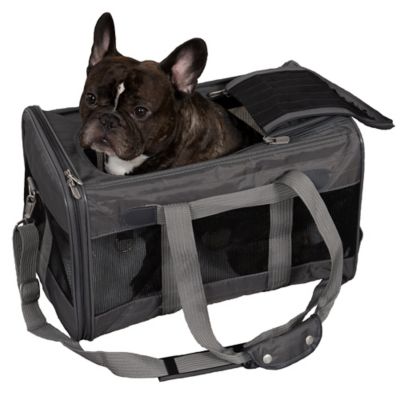
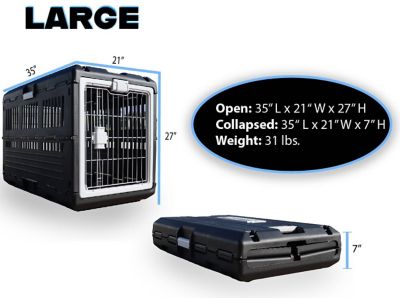
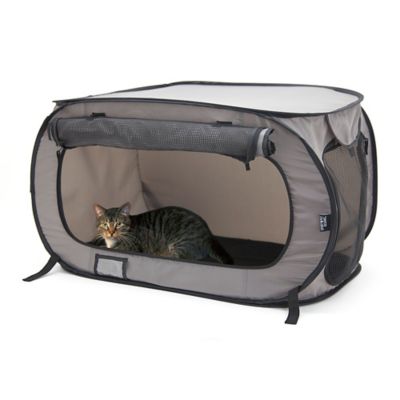
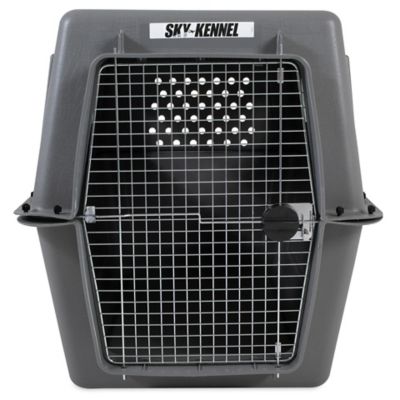
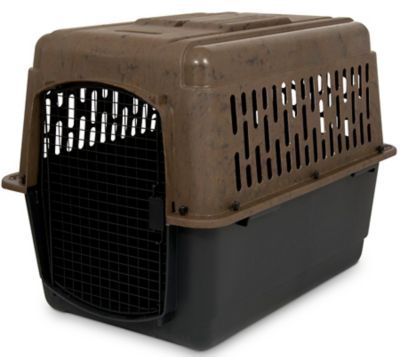
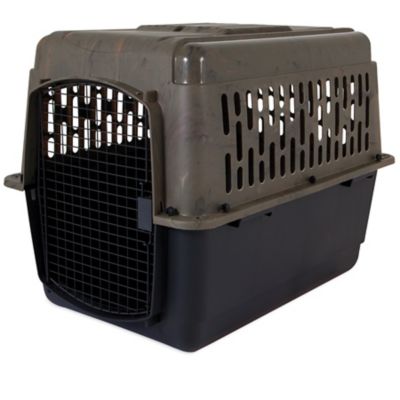
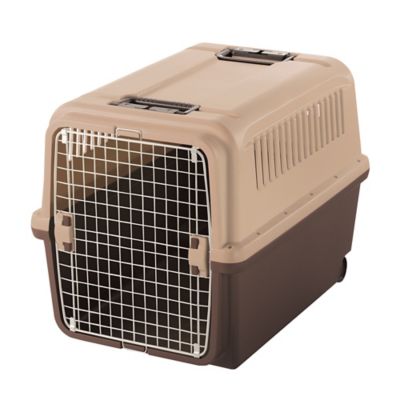
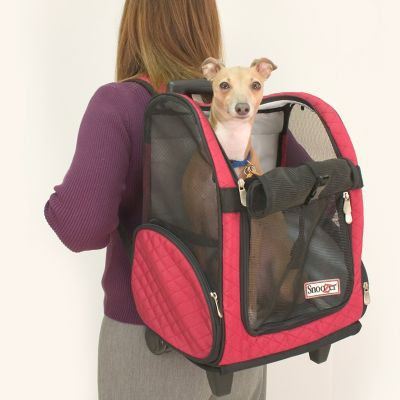
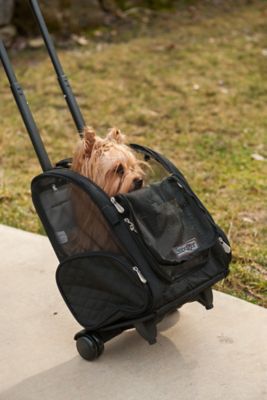
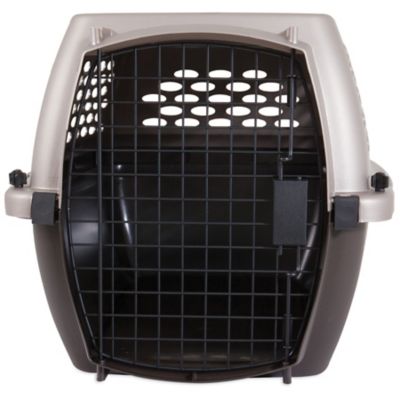
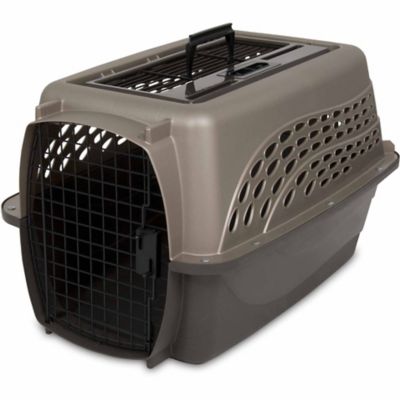
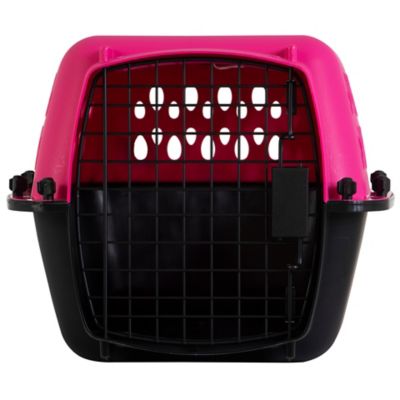
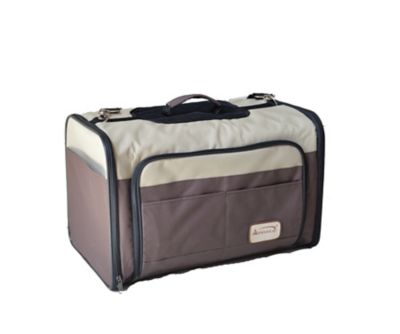
Hard-sided and soft-sided cat carriers offer different benefits for larger pets. Rigid plastic shells hold their shape, resist a cat’s pushing and provide surfaces that are generally straightforward to wipe clean. Ventilation openings allow airflow, while metal doors and secure latches help keep the entrance closed. Shell connections, hinges and door hardware deserve as much attention as the main body, particularly with a strong cat that leans against the door. Soft-sided carriers typically combine fabric panels, mesh ventilation and a supporting frame, creating a lighter structure that may be easier to store between trips. For a heavier cat, a reinforced bottom and a frame that stays upright are important; fabric walls alone cannot provide the same support as a rigid shell. Mesh should be firmly attached, and zipper closures should fasten as the manufacturer intends. A determined scratcher or chewer may be better suited to a hard-sided design rather than exposed fabric and mesh. Entry layout affects everyday handling, too. Front doors provide a familiar walk-in opening, while top access can make it easier to lower a reluctant cat inside with its body supported. Some carriers have removable upper sections, which may let veterinary staff begin an examination while the cat remains in the lower half. For older cats or those with stiff joints, a low entrance can reduce the effort of stepping inside. Removable pads add a comfortable resting surface and make cleanup less of a chore, provided they do not crowd the available space. A thin, absorbent liner beneath suitable bedding can help with small accidents, but loose material should not interfere with doors or ventilation. Privacy panels may reduce visual commotion for a nervous traveler when positioned without blocking airflow. Backpack and wheeled carrier styles offer other ways to move a large cat, though usable interior space, balance and pet weight limits still come first. Wheels can help across smooth floors, but gravel, steps and uneven ground may mean carrying the full load by hand.
The right large cat carrier should suit the trip as well as the passenger. For routine veterinary appointments, easy entry, a washable resting pad and simple access for cleaning often matter more than extra pockets. For longer journeys, ventilation, secure closures and a comfortable resting position remain essential, along with a travel plan that keeps the cat contained whenever a vehicle door opens. In a vehicle, follow the carrier manufacturer’s instructions for placement and restraint; a carrying handle is not automatically a seat belt attachment point, and an ordinary carrier should not be assumed to offer crash protection. Keep the carrier closed while traveling, and never leave a cat unattended in a parked vehicle. Air travel adds another set of requirements. Airline rules can differ by aircraft, route and whether an animal travels in the cabin or another permitted area, so the carrier’s measurements and construction must meet the airline’s requirements for that journey. An “airline approved” label does not guarantee acceptance, and a large cat may not fit comfortably within an airline’s under-seat limits. Households arranging separate travel for a canine companion can also explore
Airline Approved Pet Carrier for Large Dogs, while confirming the rules for each animal. Between outings, care and storage help keep a carrier ready for the next trip. Follow the material-specific cleaning directions, remove hair from seams and mesh, and let washed surfaces and bedding dry fully before reassembly. Check latches, zipper tracks, stitching and handles for damage, especially after a trip with a restless passenger. Leaving the carrier open in a quiet room with familiar bedding can make it part of everyday life rather than a signal that something unwelcome is about to happen. A few treats near the entrance and short, calm practice sessions can help build that familiarity without forcing the cat inside. Whether the passenger is a laid-back house cat or a farm cat headed in for a checkup, properly sized space and thoughtful construction make the carrier easier to manage from the kitchen floor to the clinic counter.