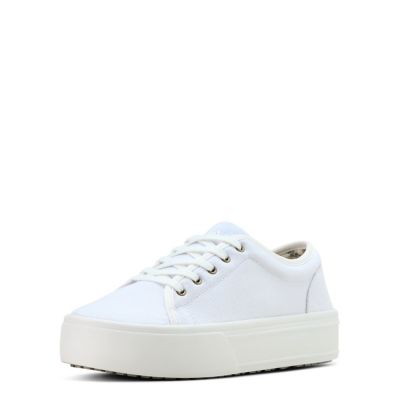
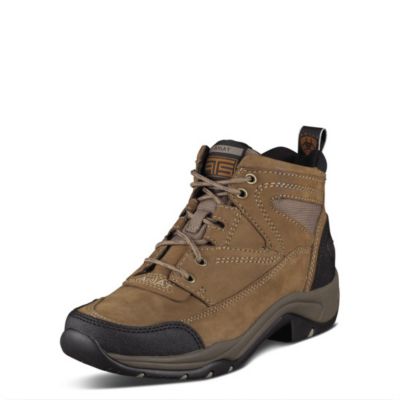
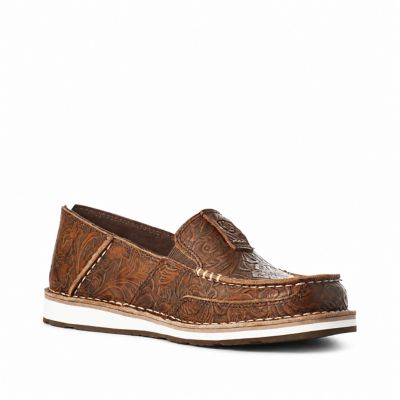
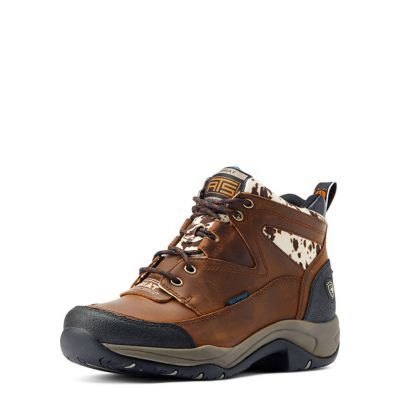
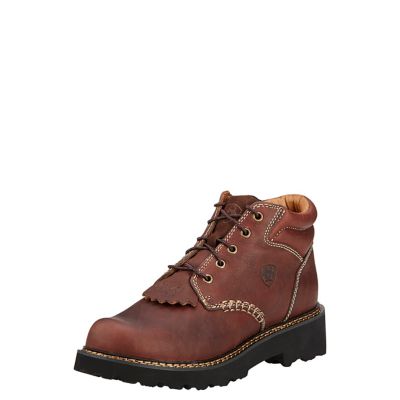
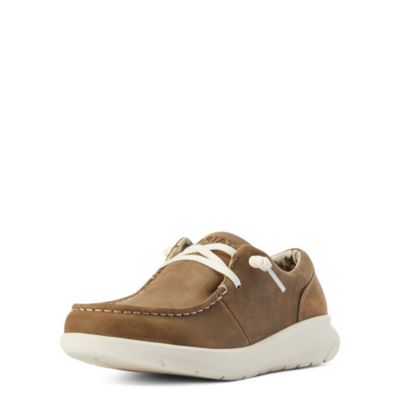
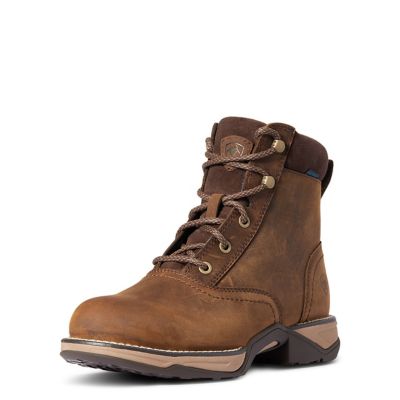
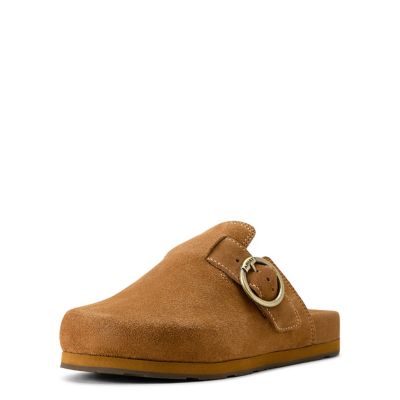
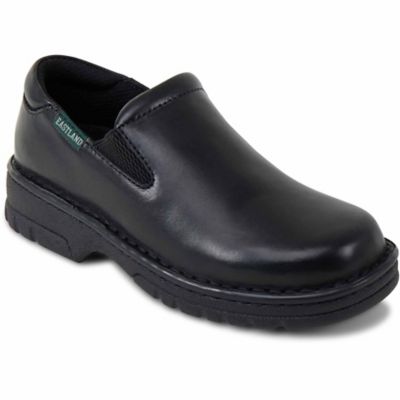
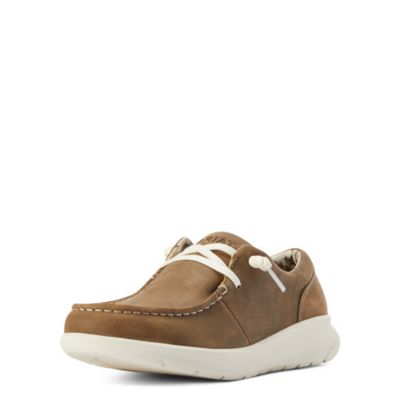
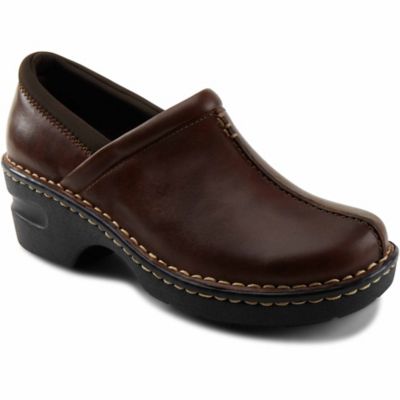
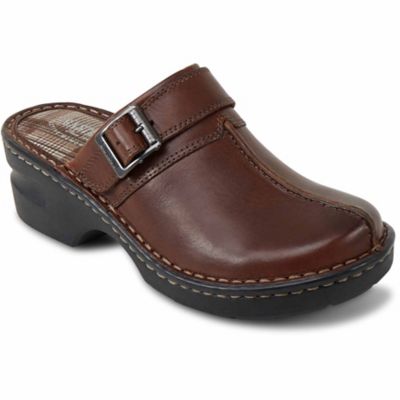
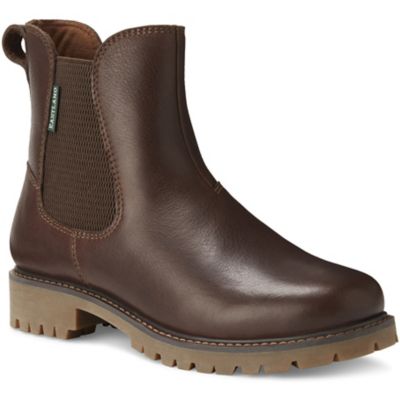
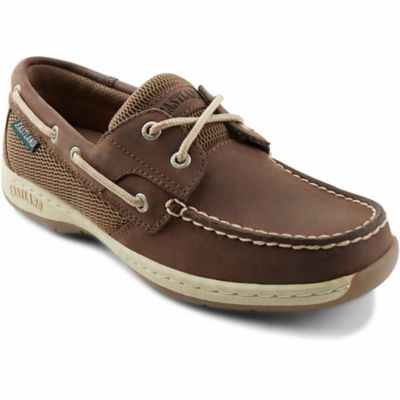
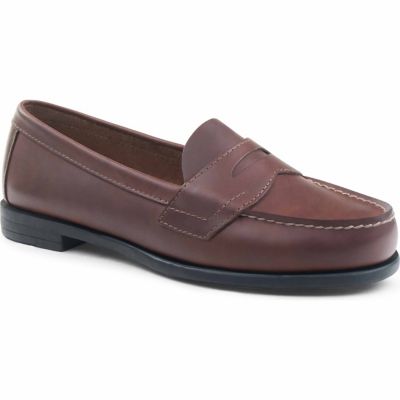
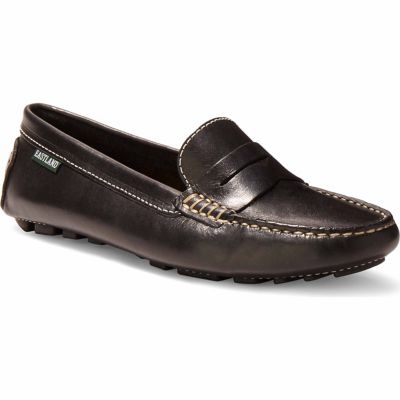
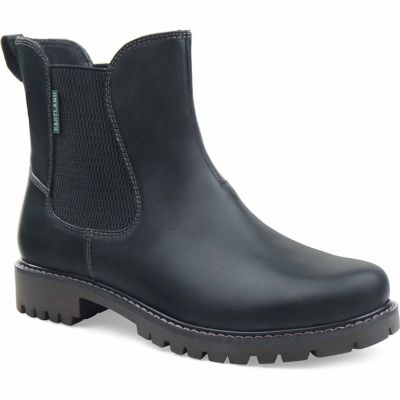
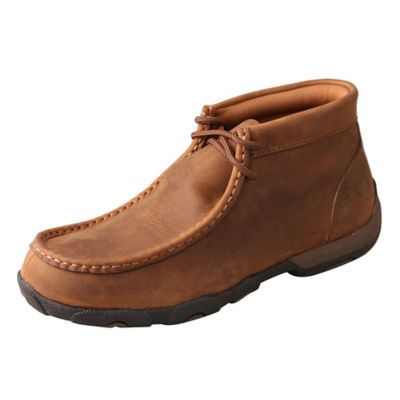
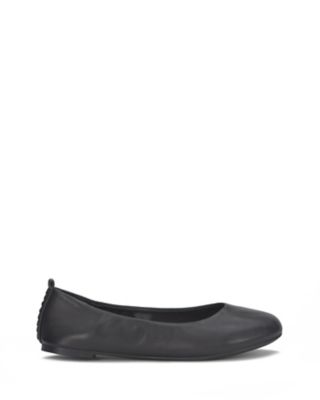
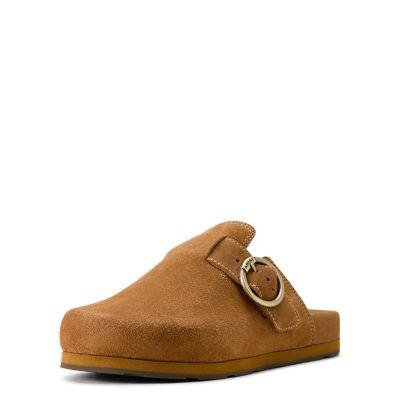
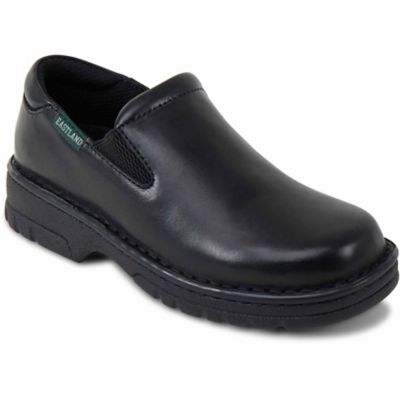
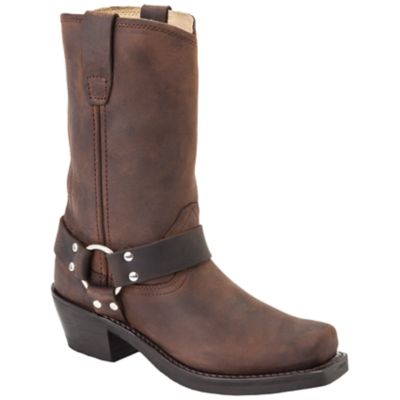
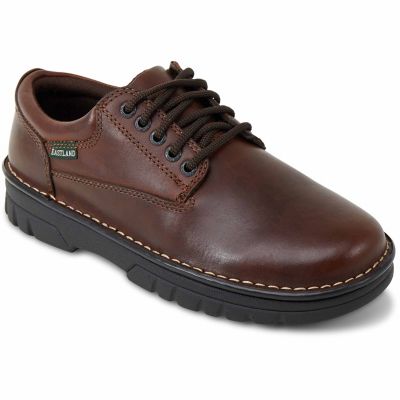
Casual leather shoes for women bring together the easy feel of everyday footwear and a put-together look that works with jeans, casual pants, skirts, and dresses. Leather sneakers, loafers, lace-ups, and flats each have their place, whether the day calls for errands in town, a few hours at the office, or supper with friends. Low-profile sneakers keep an outfit relaxed without looking like gym shoes, while loafers offer a simple step-in shape that pairs nicely with straight-leg denim or ankle-length pants. Leather flats have a lighter profile for days when a full lace-up feels like more shoe than the outfit needs. Smooth leather tends to look a little dressier, while pebbled leather adds texture and can make small surface marks less noticeable. Suede has a soft, napped finish with a more laid-back appearance, though it calls for different care than smooth leather. Full-grain leather keeps the hide’s natural surface, including some markings, while top-grain leather has been refined for a more even finish. Those terms describe the leather, not the comfort or lifespan of the whole shoe; the sole, stitching, lining, and fit matter just as much. Leather can soften and develop character with wear, giving everyday shoes a broken-in look without taking away their tidy appearance. Brown, tan, and black are easy shades to work into a regular rotation, and details such as moc toes, contrast stitching, or a simple strap can shift the look from understated to more distinctly country. For anyone who prefers more ankle coverage with the same everyday feel,
Casual Leather Boots offer another direction to consider. The appeal of casual leather footwear is straightforward: it can look right at home with a tucked-in button-down for an appointment, then feel just as fitting with a favorite pair of jeans for an afternoon around town. A shape that suits both the outfit and the day’s plans tends to earn a regular spot by the door.
Comfort in women’s casual leather shoes starts with the shape of the shoe, not just a soft footbed. A rounded or roomier toe box gives toes space to spread, while a narrower shape may feel snug even when the length seems right. Toes should not press against the front, and the widest part of the foot should line up with the widest part of the shoe. Leather may ease across pressure points as it breaks in, but it will not turn a shoe that is too short into the right size. Trying shoes with the socks normally worn for errands or work gives a better sense of the fit, especially around the heel and instep. Feet can change size over time, and one foot is often a little larger, so measurements are more helpful than sticking to a size out of habit. Lace-up styles allow adjustments across the top of the foot, while slip-ons depend more on the opening, heel shape, and any stretch panels to hold the foot comfortably. A loafer should feel secure without squeezing; constant heel lifting can lead to rubbing and make walking feel like extra work. Underfoot, cushioning helps soften each step, but support and stability matter during longer stretches on hard floors. A broad sole base, a secure heel, and a shape that bends near the ball of the foot can make a noticeable difference between a quick trip into the post office and an afternoon spent walking from store to store. Removable footbeds may provide room for personal inserts, provided the shoe has enough depth to accommodate them without crowding the foot. Linings and interior seams deserve attention, too, particularly for anyone sensitive to rubbing. For teachers, office staff, and others who spend part of the day standing, the right balance of cushioning, toe room, and secure footing matters more than appearance alone. Casual leather shoes are everyday footwear, not a substitute for protective work footwear when chores involve livestock, heavy equipment, or other hazards.
Construction and regular care play a big part in how well casual leather shoes hold up to repeat wear. Neat, even stitching, firmly attached soles, and reinforcement around lace openings are worth a closer look because those areas handle pulling and movement every time the shoes go on. Rubber outsoles often add flexibility and grip, though traction depends on the tread pattern, sole compound, and walking surface. A casual sole should not be treated as slip-resistant unless the footwear is specifically identified that way. Thicker soles can add separation from hard ground, while lighter, slimmer soles may feel less cumbersome for short outings; neither choice guarantees comfort without a good fit. Smooth leather generally benefits from having loose dirt brushed away, followed by gentle cleaning with a product intended for its finish. A damp cloth may be enough for minor surface dirt when the maker’s care directions allow it. Conditioning can help keep suitable leather supple, but too much conditioner can alter its feel or color. Testing any treatment on a small, less visible area helps prevent an unwelcome change across the toe or side. Suede and nubuck need cleaners and brushes intended for their raised surfaces rather than ordinary smooth-leather polish. Letting shoes air out between wears, keeping them away from direct heat, and storing them where they will not be crushed can help preserve their shape. Shoe trees or light paper stuffing can support the uppers during storage, and loosening laces before taking shoes off reduces strain on the heel. These everyday habits make sense for footwear that gets regular mileage between home, town, and the workplace. Casual leather shoes can also make a thoughtful gift for someone who likes practical pieces, especially when their size, preferred width, and favorite shoe shape are already known. Whether they are chosen for a daughter heading to an office job or someone who simply enjoys a comfortable pair for getting out and about, personal fit comes first. The most useful pair is one that feels comfortable, suits the wearer’s routine, and is easy to keep looking presentable.