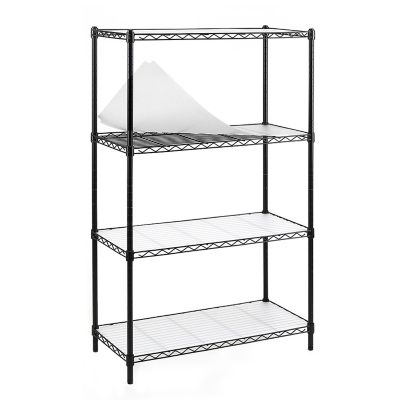
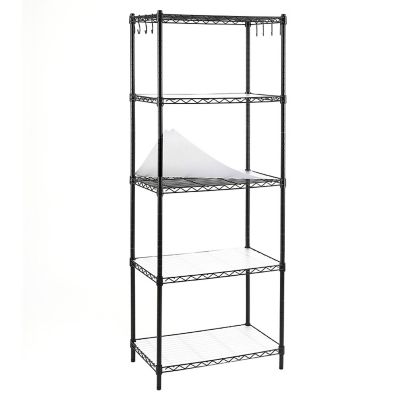
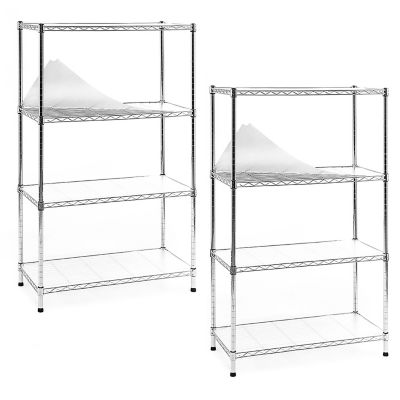
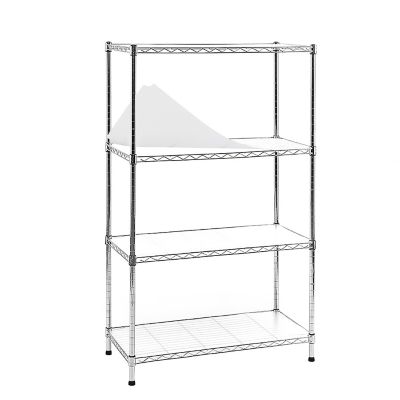
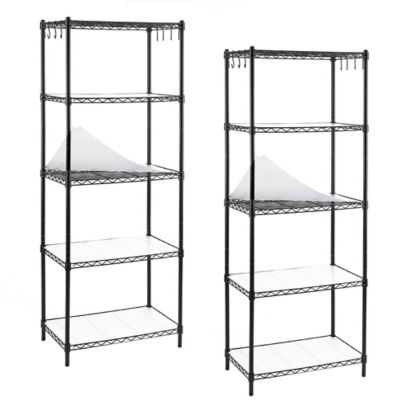
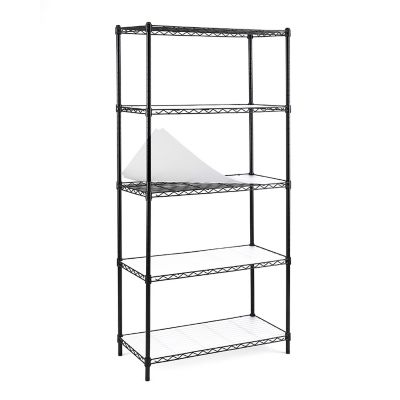
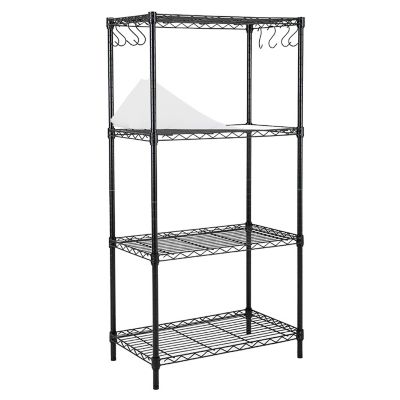
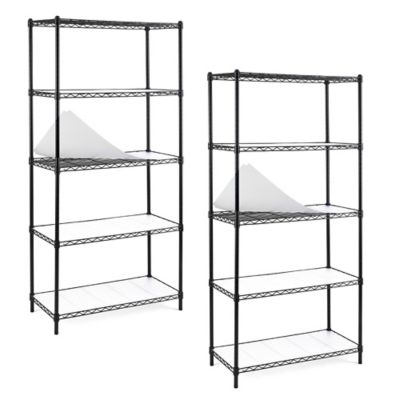
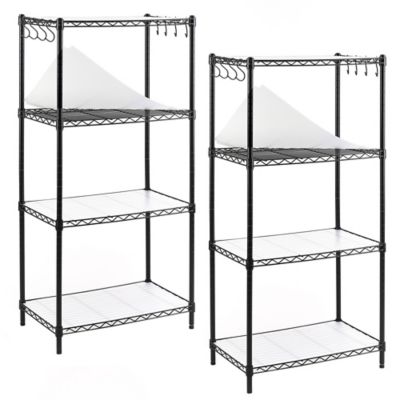
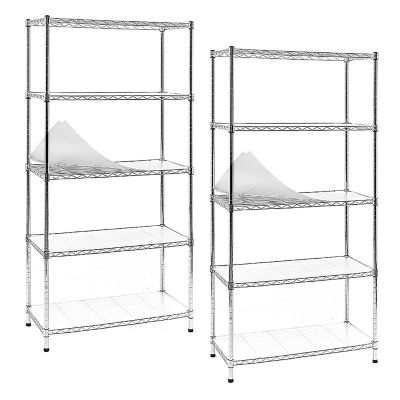
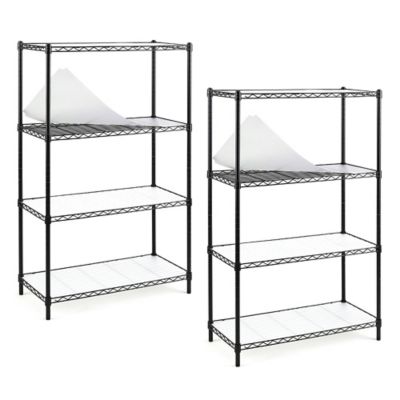
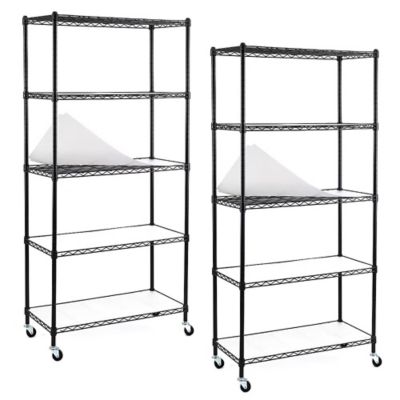
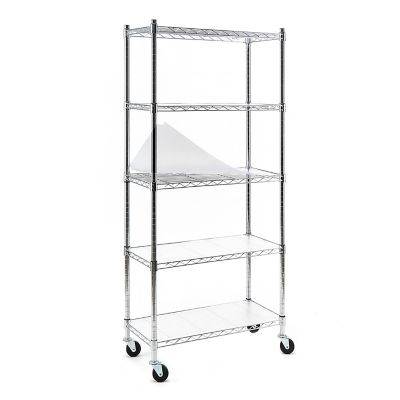
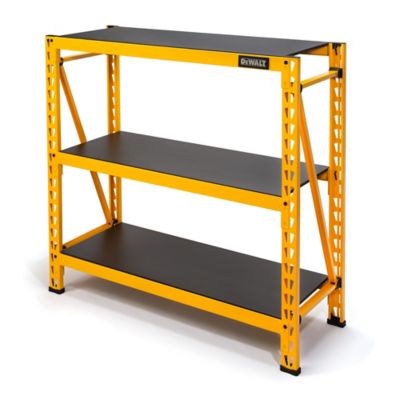
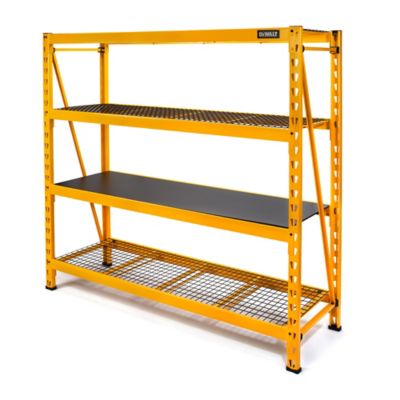
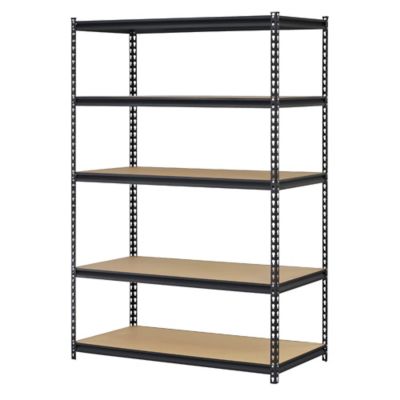
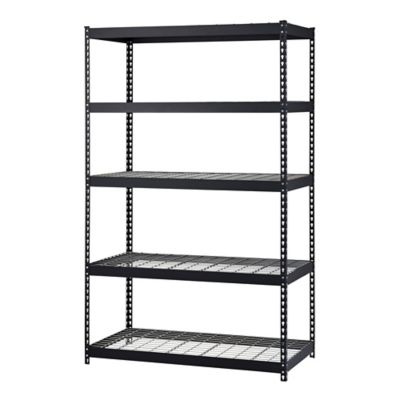
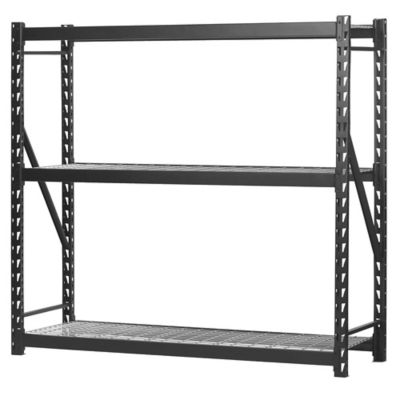
Steel racks bring a practical way to keep heavy supplies off the floor and make better use of the space in a garage, shop, barn, shed, warehouse or work area. Built with steel frames and shelves, these storage systems can handle loads that may be too much for lighter plastic shelving, making them a smart fit for tools, equipment, hardware, containers, parts and everyday work supplies. An open rack keeps items in plain view, while a closed-back design can help create a more finished storage area and keep smaller pieces from slipping behind the shelf. Wire shelving allows air to move around stored goods and makes it easier to spot what is on each level, which can come in handy in a mudroom, feed room or work space where damp coats, boots or containers need room to breathe. Some racks stand on fixed feet, while others include casters for moving supplies across a smooth floor. A mobile rack can help when a project calls for tools near one workbench and then across the shop, though wheels should be locked before loading or working from the shelves. Steel racks come in many heights, widths and shelf arrangements, so take a few minutes to measure the available area, including door swings, work aisles and overhead clearance. Think about the items that need a home, from small hand tools and fasteners to long equipment, boxed inventory, sheet goods, pipe or bar stock. A taller unit may make good use of open wall space, while a lower rack can keep frequently reached items close at hand and provide a work surface above. For a garage, a set of
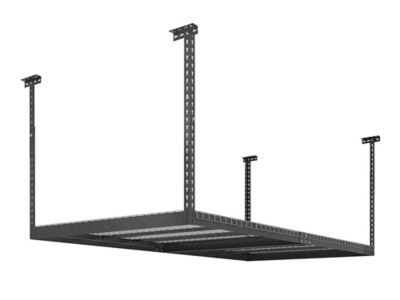
Garage Storage Racks can help separate lawn equipment, automotive supplies and seasonal gear without taking over the whole floor.
Before choosing a steel rack, look closely at the load rating for each shelf and for the full unit, and consider how the weight will be distributed. Dense items such as filled containers, boxed hardware, cast-iron parts and machinery accessories can put a lot of pressure on a shelf, especially when they are grouped together. Place heavier items on lower levels to help keep the rack steady and make lifting easier, then reserve upper shelves for lighter bins, spare parts or supplies that are not needed every day. Adjustable shelves add flexibility when storage needs change; wide spacing may suit buckets or larger equipment, while closer spacing keeps small cartons from leaving empty air above them. Boltless designs may go together with a straightforward assembly process, but every connection still needs to be seated properly and checked before the rack is loaded. If the frame calls for wall anchoring or another restraint, follow those directions and inspect the wall surface before installation. A level floor matters, especially for taller units, and racks should have enough room around them for safe walking, lifting and opening nearby doors. In a barn or unheated outbuilding, consider the finish and the amount of moisture, dust and changing temperature the rack may face. Wipe away spills, keep standing water from collecting around the feet and inspect for chipped coating or early signs of rust as part of regular shop upkeep. In a cleaner indoor space, open steel shelving can make inventory simple to scan, while a rack with solid shelves may better contain loose parts and small containers. Businesses, farms, maintenance crews and serious home workshops can all benefit from arranging supplies by task: fasteners together, fencing tools near the gate-repair area, plumbing parts beside the repair bench and seasonal equipment in a less-accessed section. Clear labels on bins and consistent shelf placement save steps during a busy afternoon and help the next person find what they need without digging through a pile.
Steel racks can also make a thoughtful gift for someone setting up a workshop, organizing a new garage or taking on more projects around a farm or rural property. They suit the neighbor who always has a stack of parts by the door, the parent building a work area for weekend repairs or the small business owner who needs a sensible place for inventory and supplies. The best fit depends on the recipient’s space, the weight of the items and whether the rack will stay in one spot or move around the room, so measurements and load needs are worth checking before bringing one home. During the cooler months, organized storage can make indoor work more comfortable by keeping firewood tools, snow equipment, repair supplies and outdoor gear from crowding the entryway or shop floor. In a livestock area, racks can keep grooming tools, buckets and maintenance items together and away from walk paths, though feed and animal products should always be stored according to their package directions and kept protected from moisture and pests. In a service bay or farm shop, racks can help create a clear route around equipment, make safety gear easier to reach and keep replacement parts visible before a repair begins. Look for shelf dimensions that fit your containers without excessive overhang, a frame suited to the expected load and an assembly style that matches the time and tools available. When shelves are arranged with the most frequently reached items at a comfortable height, daily chores feel less scattered: the socket set is close to the bench, gate hardware stays together and spare supplies are ready when a quick fix comes up. With thoughtful placement and regular checks, steel racks provide a straightforward way to reclaim floor space, sort working supplies and keep a garage, barn or shop ready for the jobs ahead.