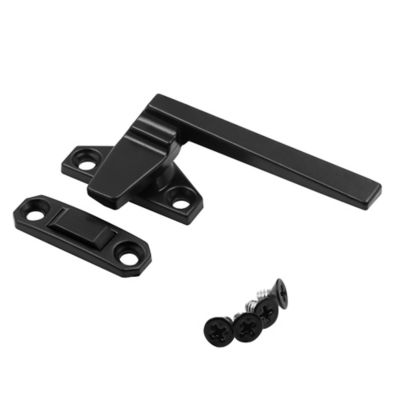
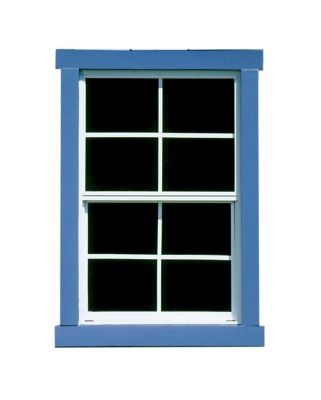
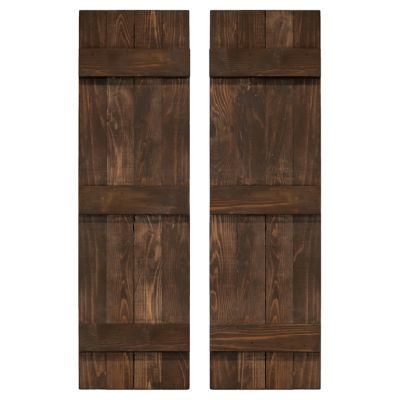
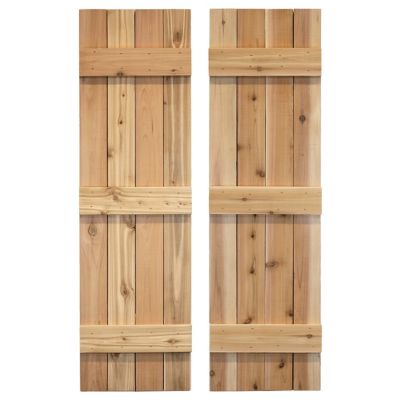
A casement window is a window with a sash hinged along one side that opens like a door, usually with a crank handle or lever. The sash is the framed section that holds the glass. Most crank-operated casement windows swing outward, although inward-opening designs also exist. Unlike a sliding or double-hung window, a casement opens by moving the sash away from the frame rather than sliding it past another section of glass. That construction gives casement windows a broad opening for ventilation and a clear view when the sash is closed, with the exact view depending on any grilles or divisions in the glass. They fit naturally into farmhouse kitchens, bedrooms, home offices, and finished workshops where daylight and an easy-to-operate opening matter. Above a deep kitchen sink or a work counter, a crank can be easier to reach than a sash that needs lifting, provided the handle remains within comfortable reach. A single casement suits a narrower opening, while paired casements or combinations with fixed windows can serve a wider wall. The proportions make a difference: a tall, narrow frame creates a different look from a broad arrangement of several window sections. Simple glass keeps the view open across a yard, while divided-light patterns bring a more traditional farmhouse look. Because the sash swings on hinges, the space outside the opening matters as much as the space inside. A window beside a porch, walkway, or outdoor work area needs room to open without putting the glass or hardware in someone’s path. Insect screens are commonly fitted on the room side of outward-opening casements, but screen placement and removal vary by design. The relationship between the screen, handle, and nearby blinds is worth considering, especially in a busy kitchen where each part needs to move without getting in the way.
Frame materials shape both the appearance of casement windows and the upkeep they need over time. Wood brings visible grain and takes paint or stain, making it a good fit where interior trim is a big part of the room’s character. Its finish needs attention, especially along joints and edges. Vinyl generally needs little beyond cleaning, although frame thickness, reinforcement, and finish choices differ among designs. Fiberglass offers another frame option with its own profiles and finish requirements, while aluminum can provide slender lines and a straightforward appearance. Some windows combine a wood interior with exterior cladding, so the care requirements are not necessarily the same on both sides. Glass construction also deserves attention. Single-pane and insulated glass assemblies differ, and the number of panes alone does not tell the whole story about sound reduction or overall performance. Published ratings provide a better basis for comparison than appearance alone. Clear, obscured, and patterned glass serve different needs, from keeping a view across the pasture to adding privacy beside a bathroom vanity. Safety glazing requirements can apply near doors, tubs, stairs, and other locations, depending on the opening and local building rules. Fit starts with knowing whether the project calls for a full-frame window or a replacement intended for an existing frame. The wall opening, frame depth, sill condition, and surrounding trim all affect that choice. An older farmhouse opening may look square until measurements reveal a bowed sill or uneven sides, and covering those problems does not correct them. Nominal size and actual frame size are not always the same, so the stated dimensions and installation requirements matter. Hinge placement matters, too. Left-hand and right-hand descriptions can depend on the manufacturer’s viewing convention; an opening diagram makes the intended swing clearer. For bedrooms or other locations requiring an emergency escape opening, the clear space with the sash fully open is what counts—not simply the outside dimensions of the window.
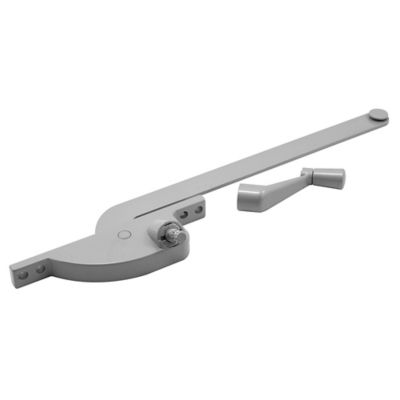
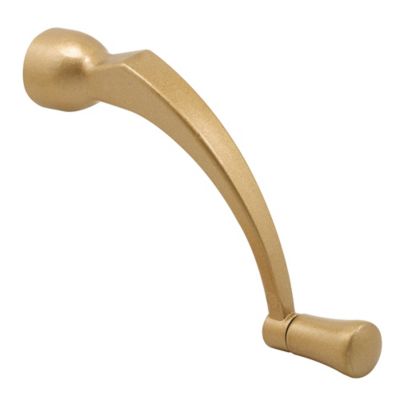
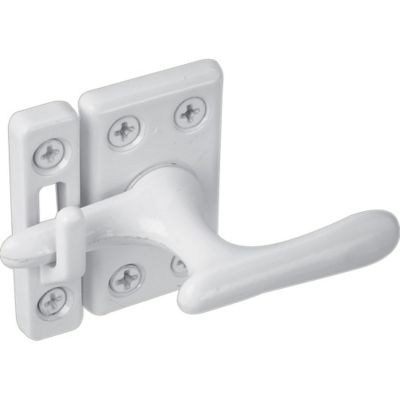
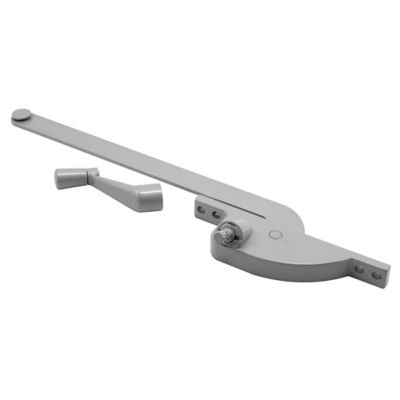
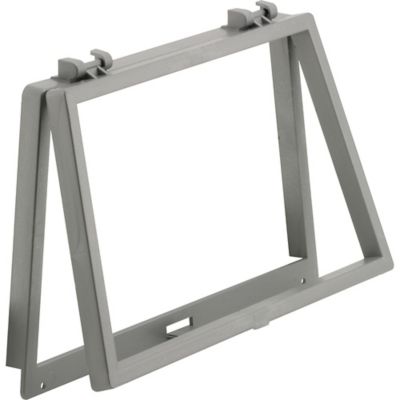
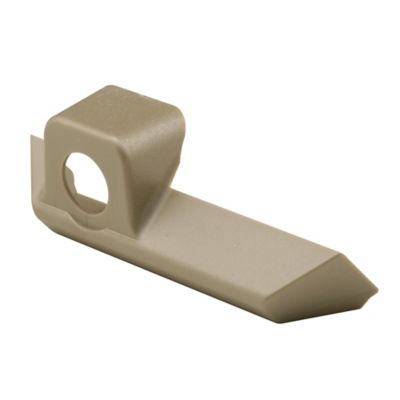
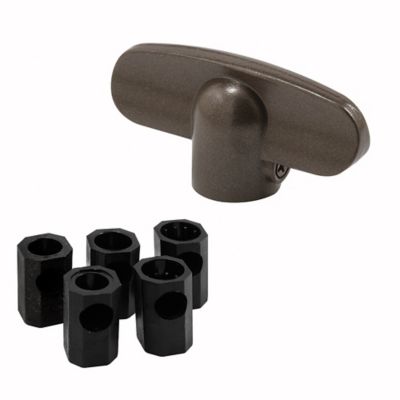
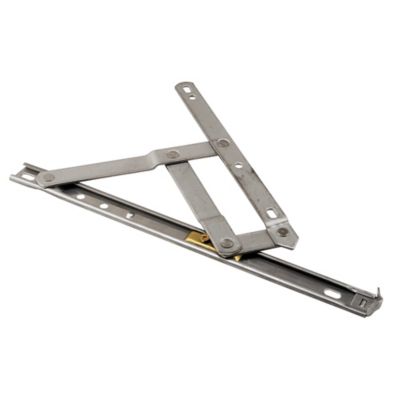
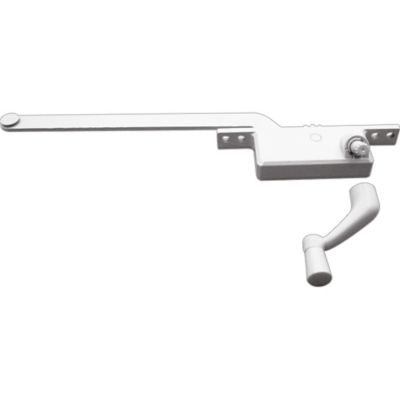
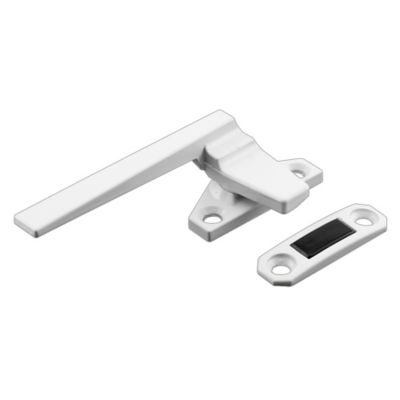
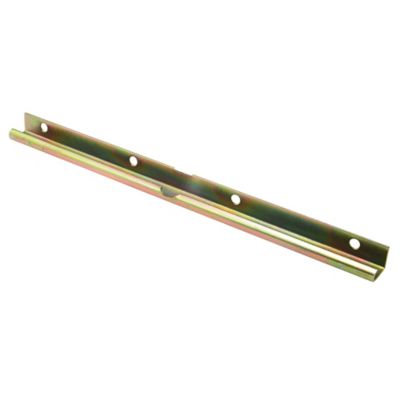
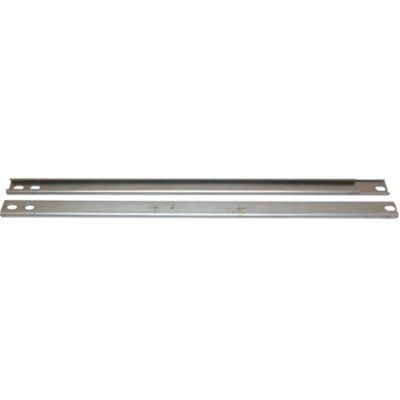
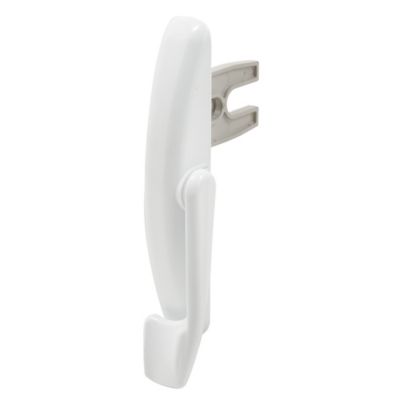
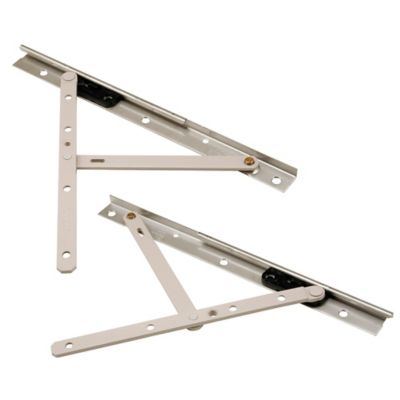
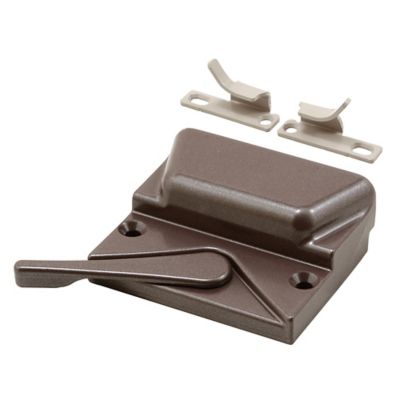
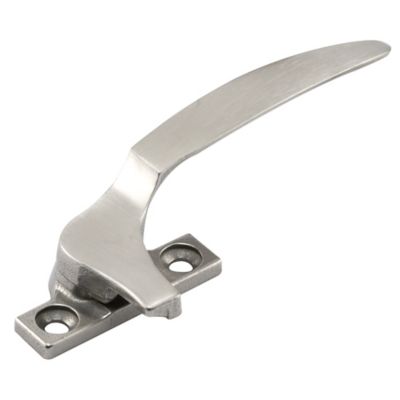
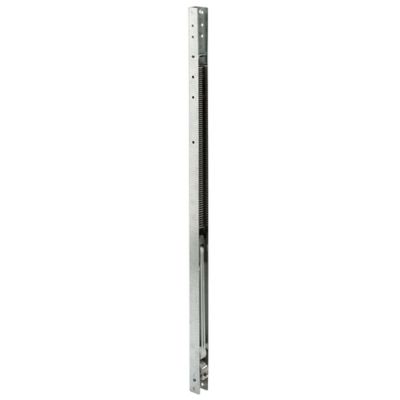
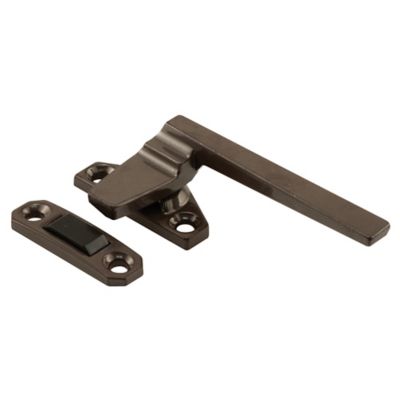
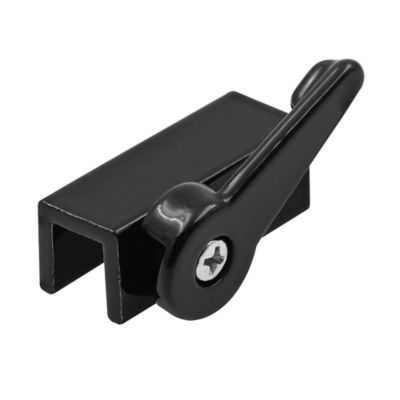
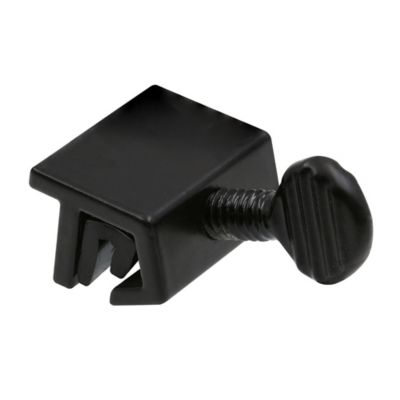
The parts that move and hold a casement window deserve as much attention as the frame and glass. Hinges support the sash, the operator controls its movement, and locking hardware holds it against the frame when closed. Depending on the design, one handle may engage several locking points. A smooth turn and an even fit are useful signs during an inspection, but a sticking handle does not automatically mean the operator is the only part needing attention. A sash that has shifted, loose mounting hardware, or debris along the frame can also interfere with movement. For a household replacing hardware rather than the entire window, matching the existing mechanism takes more than choosing a similar-looking handle. Operator arm length, mounting-hole spacing, hinge arrangement, sash weight, and connection style all affect compatibility. Homes with several window styles may also need
Window Sash Spring Balances for vertically sliding windows; those balances serve a different purpose from the hinges and operators on a casement. Routine care is generally straightforward: clean glass and frames with products suited to their finishes, keep grit out of moving parts, and follow the maker’s directions for lubrication. Screens need gentle cleaning and careful handling so the mesh and frame stay in shape. Seals should sit evenly without folds, loose sections, or heavy paint buildup. Paint around moving joints can bind a sash, while forcing a stiff crank can put extra strain on its gears and attachment points. Cleaning access also varies, so an easy-clean hinge should not be assumed on every outward-opening window. Upstairs openings and windows above porches may call for professional help with exterior cleaning or repairs. For homeowners fixing up a family place, property managers caring for rental homes, or folks finishing a workspace, the right combination comes down to sound fit, practical opening clearance, manageable upkeep, and hardware that suits the window’s size and everyday use.