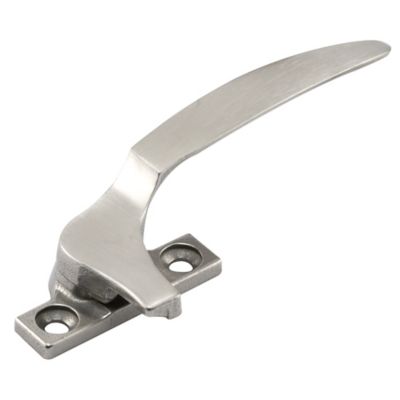
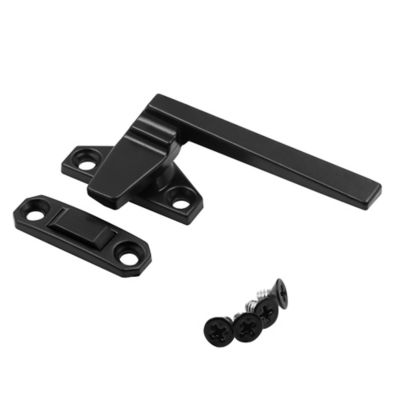
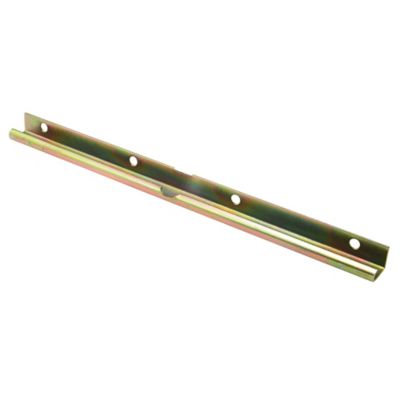
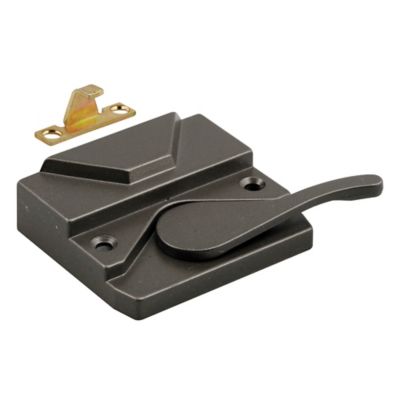
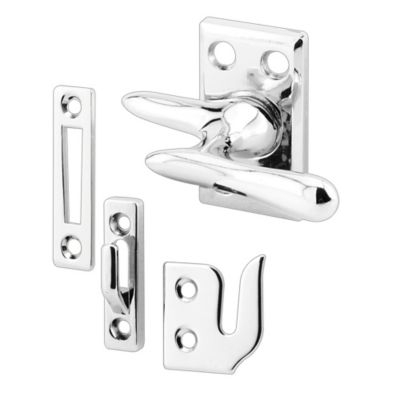
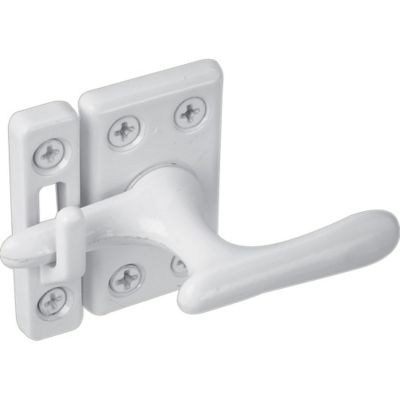
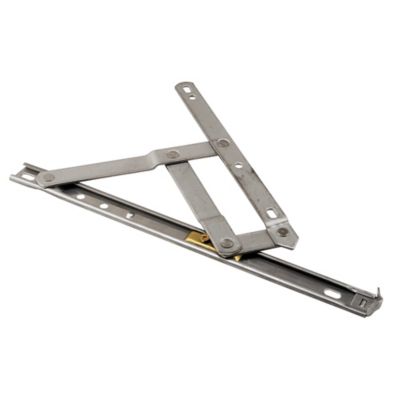
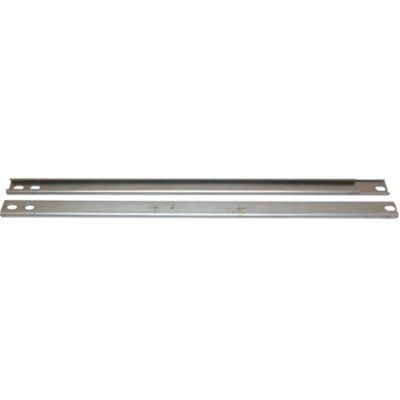
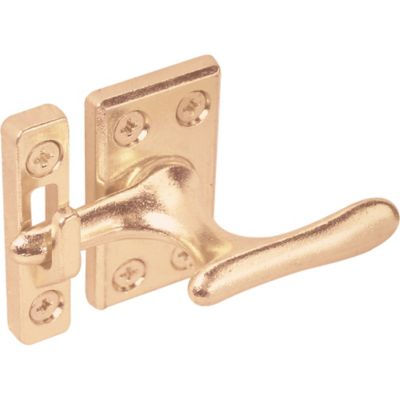
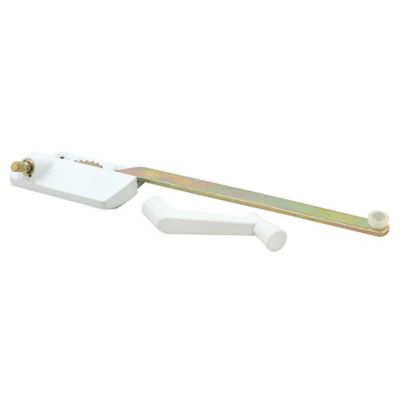
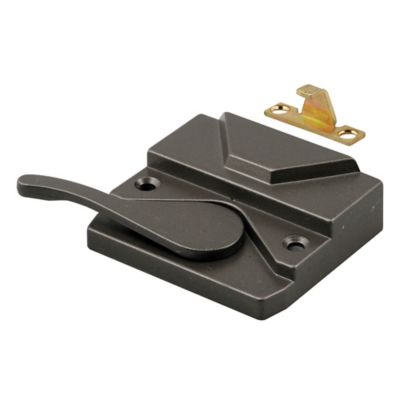
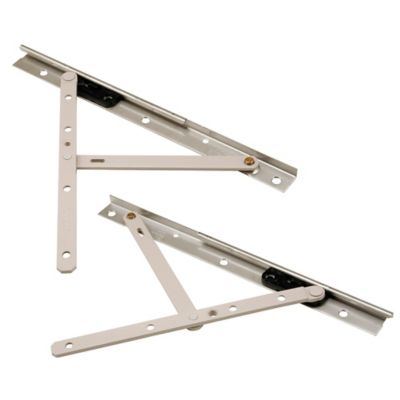
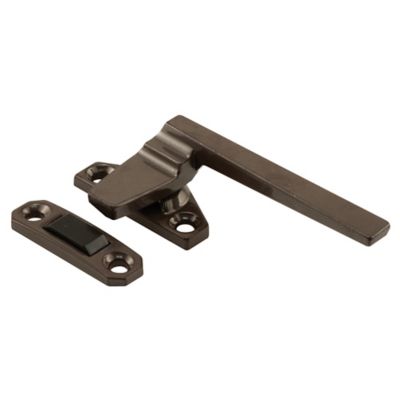
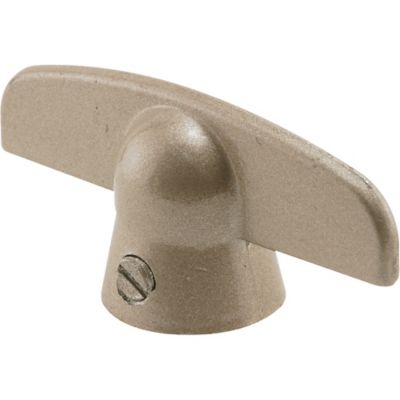
Casement hardware is the group of operators, hinges, handles, and locks that lets a side-hinged window open, close, and latch against its frame. Each part has a different job: the operator moves the sash, the hinges support and guide it, the handle provides a grip, and the locking hardware holds the closed sash in place. Together, these components make a familiar window easier to manage, whether it sits above a farmhouse kitchen sink, beside a workbench, or along the wall of a country home. Many casement windows open with a crank connected to a geared operator, while others swing by hand and rely on stays or similar hardware to control their position. A crank-operated setup can be especially handy where a deep counter or cabinet makes reaching the sash awkward. The operator may have a single arm or a paired-arm arrangement, with its movement matched to the window’s design. Hinges and tracks carry the sash through its opening path, so their shape and mounting locations matter just as much as the crank itself. Locks may engage at one point or connect to a mechanism that secures several points along the sash. Handles can be fixed or folding, with folding styles helping reduce interference near blinds and other window treatments. These differences make casement window hardware more than a matter of choosing a finish that looks right. The way the window opens, the weight it carries, and the space around the frame all influence which hardware belongs there. For homeowners, rental-property caretakers, and folks looking after an older house, understanding those basic roles helps narrow a replacement search without treating every stiff crank or loose latch as the same problem. A sound window with a worn moving part may need attention to that component rather than a change to the entire assembly, though the condition of the sash and frame still matters.
Fit starts with the window’s original hardware design, not simply its overall appearance. Two operators can have similar covers and handles but different arm lengths, offsets, mounting-hole spacing, or connections to the sash. Even a small difference can keep the window from traveling properly or pulling fully closed. Identifying marks on the existing assembly, along with its dimensions and connection points, can help distinguish one hardware pattern from another. Left-hand and right-hand configurations also matter, and the meaning of those terms can vary with the manufacturer’s viewing convention. Matching the original orientation is a better approach than assuming that a handle on one side tells the whole story. Handle fit deserves the same attention: the spindle or spline connection, attachment method, and clearance around the operator cover all need to agree with the assembly underneath. Hinge selection involves the sash dimensions, weight, opening geometry, and specified mounting arrangement; a hinge that attaches to the frame is not necessarily suited to the load. Materials contribute to service life as well. Steel, stainless steel, zinc alloys, and aluminum appear in different hardware components, with protective coatings and finishes helping address surface wear and corrosion according to the application. Material alone does not establish suitability, since the design, finish, fasteners, and surrounding frame all work together. On a painted wood window, a neat-looking replacement still needs firm attachment beneath the paint. On another frame type, the mounting method may depend on designated attachment points and compatible screws. Finish selection can keep visible cranks and latches coordinated with nearby fixtures, but appearance comes after mechanical fit. A low-profile handle may leave more room for a shade, while a grip with adequate finger clearance can be easier to turn above a sink. Those everyday details make a difference when the window gets opened and closed regularly, especially where access is limited.
Long service starts with hardware that operates without being forced. A crank that suddenly takes more effort, an arm that scrapes, or a latch that no longer meets its keeper can point to more than wear inside a single component. Paint buildup, debris in a track, loose fasteners, sash misalignment, or movement in the frame can all interfere with normal operation. Turning harder can damage gears or bend an arm, so resistance deserves attention rather than a stronger grip. For routine care, accessible surfaces generally benefit from gentle cleaning with a soft cloth and a cleaner suitable for the finish. Tracks and moving joints need to stay free of grit, while lubrication should follow the hardware manufacturer’s directions; not every surface or mechanism calls for the same treatment. Abrasive cleaners can scratch finishes, and excess lubricant can collect dirt instead of helping movement. Fasteners should hold securely without stripping their attachment points or crushing nearby material. When hinges, support arms, or their mounting areas need repair, the sash may require support, making an experienced window professional a sensible choice for heavy windows or difficult access. Locks should engage smoothly and draw the sash into its intended closed position, not compensate for a window that sits out of alignment. Their role also differs from that of opening-control devices, which have separate requirements where a window’s opening must be limited. Any repair should preserve required emergency escape operation where applicable. Homes with a separate storm-window layer have another set of attachment and closure needs;
Storm Window Hardware relates to that separate assembly rather than the main casement operator and hinges. Keeping those systems distinct helps avoid confusing parts that serve different purposes. Whether the job involves a frequently opened kitchen window or a less-accessible sash in a workshop, well-matched hardware supports steady movement, a comfortable grip, and a secure close without making an everyday task harder than it needs to be.