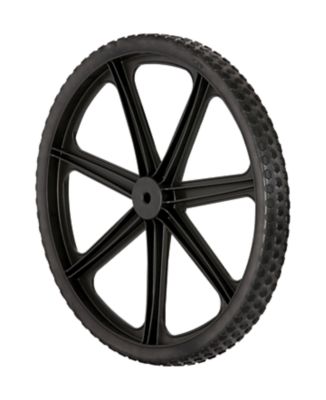
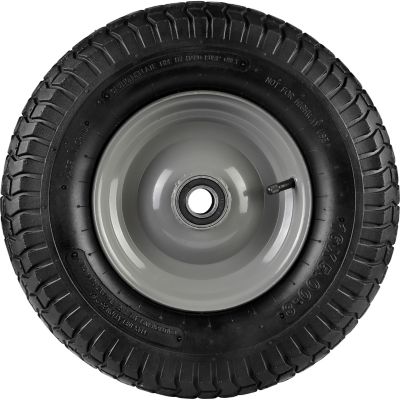
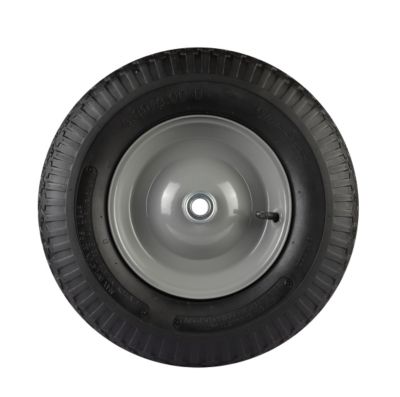
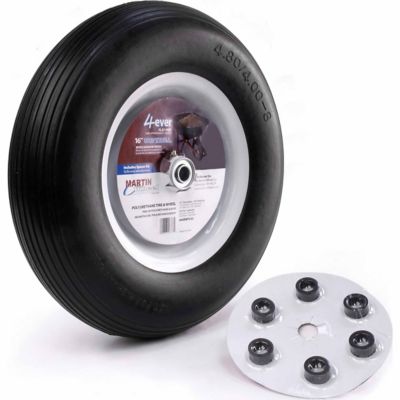
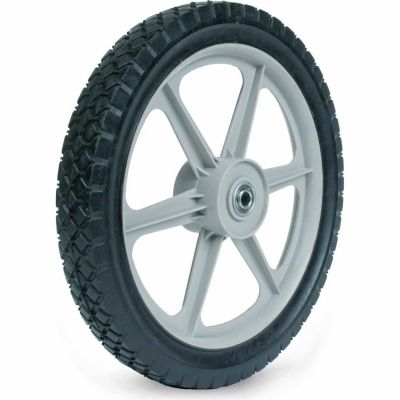
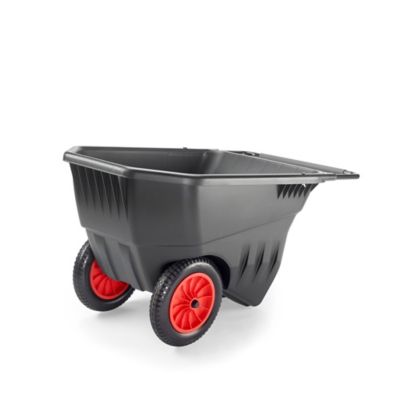
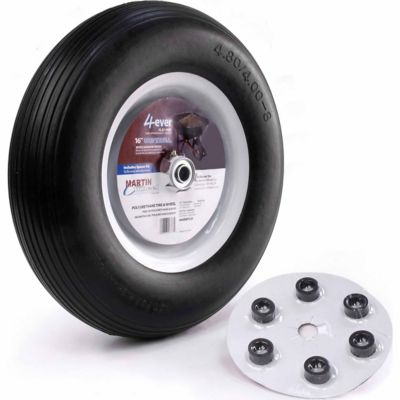
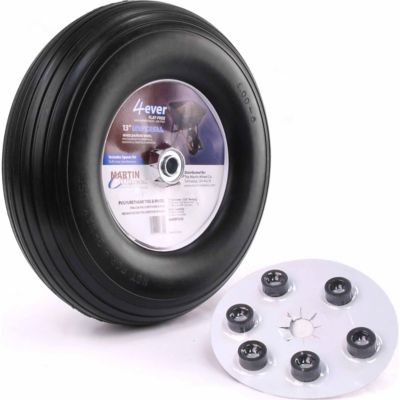
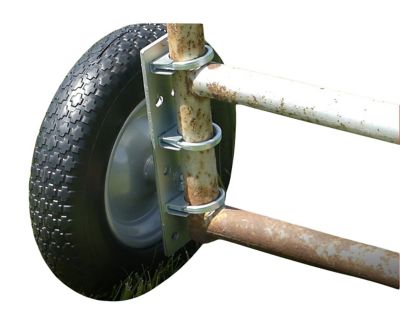
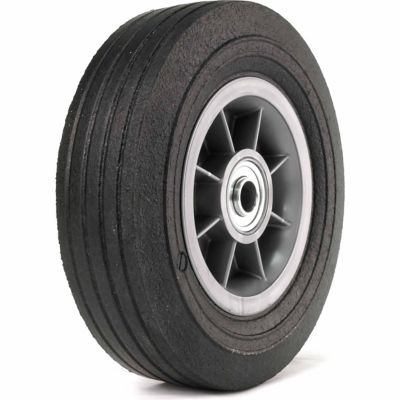
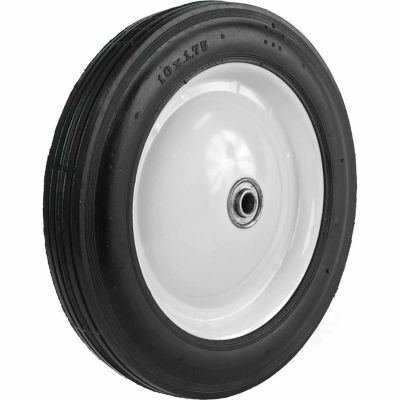
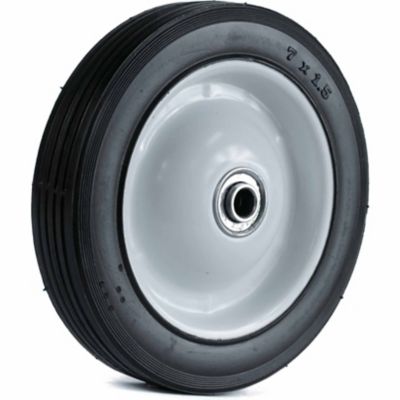
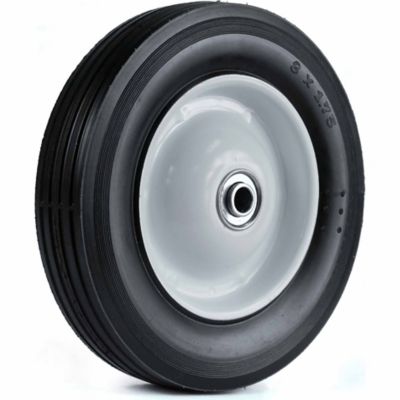
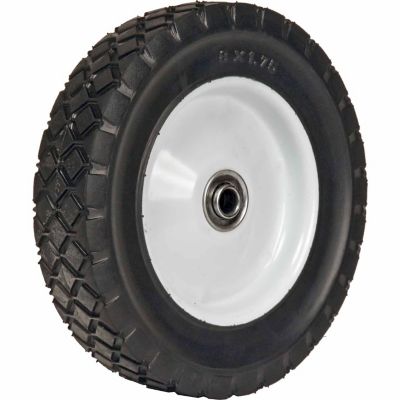
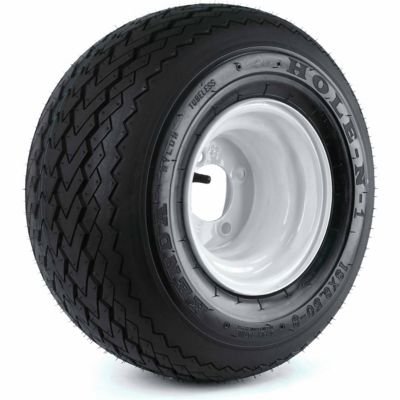
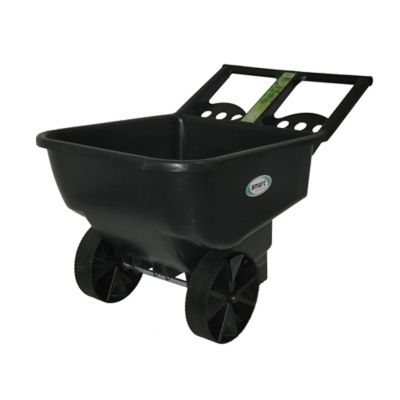
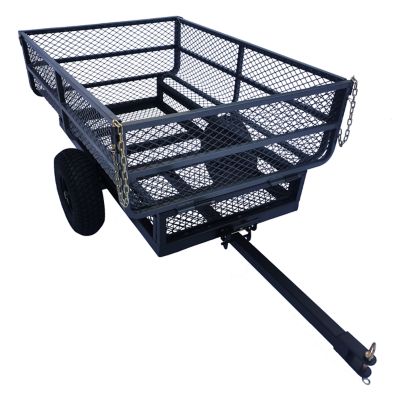
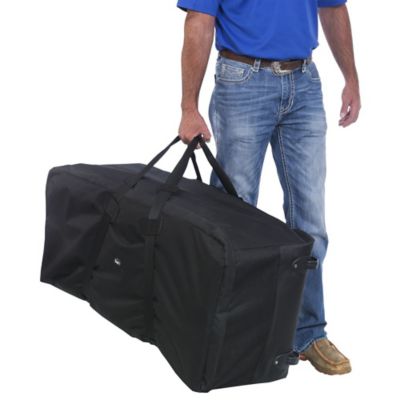
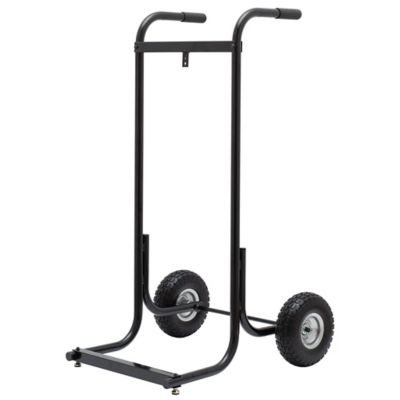
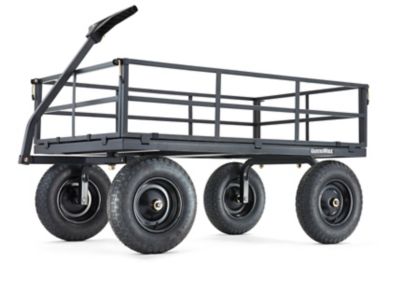
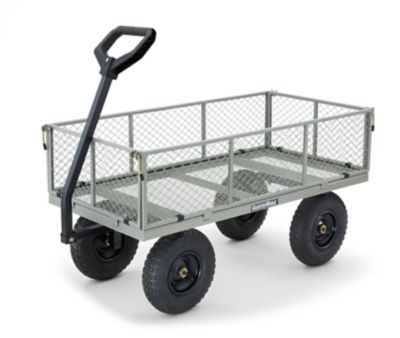
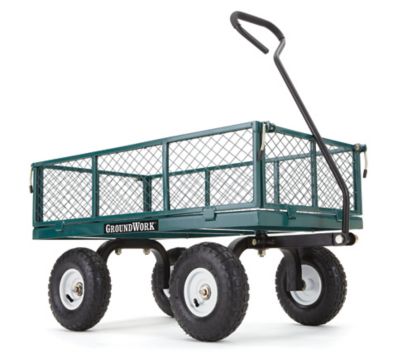
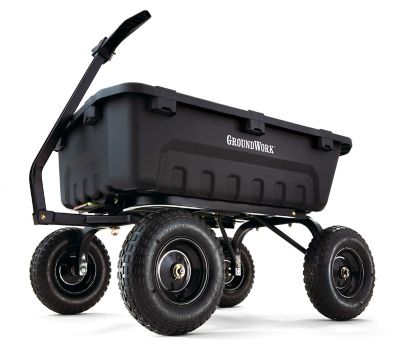
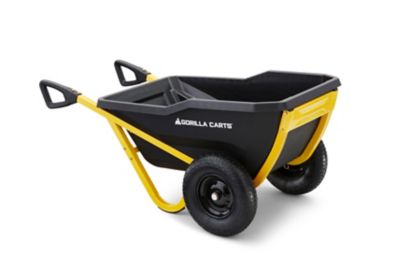
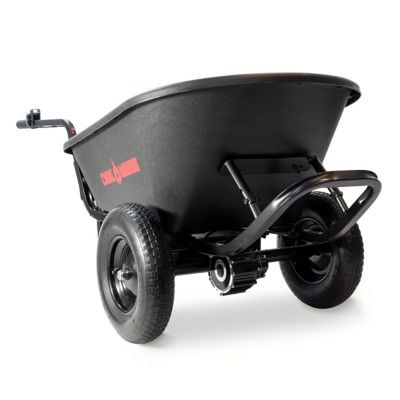
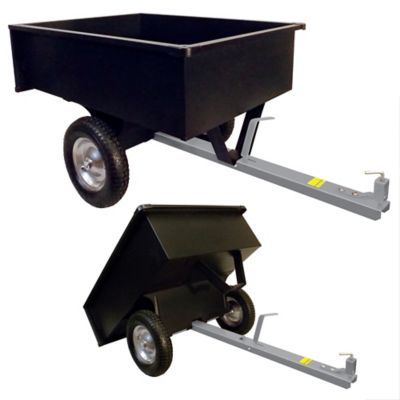
Cart wheels help keep work moving across the farm, shop, garage, barn, garden, and home. The right wheel can make a loaded cart easier to steer, help it roll over packed ground, and reduce the strain that comes with pulling or pushing supplies from one spot to another. When shopping, start with the cart itself and check the wheel diameter, width, axle opening, mounting style, and load rating. A wheel needs to fit the hub or bracket securely, with enough clearance that it can turn without rubbing the frame. Larger wheels generally roll more easily over gravel, ruts, grass, and thresholds, while smaller wheels can be a good fit for compact carts that spend most of their time on concrete or smooth floors. Wheel width also matters. A wider tread spreads weight over a larger area and may leave less of a track in soft soil, while a narrower wheel can turn neatly in tighter spaces. Think about the routes the cart takes on a regular day: across a shed floor, down a gravel lane, over a board at the barn door, or along a damp garden path. Those details will help narrow the field before you compare materials and construction. A wheel with a pneumatic tire can cushion bumps and give a softer ride over uneven ground, though it needs air checks and protection from punctures. Solid tires do not require inflation and can be handy around nails, thorns, and rough work areas. Semi-pneumatic styles offer some give without the same air pressure routine. Tread patterns can help with traction on loose ground, while smoother surfaces tend to roll with less resistance on paved floors. Matching the wheel to the load and terrain is the best way to keep a cart balanced and easy to handle.
Before fitting cart wheels, set the cart on a level surface and remove the load. Block the frame so it cannot shift, then compare the old wheel or mounting point with the replacement wheel’s measurements. Pay close attention to the axle length, bearing or bushing size, spacer placement, and any washers or retaining hardware. A wheel that looks close at a glance may not sit correctly if the hub is too narrow, the axle is too large, or the frame leaves too little room for the tire. Once installed, the wheel should spin freely without side-to-side wobble, scraping, or binding. Check that fasteners are snug and that the cart sits level before putting it back to work. If the wheel has an air-filled tire, follow the pressure range marked on the sidewall rather than filling it as hard as possible. Overinflation can make the ride harsh and may reduce the tire’s contact with the ground; too little pressure can make steering difficult and place extra stress on the sidewall. Give all wheels a quick look before hauling firewood, feed bags, fencing supplies, tools, or soil. Clear packed mud from the tread, remove twine or wire wrapped around the axle, and inspect for cuts, cracks, bent hardware, or a loose hub. During the cooler months, carts often travel over wet leaves, frozen patches, and slick barn approaches, so slow turns and steady loads matter. Keep heavy items low and centered, avoid stacking a load higher than the cart sides, and use a controlled pace on slopes. If a cart begins pulling to one side, stop and check the wheel alignment, tire pressure, and axle hardware before continuing. A few minutes of care can make a noticeable difference when a cart is carrying a full load across the yard.
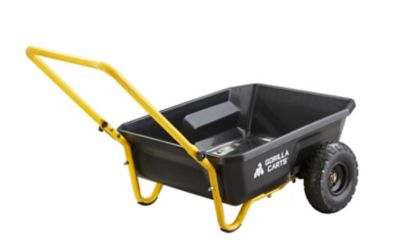
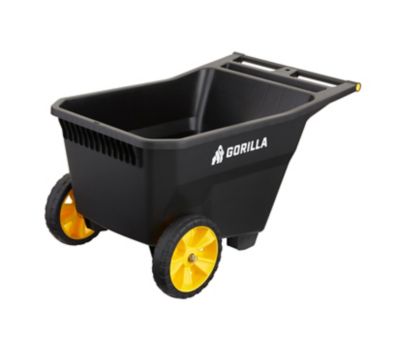
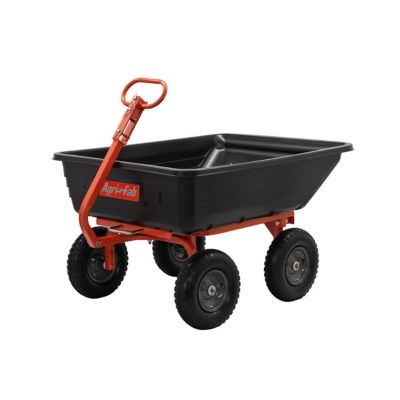
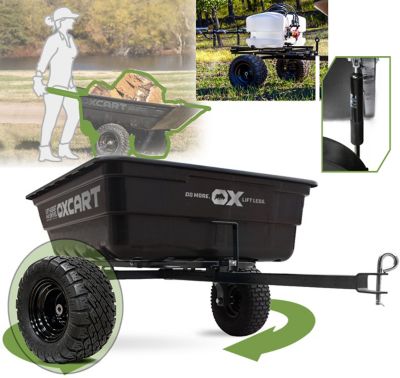
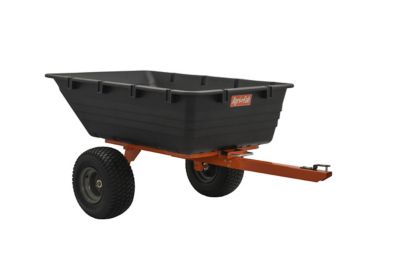
Cart wheels suit many people who spend time moving materials by hand, from landowners and gardeners to stable workers, maintenance crews, and weekend shopkeepers. They can also make a practical gift for someone settling into a new home with a yard, tending raised beds, caring for livestock, or keeping a busy workshop. A fresh set of wheels can bring new life to a cart frame that still fits the job but has worn tires, stiff hubs, or wheels that no longer track straight. They are useful for everyday chores such as hauling split logs, moving bags of bedding, carrying watering cans, gathering fallen branches, or bringing tools from the truck to a far corner of the property. In a small garden, the right wheel helps a cart glide between rows without tearing up the soil. Around a barn, a treaded wheel can help cross packed dirt and straw, while a smooth-running option may be more comfortable on concrete aisles. For larger hauling needs, explore
Cargo Carts and compare the cart’s capacity, handle position, wheel layout, and terrain requirements before choosing a setup. Keep the cart’s intended load in mind rather than relying on appearance alone; a light garden load calls for different handling than stacked firewood or building materials. Store carts under cover when possible, especially when rain and frost settle in, and keep tires away from sharp scrap, solvents, and prolonged direct sun. Whether the goal is smoother trips across a pasture lane or easier movement through a crowded shed, well-matched cart wheels help turn ordinary hauling into a steadier, less tiring part of the day.