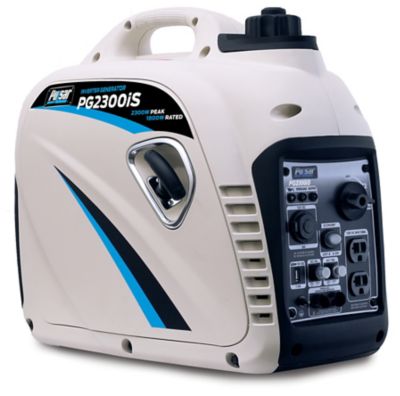
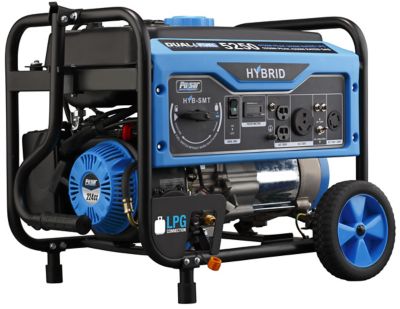
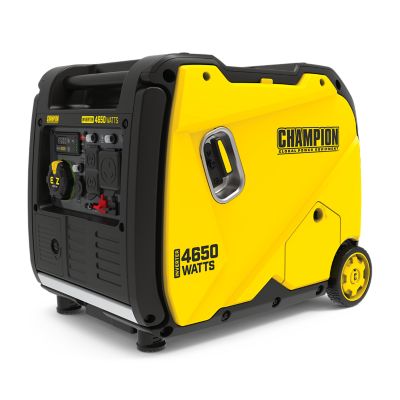
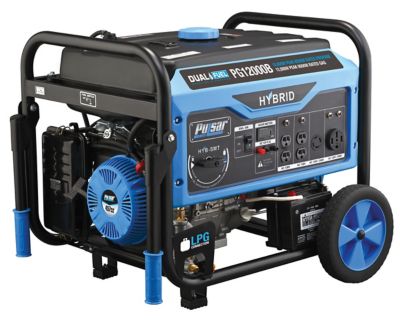
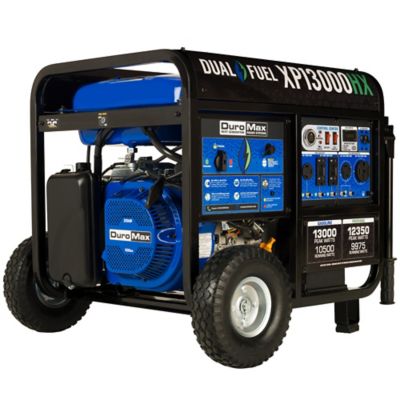
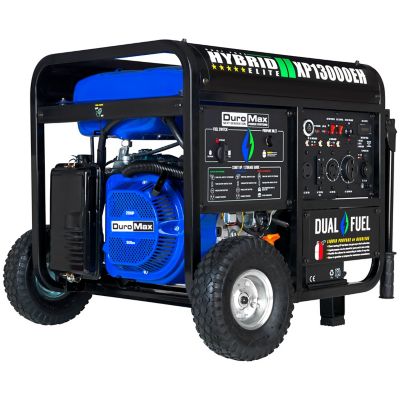
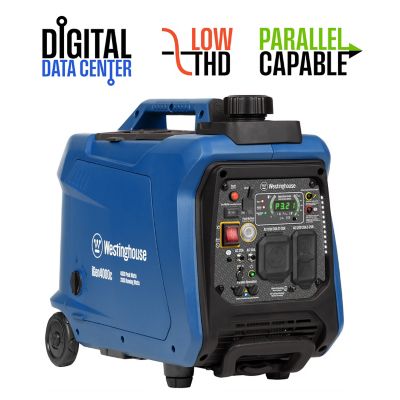
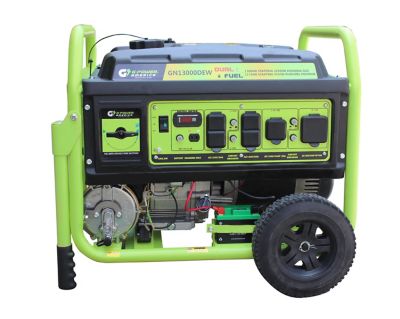
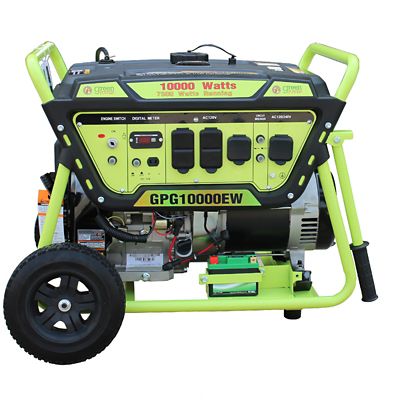
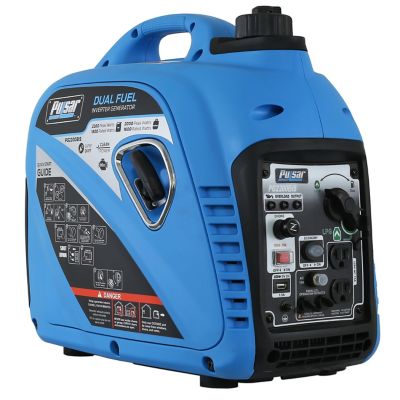
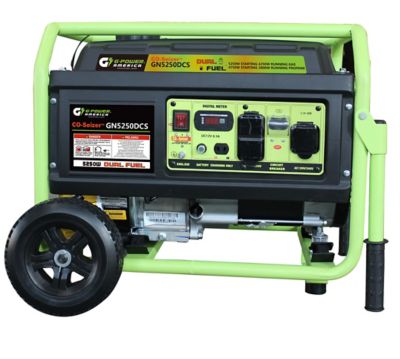
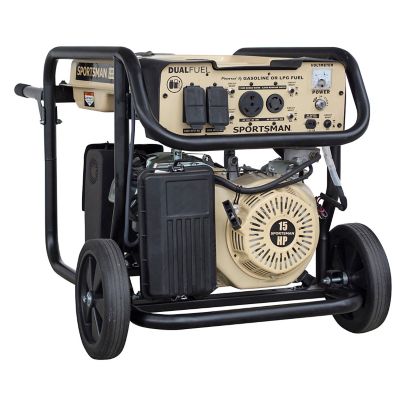
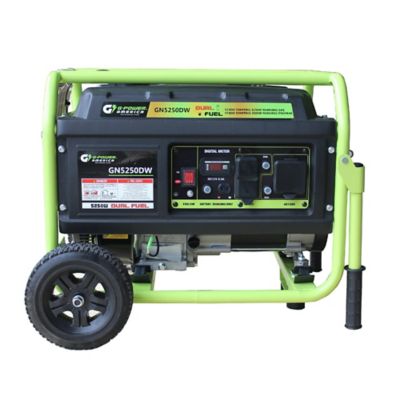
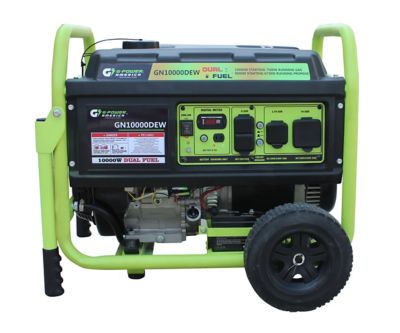
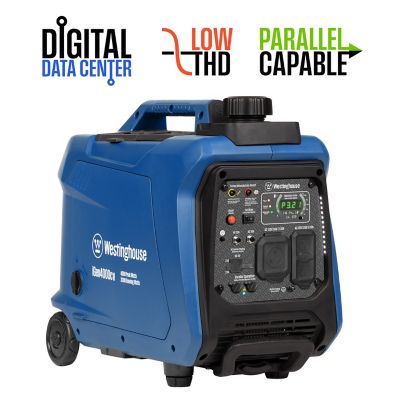
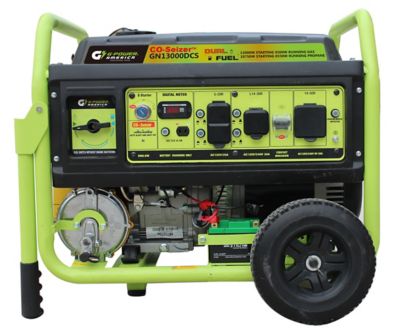
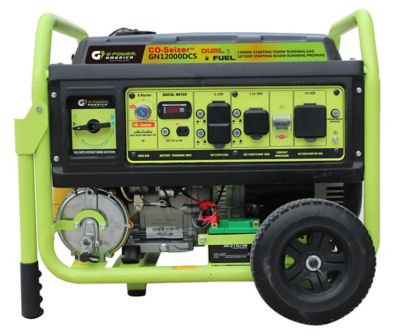
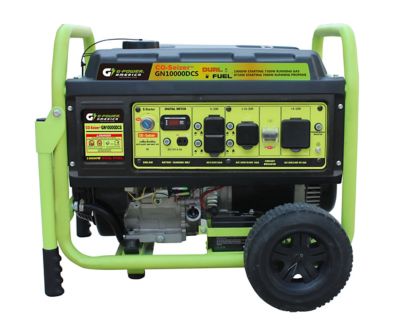
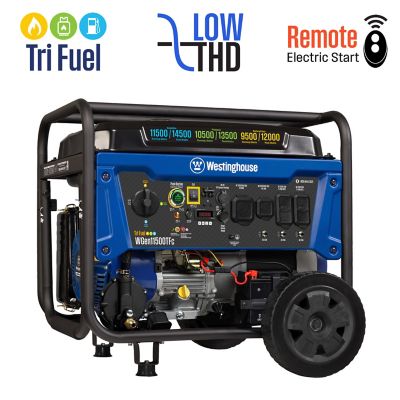
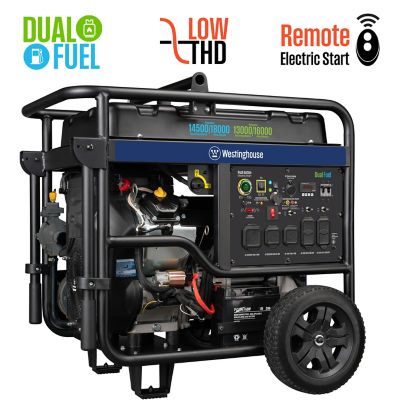
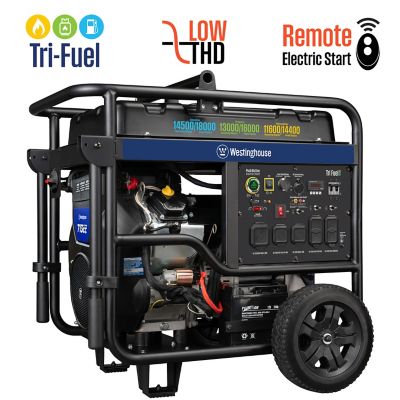
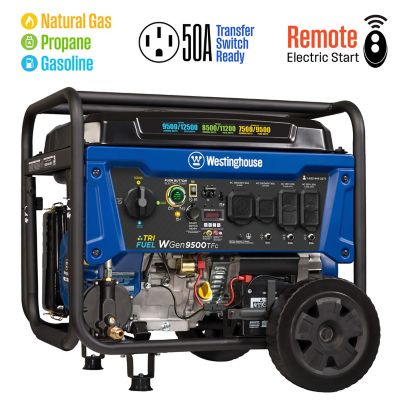
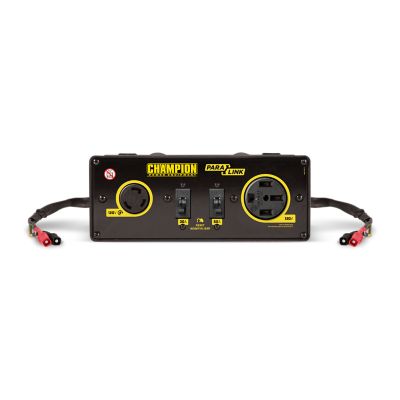
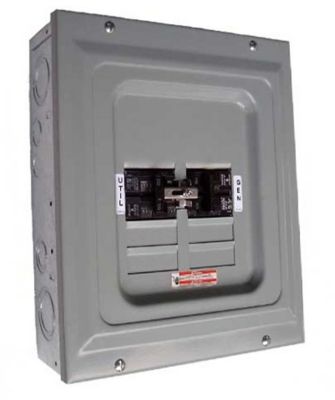
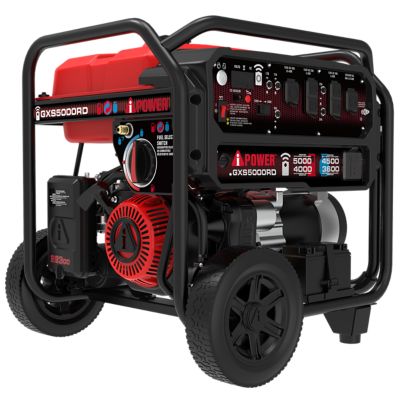
CARB compliant generators meet the air-quality and emissions standards set by the California Air Resources Board (CARB). These standards are designed to limit certain exhaust pollutants and evaporative emissions from small off-road engines, including portable generators. That makes CARB compliance an important detail for shoppers in California and in other areas that follow similar emissions rules. New generators that do not meet applicable CARB requirements generally cannot be sold or shipped to buyers in California, so checking the compliance label before placing an order can help prevent surprises. A CARB compliant generator can be a practical choice for more than regulatory reasons, too. Tighter emissions controls support cleaner operation when the unit is used as directed, while features such as carbon monoxide monitoring and automatic shutoff can add another layer of protection around the home, campsite, workshop, or barn. These generators are commonly used during power outages, severe weather, planned utility shutoffs, and other situations when dependable electricity matters. They can keep a refrigerator cold, run a sump pump, power lights, charge phones, operate select tools, or support essential equipment for a limited time. During the cooler months, a generator may also help keep a furnace blower or other critical household system running, provided the generator has enough capacity and the appliance is connected safely. As with any fuel-burning engine, a compliant generator must be operated outdoors, well away from doors, windows, vents, and other openings. Never run one in a garage, shed, barn, crawl space, or enclosed porch, even with a door open. Place it on a dry, stable surface and use heavy-duty outdoor-rated extension cords or a properly installed transfer switch handled by a qualified professional.
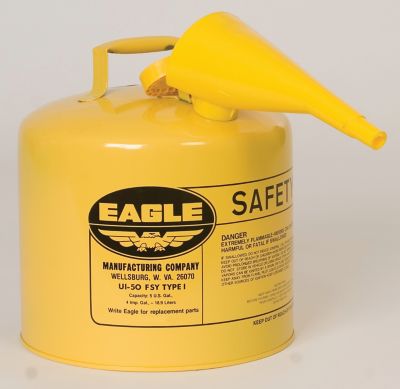
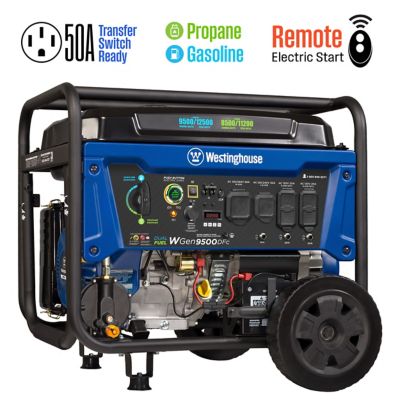
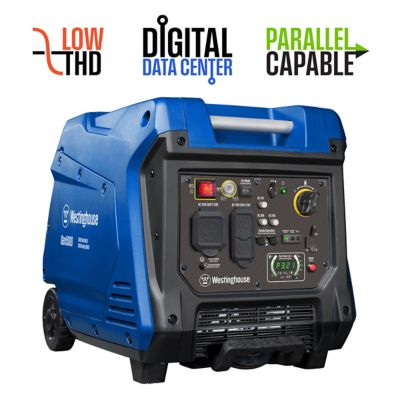
Choosing among CARB compliant generators starts with figuring out which loads need power and how much electricity they require. Running watts describe the power an appliance uses after it starts, while starting or surge watts cover the brief extra demand from equipment with motors, such as refrigerators, freezers, well pumps, air compressors, furnace blowers, and some power tools. Add the running watts for the items you expect to use at the same time, then allow room for startup surges rather than sizing right at the limit. A smaller generator may be a good fit for lights, chargers, a refrigerator, and a few basic appliances, while a larger unit may be needed for a well pump, multiple freezers, heating equipment, or heavier tools. Avoid assuming that a generator’s highest advertised number is the amount it can provide continuously; compare the rated or running wattage when planning a load. Fuel choice is another everyday consideration. Gasoline is widely available and may be convenient for short-term use, but it should be stored only in approved containers and managed carefully. Dual-fuel models can run on gasoline or propane, giving households another option when one fuel is hard to find. Propane stores for long periods when handled properly and may be useful for emergency readiness, though cold conditions, tank size, and the generator’s output on each fuel can affect performance. Look at the outlet types, cord connections, electric-start or recoil-start setup, tank size, runtime, portability, wheel kit, noise rating, and maintenance requirements. A generator that is easy to move, refuel, inspect, and start is more likely to be useful when the lights go out and the weather is rough. For shoppers comparing generator options alongside
Generac Generators, the same basics apply: match the unit to the planned electrical load, confirm the model is approved for the intended location, and review the owner’s manual for fuel, grounding, connection, and service instructions.
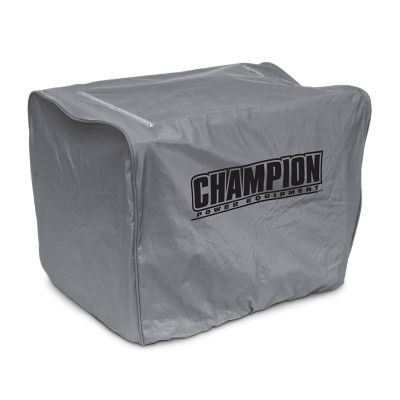
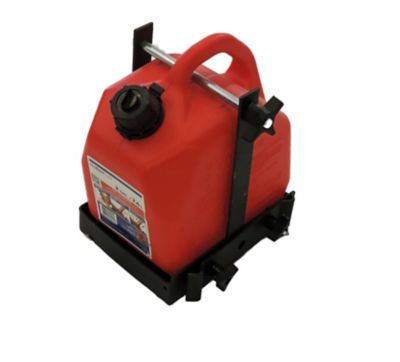
CARB compliant generators can also make a thoughtful gift for a homeowner, camper, hunter, property owner, or do-it-yourselfer who likes to be prepared. They are especially useful for rural households where an outage can affect a well pump, livestock water system, freezer full of food, gate opener, security equipment, or workshop tools. A generator may serve an RV owner at a remote campsite, a contractor working where utility power is unavailable, or a family preparing an emergency kit for storms and other disruptions. Before giving one as a gift, consider the recipient’s storage space, preferred fuel, physical ability to move the unit, and the equipment they are most likely to run. It is helpful to include practical supplies such as outdoor-rated cords, approved fuel containers, a weather-resistant cover for storage, and a carbon monoxide alarm for the home. A cover should never be used while the generator is running unless it is specifically designed and approved for operating conditions. Regular care helps protect the investment: inspect cords and fuel lines, check oil as directed, run the generator periodically according to the manual, keep air filters clean, and use fresh fuel or approved fuel treatment when recommended. Store gasoline and propane away from ignition sources and follow local fire and storage rules. Carbon monoxide protection built into some models is valuable, but it does not replace safe placement, ventilation, or attention from the operator. During a power outage, connect only the equipment the generator can handle, keep children and pets away from hot surfaces and moving parts, and let the engine cool before refueling. With the right size, fuel setup, safety features, and maintenance plan, a CARB compliant generator can provide steady backup power for everyday essentials through changing weather and the cooler seasons.