ATV and UTV lift kits raise a machine’s ride height, creating more room beneath parts of the chassis and, in some setups, room for larger tires. That extra space can help when crossing a rutted pasture lane, easing over exposed roots or reaching a fence line beyond the beaten path. Common designs include shock spacers, shock-mount brackets, larger suspension lift systems and portal gear lifts, with each approach changing the machine in a different way. Spacer kits work at the shock or spring assembly, depending on their design, while bracket kits reposition suspension mounting points. These options generally serve smaller lift goals without replacing as much of the suspension. Larger suspension systems can involve replacement control arms, axles, steering components and other parts that work together to accommodate a greater change in height. Portal systems place gearboxes at the wheel ends, moving the wheel centerline below the axle centerline; many also provide gear reduction to help turn larger tires. Lift height alone does not tell the whole story, though. A suspension lift does not necessarily raise every low point by the same amount, especially on machines with a solid axle, where tire size largely determines clearance beneath the differential. Nor does added height automatically mean more suspension travel or a softer ride. A spacer that changes spring preload may affect how the suspension feels without changing the spring’s rate. For a ranch hand carrying fencing supplies or a trail rider working through rocky stretches, the useful choice is the setup that addresses the obstacle without adding more height than the job calls for. A modest lift can suit a machine that needs a little breathing room beneath its frame, while a more involved system belongs with a build whose tires, drivetrain and intended terrain support the change. The goal is a balanced machine, not simply the tallest stance.
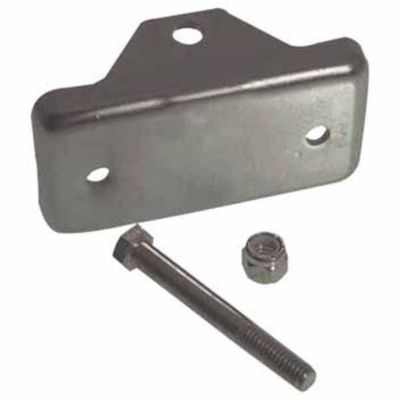
Fit matters down to the vehicle’s make, model, year, trim and suspension configuration. Two side-by-sides with similar names can have different shock mounts, axle lengths or suspension layouts, so a lift kit needs to match the exact application rather than just the general vehicle family. Factory suspension packages and earlier modifications also affect compatibility. Advertised lift measurements are not a promise of identical results on every machine: spring condition, accessory weight, tire pressure and load can all influence the final stance. Tire clearance deserves the same close attention. A larger tire may clear the fender while parked yet contact a body panel, brake line or suspension component when the steering reaches full lock or the suspension compresses. Wheel width, offset and tire dimensions all play a part, and a wheel change can alter steering feel and loads on bearings. Materials and construction matter here because lift components carry forces through the suspension every time the machine crosses a rut or drops a wheel into a hole. Steel brackets can provide substantial mounting support, while aluminum spacers offer a different balance of weight and corrosion resistance. Neither material alone determines how well a kit suits a machine; component thickness, machining, welds where applicable, mounting design and specified hardware all deserve attention. Powder-coated or plated surfaces help protect metal, although scraped finishes and trapped mud can leave areas vulnerable to corrosion. Depending on the system, installation may also involve alignment, brake-line routing, axle-angle checks or adjustments to steering components. A bolt-on design can still call for proper lifting equipment, torque tools and mechanical experience. Larger changes can require additional parts beyond the lift components themselves. Clear application information and installation requirements make it easier to understand the complete setup before the machine heads back to chores or the trail. Professional installation is worth considering when the work reaches beyond familiar suspension maintenance or requires equipment that is not on hand.
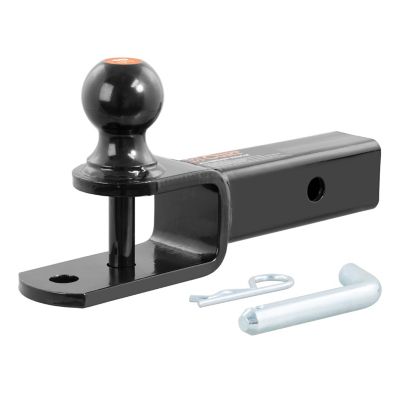
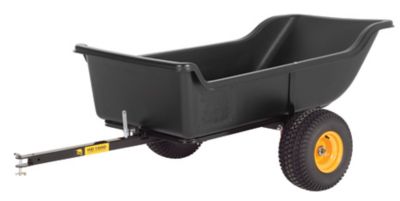
The best match also depends on what the ATV or UTV does most days. A utility machine hauling feed along farm lanes has different priorities from a recreational rig built around deep ruts and technical trails. Extra height can improve clearance in the right places, but it also raises the center of gravity and can change handling, steering response and driveline angles. Those trade-offs matter on uneven ground, during turns and when a cargo bed carries weight. Larger, heavier tires can add demands on belts, clutches, brakes, wheel bearings and axles, and gear reduction does not remove the need to stay within the vehicle manufacturer’s operating limits. A lift does not increase rated payload or towing capacity. For machines that pull a small utility trailer, related equipment such as
ATV Ball Mounts needs to suit the hitch receiver, trailer coupler and towing ratings; changes in vehicle height can also affect trailer level and clearance around the connection. Everyday practicality counts, too. A taller step into the cab, a higher cargo-bed edge or reduced clearance beneath a shed doorway can matter more than expected once chores start. Long-term care centers on keeping the suspension clean enough to inspect and following the maintenance schedules supplied with both the vehicle and lift system. Packed dirt can hide loose fasteners, damaged boots or contact marks, while worn bushings and joints can affect how the lifted machine tracks. Coated surfaces benefit from attention when rocks scrape through the finish, and hardware needs torque checks at the intervals specified by the kit manufacturer. A change in vibration, steering effort or tire wear deserves attention rather than another hard ride. With a lift matched to the machine and the work, added clearance can serve a practical purpose while keeping access, upkeep and everyday handling part of the decision.