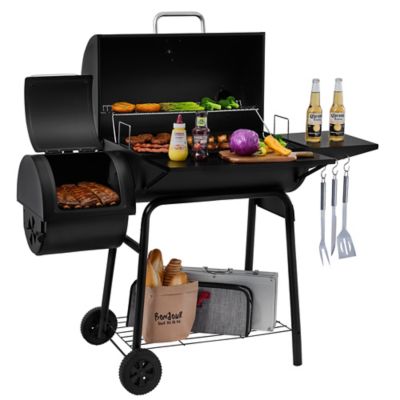
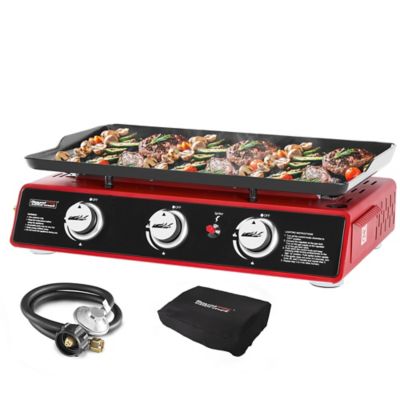
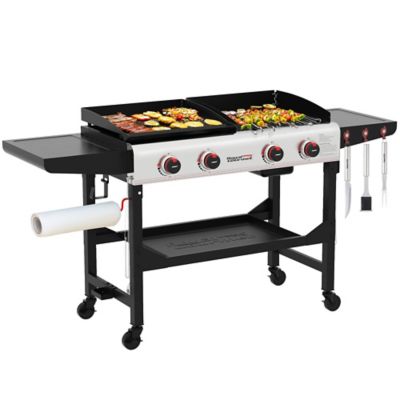
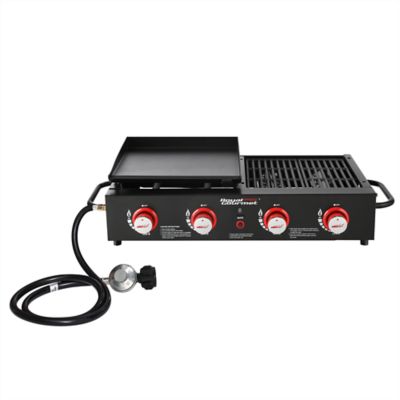
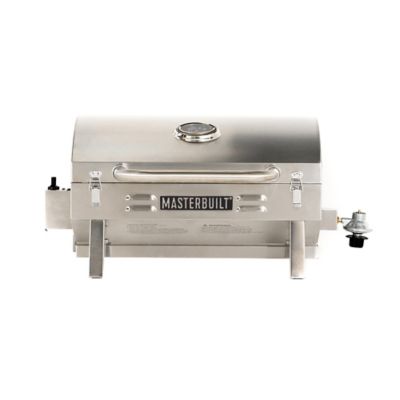
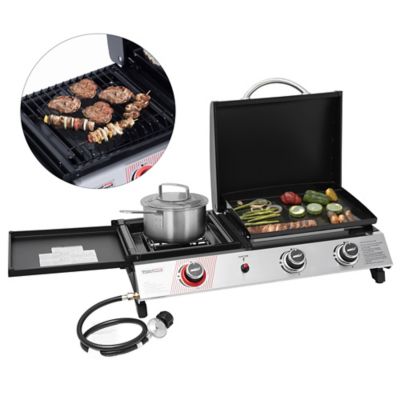
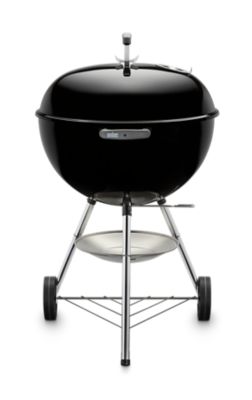
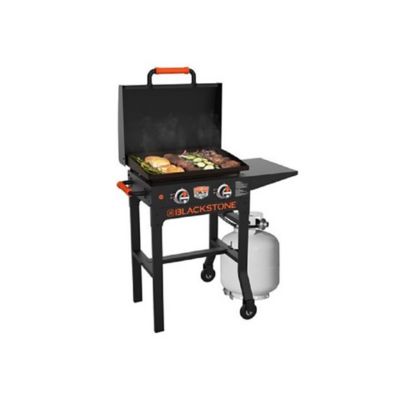
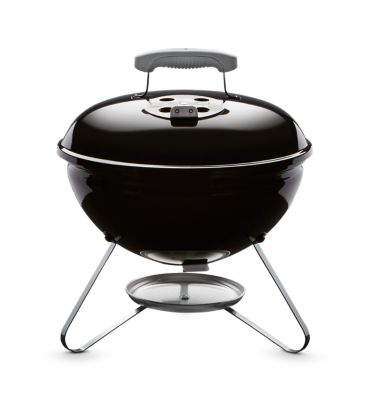
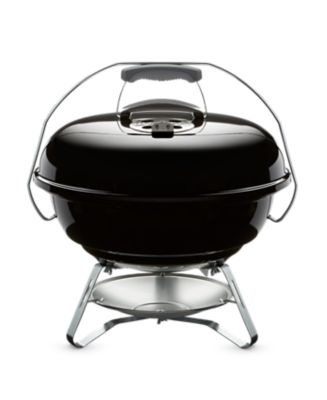
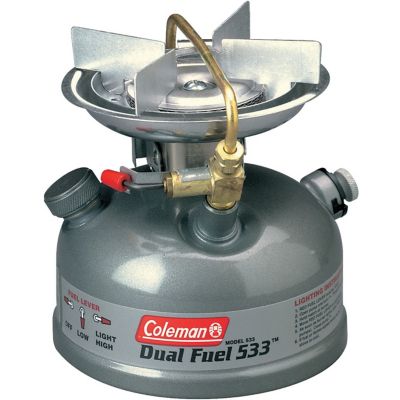
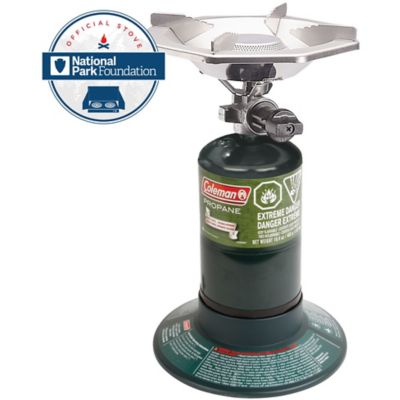
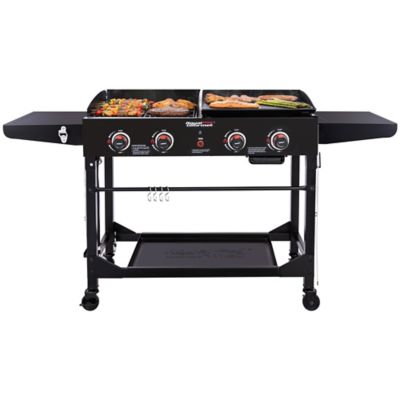
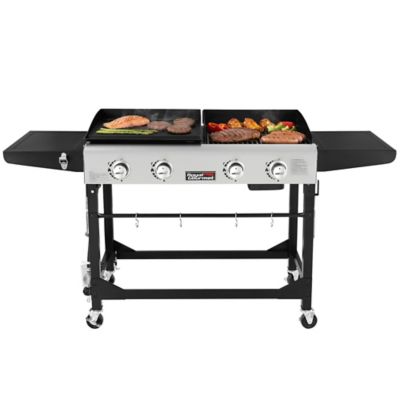
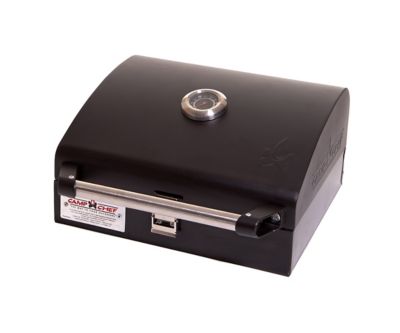
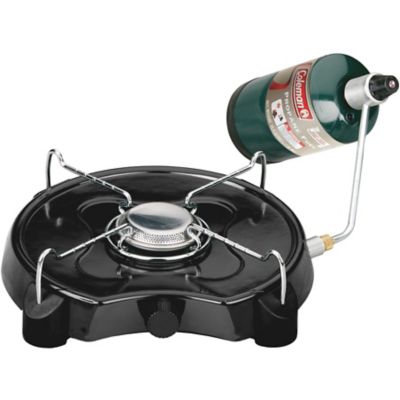
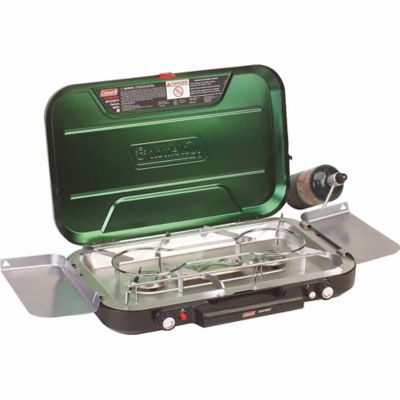
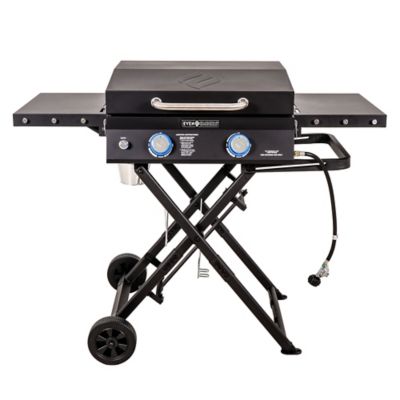
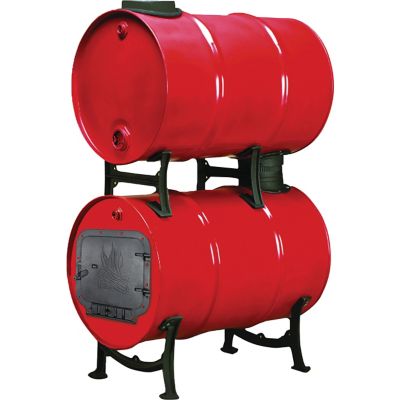
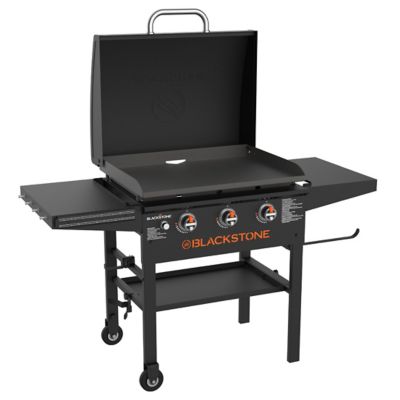
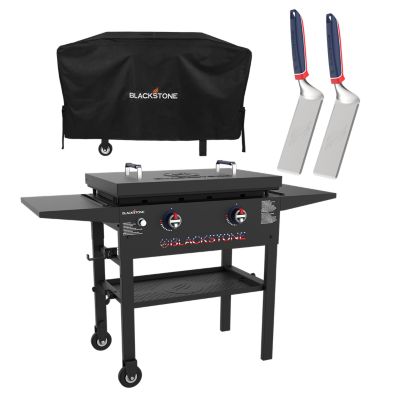
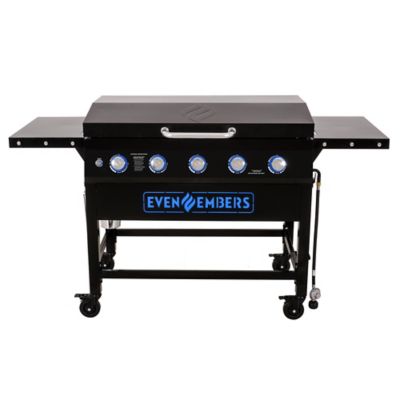
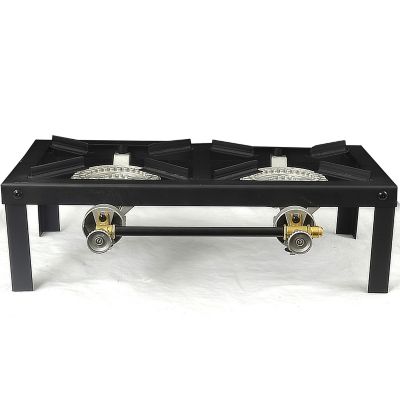
A camping stove with grill brings two useful ways to cook into one portable setup, making it a handy choice for campsites, hunting cabins, tailgate meals, and weekends spent around the fire ring. A built-in grill surface or interchangeable grill top lets you sear burgers, brats, chicken, fish, vegetables, and sandwiches, while the stove burners handle coffee, chili, eggs, oatmeal, or a pot of water. That combination can make camp cooking feel a lot more like cooking at home, without packing a full outdoor kitchen. Many models use propane, with some designed for standard 16.4-ounce canisters and others able to connect to a larger refillable tank with the proper hose and adapter. Think about the kind of trips you take before choosing a fuel setup. A small canister is easy to carry for a quick overnight stay, while a larger tank may suit a family campsite, hunting camp, or gathering where meals will be cooked throughout the day. If you already keep propane on hand for a patio grill or other equipment, a compatible connection can simplify packing. A two-burner layout is especially useful when breakfast is cooking on the grill and a skillet of gravy or a kettle of water is warming on the other side. For campers who enjoy fresh food away from home, this stove-and-grill format offers room to prepare a full meal instead of relying on packaged snacks or a single pot. It can also make a thoughtful gift for a camper, angler, hunter, road-tripper, or family member who spends time at a seasonal cabin. During the cooler months, a hot meal cooked outdoors can be the part of the day everyone remembers, with steam rising from a mug and the smell of breakfast drifting through the trees.
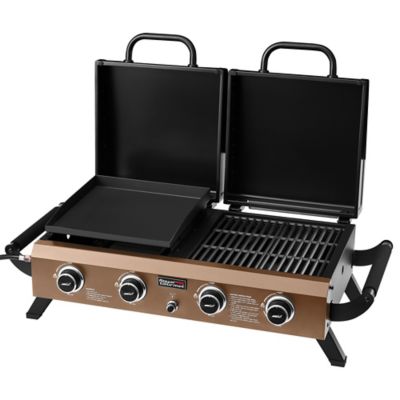
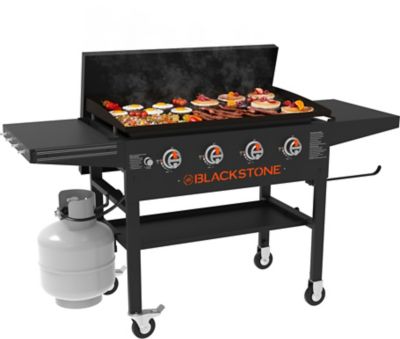
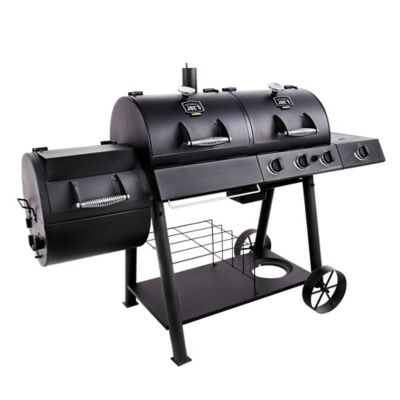
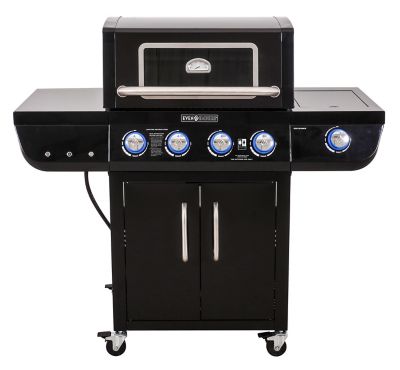
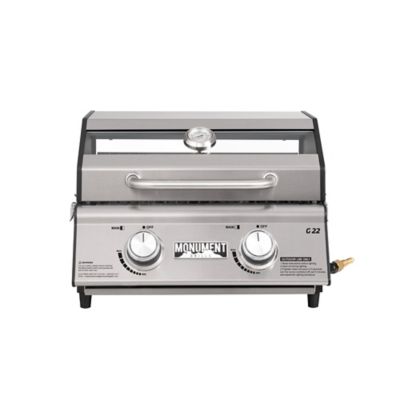
When comparing a Camping Stove With Grill, start with the cooking surface, burner arrangement, and overall footprint. Grill grates may be made from coated metal, stainless steel, or cast iron, and each option has different care needs and handling characteristics. A heavier grate can hold heat well for browning meat and vegetables, while a lighter cooking surface may be easier to carry from the truck to the picnic table. Some combo units include a reversible griddle and grill plate, giving you a flat side for pancakes, bacon, grilled cheese, or hash browns and a ridged side for searing. Interchangeable tops can expand the menu, but check how they store and whether the parts can be secured during transport. A tabletop model works well when you have a sturdy camp table, tailgate, or picnic bench available. A freestanding model with folding legs can be more comfortable for longer cooking sessions and may keep the burners at a convenient height, though it generally takes up more room in a vehicle. Wind protection is another important detail, especially on open prairie campsites, lakeshores, and exposed hunting areas. Built-in wind screens can help keep a flame steady and maintain even heat, but place the stove on a level, nonflammable surface with plenty of open air around it. Push-button or piezo ignition can make startup simple when your hands are cold or the breeze keeps blowing out a match. Even with matchless ignition, carry a lighter as a backup and follow the fuel and lighting directions supplied with the stove. Look for sturdy controls with clear settings, a lid or cover that closes securely, and handles that make lifting easier without touching hot parts. A grease tray or removable drip pan can save considerable scrubbing after a meal, while removable grates make it easier to wipe away splatter before it hardens. For more outdoor cooking options in a similar portable format, browse
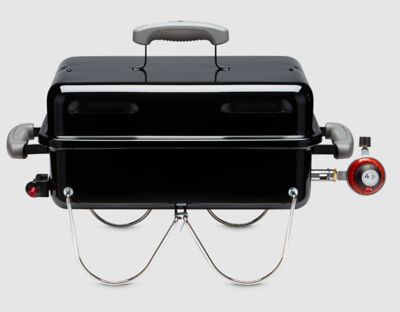
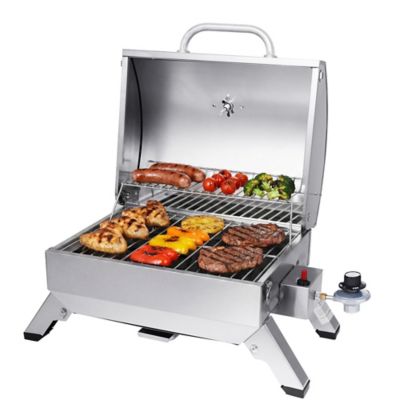
Outdoor Portable Gas Grills.
Packing habits make a big difference with a camping stove and grill. Before leaving home, inspect the hose, regulator, burners, grate, and fuel connection for damage, and make sure the cooking surface is clean and fully dry. Pack the grill plate so it cannot shift against other gear, and keep propane cylinders upright in a ventilated area rather than inside a sealed passenger compartment. At camp, set up away from tents, brush, low branches, vehicles, and anything else that could catch heat. Never use a gas stove inside a tent, camper, garage, shed, or other enclosed space, since combustion can produce dangerous carbon monoxide. Give the unit time to cool before cleaning, folding, or placing it in a vehicle. A paper towel can lift loose grease while the surface is still warm but not hot; for heavier buildup, use the cleaner and tools recommended for the grate material. Avoid soaking burners or blocking their openings, and check that every control is off before disconnecting the fuel. It helps to plan meals around the stove’s strengths: cook bacon or sausage first, use the drippings to brown potatoes, then finish with eggs on the griddle while a pot of coffee heats nearby. At supper, one side can sear seasoned chicken or vegetables while the other warms beans or soup, keeping the cook from juggling several separate burners. During crisp mornings and chilly evenings, these small routines turn a campsite into a comfortable base for family time, outdoor work, and slow meals shared under an open sky. A camping stove with grill is a practical addition for anyone who wants flexible cooking, easy transport, and more satisfying meals wherever the road, trail, or back pasture leads.