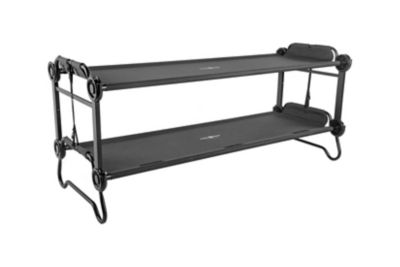
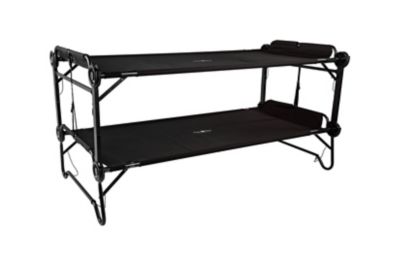
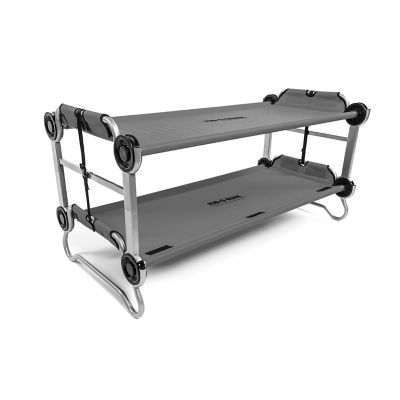
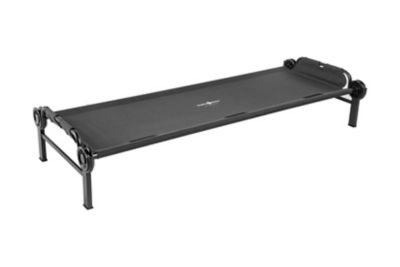
Camping bunk beds stack cot-style sleeping surfaces in a portable frame, giving two campers separate beds within roughly the footprint of one cot. That space-saving layout can leave more room for boots, duffel bags and a clear path to the tent door. These beds make sense for family camping trips, shared cabins and other overnight setups where floor space is tight but everyone still needs a place to stretch out. Unlike a permanent bedroom bunk, a camping bunk system is built around transport and assembly, with a frame that breaks down or folds for the trip home. Some designs can also separate into individual cots, although that option depends on the model and its approved configurations. Fit starts with the sleeping surface: length, width and weight capacity all need to match the person sleeping there. An adult may need extra room through the shoulders and enough length to keep feet from pressing against the end frame, while a youth-size system has different dimensions and limits. Weight ratings deserve a close look because a stated limit might apply to each bunk rather than the entire structure. The assembled footprint matters just as much as the bed size. Tent walls often slope inward, so a bunk that fits at ground level may sit too close to the fabric higher up. Overall height, clearance above the top bunk and room between the two sleeping surfaces help determine whether a setup feels comfortable rather than cramped. A clear route onto the upper bed is important, too, especially when bedding and bags are in place. Upper-bunk age restrictions, guardrails and access arrangements vary by design, and the manufacturer’s directions determine who can sleep where. Camping bunks are purpose-built systems, not ordinary cots stacked together, and every connector, support and safety component belongs in its designated position. A level, firm surface and enough space around the frame help keep the sleeping area practical for everyone sharing it.
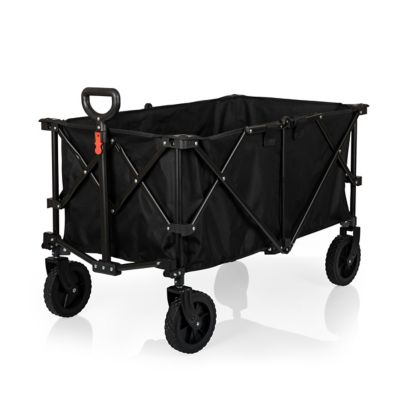
Frame construction shapes how camping bunk beds feel at camp and how much effort they take to haul. Steel frames can provide substantial support, while aluminum construction can reduce carrying weight; tube size, joints and the complete design matter alongside the metal itself. Protective finishes help shield metal surfaces, but scratches, loose connections and damaged parts still call for attention before the next setup. Sleeping decks commonly feature tensioned fabric, such as polyester or nylon, supported by the surrounding frame. The fabric’s weave, reinforcement and attachment points affect support, and a smooth, taut surface should not be confused with a padded mattress. Some sleepers prefer the firmer feel of a cot, while others appreciate a compatible pad that adds cushioning without interfering with the frame or safety features. Rounded frame edges, broad feet and well-fitted connectors are useful details to consider when comparing construction. Broad contact points can help spread the load, although tent floors still need protection from abrasion and concentrated pressure in line with the bed and tent manufacturers’ recommendations. Assembly style also makes a difference after a long drive down a gravel road. Captive hardware, clearly matched frame sections and straightforward locking mechanisms can make the process less fussy, particularly when several family members are unpacking at once. Tool requirements vary, and a system with fewer loose pieces may be easier to keep organized between trips. Packed dimensions deserve attention before loading the truck: a frame that fits comfortably in the tent still needs a sensible place among the coolers, camp chairs and feed-store-sized gear bags. Carry bags with separate compartments can help keep frame sections and connectors together. For sites beyond the parking area,
Camping Wagons can help move packed bedding and equipment, provided the load stays within the wagon’s capacity and fits securely. The total carrying weight includes the frame, sleeping decks, hardware and any pads, not just the largest bag.
Comfort on camping bunk beds comes from the whole sleeping setup, not simply how high a cot sits above the ground. A sleeping surface that supports the body evenly, bedding that stays in place and enough room to turn over all contribute to a better night at camp. Pad dimensions should match the cot deck, and any added mattress needs to meet the bed manufacturer’s limits, particularly on the upper bunk, where extra thickness can reduce the effective height of a guardrail. Lower sleepers benefit from checking overhead clearance with their bedding in place rather than judging the empty frame alone. A tall pillow or thick pad can change how much room remains for sitting up. Storage pockets, when included, give glasses, a flashlight or a book a home without filling the sleeping surface with small belongings. Those pockets are for their stated purpose, not a place to hang heavy gear from the frame. Families sharing a tent may appreciate separate bunks for keeping sleeping bags apart, while adults sharing a hunting cabin or fishing camp may value a compact arrangement that leaves the doorway and walking space open. A camping bunk system can also be a practical gift for an outdoors-minded family, though sleeper sizes, transport space and the intended shelter are worth knowing first. Care between trips helps protect the investment of time and effort that goes into a familiar camp setup. Fabric cleaning methods vary, so care labels and manufacturer directions take priority over a hard scrub or a trip through the washing machine. Dirt and grit should be cleared from joints, and all components should dry fully before packing. Checking seams, support bars, feet and locking parts before each outing gives worn or missing components a chance to be addressed before bedtime. Keeping the instructions and hardware together makes the next setup simpler, whether the beds are headed back to a favorite campground or into a cabin shared with family.