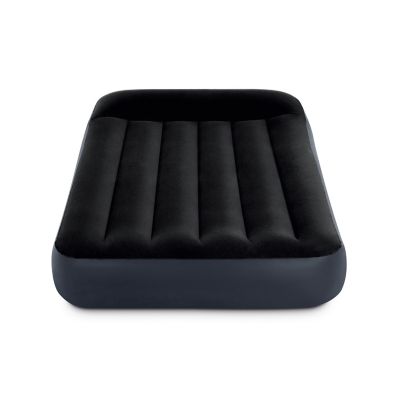
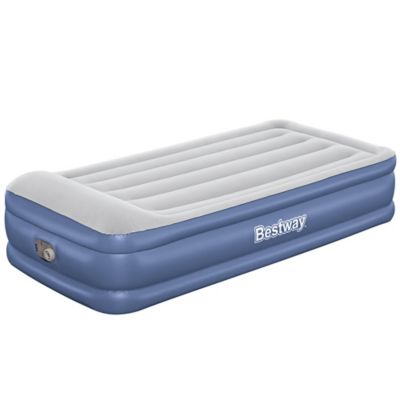
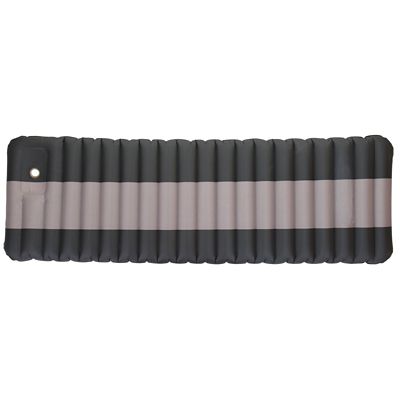
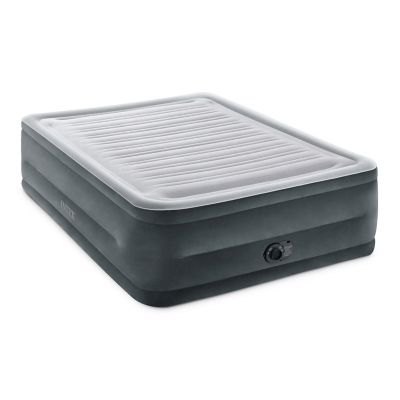
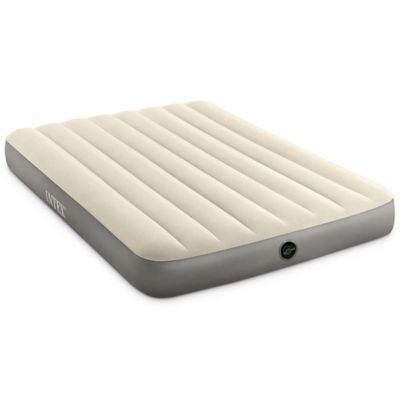
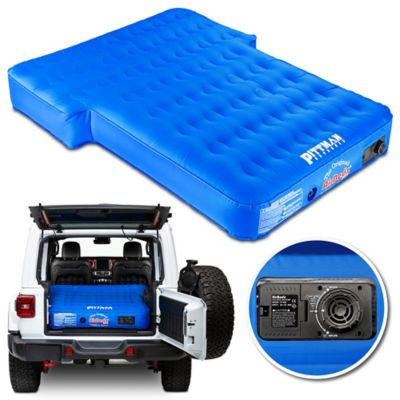
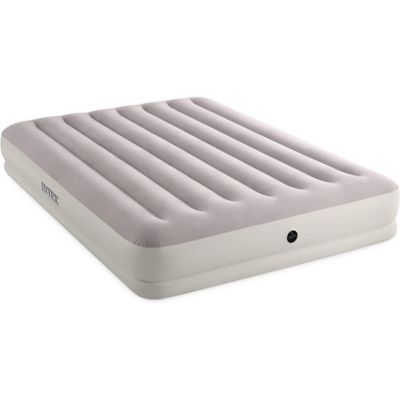
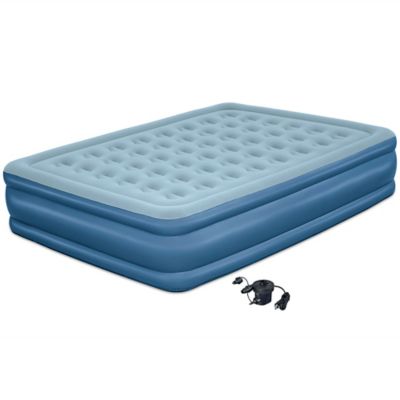
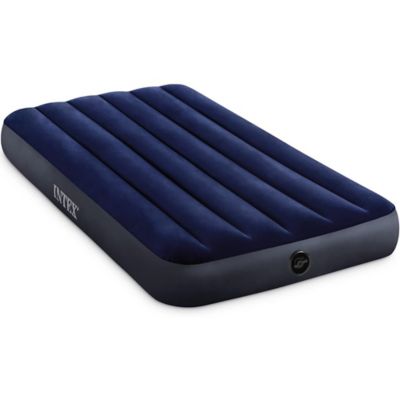
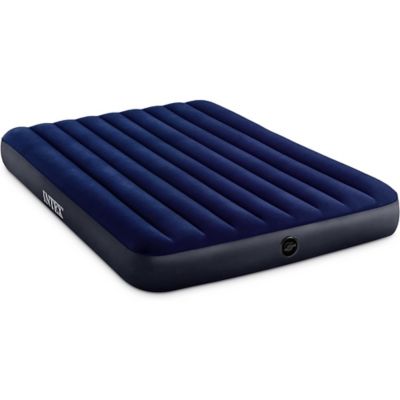
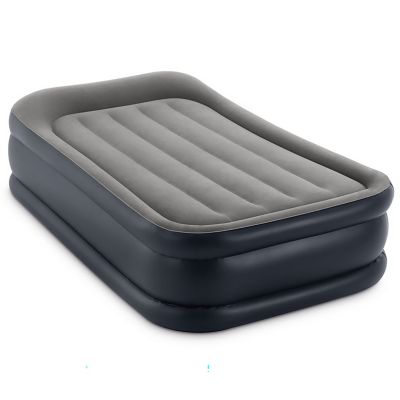
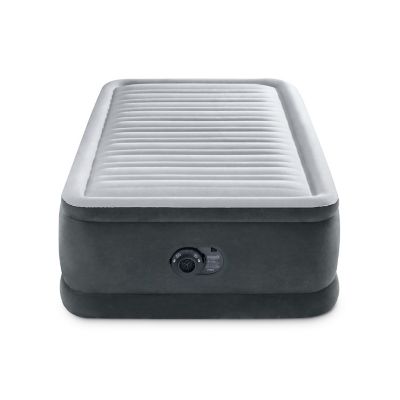
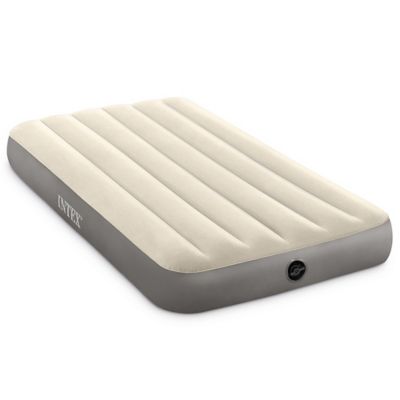
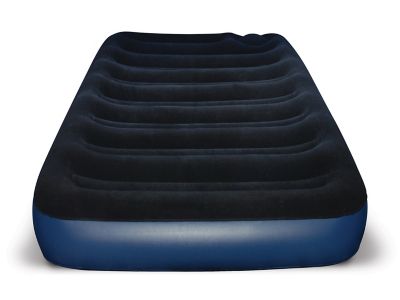
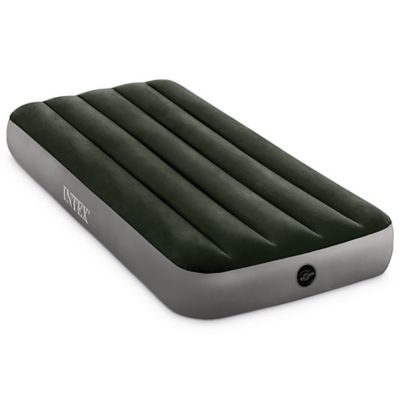
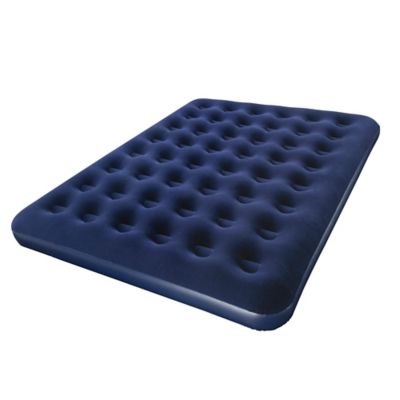
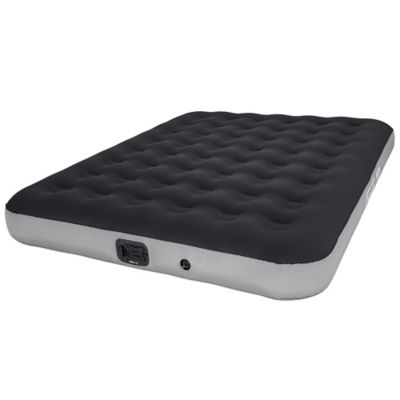
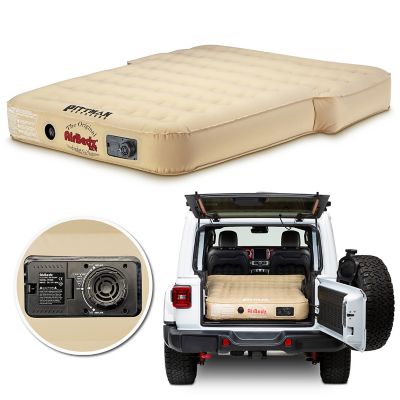
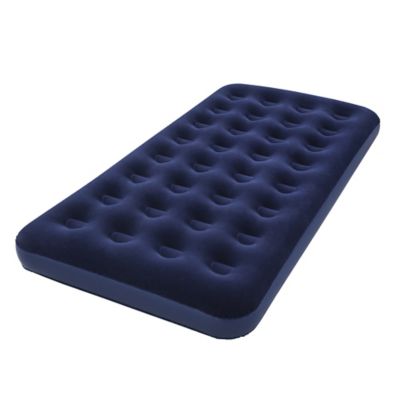
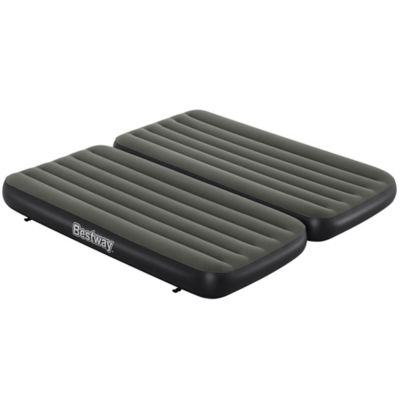
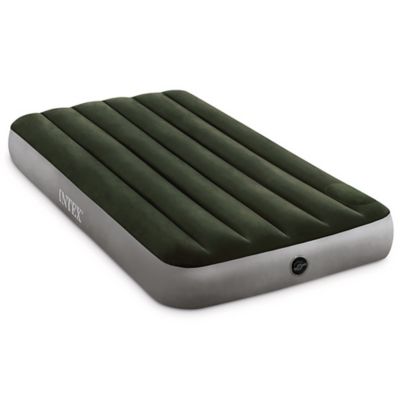
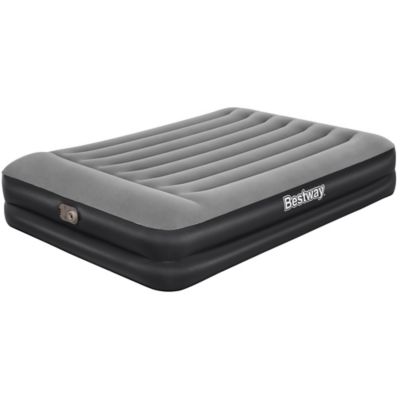
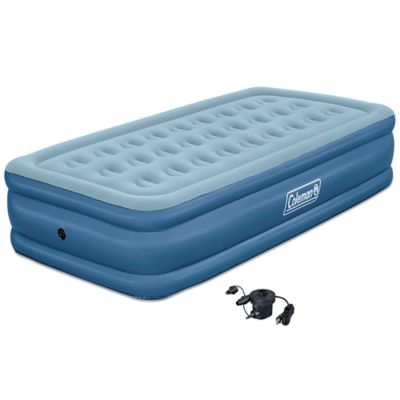
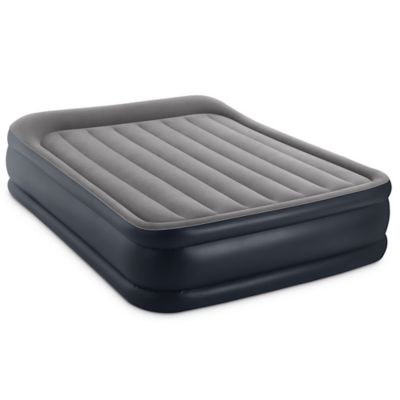
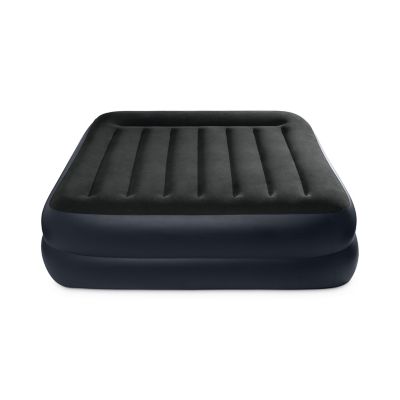
Inflatable air mattresses for camping bring bed-like cushioning to tent sites, vehicle sleeping setups, and weekends spent close to the fishing hole or trailhead. An air-filled chamber supports the sleeper while lifting hips and shoulders off the tent floor, and the mattress deflates for the trip home. These camping beds generally make the most sense for car camping and other outings where gear travels more miles in a truck than on somebody’s back. Compared with compact backpacking pads, many air mattresses take up more space and weigh more, but provide a broader sleeping surface and a more familiar bed height. Low-profile styles leave extra headroom in a small tent, while raised airbeds can make sitting down and getting back up less of a chore. Taller models also need more room in a gear tote and more air during setup, so height comes with a practical tradeoff. Twin, full, and queen sizes offer options for solo campers, couples, and families arranging several sleeping spots under one tent roof. The listed inflated dimensions matter more than the size name alone: a mattress needs to fit between the tent walls without blocking the door or taking over the space for boots and bags. Sloping tent walls can limit room around a tall airbed even when the floor measurements look generous. A tent’s stated sleeping capacity is not a promise that the same number of people will fit on raised mattresses. For vehicle camping, wheel wells, folded seats, and changes in floor height also affect fit; the mattress needs a supported surface rather than gaps beneath it. Weight capacity applies to the total load on the bed, including both sleepers on a shared mattress. For folks who already enjoy campground stays or nights at the family property, a camping air mattress can make a thoughtful gift when its size and packed footprint match the way they travel.
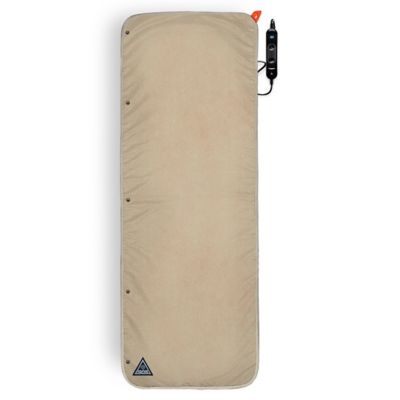
Materials and internal construction shape how a camping air mattress feels after a full day outside. PVC is a common airbed material, while some designs feature thermoplastic polyurethane, often called TPU, or fabric-laminated construction. Material type alone does not tell the whole story; thickness, seams, valve construction, and the way the bed is handled all contribute to its resistance to wear and punctures. A flocked top has a soft, lightly textured finish that can help bedding stay in place, although it is not a substitute for sheets or a sleeping bag. Smooth surfaces tend to wipe down readily, while textured tops may hold onto dust, pine needles, and pet hair a little more. Inside the mattress, beams, coils, or baffles help control its shape and distribute weight. Those structures can affect edge support and how much movement one sleeper notices when another rolls over, but an airbed will still feel different from a mattress at home. Firmness depends partly on inflation, with enough air to support the body without exceeding the manufacturer’s instructions. A mattress that feels comfortable while somebody sits on its edge may feel different once that person lies down, so a full-length rest is a better check of support. Bed height and insulation are separate features: being farther off the ground does not, by itself, mean a mattress prevents heat loss. Many conventional airbeds have no stated insulation rating and should not be treated as insulated sleeping pads. Where a tested R-value is provided, a higher number indicates greater resistance to heat flow. An appropriate insulated pad over the airbed can add a barrier beneath the sleeper, while bedding supplies comfort and coverage. For a couple sharing a bed or a parent settling in beside a child, enough width for natural sleeping positions often matters more than extra mattress height.
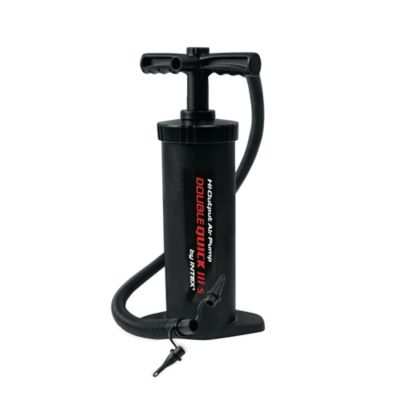
Inflation is another part of the campsite setup worth matching to the way the trip works. Built-in electric pumps keep the pump attached to the bed, but their power requirements vary. Some need an AC outlet, while others operate on batteries or a rechargeable power source; a charging connection does not necessarily mean the pump can run directly from that connection. A vehicle-powered pump needs a compatible outlet and cord reach, and a manual hand or foot pump avoids dependence on electrical access. Separate
Camping Air Pumps need the right nozzle and operating pressure for the mattress valve. A high-pressure compressor is not a substitute unless the mattress maker specifically permits it. Inflation time varies with mattress volume and pump output, so a tall queen airbed usually asks more of a pump than a smaller, lower bed. A deflation function or wide-opening release valve can simplify packing when it is time to break camp. Care starts with the surface beneath the bed: clear away sharp stones and sticks, keep grit off the tent floor, and keep the mattress away from fire and cooking equipment. A suitable protective layer can reduce abrasion, but it does not make the bed puncture-proof. Boots, sharp gear, and pet claws deserve extra attention around the sleeping area. Before a trip, inflating the mattress at home gives time to check the valve closure, seams, and pump operation without holding up bedtime at camp. New material may stretch during initial inflation, so a little softening does not automatically signal a leak. Persistent air loss calls for inspection and a repair method approved for the mattress material. For cleanup, follow the care label, wipe away dirt with an appropriate mild cleaner, and let the bed dry completely before folding. Keeping the mattress and its compatible patch kit together in a protective carry bag helps leave the sleeping setup ready for the next trip down a gravel road.