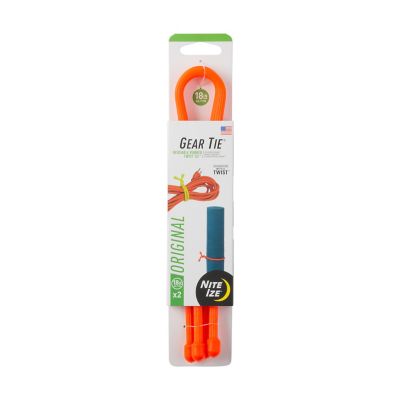
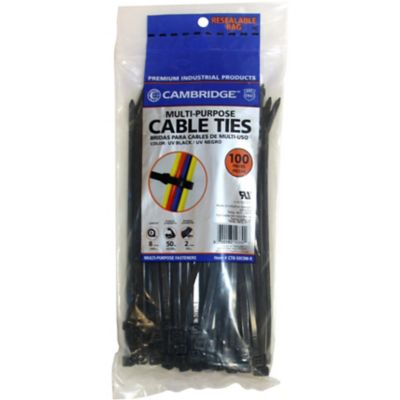
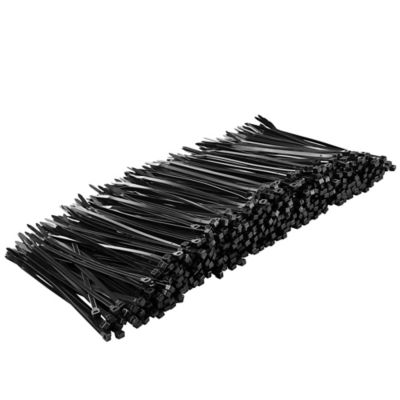
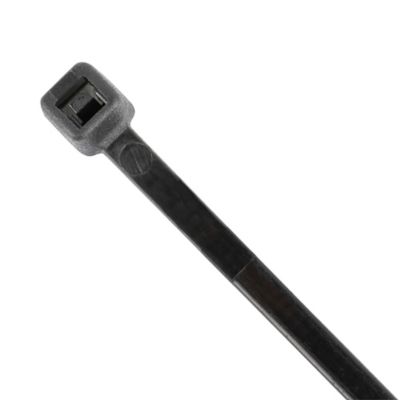
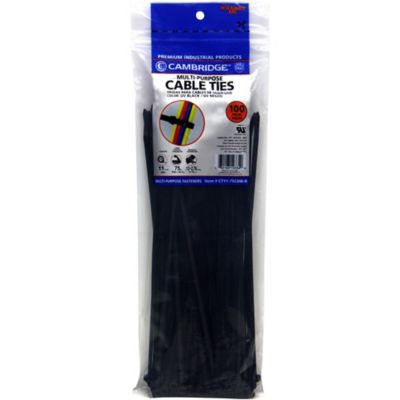
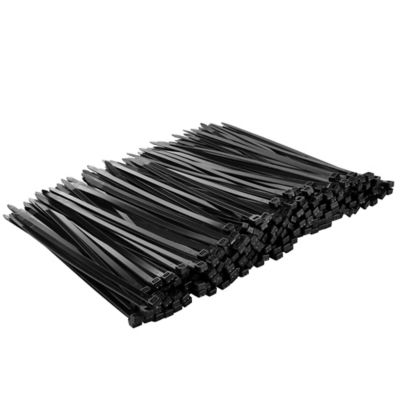
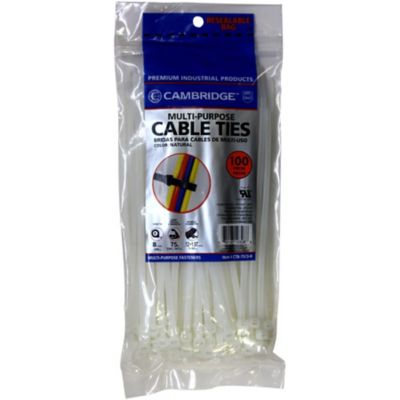
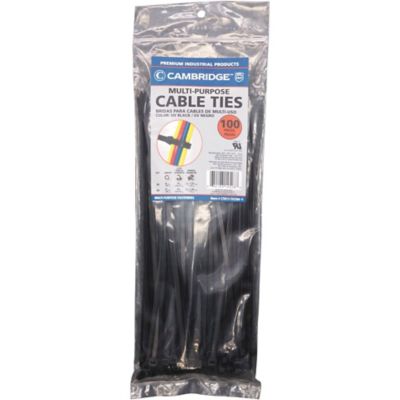
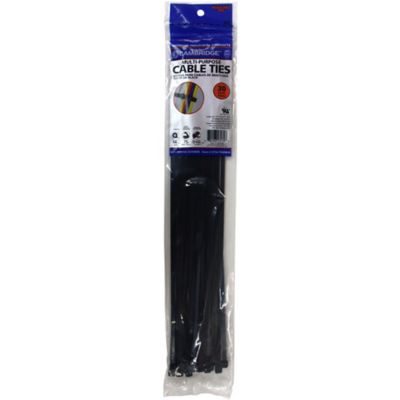
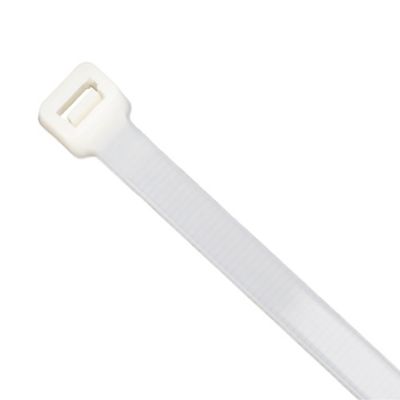
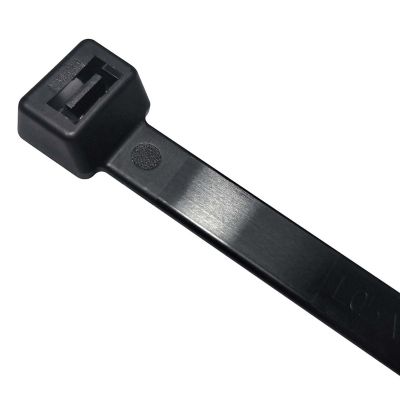
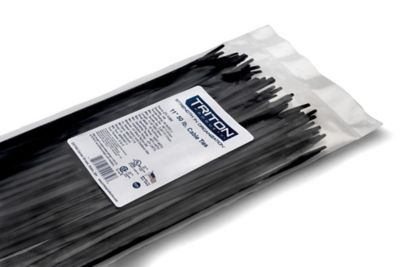
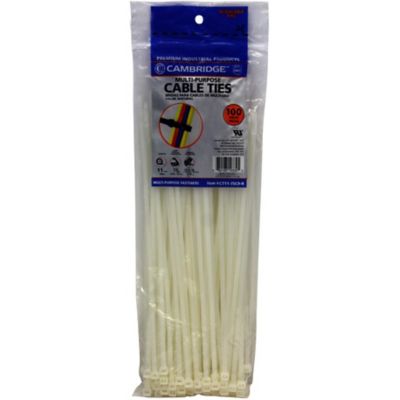
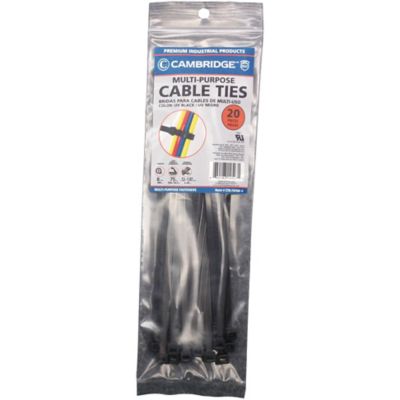
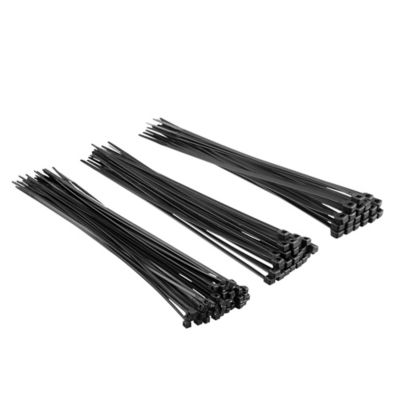
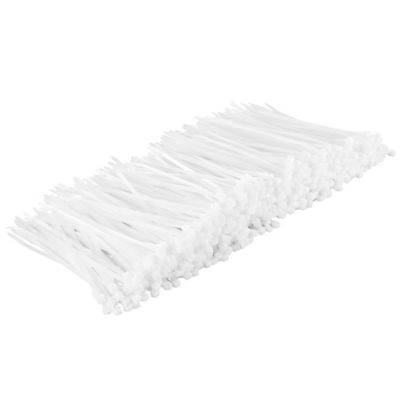
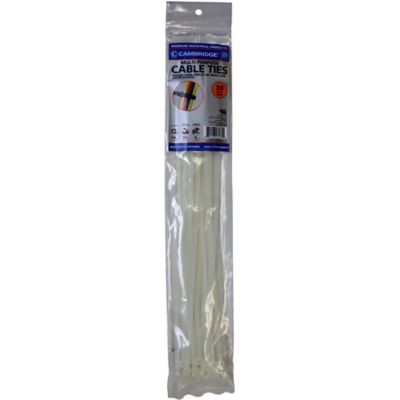
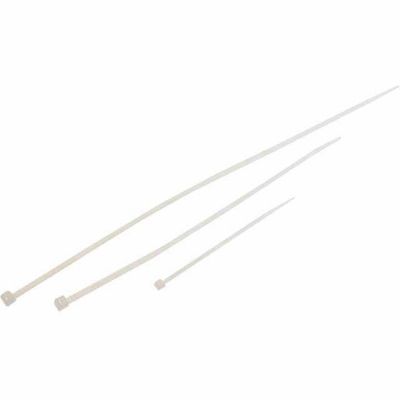
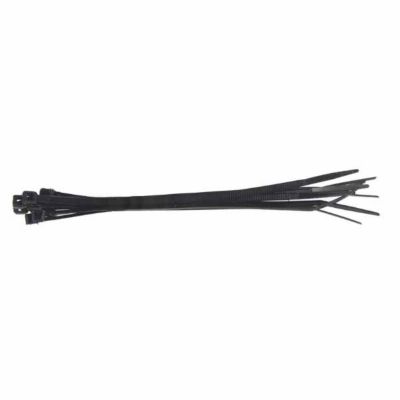
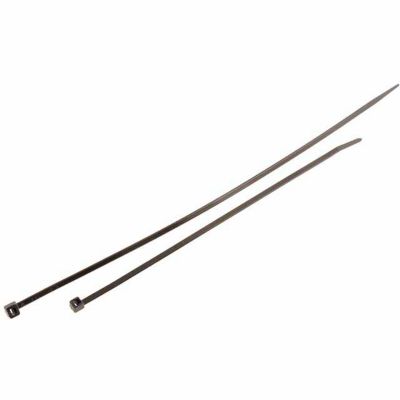
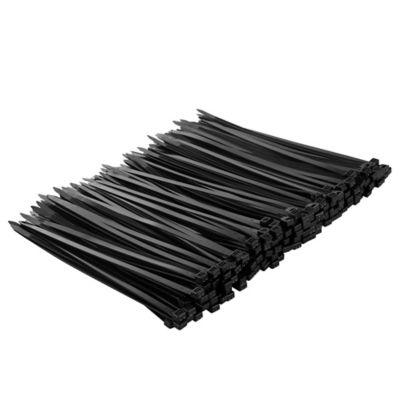
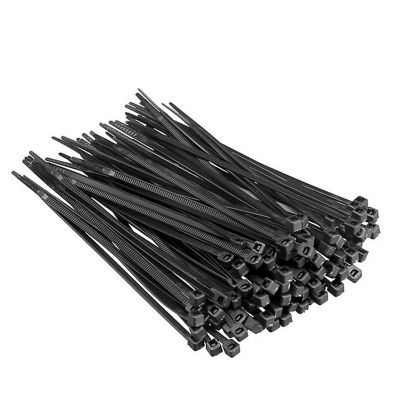
Cable ties for cable management bundle, organize, and secure wires so work areas stay easier to navigate and connections stay easier to trace. Behind a desk, beneath a workbench, or alongside a shop cabinet, a loose tangle of cords can turn a simple adjustment into a chore. Cable management ties bring those runs together without taking up much space, helping keep charging leads, network cables, and equipment cords separated from the rest of the workspace. They make sense in home offices and entertainment centers, but they are just as handy around farm offices, repair benches, and storage areas where several pieces of equipment share a small footprint. The right style depends on whether a bundle will stay put or need regular changes. Standard locking cable ties have a toothed strap that passes through a locking head and tightens around the bundle. Releasable ties have a locking mechanism that can open again, while hook-and-loop wraps fasten around cables and reopen without cutting. That difference matters behind a computer that gets moved between workstations or beside a bench where test leads change from one job to the next. Length determines how far a tie can wrap, but the stated bundle diameter is the better measure of what it can hold. Strap width, flexibility, and tensile strength also affect fit and performance. A slender tie may suit a few small leads, while a wider strap spreads contact across a broader area on a larger bundle. Neither style needs to squeeze the wires hard to keep them together. A snug fit that leaves cable jackets free of dents helps protect the cords inside. For a neat-looking run, several properly spaced ties generally make more sense than one tightly cinched strap holding everything at a single point. Smaller groups can also keep a printer cord separate from monitor leads, making it easier to disconnect one piece of equipment without pulling apart the whole arrangement. The goal is orderly routing with room for normal movement, not a bundle pulled tight as fence wire.
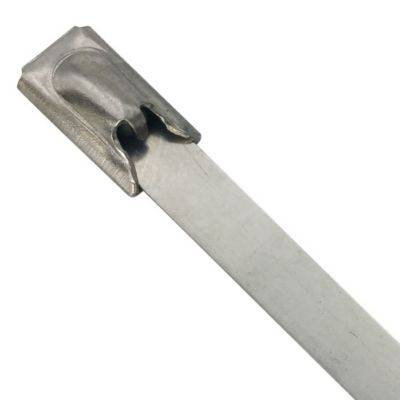
Material choice matters just as much as size when cable ties sit near machinery, against rough surfaces, or along an exposed cable route. Nylon is a common choice because it bends around a bundle and provides a lightweight fastening option for many everyday organizing jobs. Different nylon formulations have different limits, though, so the material description and application rating deserve attention. A tie intended for indoor cable organization is not automatically suited to sunlight, contact with oils, or other demanding conditions. UV-resistant formulations are made for applications involving sunlight exposure, while other specialty materials address particular chemical or operating requirements. Color alone does not establish those properties; a black strap still needs the appropriate rating for its intended location. Stainless steel cable ties serve applications that call for metal fastening, including some demanding equipment and industrial settings. Their stiffness and edges require care around softer cable jackets, and compatibility with the surrounding materials matters. Hook-and-loop wraps offer a softer, adjustable approach for computer cables, audio leads, and other bundles that get opened regularly. For larger runs and tougher fastening demands,
Heavy Duty Cable Ties are another category to consider, with strap dimensions and stated tensile strength helping define the intended job. Tensile strength describes resistance to pulling under specified test conditions; it does not turn a cable tie into lifting gear, a tow connection, or a substitute for a rated clamp. A thick strap cannot make up for the wrong material, an unsuitable mounting point, or a bundle that is too large. On a shop wall, the mounting hardware carries its own requirements, separate from the tie holding the cables together. Around equipment, a routed bundle needs clearance from moving parts, sharp corners, and service access points. Fasteners should support an orderly cable path without forcing a tight bend at a plug or connector. Where wiring rules or equipment instructions call for particular supports, cable ties belong only in the applications those requirements allow.
Good cable management stays practical after the first tidy-up. A workbench might gain another charger, a farm office might need a replacement monitor, and a cabinet may need to open without tugging on the cords behind it. Releasable cable ties and adjustable wraps make those changes simpler, while locking ties suit bundles that are less likely to need frequent access. Leaving enough slack at connection points helps keep the strain off plugs and allows equipment to move within its intended range. Too much loose cable can still catch on a drawer slide or hang into a walkway, so extra length belongs in a loosely arranged loop or another configuration permitted by the cord manufacturer. Power cords also need to follow their operating instructions; tightly bundling or coiling a cord carrying a load can trap heat. Data, audio, and power cables may have different routing requirements, making separate bundles useful rather than gathering every cord into one large bunch. In shared work areas, colored ties or ties with identification tabs can help distinguish cable groups, provided the markings stay clear and the colors do not stand in for checking the actual connection. A label near each end is especially helpful when several similar leads disappear behind a cabinet. Care is straightforward: check straps for cracks, worn fastening surfaces, loose locking heads, or edges rubbing against a cable jacket. A tie that no longer holds securely belongs out of the cable run. Locking ties that require cutting are easier to remove with a suitable cutting tool positioned away from the wires, and trimmed ends should not leave sharp points where hands will reach. Keeping a few lengths and fastening styles together in a tool drawer can save a trip across the shop when a small routing job comes up. Whether the setting is a kitchen desk, a barn office, or a busy repair bench, well-matched cable ties help keep everyday connections manageable without making the next repair or equipment change harder than it needs to be.