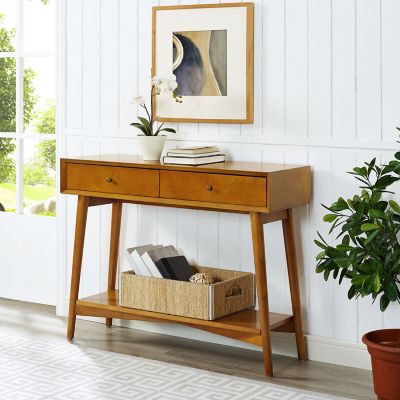
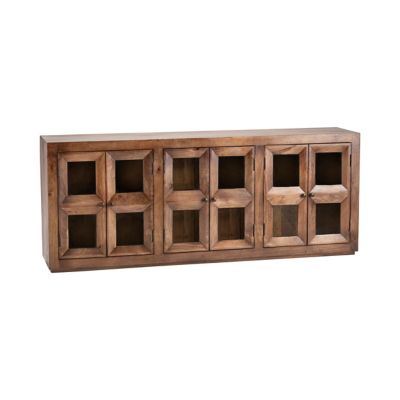
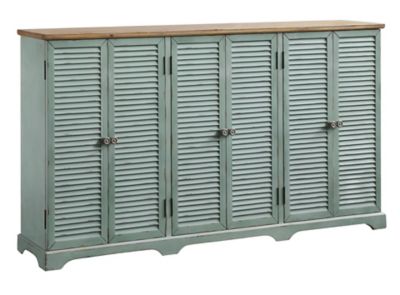
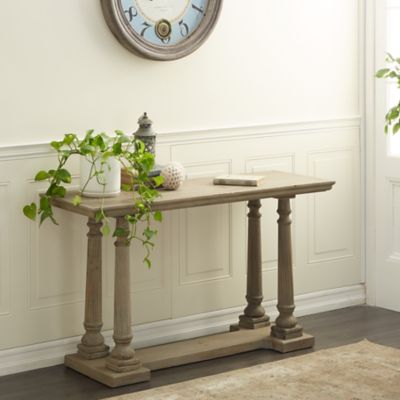
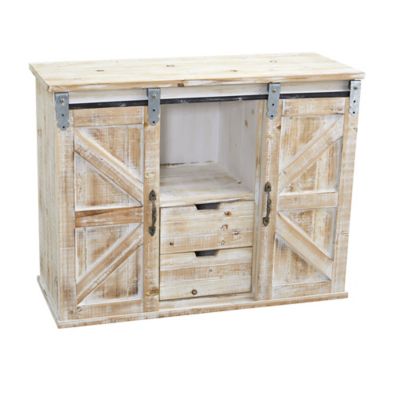
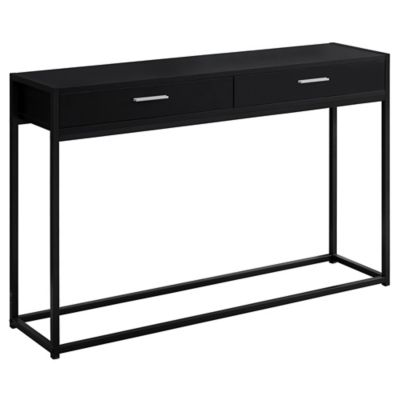
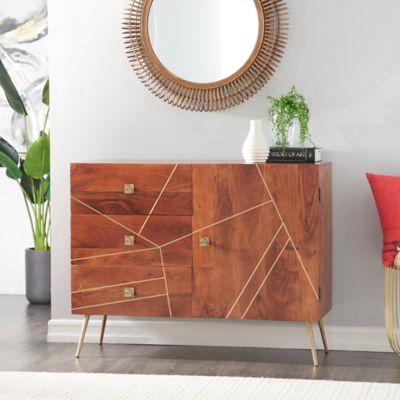
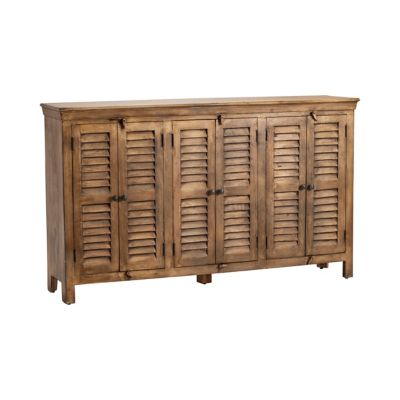
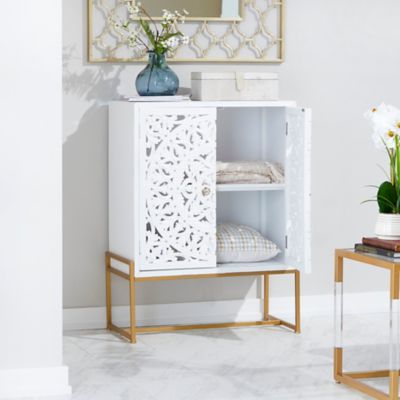
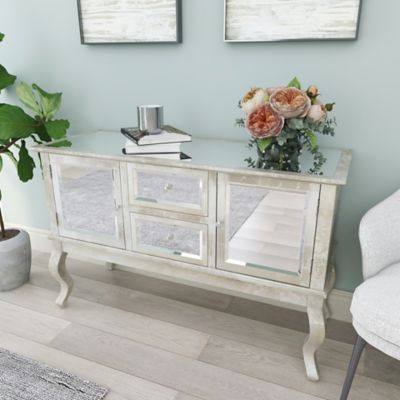
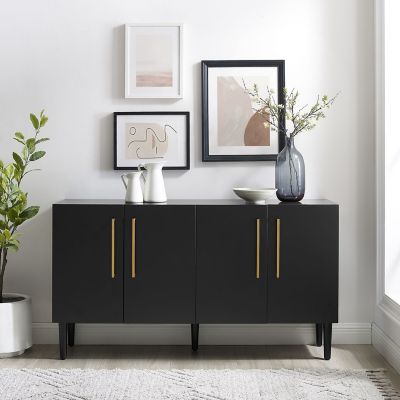
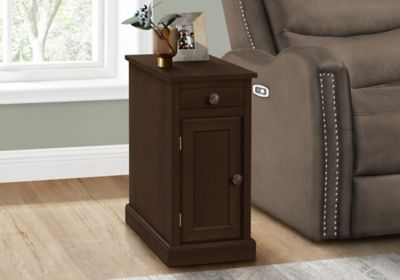
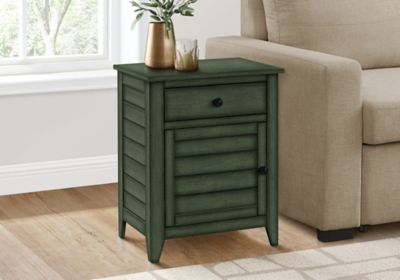
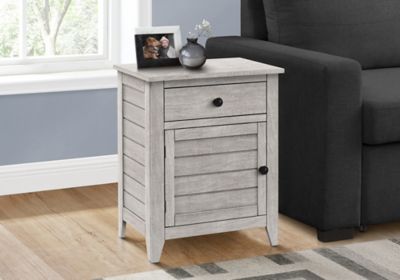
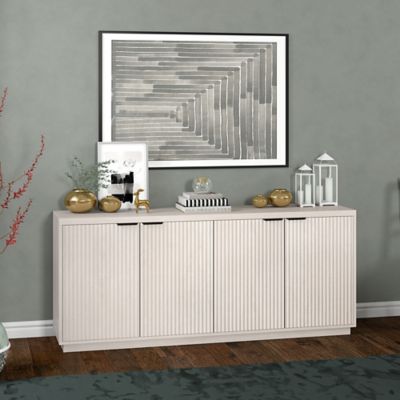
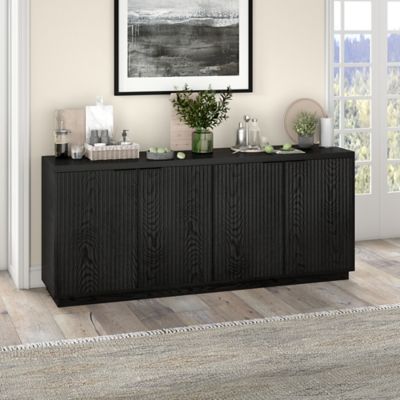
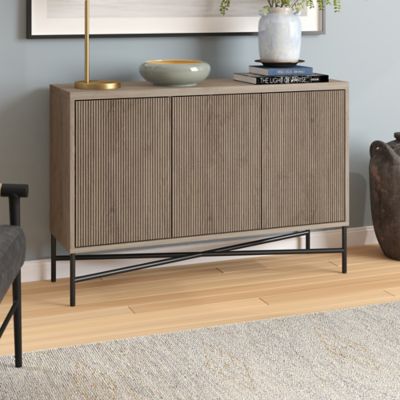
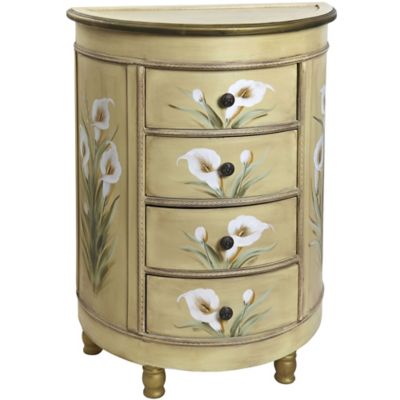
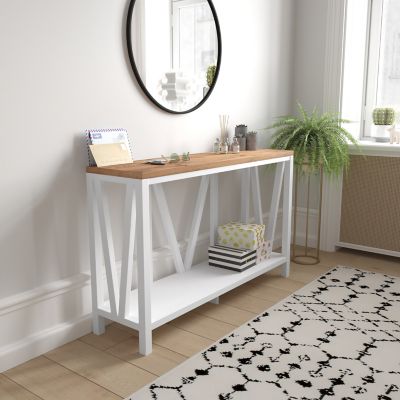
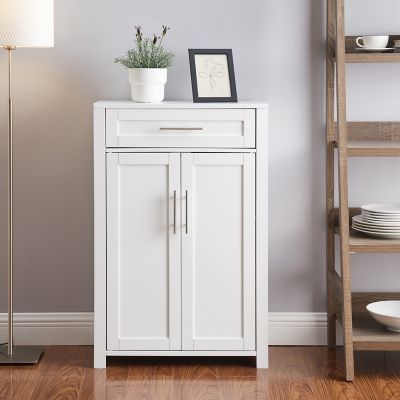
Cabinet tables bring a useful work surface and tucked-away storage together in one piece of furniture, making them a good fit for rooms that need to do a little of everything. In a farmhouse entryway, a tabletop gives keys, mail, and a small lamp a landing spot, while the cabinet below keeps everyday odds and ends from spreading across the room. Beside a sofa or favorite reading chair, that same arrangement puts a drink within reach and leaves space behind closed doors for books, games, or an extra throw. A cabinet table in the dining room can hold serving pieces near the table without leaving them out in the open. In a home office, it can give paperwork and small supplies a home beyond the main desk. The appeal is straightforward: there’s room to set something down, plus storage that doesn’t leave every cord, notebook, and stack of napkins on display. Different layouts suit different routines. A shallow cabinet table can make sense along a hallway, while a deeper piece may better suit a roomy wall or a spot beside a wide armchair. Designs with drawers offer a place for smaller things that tend to disappear at the bottom of a shelf. Open shelving, where included, keeps frequently reached-for belongings close at hand, while enclosed sections help a busy room look less cluttered. The right balance depends on what needs a home and how often it gets pulled out. A household that gathers around board games has different storage needs from someone keeping stationery, charging cords, and reading glasses near a chair. Cabinet tables work best when the tabletop stays useful rather than becoming another pileup spot, with enough room below for the belongings that actually belong in that part of the house. That simple combination can make a hardworking room feel more settled without taking over the floor.
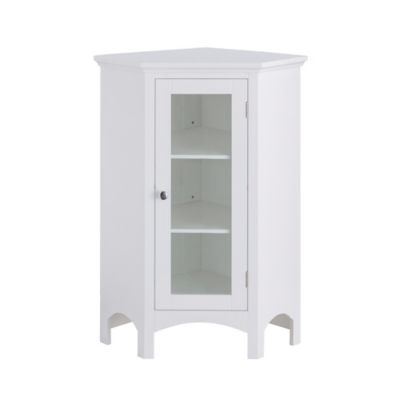
Materials and construction shape both the look of cabinet tables and how they fit into daily life. Solid wood brings natural grain and variation, while engineered wood can provide a more uniform surface beneath a painted finish, veneer, or laminate. Metal frames and hardware can add a straightforward, practical look, and mixed-material designs can sit comfortably alongside wood floors, upholstered seating, and other furniture already in the room. A stained finish lets the character of the wood show through; a painted surface brings a different feel and may coordinate with nearby cabinetry or trim. Glass-front doors, when part of the design, keep stored pieces visible, while solid doors offer a more tucked-away appearance. Beyond appearance, the details that matter most are often the ones noticed every day: a door that opens without brushing the sofa, a drawer that clears nearby furniture, or a shelf deep enough for the things it needs to hold. Overall width and depth tell only part of the story. Interior measurements, shelf spacing, door openings, and drawer dimensions determine whether belongings fit comfortably inside. Adjustable shelves can make room for taller pieces, but shelf and tabletop weight limits still set the boundaries for storage. Height matters, too. A cabinet table beside seating feels more convenient when its surface is within a comfortable reach, while one along a wall needs proportions that suit the surrounding furniture. Handles and knobs also take up room, especially in a narrow passage where folks carry laundry baskets or grocery bags through the house. Clear space around doors and drawers helps the cabinet remain useful without blocking the path. For furniture that includes cord access, the location of those openings can affect where a lamp or charger sits. These practical details help distinguish a table that simply fills an empty corner from one that earns its place through everyday use.
Keeping cabinet tables looking good comes down to matching their care and workload to the materials and finish. A drink ring, a damp planter, or a rough-bottomed basket can leave a mark on an otherwise tidy surface, so coasters, protective pads, and trays have a practical role. Care directions vary, but a soft cloth and prompt attention to spills are a sensible starting point for many finished surfaces. Excess water, abrasive scrubbers, and strong cleaners can harm some finishes, and wood, laminate, glass, and metal may each call for a different cleaning approach. Hardware deserves attention as well: a loose pull or hinge is easier to address before repeated opening puts more strain on the connection. Assembly and placement also affect long-term performance. Properly fitted panels, tightened fasteners, and a level position help doors and drawers operate as intended, while heavier belongings generally belong lower in the cabinet and within the stated load limits. Any included wall restraints or anchoring instructions matter, particularly in homes with children or pets. A cabinet table is furniture, not a step stool or a workbench, even when its top looks sturdy enough for a quick household task. Intended use should guide the spot it gets, too. Furniture meant for indoor living spaces may not suit a damp outbuilding or an area where spills and rough handling are part of the routine. For rooms that need more enclosed storage than a single table can provide, coordinating with
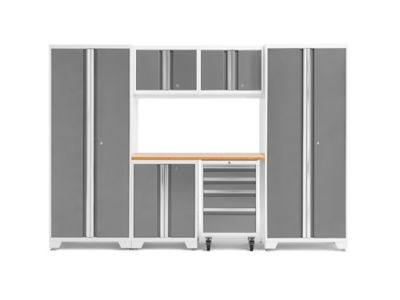
Assembly Cabinets can help spread the load across the space. Matching every finish exactly isn’t necessary; similar proportions, complementary colors, and practical storage layouts can bring the room together. Whether furnishing a first home, making a sitting area more comfortable, or giving a hardworking entryway a better landing spot, cabinet tables offer a down-to-earth way to keep useful things close and everyday clutter behind a door.