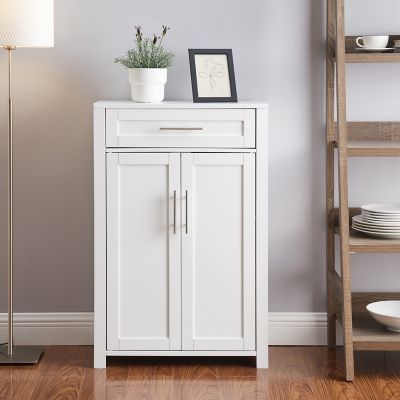
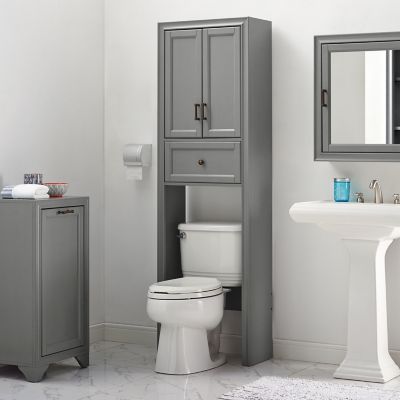
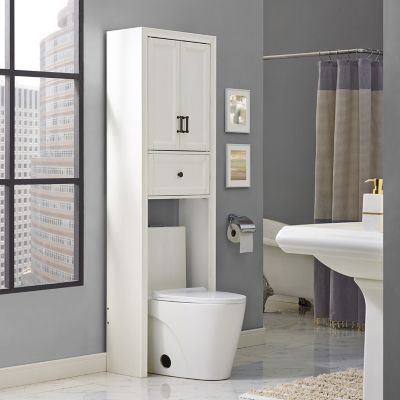
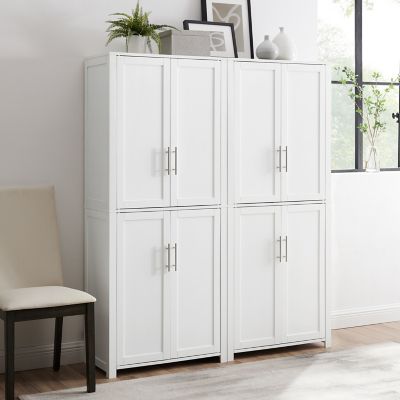
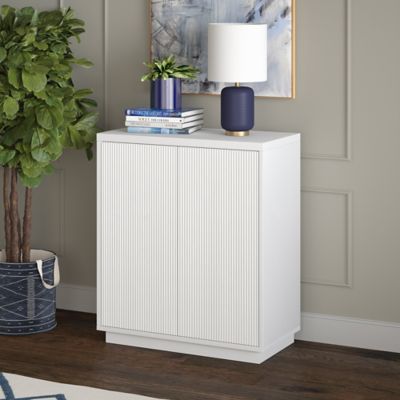
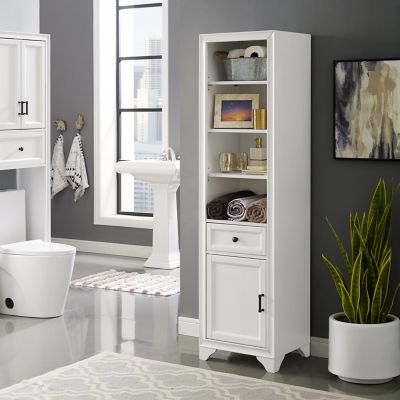
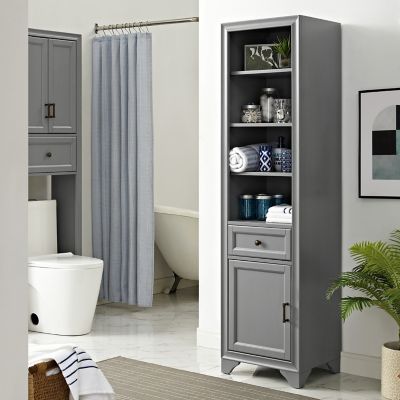
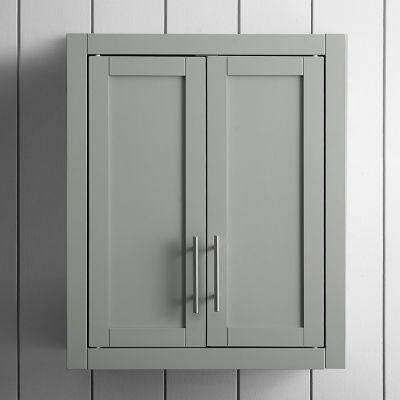
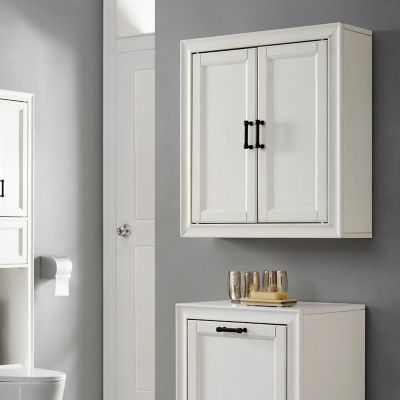
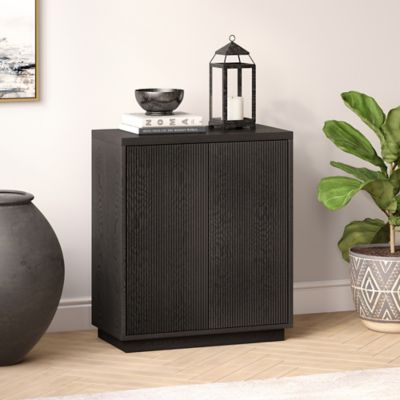
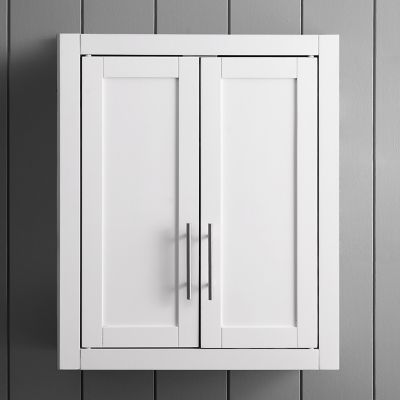
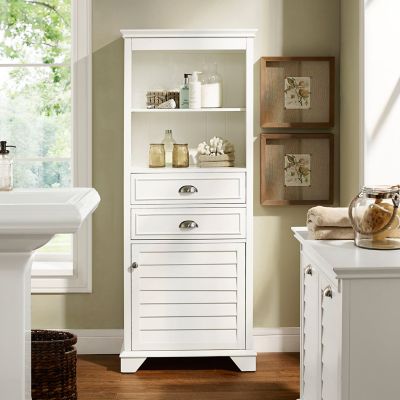
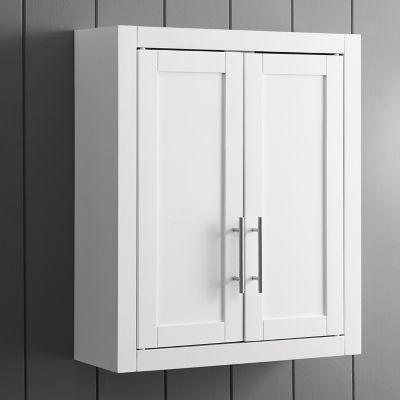
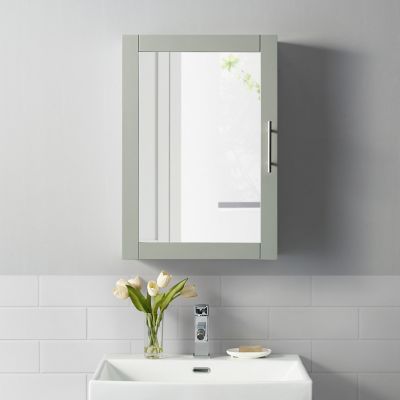
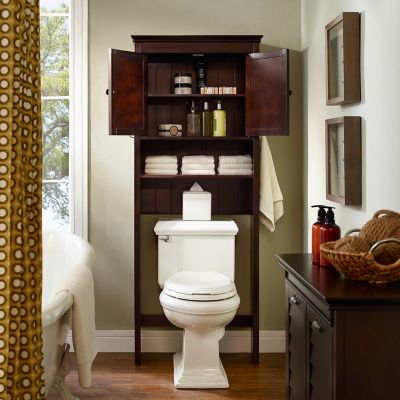
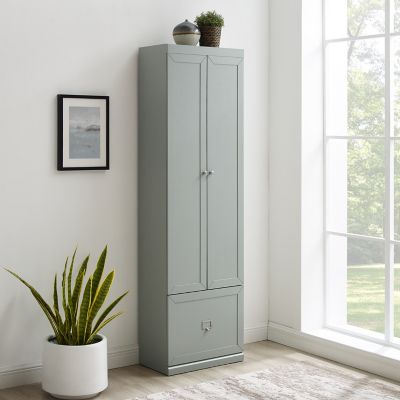
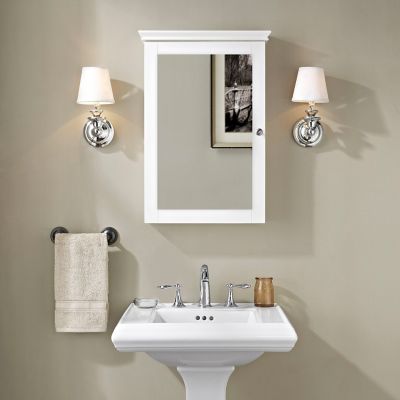
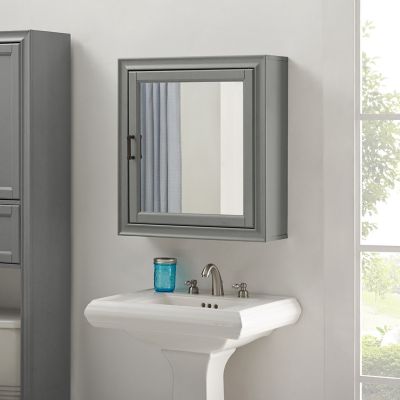
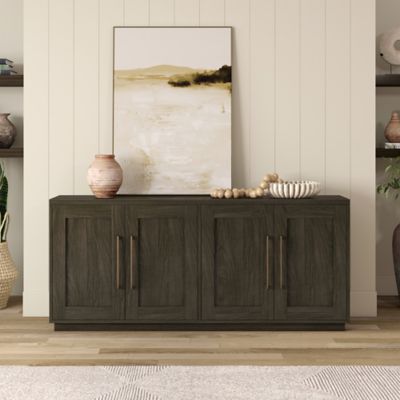
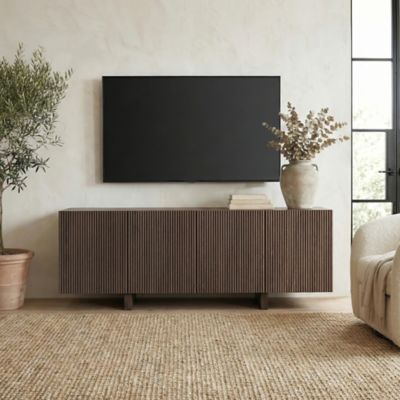
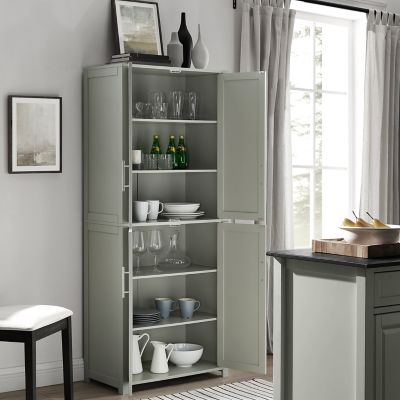
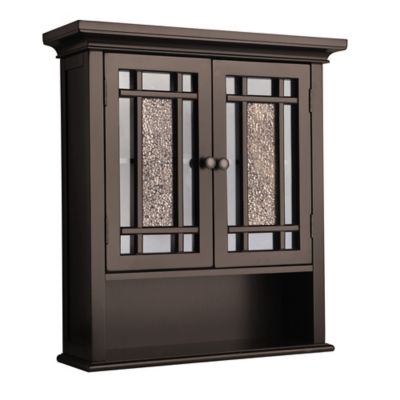
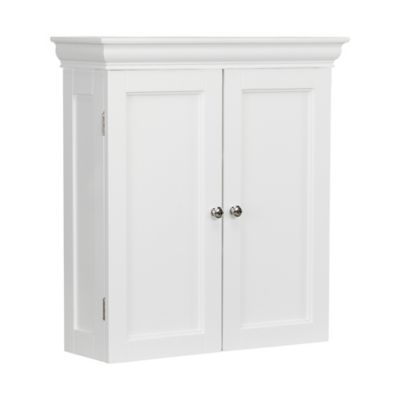
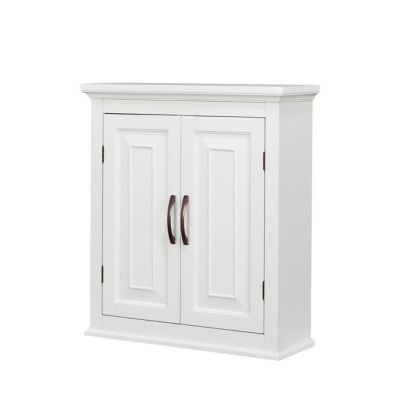
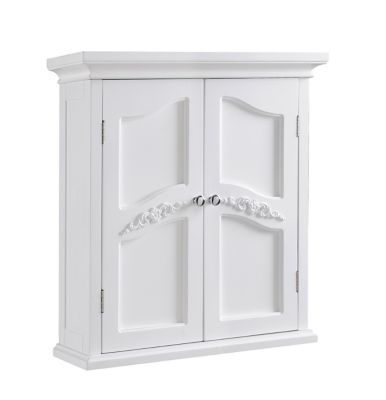
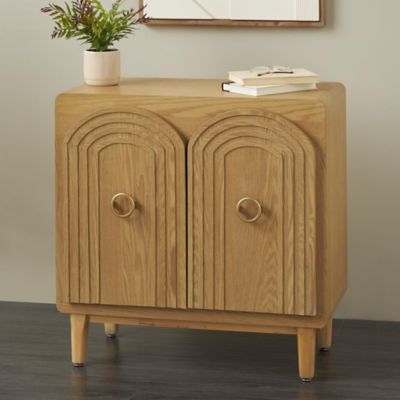
Transitional cabinets blend the familiar details of traditional cabinetry with the clean lines and simpler shapes of modern furniture. Recessed-panel doors, modest trim, balanced proportions, and understated hardware give this style its middle ground: more detail than a plain slab-front cabinet, but less ornament than heavily carved furniture. That balance makes transitional cabinets a natural fit for homes where a well-loved dining table sits near newer chairs or a farmhouse kitchen opens into a more streamlined living room. The look does not depend on matching every piece in the room. Instead, repeated colors, wood tones, or hardware finishes help connect the cabinet to its surroundings. Painted finishes can bring a lighter appearance to a large storage piece, while visible wood grain adds warmth and gives the eye something to settle on. White, cream, gray, brown, and darker finishes each create a different effect, especially against flooring and nearby furniture. A cabinet with simple doors and a shaped base can lean more traditional, while straight legs and narrow pulls can make a similar piece feel more modern. Glass-front sections offer room to display dishes or keepsakes, whereas solid doors keep everyday supplies out of sight. Open shelves can break up a tall silhouette and provide an easy spot for baskets or frequently reached-for belongings. These details matter because a cabinet is both storage and part of the room’s overall appearance. In a dining area, it may sit beside a table that hosts family suppers and weekend visitors. In a living room, it might hold board games, photo albums, and the odds and ends that otherwise collect on end tables. Transitional styling works well in either setting because it adds structure without demanding that the rest of the room follow one strict look. Its appeal comes from that comfortable mix of familiar shapes and straightforward function, whether the surrounding space leans country, classic, or contemporary.
The right fit involves more than finding an open stretch of wall. Overall width, depth, and height determine how a transitional cabinet sits in a room, while door swing and drawer clearance determine how comfortably it works there. A shallow cabinet can leave more walking space along a hallway or behind dining chairs, while a deeper cabinet may better accommodate serving dishes, folded linens, or larger household supplies. Tall cabinets make use of vertical space, though the highest shelves are generally better suited to belongings that do not come out every day. Lower cabinets keep more storage within easy reach and may provide a landing spot for a lamp or a serving tray when the top is designed for that purpose. Inside, adjustable shelves allow the layout to accommodate different heights; fixed shelves offer a set arrangement that needs to match what will go inside. Shelf spacing, usable interior depth, and stated weight limits deserve as much attention as the outside measurements. A stack of dinner plates places different demands on a shelf than a few cloth napkins, and a heavy serving bowl needs enough clearance to lift out without bumping the shelf above it. Drawers can keep smaller belongings from drifting to the back of a deep compartment, while enclosed shelves help contain larger groups of supplies. For households sorting belongings by room or task,
Organization Cabinets provide another way to explore storage built around keeping things together. Placement also affects daily use: nearby outlets, baseboards, floor vents, and wall trim can influence how closely a cabinet sits against the wall. A cabinet beside a doorway should leave room for people carrying groceries or laundry to pass comfortably. In a busy family home, clear access and a sensible interior layout often matter more than squeezing in the largest cabinet the wall can hold.
Materials and construction shape how transitional cabinets look, feel, and hold up to everyday handling. Solid wood brings natural grain variation and can develop small changes in appearance over time. Wood veneer provides a real-wood surface over a supporting core, while engineered wood panels can offer a smooth base for painted finishes or applied surface coverings. Many cabinets combine materials, so the doors, shelves, back panel, and frame may not all have the same construction. A clear understanding of those parts helps set expectations for weight capacity, assembly, and care. Joints, shelf supports, drawer slides, and hinges all contribute to how a cabinet functions after repeated opening and closing. Soft-close hardware, when included, can ease the final movement of a door or drawer, but proper alignment still matters. Level placement helps doors meet evenly and keeps drawers moving as intended; manufacturer-specified wall restraints are especially important for tall pieces and homes with children or pets. Cabinets intended for living spaces also need placement that suits their materials rather than an assumption that every storage piece belongs in a damp utility area. Routine care is usually straightforward, with the finish determining the safest cleaning method. A soft cloth removes dust from door edges and trim, and spills are best wiped promptly before moisture settles around seams or hardware. Abrasive scrubbers and strong cleaners can harm some finishes, so care directions should take priority over a general household cleaning routine. Pads beneath lamps, trays, and other objects can help limit surface marks, provided those pads are suitable for the finish. For a household that opens cabinet doors several times a day, comfortable pulls and wipeable surfaces can make a noticeable difference. A well-chosen transitional cabinet brings together useful storage, manageable upkeep, and a look that feels at home beside both familiar furnishings and newer additions.