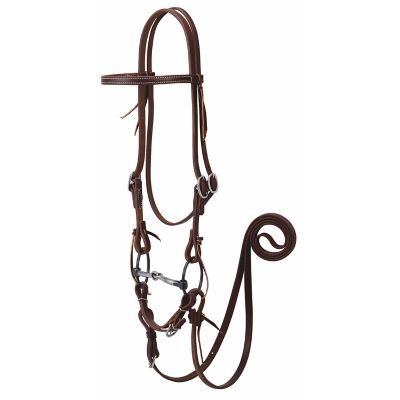
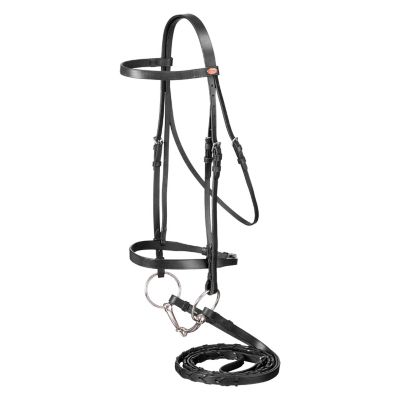
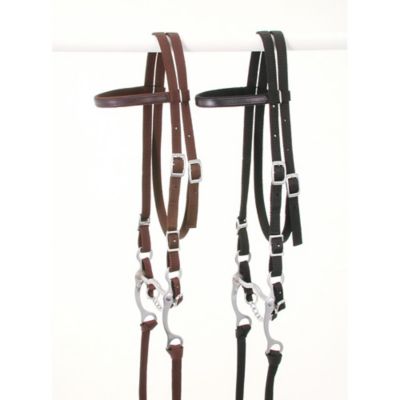
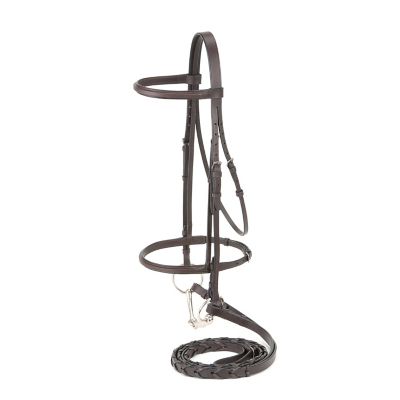
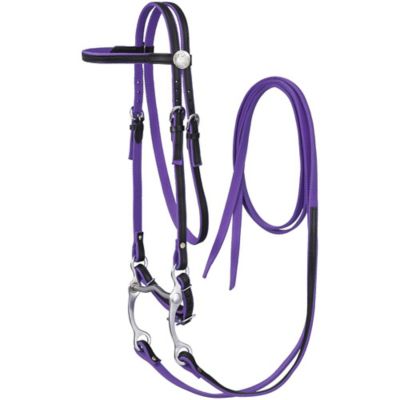
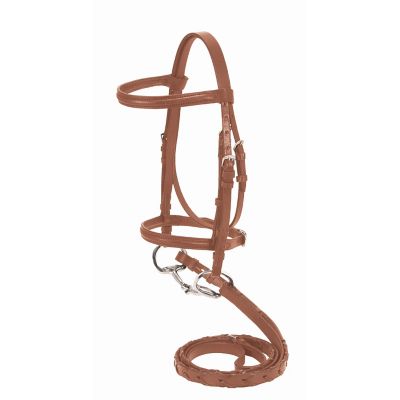
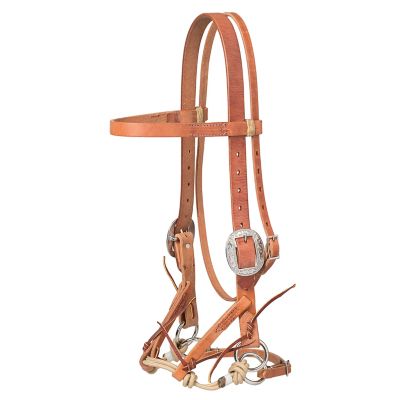
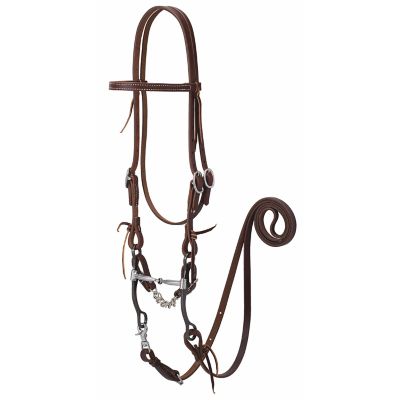
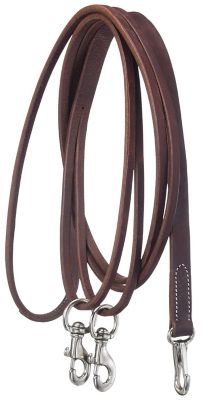
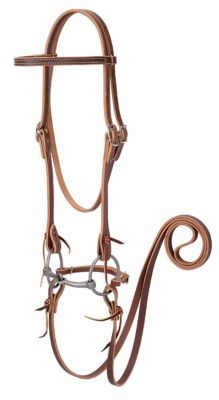
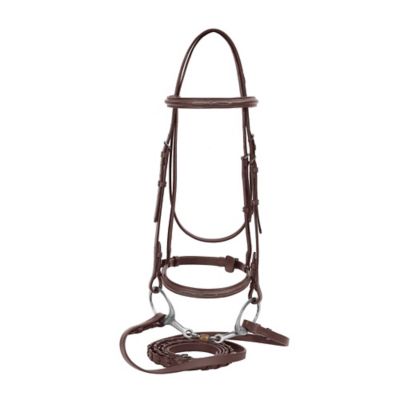
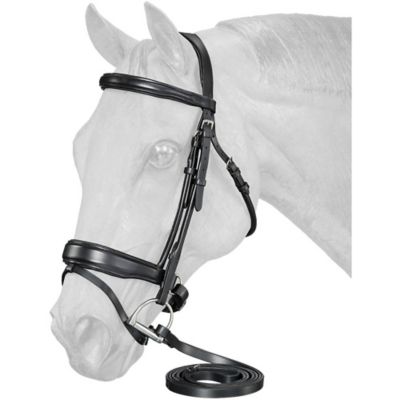
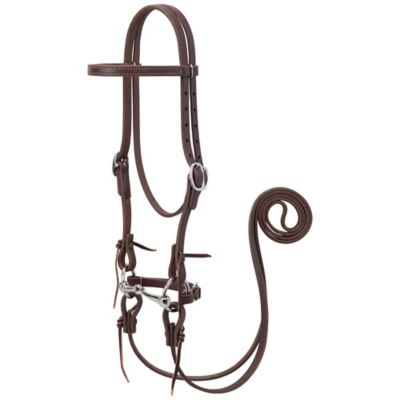
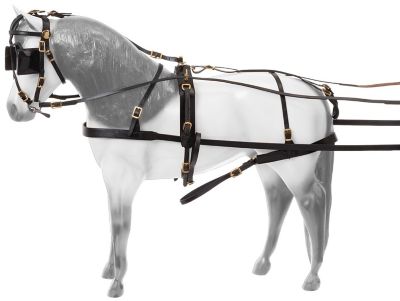
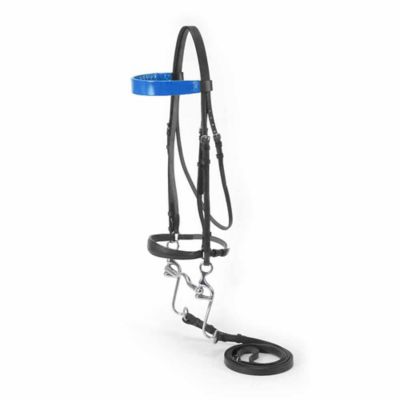
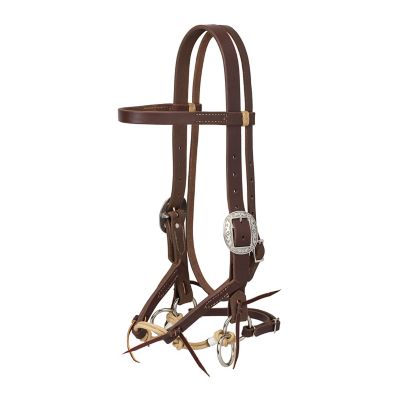
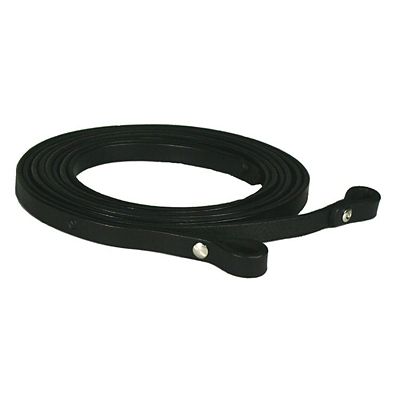
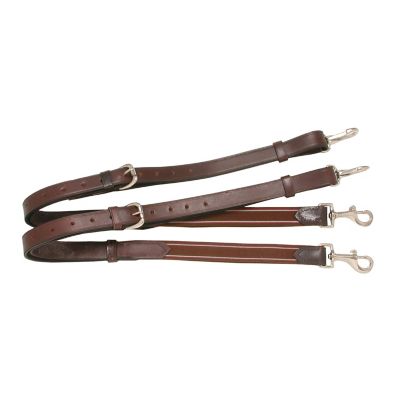
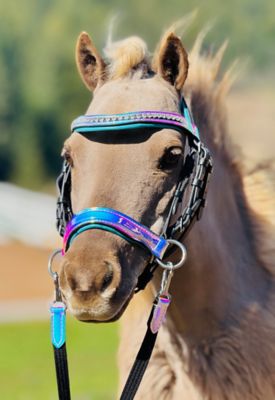
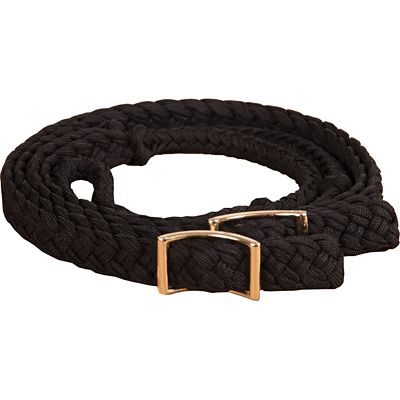
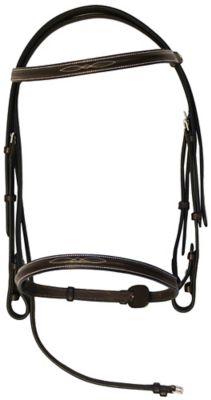
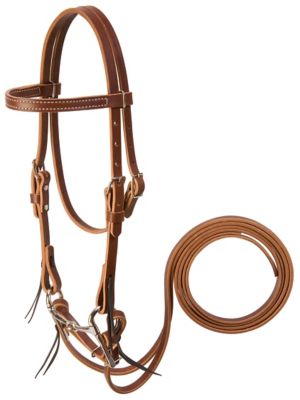
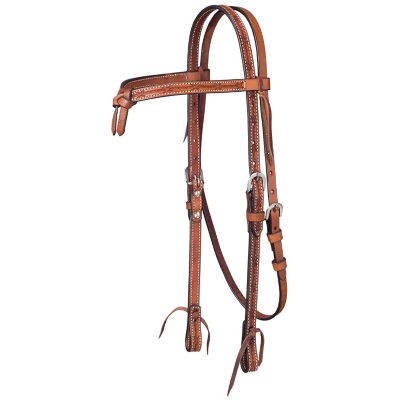
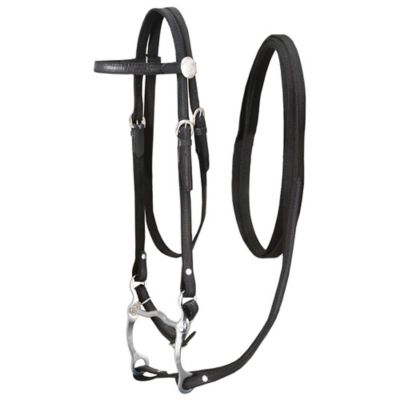
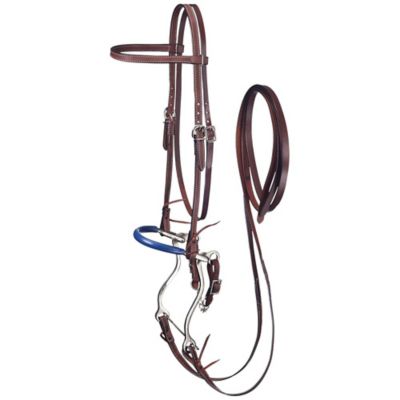
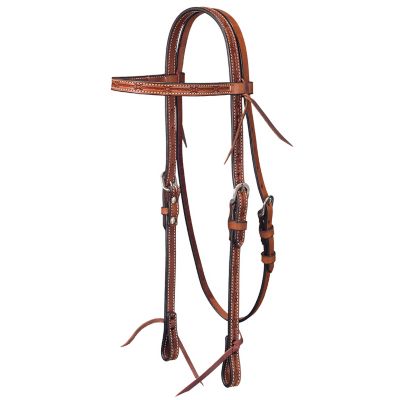
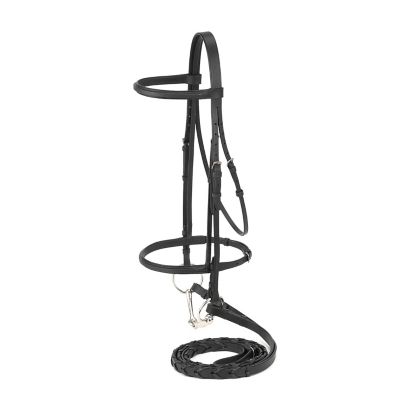
Bridles and reins are everyday essentials for riders who spend time schooling in the arena, checking fence lines, heading down a wooded trail, or putting miles on a steady horse around the farm. A bridle helps support clear communication between horse and rider, while the reins give the rider a comfortable, dependable way to guide, turn and stop. The right setup depends on the horse’s size and head shape, the rider’s experience, the riding discipline and the kind of work the pair will be doing. A bridle that fits well should sit securely without pinching around the cheeks, brow, nose or behind the ears. The crown should rest comfortably, the cheek pieces should allow proper adjustment and the throatlatch should provide enough room for movement without hanging loose. Reins should feel natural in the rider’s hands, with enough length for the horse to move freely while still allowing steady contact. Leather is a familiar choice for its traditional feel and ability to soften with use when cared for properly, while synthetic materials can offer easy cleaning and practical durability for muddy rides, wet weather and regular barn chores. Pay attention to stitching, hardware, buckle placement and the finish of the material, especially if tack will be used often or stored in a busy tack room. A calm, well-fitted bridle can make a ride feel smoother from the first walk down the driveway, and a good pair of reins should help the rider stay balanced instead of making them fuss with their equipment.
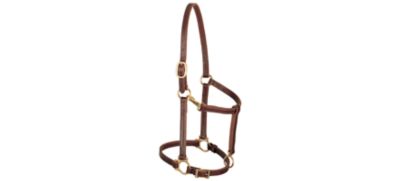
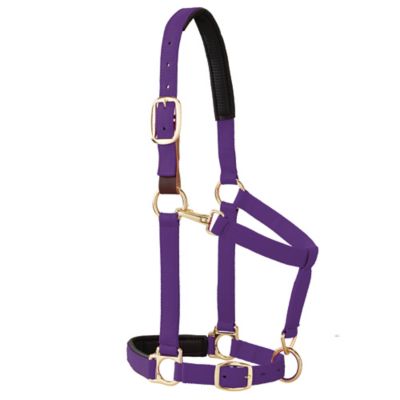
Before choosing bridles and reins, it helps to think about who will use them and where they will be used. A growing pony, a broad-headed draft cross and a fine-boned horse may all need different sizing, so measure carefully and compare those measurements with the product details rather than relying only on a familiar size. Riders who switch between arena work and trail riding may appreciate tack that is comfortable, sturdy and easy to wipe clean after a dusty afternoon. Families with more than one horse should keep each animal’s equipment properly identified, since sharing a bridle without checking the fit can lead to rubbing or poor communication. A new set can also make a thoughtful gift for a horse owner, young rider or 4-H family, especially when chosen with the recipient’s riding style and horse size in mind. For a younger horse or pony that is still learning, a properly fitted halter may be part of the everyday routine before more advanced tack is introduced; shoppers looking for that kind of groundwork equipment can also browse
Pony Halters. During the cooler months, keep leather tack indoors or in a dry, ventilated place away from direct heat, which can cause it to dry and crack. Wipe away sweat, dust and dampness after each use, check the billets and reins for stretching or damage, and inspect buckles and other hardware before saddling. A few quiet minutes of care after a ride can keep tack ready for the next trip, whether that means an early morning lesson, a slow ride along the pasture edge or a practical day of work around the barn.
When selecting from a range of bridles and reins, consider the small details that affect comfort over the course of a ride. Smooth edges help reduce rubbing, sturdy keepers help hold excess strap neatly in place and secure closures make adjustments easier when fingers are cold or gloves are on. Reins may be joined, split or finished in different ways, and the best choice is the one that suits the rider’s habits and offers a reliable grip without feeling bulky. Width and weight matter, too; lighter tack can feel easy in smaller hands, while a heavier, more substantial feel may suit experienced riders or demanding daily use. Any bit or bitless arrangement should be selected with care and used according to the horse’s training, comfort and the rider’s ability. Tack is not a substitute for patient handling, proper instruction or regular checks for fit. Even a dependable bridle deserves a quick look before every ride: run your fingers along the leather or synthetic material, test the stitching, check that the reins are attached correctly and make sure nothing is cracked, stretched or loose. A horse’s head and skin can change with age, weight, grooming and seasonal coat growth, so fit should be checked regularly rather than assumed. Whether the goal is a relaxed trail ride as the weather shifts, steady practice in the ring or dependable equipment for work close to home, thoughtfully chosen bridles and reins can help horse and rider communicate with greater confidence and comfort.