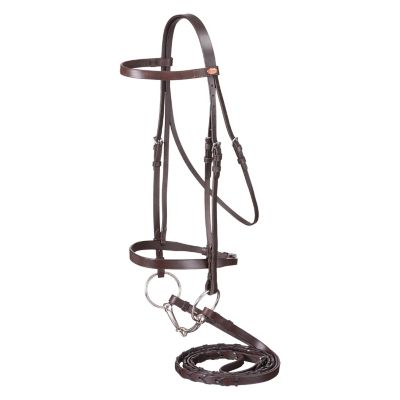
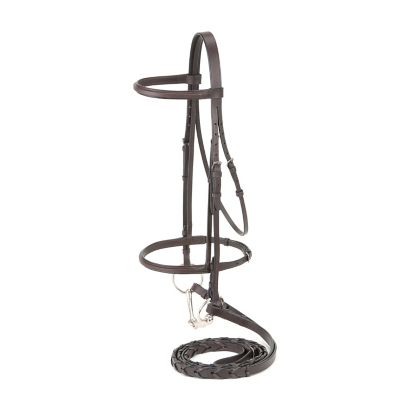
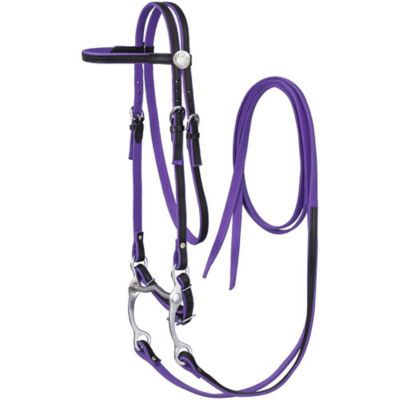
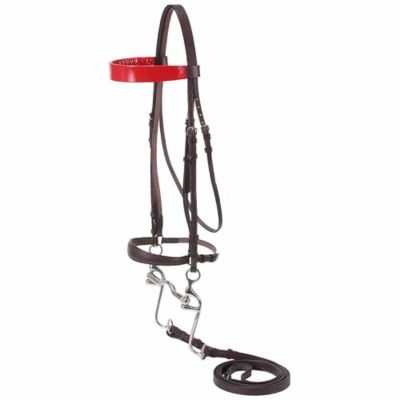
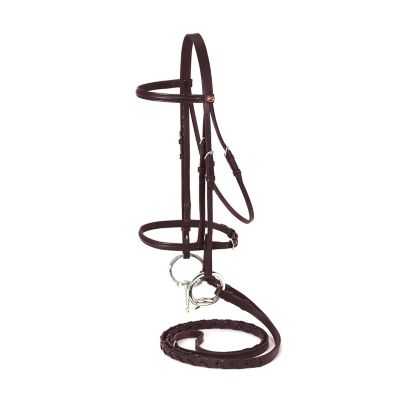
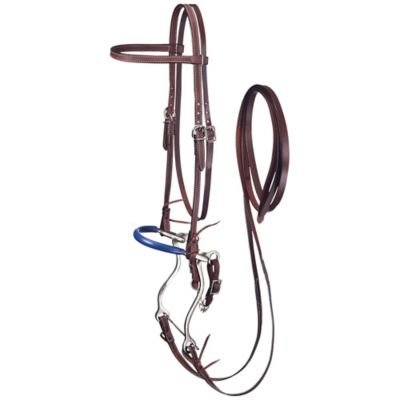
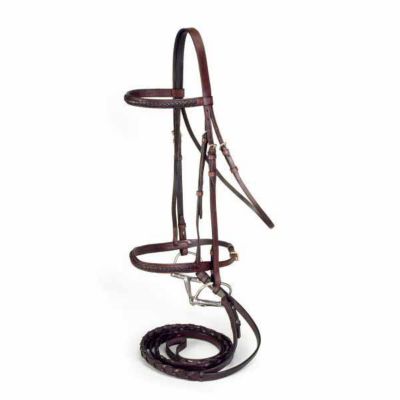
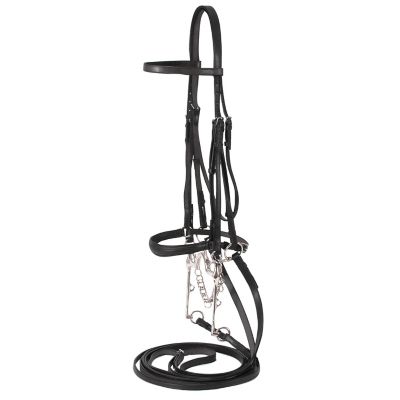
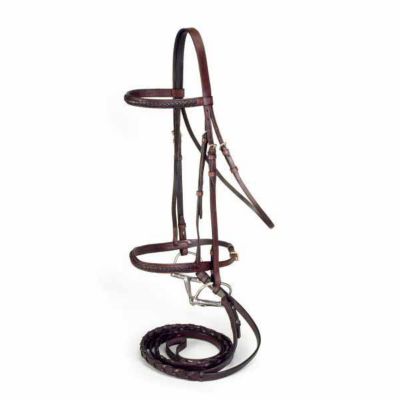
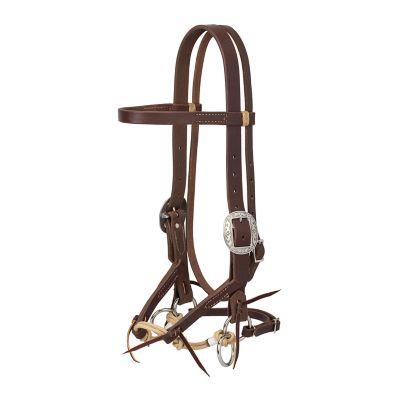
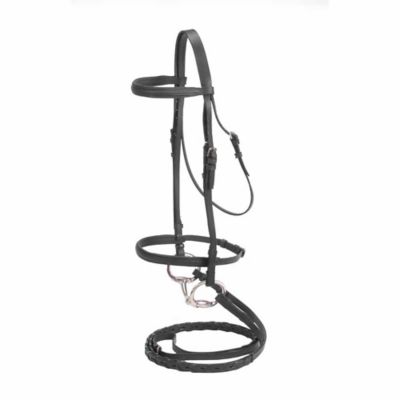
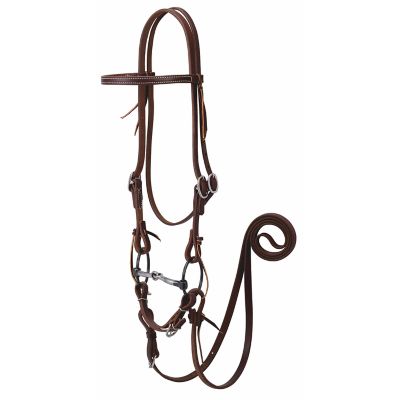
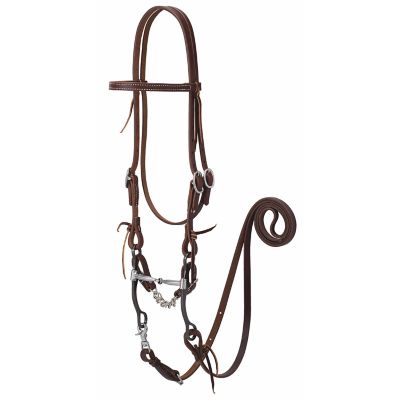
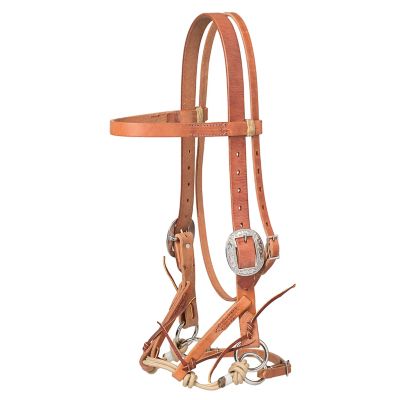
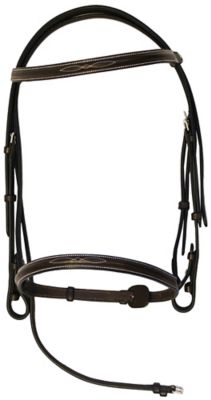
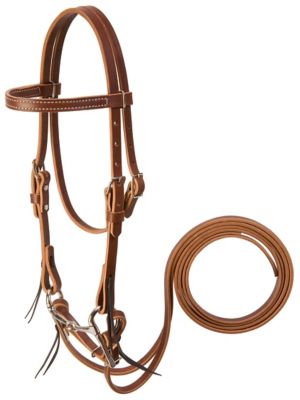
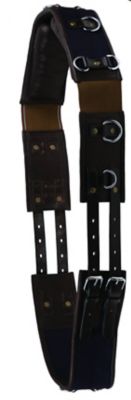
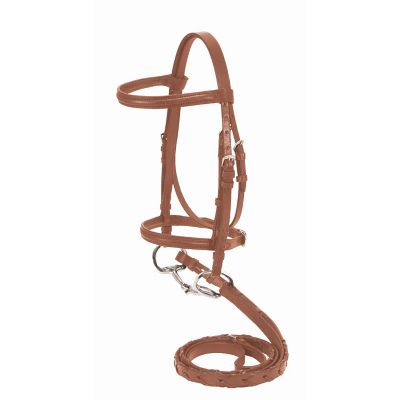
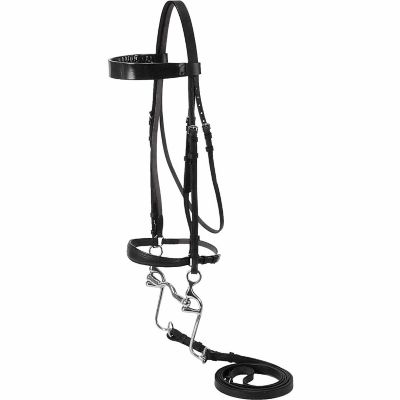
Horse bridles are part of the everyday connection between horse and rider, whether the day calls for checking a fence line, schooling in the arena, or heading down a familiar trail. A well-fitting bridle supports clear communication without getting in the way of a horse’s natural movement. The right style depends on the riding discipline, the horse’s training, and the rest of the tack. Western bridles often have a browband, single-ear, or split-ear headstall, with anything from plain leather straps to tooling and silver-tone accents. English bridles generally include a browband and noseband, with different configurations suited to different riding needs. Neither appearance nor a discipline label tells the whole story; strap placement, adjustment range, and compatibility with the intended bit and reins matter just as much. Leather remains a familiar choice for riders who appreciate its feel, traditional appearance, and ability to become more supple with proper care. Smooth edges, even stitching, and leather that bends without cracking are useful details to look for. Nylon and other synthetic materials offer alternatives for riders who prefer straightforward cleanup and less leather conditioning. Their feel, flexibility, and maintenance needs vary by construction, so material descriptions deserve a close look. Hardware matters, too. Buckles should work smoothly, strap ends should stay neatly secured, and bit attachments should suit the setup. Stainless steel and brass are common hardware materials, though finishes and care requirements differ. Color and trim can help coordinate a bridle with a saddle or show outfit, but comfort and sound construction come first. For a rider spending hours in the saddle, practical details such as accessible buckles, tidy keepers, and enough adjustment can mean more than a flashy finish. A simple working bridle and a dressier show bridle may serve different purposes, yet both need to fit the horse and function as part of a complete tack setup.
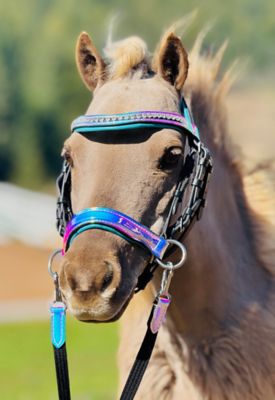
Bridle fit involves more than choosing a pony, cob, horse, or oversize label. Head shape varies, and two horses standing the same height can need different cheekpiece lengths or browband widths. A broad forehead, shorter face, or fuller jaw can change where the straps sit. The crownpiece should rest comfortably behind the ears without pinching, while the browband needs enough room to avoid pulling the crown forward. Cheekpieces should lie neatly along the face, with adjustment left for the intended bit position rather than every buckle sitting at its last hole. The throatlatch needs clearance for normal movement, and any noseband should sit in the correct position without being tightened to restrict normal jaw movement or mask a training issue. Padding can soften contact at certain points, but it cannot make up for a bridle that is too small or poorly adjusted. Bitless bridles have their own fit considerations because their designs apply pressure to different areas of the head; they are not interchangeable with every headstall or suitable for every horse-and-rider pairing. For bitted bridles, mouthpiece fit and placement deserve attention separate from the fit of the leather or synthetic straps. Repeated head tossing, rubbing, or resistance can have several causes, including dental discomfort, so a tack change alone may not solve the problem. A knowledgeable trainer, tack fitter, or veterinarian can help sort out concerns. Riders comparing the full setup can also explore
Bridles and Reins with rein length, attachment style, and feel in mind. Split reins, loop reins, and other configurations handle differently, especially when switching between arena work and long stretches on the trail. Listings may describe a headstall alone or a more complete bridle arrangement, so checking which components are included helps keep the setup consistent. Secure connections, suitable rein attachments, and a fit check before mounting all support clear communication, whether the rider is practicing a quiet transition or asking a horse to stand while a gate swings open.
Routine care helps a horse bridle hold its shape and stay ready for the next ride. Sweat, dust, and grit collect around buckles, folds, and the underside of straps, especially after a full day of ranch work or repeated schooling sessions. Leather benefits from cleaning and conditioning suited to its finish, following the maker’s directions rather than soaking it or piling on heavy layers of oil. Too much conditioner can leave leather overly soft or sticky, while neglected leather can become stiff and develop cracks around high-stress areas. Synthetic bridles have their own cleaning instructions, and padding or mixed-material sections may need different treatment from the main straps. Allowing tack to dry properly before putting it away helps protect both the material and hardware. A bridle rack that supports the crown without sharply folding the straps keeps the tack room tidy and makes inspections easier. Before riding, it is worth checking stitching, buckle holes, keepers, bit ends, and rein connections for signs of wear. A stretched hole or a loose fastener is easier to address at the tack rack than out past the barn. Damaged load-bearing parts call for repair or replacement, not a quick knot or a hopeful extra ride. Bridles are riding equipment, not a substitute for a halter when tying a horse, and reins should never serve as a tie rope. For lesson riders, ranch hands, trail riders, and families involved in horse shows or youth riding programs, these everyday details help make tack ownership more manageable. A bridle can also be a thoughtful gift for an experienced horse owner when the horse’s measurements, riding discipline, and preferred setup are already known. Matching an existing leather color is helpful, but matching the horse and the job matters more. From a plain headstall hanging beside a working saddle to a carefully coordinated arena setup, the best choice is one that fits comfortably, offers sensible adjustments, and can be maintained throughout regular riding.