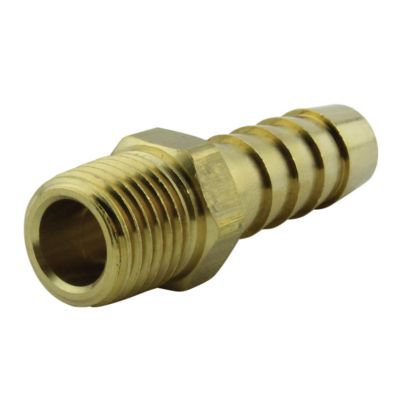
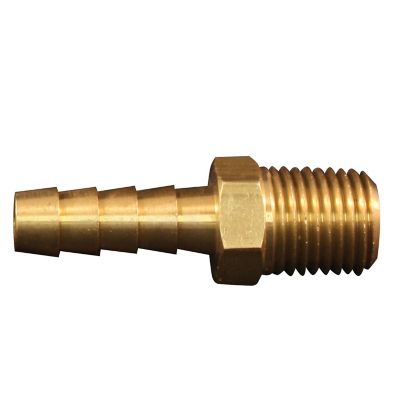
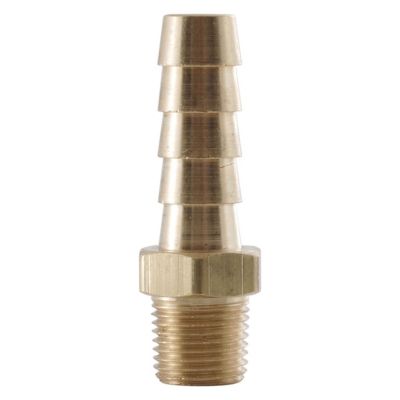
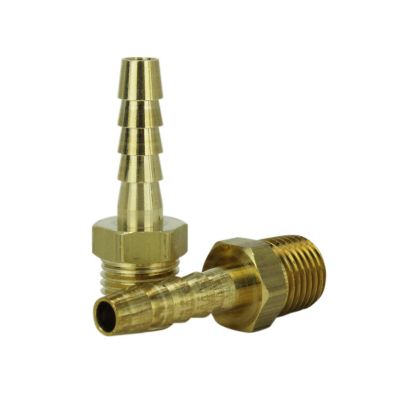
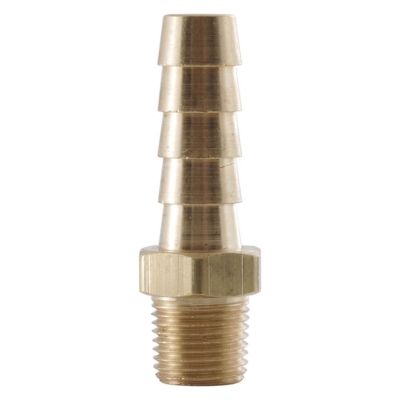
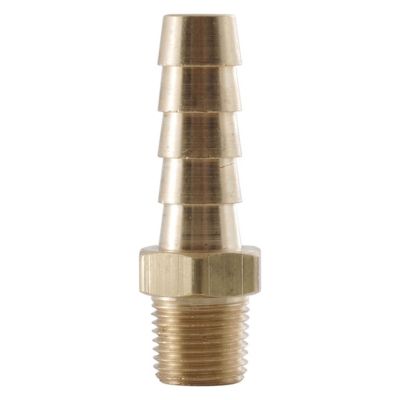
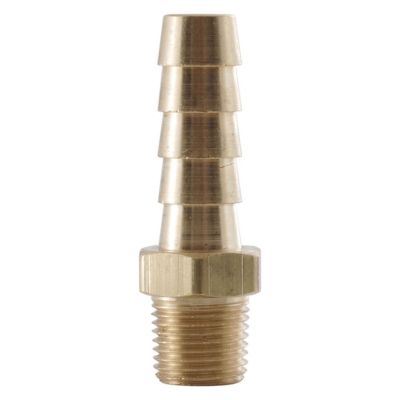
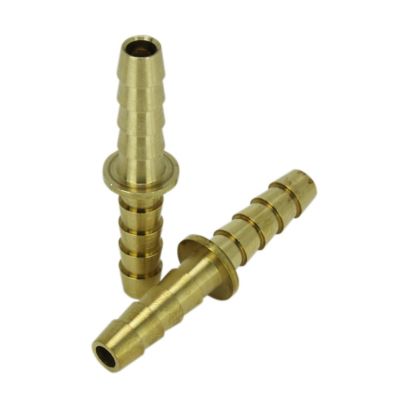
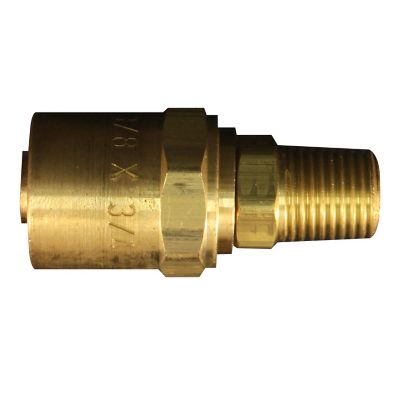
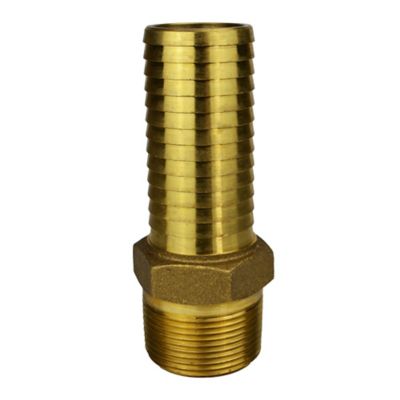
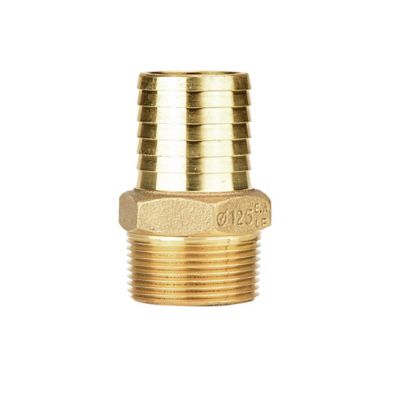
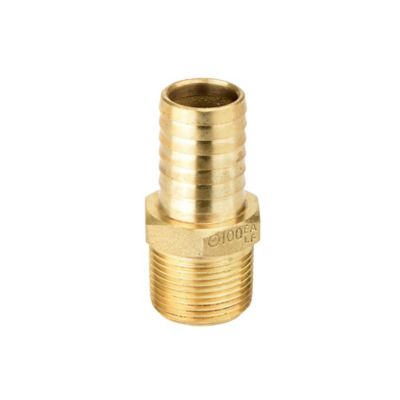
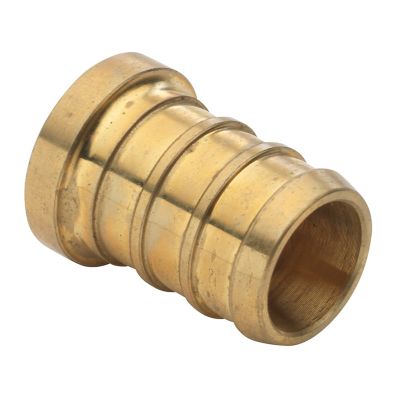
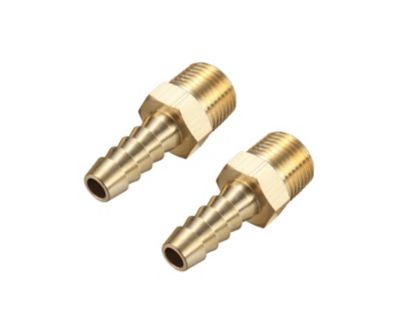
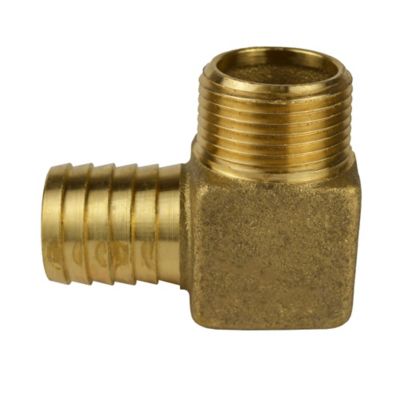
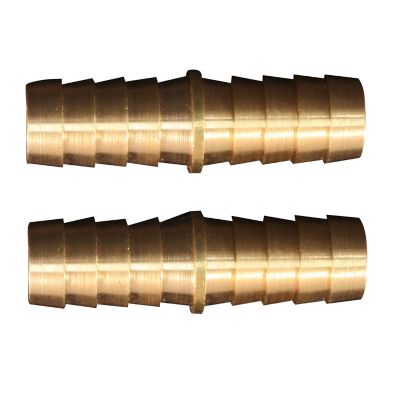
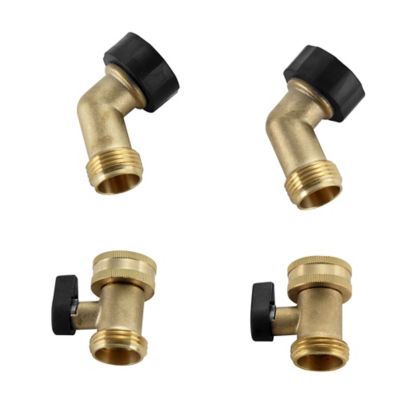
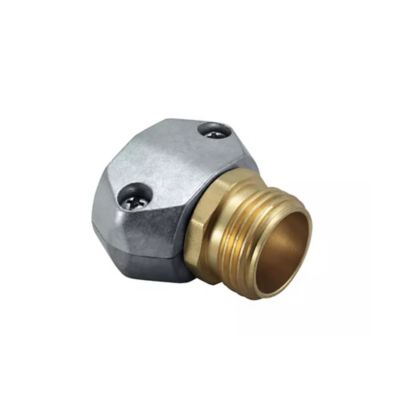
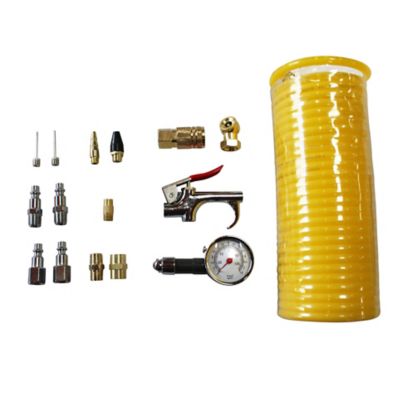
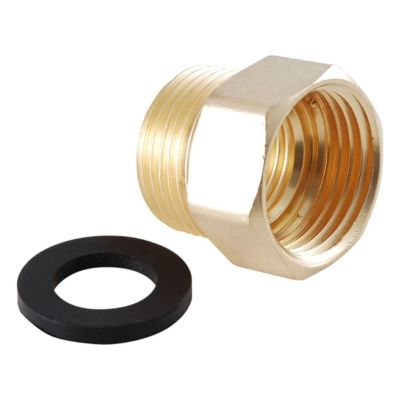
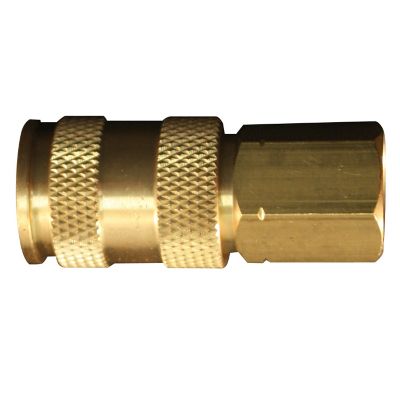
Barbed brass hose fittings connect flexible hose or tubing to another hose, a pipe, a valve, or a piece of equipment. Raised ridges along the fitting’s stem press against the inside wall of the hose, helping hold the connection in place; many applications also require a properly matched hose clamp or another specified fastening method. These fittings can serve a range of jobs around the barn, shop, garage, and acreage, from water transfer connections to compatible pneumatic equipment. The right match starts with the hose itself. Hose barb size generally refers to the hose’s inside diameter, not its outside measurement, so a thick outer wall does not necessarily call for a larger barb. A snug fit matters, but forcing a small hose over an oversized stem can damage the tubing and strain the connection. Straight connectors join sections in line, elbows change direction, and tees create a branch where the system design allows one. Threaded adapters bring a barbed connection together with a threaded port, making both ends of the fitting important when comparing sizes. A barb measurement and a thread measurement describe different parts of the connection and may not be the same nominal size. Thread style matters just as much: tapered pipe threads and garden hose threads are not interchangeable, even when their measurements seem close. For connections that fasten with a garden hose swivel and sealing washer,
Brass Garden Hose Connectors address that connection style. Around a utility sink or watering setup, recognizing the difference between a threaded seal and a washer-sealed joint can prevent a frustrating mismatch. The most useful fitting is the one that matches the hose dimensions, connection type, and job without relying on extra force or a stack of unnecessary adapters.
Brass brings a solid metal connection to hose assemblies and offers corrosion resistance in many suitable applications, but the alloy alone does not tell the whole story. The fluid moving through the line, the hose material, the system’s working pressure, and the fitting manufacturer’s specifications all affect suitability. Water service, compressed air, and fuel transfer each place different demands on a connection, and a fitting intended for one does not automatically belong in another. A brass finish or familiar shape is not a substitute for a stated application rating. For drinking water lines, look for the required potable-water certifications and lead-content compliance rather than assuming every brass fitting is appropriate. Chemical transfer also calls for compatibility checks across the entire assembly, including the hose liner, fitting, clamp, and any seals. For fuel or compressed-gas service, explicit approval for that medium matters; a general-purpose hose fitting should not take the place of a connection specified for a safety-critical system. Working pressure depends on the assembled system, not just the strength of the metal fitting, and the lowest-rated component limits the connection. Hose construction matters here, too. Soft tubing, reinforced hose, and stiff-walled hose do not all respond to the same barb profile or fastening pressure. Matching the clamp’s size range and design to the hose helps support an even grip without cutting into the outer wall. A longer barb is not automatically a better choice if the hose cannot seat fully or the space beside the connection is tight. On a pump beside a utility tank, for example, an elbow may provide a cleaner hose path than a straight stem that leaves the line bent sharply against a frame. Enough room for the hose, clamp, and nearby moving parts helps keep a neatly arranged connection from becoming a rub point once the equipment starts running.
A well-matched fitting also makes routine upkeep more straightforward. Brass can darken with handling and exposure, and a change in surface color alone does not always mean the connection has failed. Cracks, deep pitting, damaged threads, and evidence of a leak deserve closer attention, especially where vibration or repeated movement puts stress on the hose. A line that seeps at the barb may have hardened tubing, a split beneath the clamp, an incorrect hose size, or a fastening problem; tightening harder does not address every cause. Too much clamp pressure can damage the hose, while excessive force on threaded connections can crack a port or distort a softer mating part. For that reason, the fitting and equipment instructions should determine the fastening method, including whether a compatible thread sealant belongs on a particular pipe-thread joint. Washer-sealed hose connections depend on the washer and seating surfaces instead of treating the threads as the seal. Keeping grit out of an open hose end and brushing loose debris away from a connection helps protect those mating surfaces during service. Before inspecting or disconnecting a line, the equipment needs to be shut down and any trapped pressure safely released according to its instructions. On working equipment, hose support matters after installation just as much as fit does at the bench. A heavy hose hanging from a small brass adapter can act like a lever, while a line stretched across a walkway invites pulling and snagging. Routing the hose with enough slack for normal movement, without leaving it rubbing against a sharp edge, reduces strain on the connection. Whether the job involves a farm utility line, a workshop air connection, or a small water-transfer setup, careful sizing and attention to the whole assembly help keep everyday chores moving without turning a simple connection into a recurring repair.