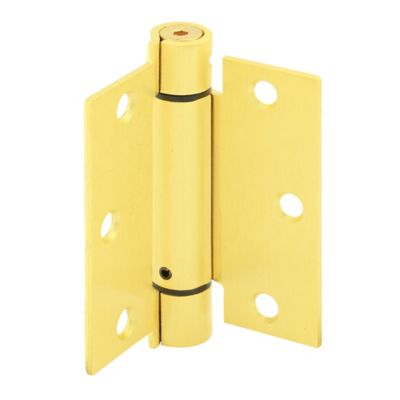
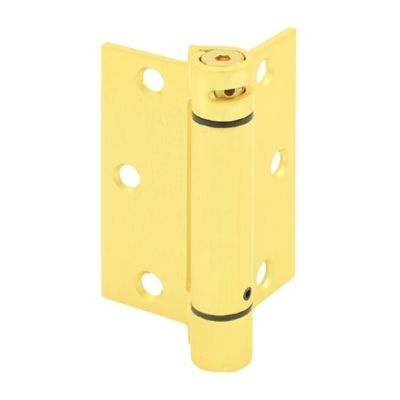
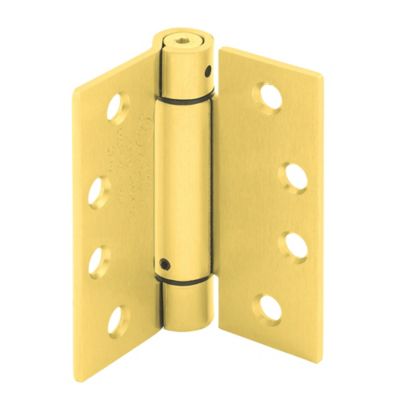
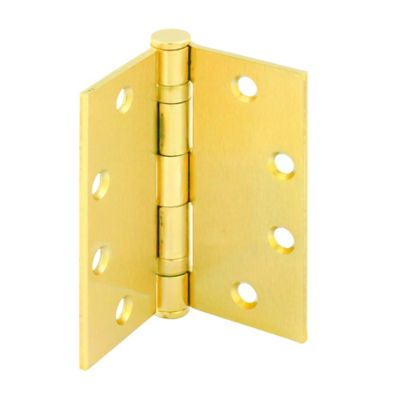
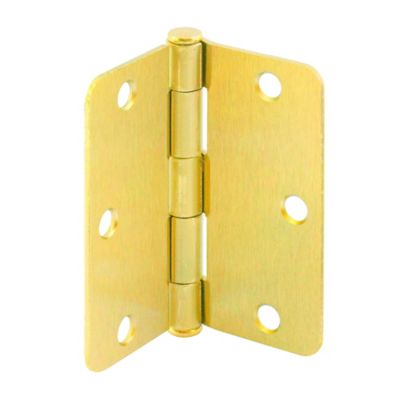
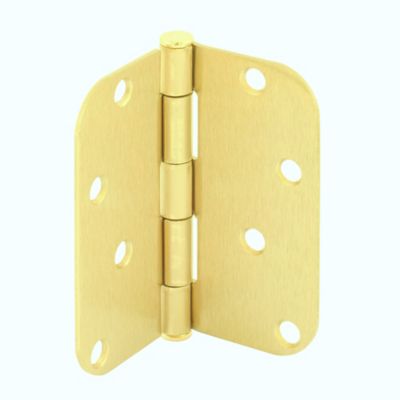
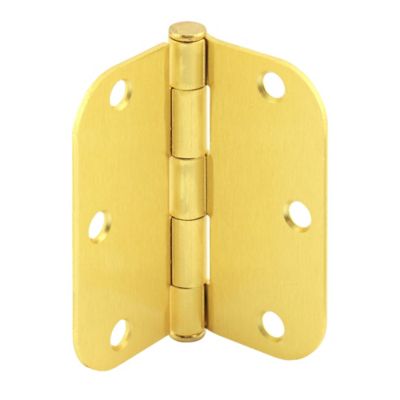
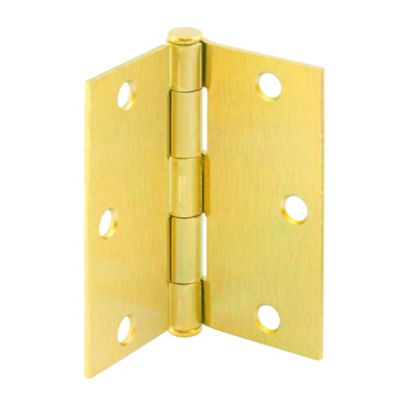
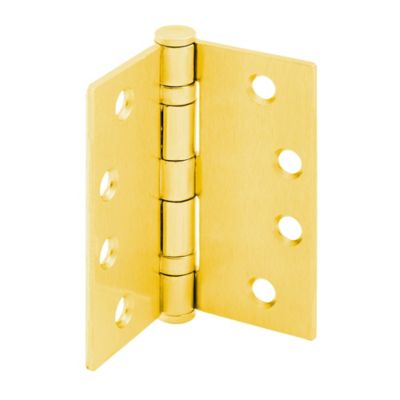
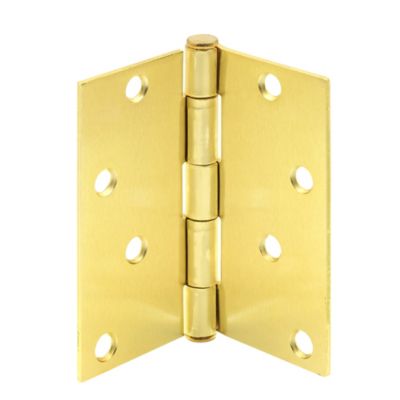
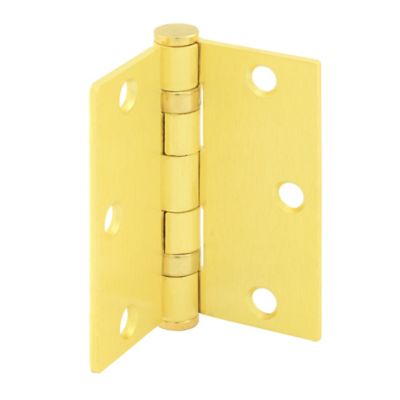
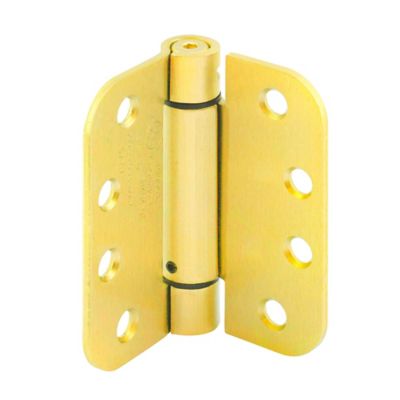
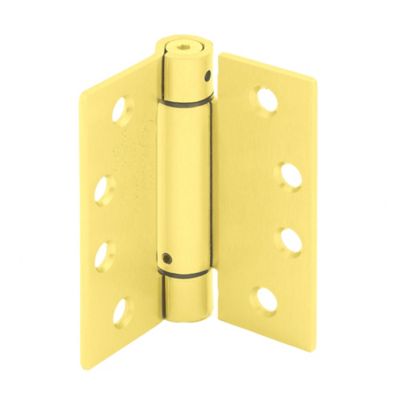
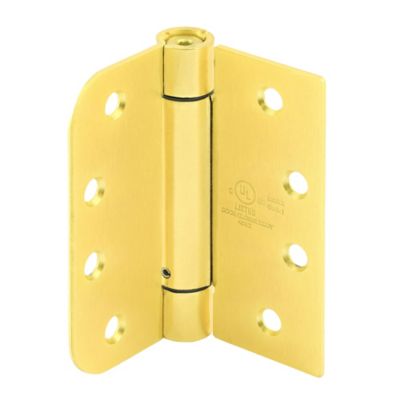
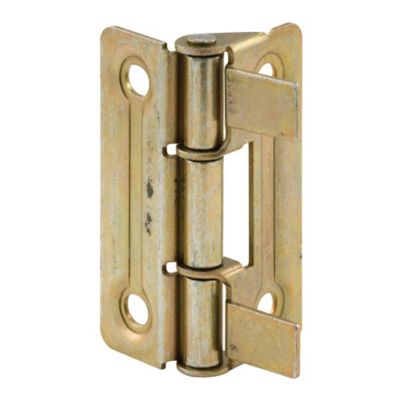
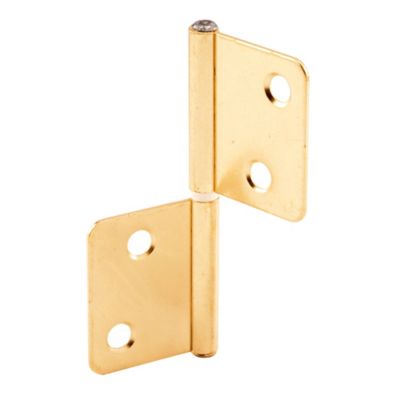
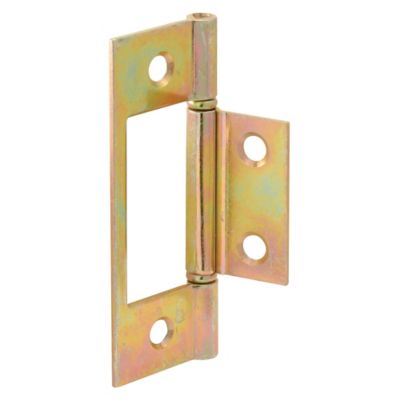
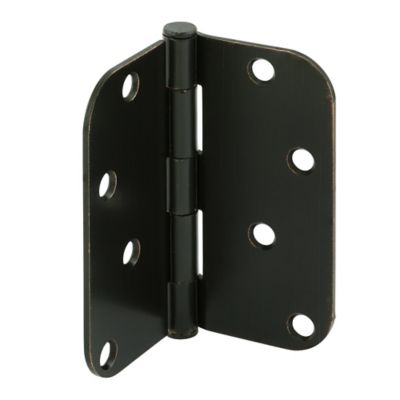
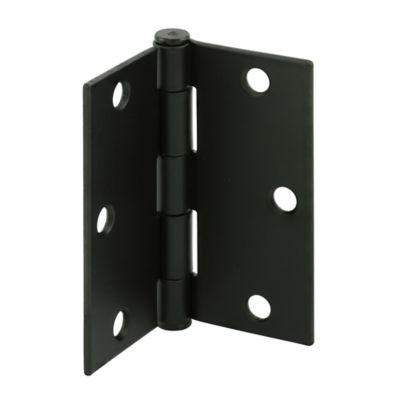
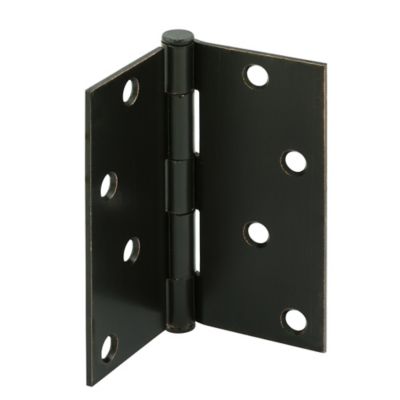
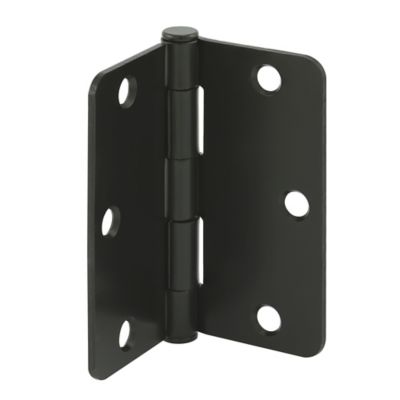
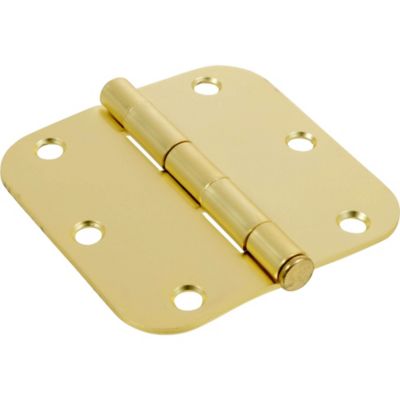
Satin brass door hinges are door-support hardware with a warm gold tone and a soft, low-sheen finish. They bring a little warmth to a doorway without the bright reflection of polished brass, making them a good match for everything from painted farmhouse doors to simple wood doors in a newer home. The satin surface often has a fine brushed appearance that pairs easily with natural wood grain, cream-colored trim, deep green paint, and darker door finishes. On a bedroom or pantry door, the hinges may seem like a small detail, but their finish becomes more noticeable whenever the door swings open. Matching that finish with nearby knobs, levers, and latch plates helps the whole doorway look pulled together. Satin brass also works alongside other metals when the mix feels intentional, such as brass door hardware near black light fixtures or dark cabinet pulls. Browsing related
Brass Hardware can help coordinate those details throughout a hallway, kitchen, or entry. The finish name describes appearance rather than the metal underneath: satin brass hinges may have a solid brass body or a brass-colored finish over steel or another base metal. That distinction matters for strength, maintenance, and how the surface may change over time. Solid brass can develop a patina when it has no protective coating, while plated hinges depend on an intact surface finish to maintain their appearance. Neither the gold color nor the satin sheen alone tells the whole story about a hinge’s construction. For homeowners replacing mismatched hardware, landlords freshening up an interior, or folks finishing a home workshop office, the appeal is straightforward: a practical working part that also looks right with the rest of the room. Because satin brass shades can lean more yellow, brown, or muted gold, comparing finish descriptions and samples can help avoid a noticeable mismatch between hinges and handles.
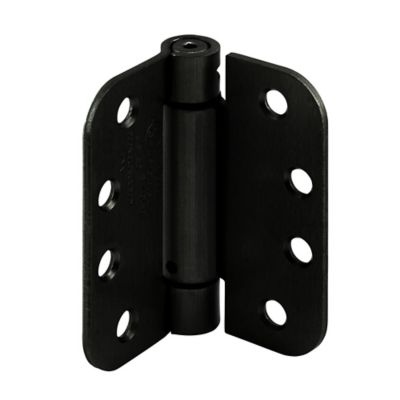
Fit matters just as much as finish with satin brass door hinges. A replacement hinge needs to suit the door’s thickness, weight, existing cutouts, and screw locations, not simply look close when held beside the old hardware. Common residential hinge heights include 3½ and 4 inches, but height is only one measurement. Leaf width, metal thickness, corner shape, and the position of the screw holes also affect how the door sits in its frame. Square corners and rounded corners are not interchangeable without changes to the recess, and rounded hinges commonly have either a ¼-inch or ⅝-inch corner radius. The recess, also called a mortise, lets the hinge leaf sit flush with the edge of the door and the jamb. A leaf that sits proud or sinks too deep can change the gaps around the door and keep it from closing as it should. Picture a pantry door that rubs along the top corner or a bedroom latch that only catches after a firm shove; those troubles can come from loose screws, a shifting frame, or hinge fit rather than the finish or appearance of the hardware. Matching the original dimensions is a sensible starting point for a replacement, while new doors need hardware selected for the door manufacturer’s requirements. Hollow-core interior doors place different demands on their hinges than solid wood doors or wider, heavier doors. Hinge count, load rating, and screw attachment should follow those requirements rather than a one-size-fits-all rule. Plain-bearing hinges serve many residential applications, while ball-bearing designs can be suited to heavier doors or frequent opening and closing when their ratings match the job. Removable pins can make taking down a door simpler, but not every hinge has that feature. Outward-swinging exterior doors may call for security features that help prevent removal from the exposed side. Spring hinges and hinges for fire-rated assemblies have additional requirements, so the correct function and listing have to come before a matching color.
Everyday performance comes down to sound construction, proper installation, and care that suits the finish. A satin brass hinge on a busy hallway door may move dozens of times a day, especially between bedrooms, a laundry area, and the main living space. Smooth movement matters when somebody is carrying a full laundry basket or trying to close a door quietly without waking the household. The hinge should support the door without binding, and its screws need a firm hold in the door and jamb. Loose attachment can let even a well-made hinge sag, while an existing alignment problem will not disappear just because the hardware has been replaced. For interior spaces, a satin brass finish offers a softer reflection than polished metal, though it can still collect dust, fingerprints, and residue around the knuckles. A soft cloth and gentle cleaning method recommended by the manufacturer help protect the surface. Abrasive pads, metal polish, and strong cleaners can scratch or strip some coatings, so care directions matter, particularly with plated or lacquered hardware. Drying the hinge after cleaning helps keep water from lingering in the joints. If a squeak develops, a small amount of the recommended lubricant at the moving parts may help; excess should be wiped away so it does not collect grime or mark nearby paint. Hinges intended for exterior doors or damp locations need construction and finishes rated for those settings, rather than an assumption that every brass-colored hinge can handle the same conditions. For a whole-house refresh, consistent hinge proportions and finish tones can make doors feel connected even when their styles differ. For a single repair, matching the existing footprint keeps the work focused and helps preserve the surrounding paint and wood. The right satin brass door hinges balance that warm, understated look with the fit and working features each doorway needs, whether the job is a closet door replacement or finishing the doors in a newly completed room.