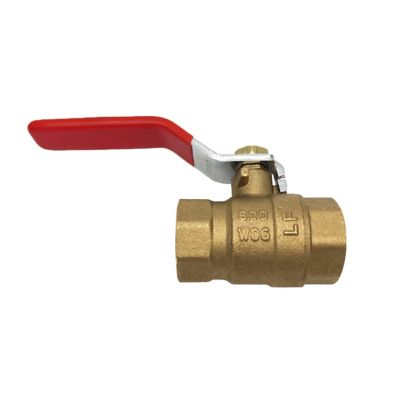
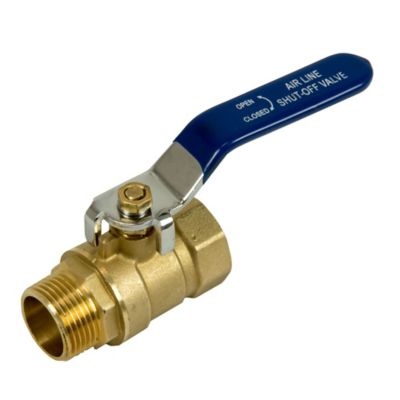
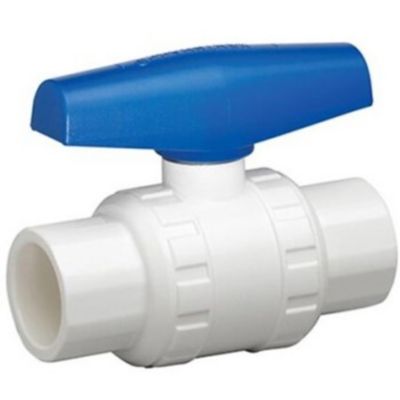
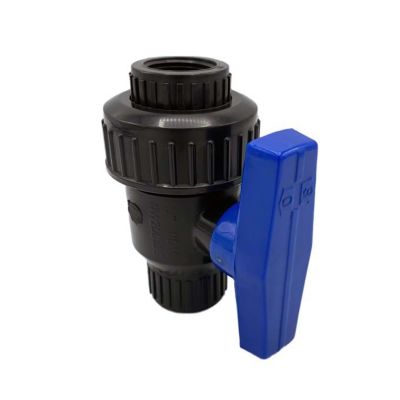
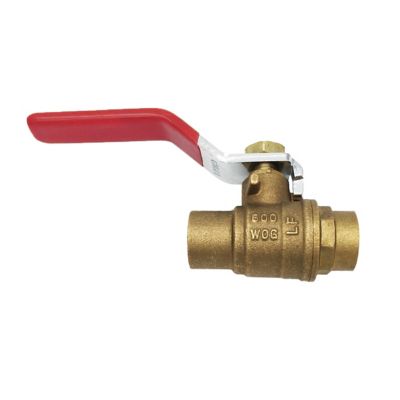
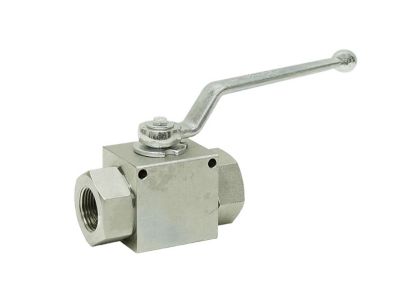
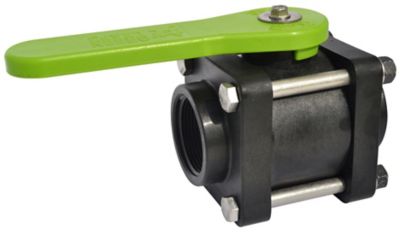
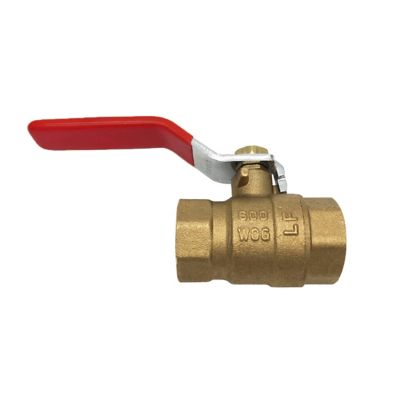
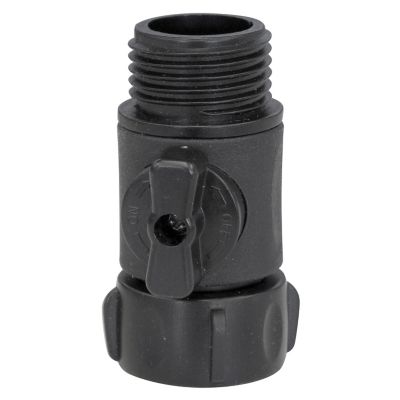
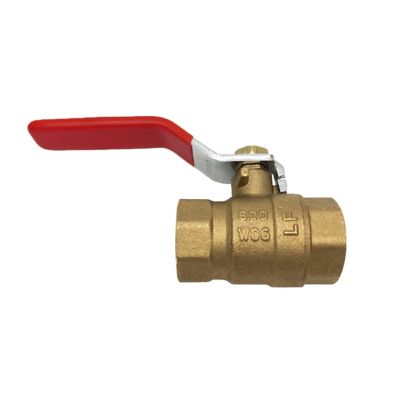
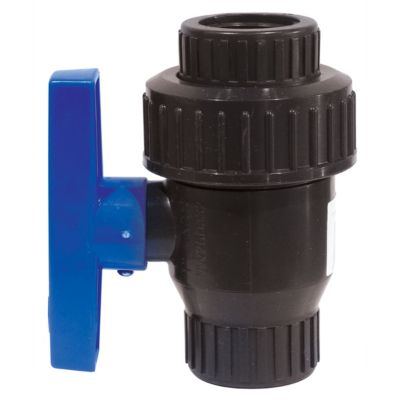
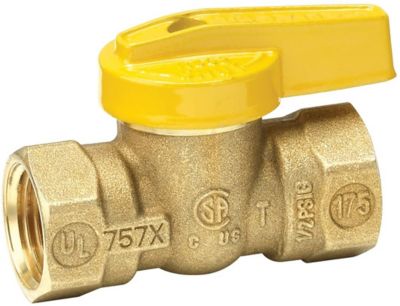
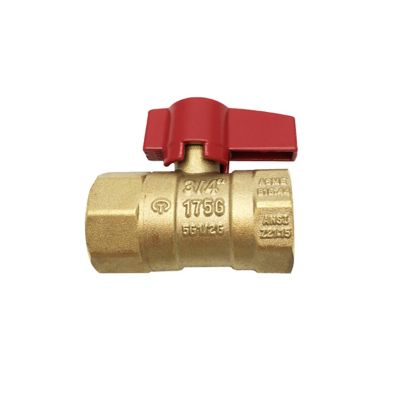
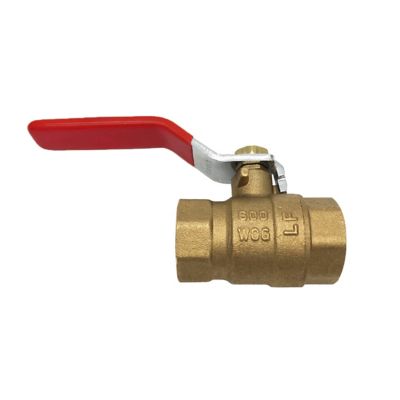
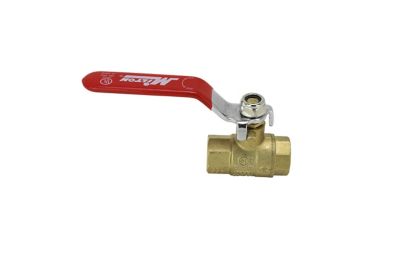
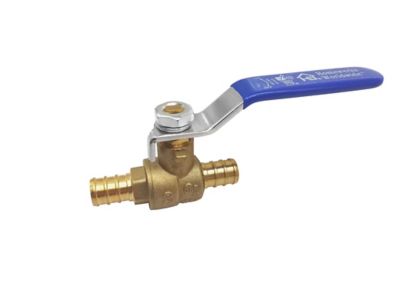
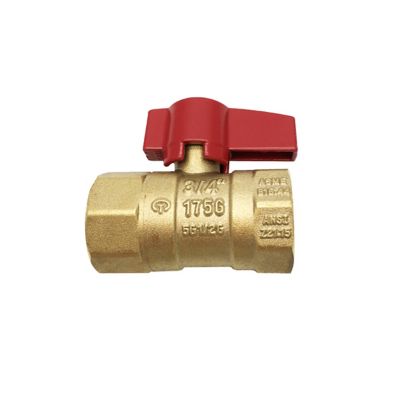
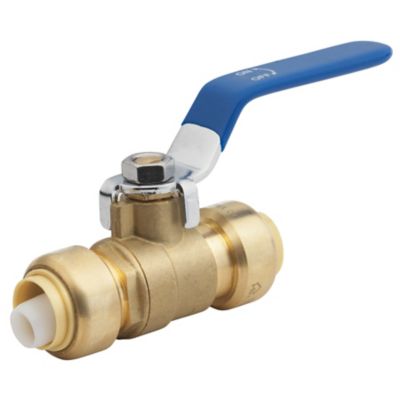
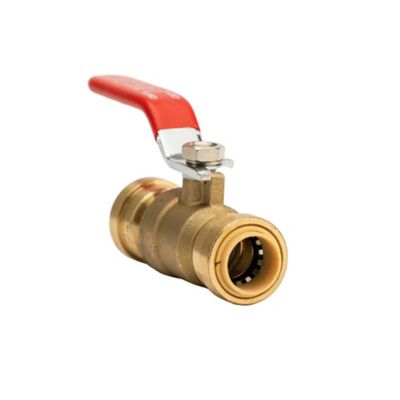
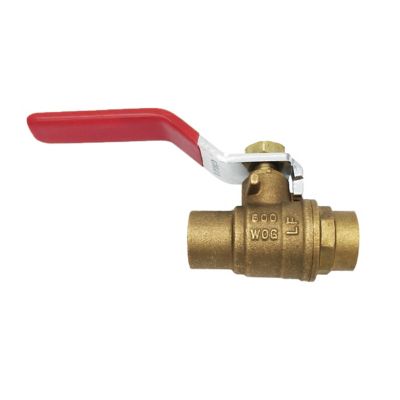
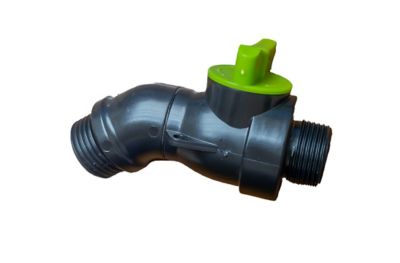
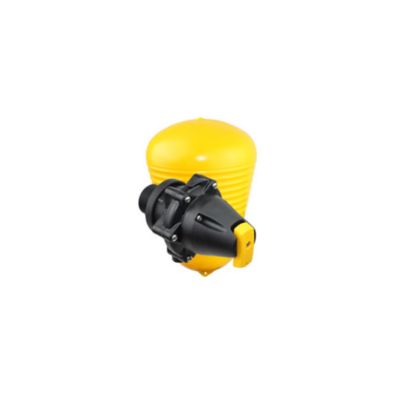
Ball valves are quarter-turn shutoff valves that control the flow of liquids or gases through a hollow ball inside the valve body. Turning the handle 90 degrees rotates that ball, either lining its opening up with the pipe or turning its solid side across the flow path. On most manual two-way ball valves, a handle parallel to the pipe indicates an open valve, while a handle perpendicular to the pipe indicates a closed valve. That straightforward operation makes them a practical fit for farm water lines, barn plumbing, irrigation systems, workshop piping, and other applications when the valve carries the proper service rating. A shutoff near a livestock waterer can isolate that branch for repairs without cutting water to every building on the property. At a utility sink, an accessible valve can make replacing a faucet a smaller job. Full-port ball valves have an internal opening that roughly matches the inside diameter of the connected pipe, helping limit flow restriction through the valve. Standard-port designs have a smaller opening, which may be suitable where some added restriction is acceptable. The distinction matters on longer water runs or systems where several outlets draw water at once, though the entire piping layout affects performance. Standard ball valves are primarily for fully open or fully closed operation rather than precise flow adjustment. Leaving one partly open can concentrate flow against the seats and contribute to wear, so applications that need steady regulation call for a valve designed for throttling. Their quick action also deserves consideration: suddenly closing a valve on moving water can create pressure surges known as water hammer. For everyday shutoff duty, the most useful choice balances flow capacity, a suitable pressure rating, an accessible handle, and compatibility with whatever travels through the line. A valve that suits a barn water supply is not automatically suitable for compressed air, fuel, or agricultural chemicals.
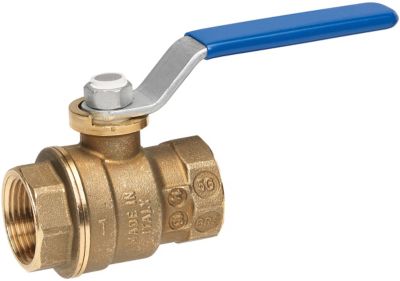
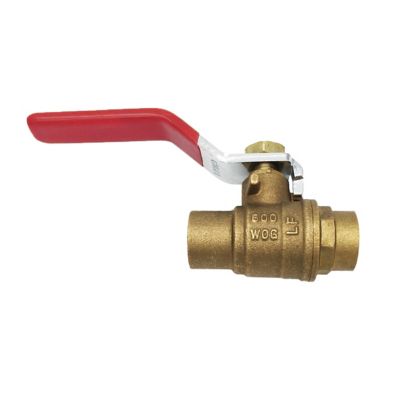
Body material plays a big part in where a ball valve belongs and how well it holds up in service. Brass is common in plumbing because it works with many familiar fittings and offers corrosion resistance in suitable water conditions. Within the broader range of
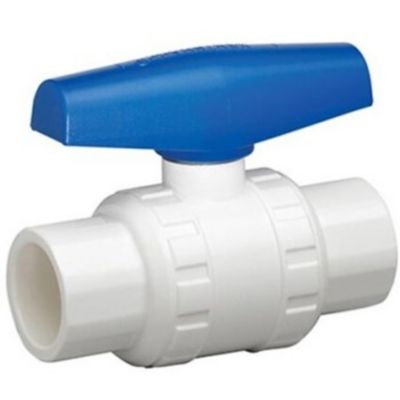
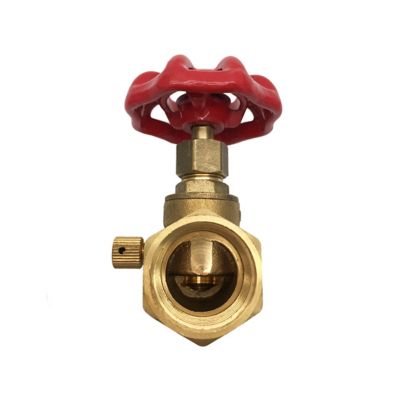
Brass Valves, ball valves offer a compact way to add on-off control near fixtures, equipment, and branch lines. Bronze is another option for certain plumbing and water applications, while stainless steel may suit installations that require different corrosion resistance or fluid compatibility. No metal handles every chemical or water condition equally well, so the material name alone does not settle the choice. PVC and CPVC ball valves provide nonmetallic options for compatible piping systems, including some irrigation and water-handling applications. These plastics have different service limits and connection requirements, and neither should be treated as interchangeable with the other. Ordinary PVC and CPVC plumbing ball valves are not appropriate for compressed-air service. The parts inside the body matter just as much as the shell: seats, stem seals, and other sealing components need to suit the fluid and operating conditions. A valve that carries clean water may need different sealing materials from one handling fertilizer solution or another chemical mixture. For drinking-water lines, look for a valve identified and certified for potable-water contact and meeting applicable lead-content requirements; a brass body by itself does not establish that suitability. Gas service likewise requires a valve specifically rated and listed for the application, with installation that follows local code. Published pressure limits and service information should match the actual system, including any restrictions associated with the fluid or connection type. Around a farm or shop, it is tempting to choose a fitting that looks like the old one. Matching the specifications, not just the appearance, gives the replacement a better foundation for a long service life. External exposure matters, too, especially where washdown water, fertilizer residue, or other corrosive substances can reach the body and handle.
Fit goes beyond the pipe size stamped on the valve. Nominal pipe size, thread standard, connection style, overall length, and handle clearance all affect whether a ball valve belongs in a particular spot. Female and male threaded ends connect differently, while solder, press, push-to-connect, and solvent-weld designs each require matching pipe materials and their own installation methods. A threaded connection that starts turning is not proof that the thread standards match. On a tight run beside a pump or behind a wash sink, the handle needs enough room to complete its turn without striking a wall, bracket, or neighboring pipe. The piping also needs proper support so the valve does not carry the weight of an unsupported line or take a knock every time equipment passes. Body construction can influence maintenance options. One-piece designs generally offer limited access to internal parts, two-piece designs may allow disassembly after removal, and many three-piece designs permit access to the center section while the end connections remain in place. Actual service procedures depend on the design, so repair access is worth considering before installation. For farmers, ranchers, plumbers, property owners, and shop operators, these details can mean the difference between an accessible shutoff and one that is awkward to reach when a hose connection starts leaking. Routine attention is straightforward: watch for moisture around joints or the stem, check for corrosion or physical damage, and make sure the handle operates as the manufacturer directs. A stiff valve should not be forced with an added length of pipe or another makeshift lever. Before maintenance, isolate and depressurize the system, and verify that flow has stopped rather than relying on handle position alone. A closed valve does not remove pressure already trapped downstream. With the right material, connections, service ratings, and room to operate, a ball valve gives a water line or other compatible system a clear shutoff point that is easy to find when work needs doing.