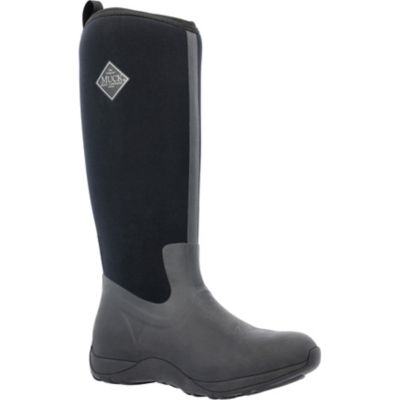
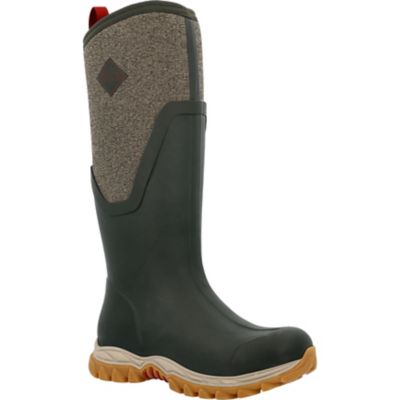
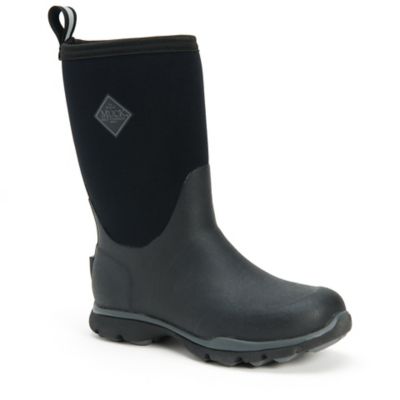
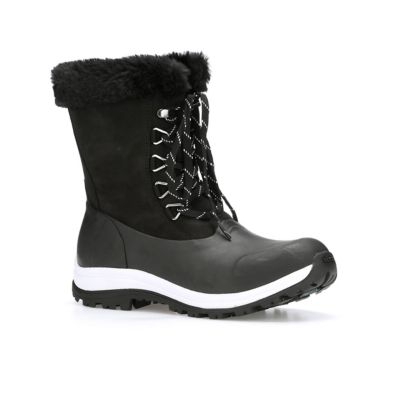
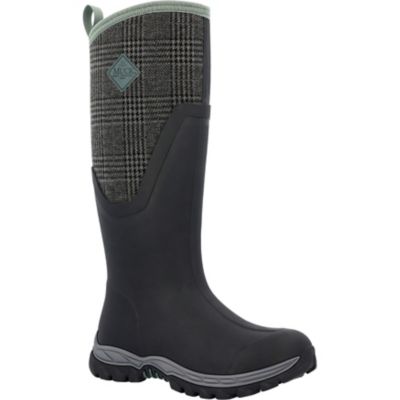
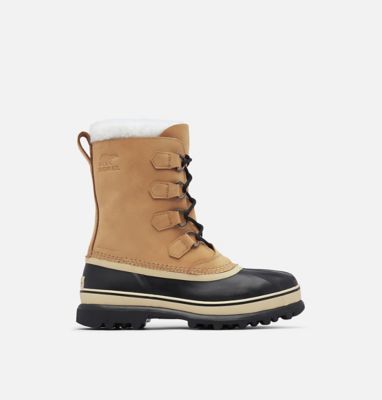
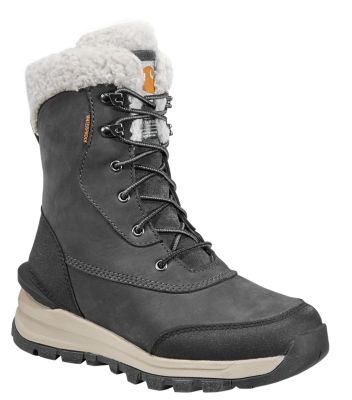
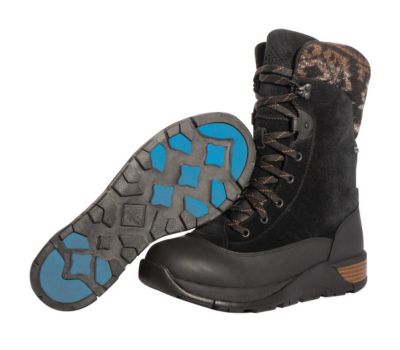
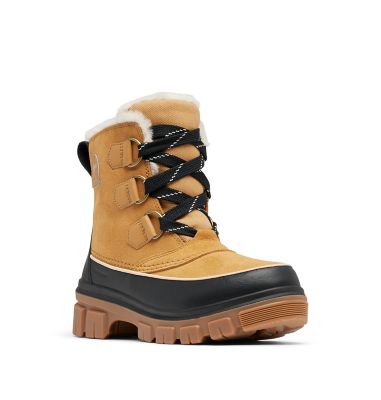
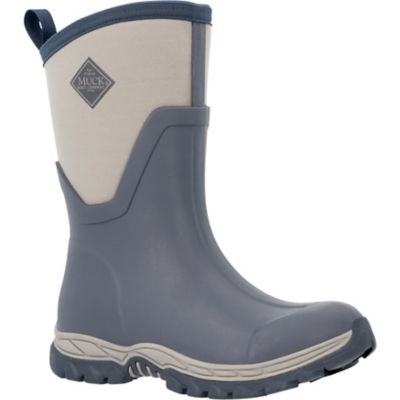
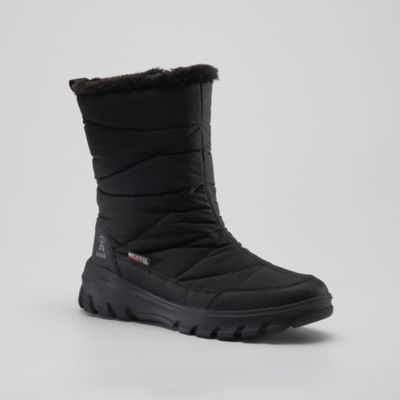
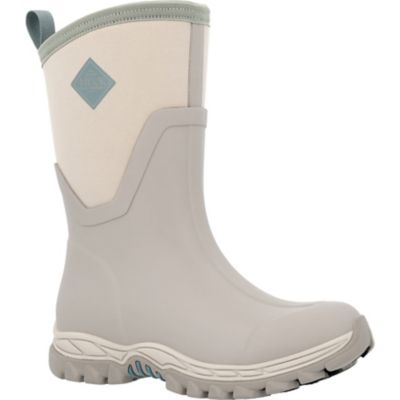
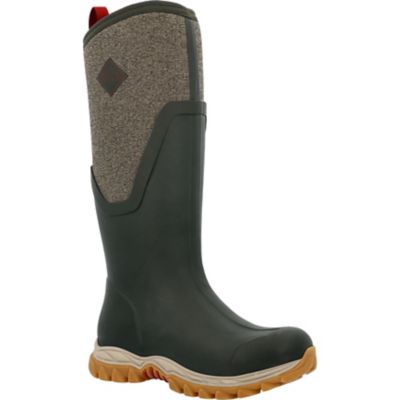
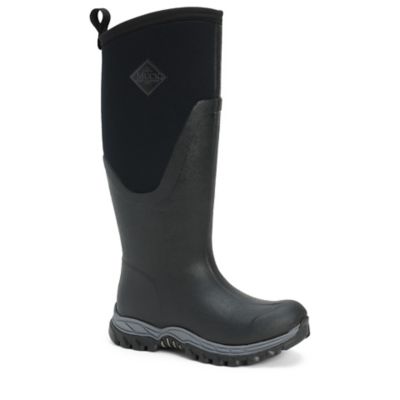
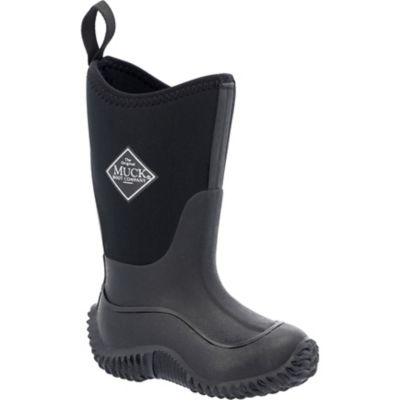
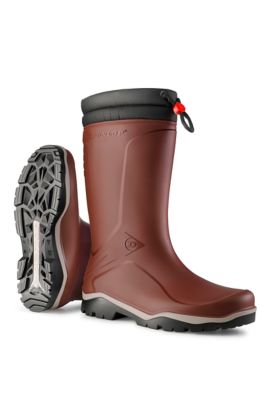
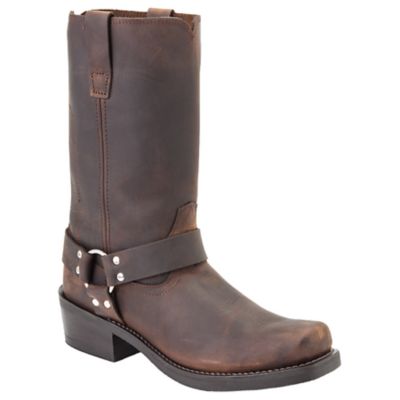
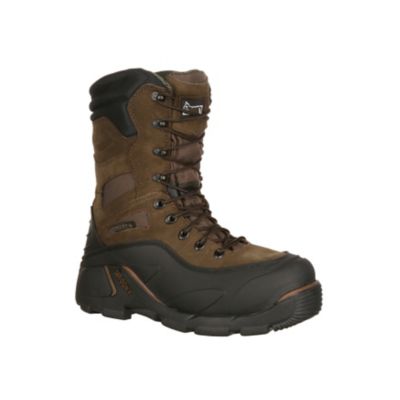
Stylish winter boots pair cold-weather comfort with shapes, colors, and finishes that look right with everyday clothes. Their appeal goes beyond a warm lining: a well-proportioned shaft, a neat lace-up front, or a leather upper with simple stitching can make a practical pair feel just as at home at a family supper as on a snowy walk into town. Ankle boots sit easily beneath straight-leg jeans, while mid-calf styles offer more coverage without reaching the knee. Taller shafts work well with leggings or tucked-in pants and help keep snow from spilling over the top, though the opening still needs enough room for clothing. Shades such as brown, tan, black, and gray fit naturally alongside denim, wool coats, flannel shirts, and canvas jackets. A quilted panel or a fleece-trimmed collar adds texture without needing much else to finish an outfit. Smooth leather has a clean look that can move from errands to an evening out, while suede brings a softer finish that needs extra attention around wet snow and road salt. For folks heading from a gravel driveway to the feed store and then across town, a balanced shape and a manageable sole can matter more than a dressy heel. Low, broad heels generally provide a steadier base than narrow ones, especially on uneven ground. Lace-up styles allow more adjustment through the instep, while pull-on designs keep the look simple and make getting out the door easier. Neither style has to look heavy to provide useful coverage. The best match depends on how much time is spent outside, how far the walk runs, and whether the day involves packed snow, wet pavement, or mostly indoor stops. Style earns its place when the boots feel natural with the clothes already hanging by the door.
Materials and construction make a real difference once a good-looking boot meets slush, wind, and repeated wear. Leather uppers offer structure and can develop a rich surface character with proper care, but leather alone does not make a boot waterproof. Waterproof protection depends on the full construction, which may include a membrane, sealed seams, and a tongue designed to limit entry points for water. Water-resistant materials can handle light moisture, but they are not the same as waterproof construction for longer walks through wet conditions. A rubber lower section helps shield the foot from slush and splashes, while textile panels can reduce weight and allow more flexibility around the ankle. Suede and brushed finishes need care products labeled for those materials, since some treatments can darken the surface or change its feel. Inside the boot, fleece, wool blends, and synthetic insulation each offer different combinations of warmth, weight, and moisture management. A plush lining feels inviting, but insulation thickness alone does not tell the whole story; activity level, circulation, sock choice, and time outdoors all affect comfort. Standing beside a fence while checking livestock calls for a different balance of warmth and flexibility than walking briskly from one end of town to the other. Outsoles matter just as much as uppers. Deeper tread can help with loose snow, while the rubber compound and tread pattern both influence grip on cold surfaces. No outsole guarantees traction on ice, so a confident-looking tread still calls for careful footing on a glazed porch step. Reinforced stitching, secure eyelets, and firmly attached soles are useful signs of construction intended to handle repeated wear. For work around equipment or other hazards, task-specific protection takes priority over appearance; winter styling does not replace a required safety toe or other job-related features.
Comfort starts with enough room for the foot to settle naturally, especially when winter socks are part of the picture. Toes need space to wiggle, the widest part of the foot should not feel squeezed, and the heel should stay reasonably secure without rubbing. An overly snug fit can compress socks and insulation, leaving less room for the warmth they are meant to hold. Extra length is not a substitute for the right width, either. A boot that slides at every step can make a short walk tiring, even with a soft footbed. Adjustable laces help fine-tune the fit over the instep, while a side zipper can make a fitted shaft easier to pull on and off. Shaft height and flexibility affect comfort when climbing into a truck, sitting through a school program, or walking along a rutted lane. For days with plenty of steps between stops,
Comfortable Walking Winter Boots put the focus on underfoot cushioning, support, and a shape that moves well with the foot. A lighter build may feel easier over longer distances, while a more substantial sole can provide welcome separation from cold ground. Keeping boots looking sharp takes a little routine attention rather than a complicated process. Loose dirt brushes off more easily before it gets worked into seams, and salt residue deserves prompt cleaning with a method suited to the upper material. Boots should dry away from a stove, radiator, or other direct heat source, which can stiffen leather and damage certain components. Removable liners and footbeds can be taken out for drying when the care label allows it. Material-appropriate conditioning or water-repellent treatment may also help preserve the finish, following the maker’s directions. As a gift, winter boots make the most sense when the recipient’s size, preferred shaft height, and daily routine are known. A pair chosen around those details can look good with Sunday jeans while still making sense for the walk across a snowy parking lot.