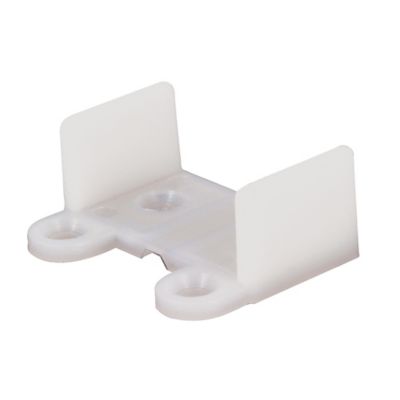
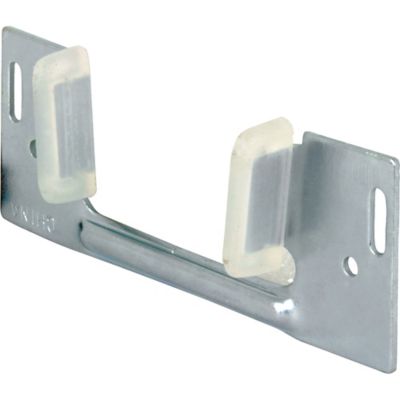
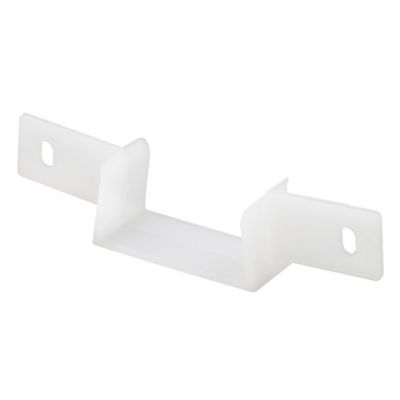
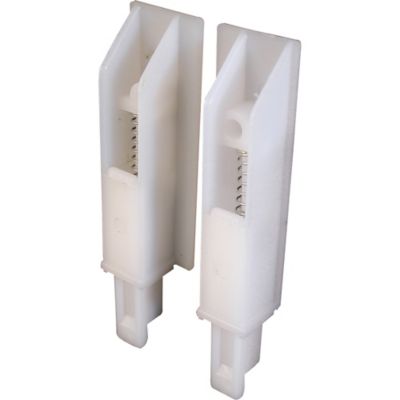
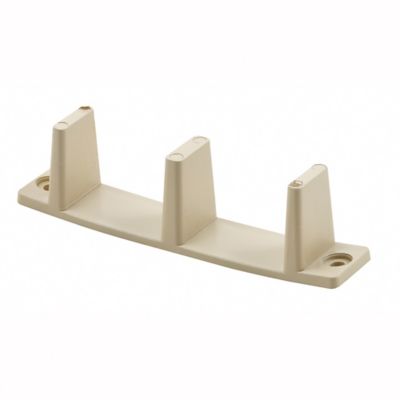
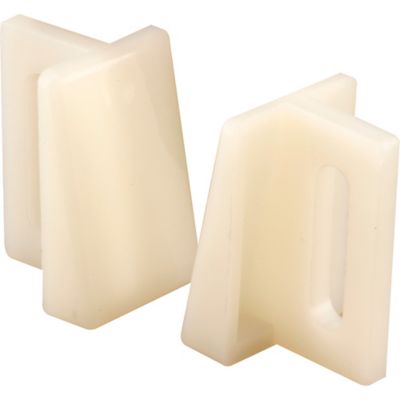
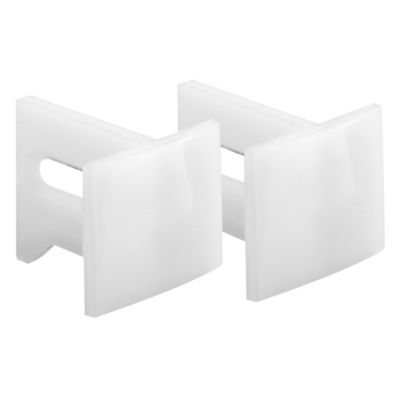
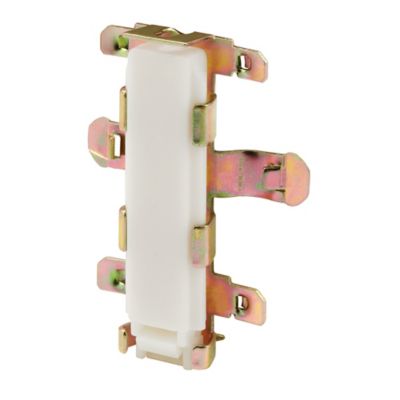
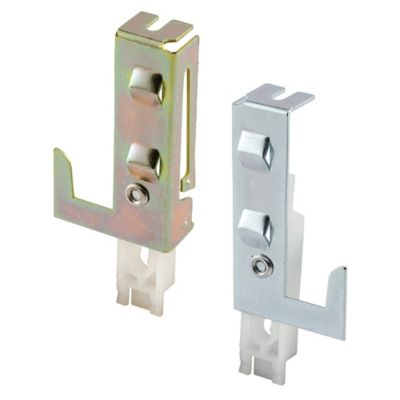
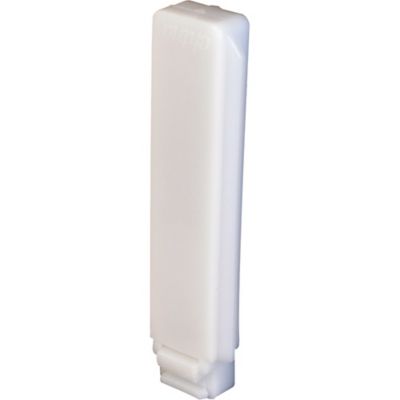
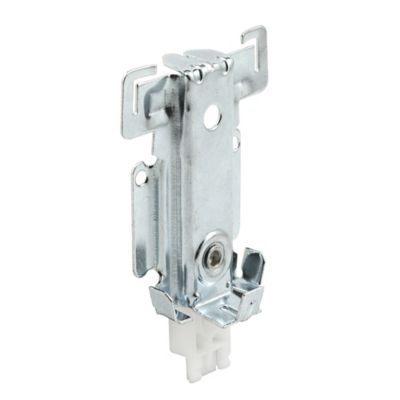
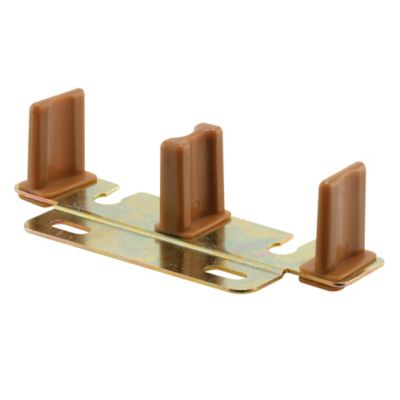
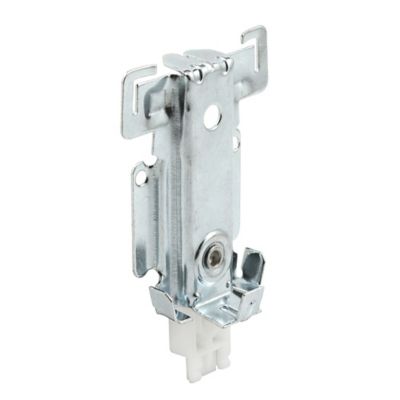
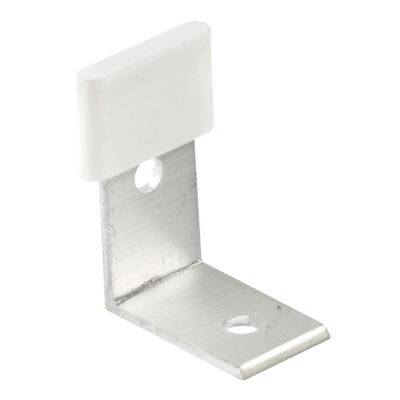
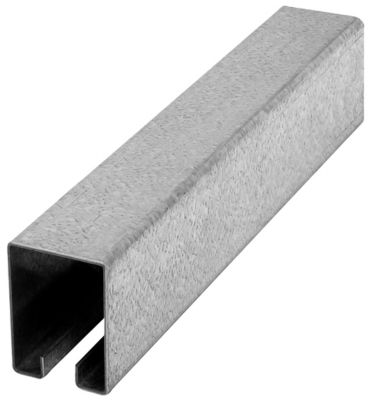
Bottom guides for pocket doors help keep a sliding door centered as it moves into and out of the wall cavity. Without a properly fitted guide, the lower edge can drift from side to side, rub against the split jamb, bump the trim, or swing when someone walks through the doorway. A floor guide typically sits near the opening and engages a groove in the bottom of the door, while a jamb-mounted guide attaches to the split-jamb frame just above the finished floor. Some designs rely on slim fingers made from nylon or another low-friction material, while others use a T-bar or T-slot that rides inside a routed channel. Hidden guides can fit behind the split jambs and inside the wall cavity, helping stabilize the door without placing hardware in the open floor area. These parts are handy for a pocket door that has become loose over time, a doorway being repaired during a room update, or a new door installation where the lower hardware still needs to be selected. They can also help in busy homes, farm offices, laundry rooms, hallways, bedrooms, and bathrooms where a door that glides straight and stays in line makes daily routines a little easier. For related sliding-door hardware and accessories, browse
Accessories For Sliding Doors.
Before choosing a bottom guide, check the door thickness, the style of the existing pocket-door frame, and the space available around the finished floor. A guide intended for a grooved door may not be the right match for a smooth-bottom door, and a jamb-mounted style may be a better fit when cutting a new channel is not part of the plan. Measure the lower edge of the door and look for a slot, wear marks, old screw holes, or signs that the door has been rubbing on one side. Many T-bar guides work with a groove about 1/4 inch wide and 3/4 inch deep, though the required dimensions can vary by hardware design, so compare the listed measurements with the door before ordering. Check how the guide attaches, too. Floor-mounted parts need a sound surface and enough room for fasteners, while jamb-mounted parts need a solid section of the split jamb and may have slotted holes that allow small alignment changes. The guide should sit straight, with the door passing between its sides without a hard pinch. When the door is fully closed, the leading end of a T-style guide commonly extends roughly 3/8 inch beyond the vertical post or split jamb so it remains engaged through the full travel of the door. The exact position depends on the frame and hardware, but this small detail matters because a guide that stops short may allow the door to wander as it reaches the closed position.
Installation is easiest when the door is supported, the opening is clear, and the track and rollers are already set so the door hangs at the right height. Mark the guide location with the door centered in the opening, then confirm that the door slides freely before tightening the fasteners all the way. If the door is already installed, open and close it slowly while watching the bottom edge. A tight spot, a scrape, or a sudden change in resistance can point to a guide that is off-center, a groove that does not match the guide, a door that is hanging out of level, or jamb material that has shifted. Jamb-mounted nylon guides may allow adjustment through slotted screw holes. Make small changes, tighten the screws, and test the full travel each time rather than forcing the door through a bind. If a plastic guide presses too tightly against the door, inspect the fit and follow the hardware directions before trimming anything. For a floor-mounted part, make sure the fasteners are seated and that the guide does not sit higher than the finished surface where it could catch shoes, sweepers, or a child’s toy. During the cooler months, indoor humidity and seasonal changes in wood can affect clearances, especially in older homes, so a door that slides well in one season may need a minor alignment check later. Keeping the lower track and guide area free of grit, pet hair, sawdust, and paint chips also helps the door move smoothly. With the right match and careful positioning, a bottom guide gives a pocket door steady support at the point where it enters the wall, helping protect the jamb, limit noise, and make the doorway easier for everyone in the household to operate.