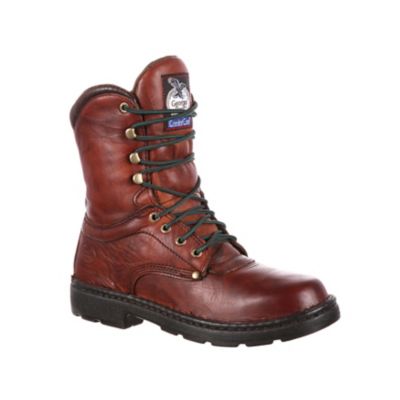
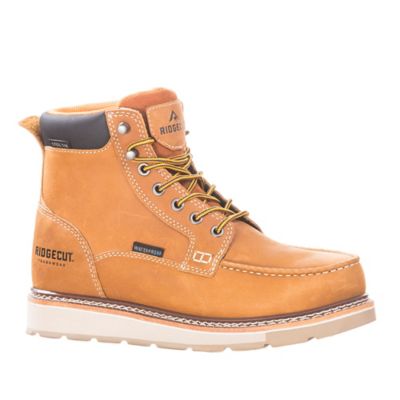
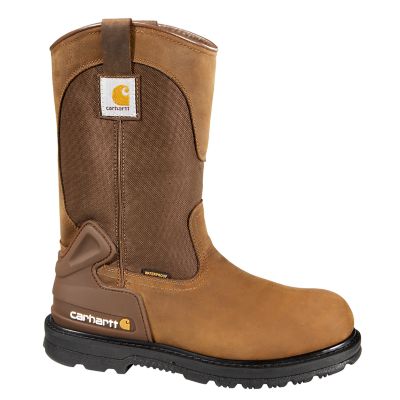
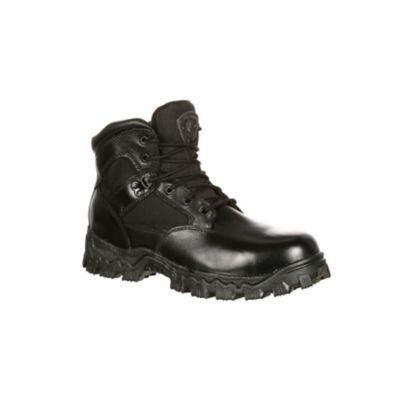
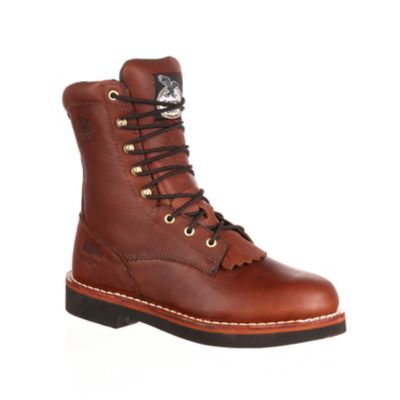
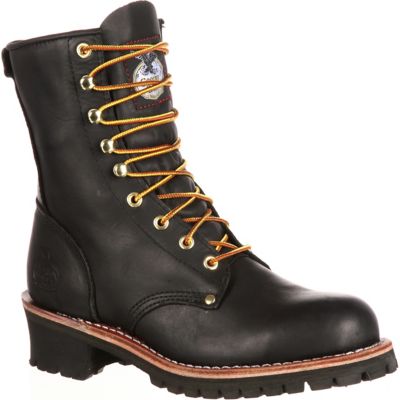
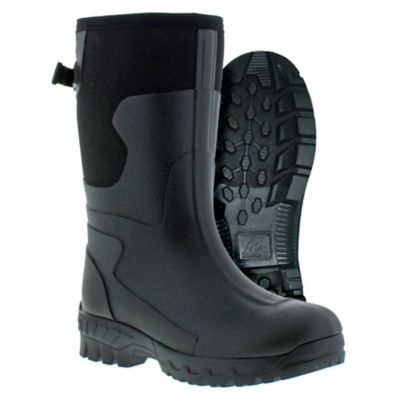
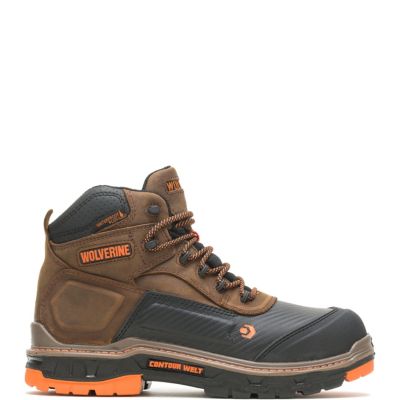
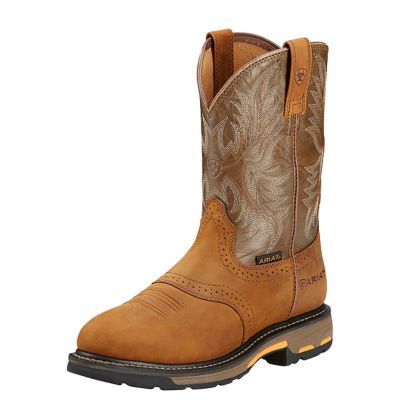
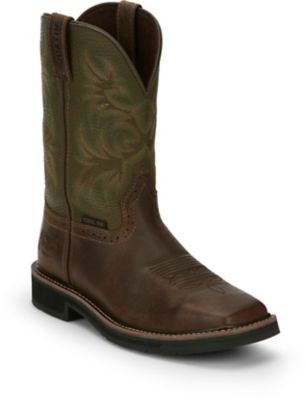
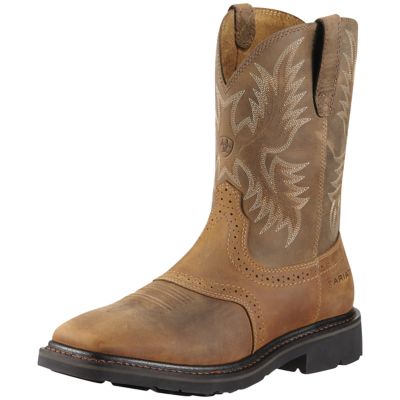
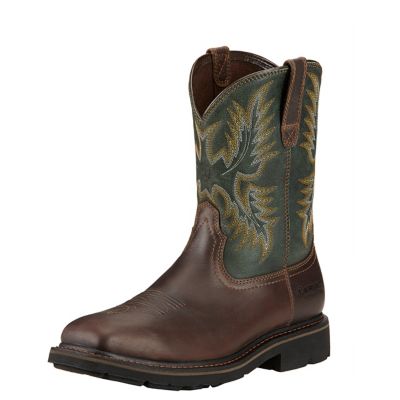
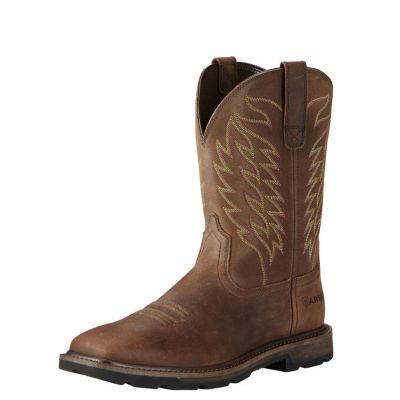
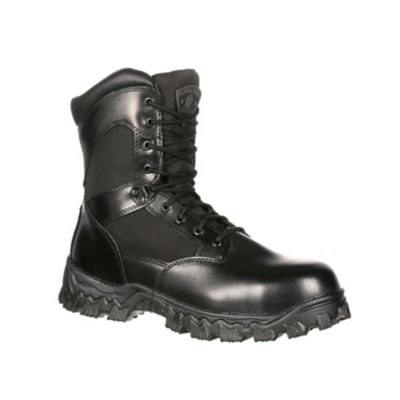
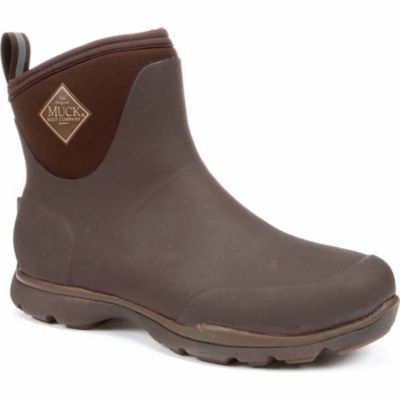
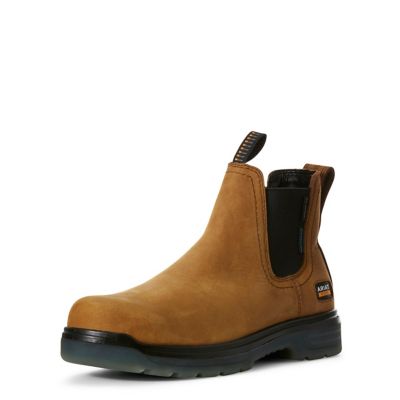
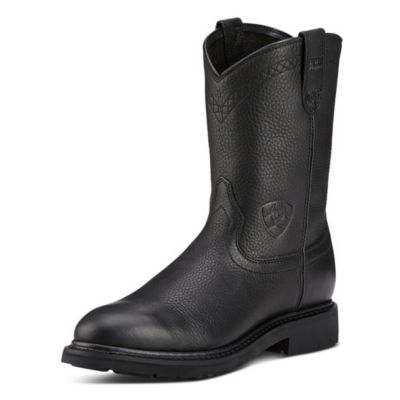
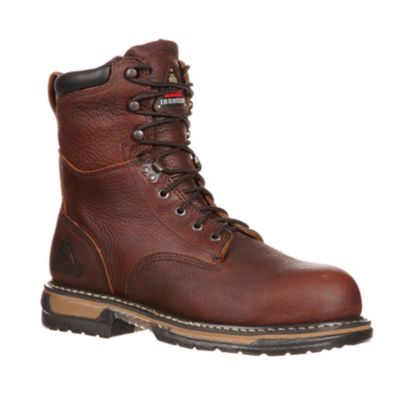
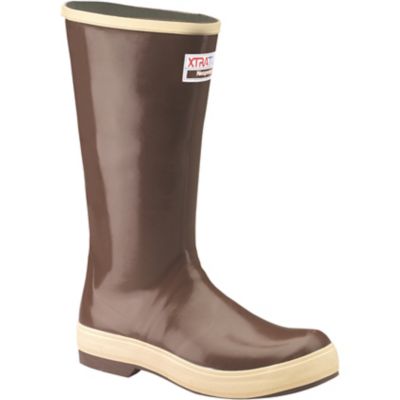
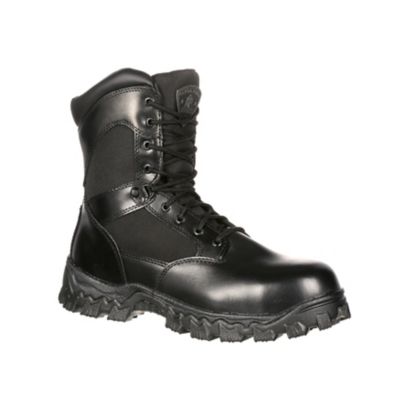
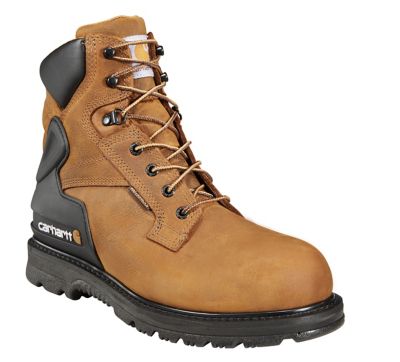
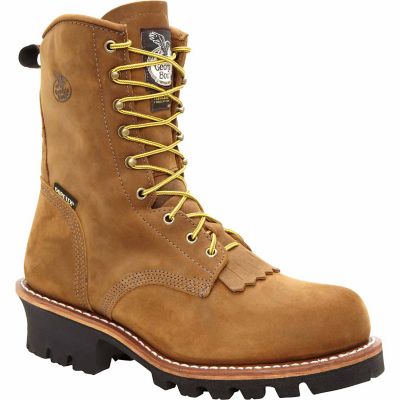
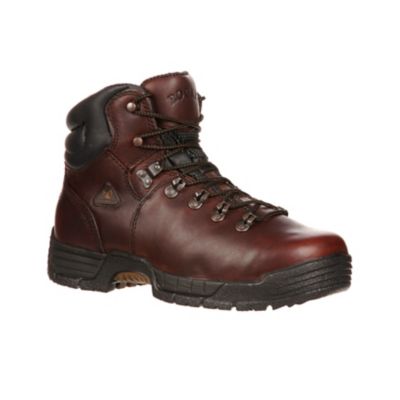
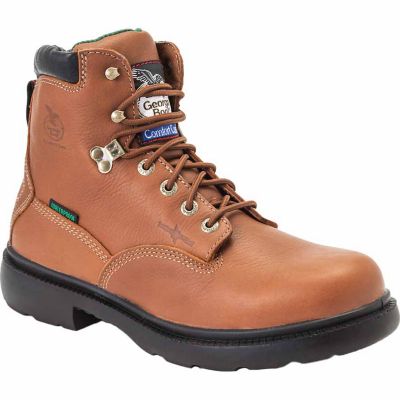
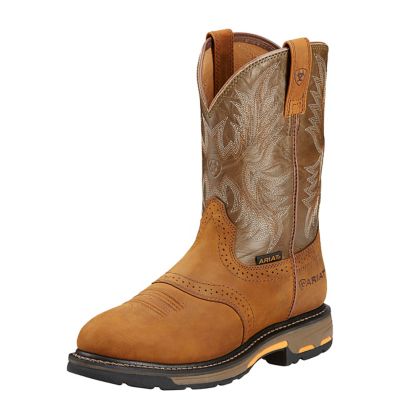
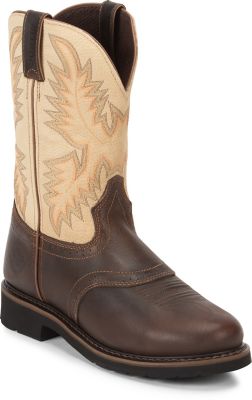
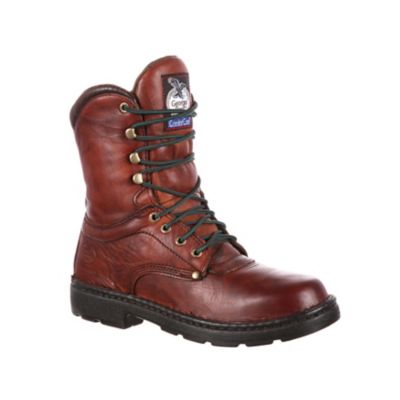
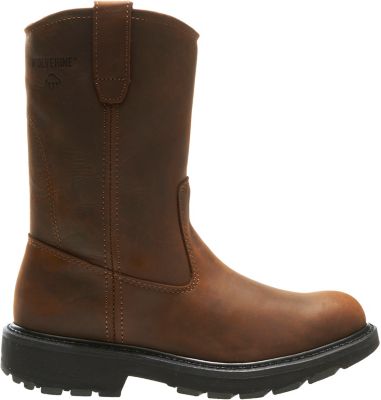
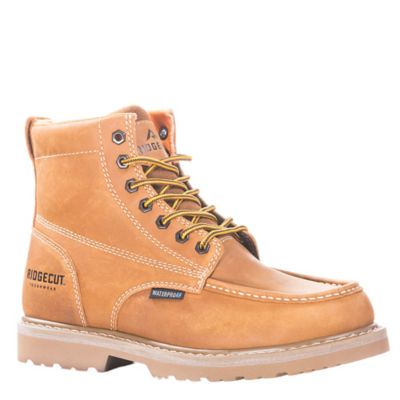
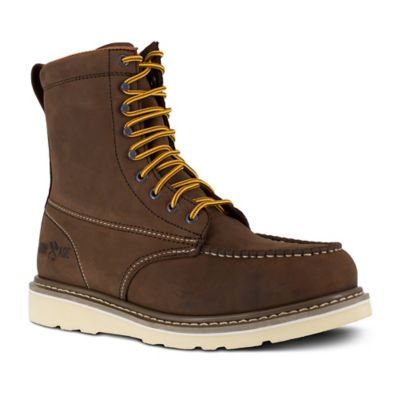
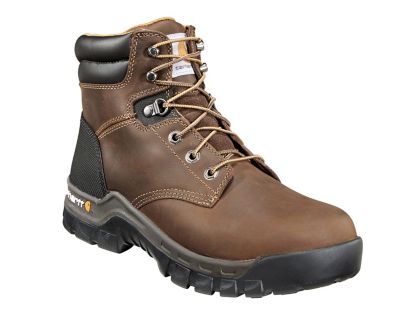
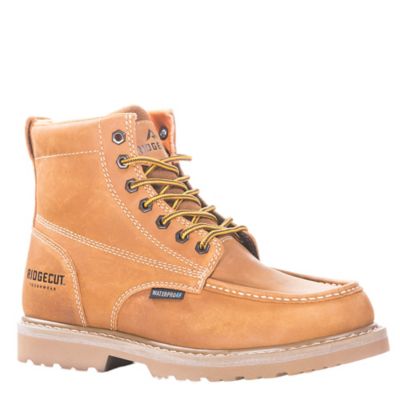
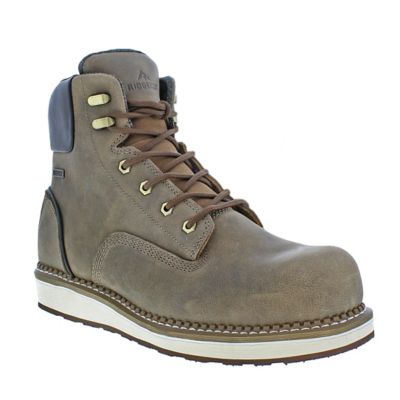
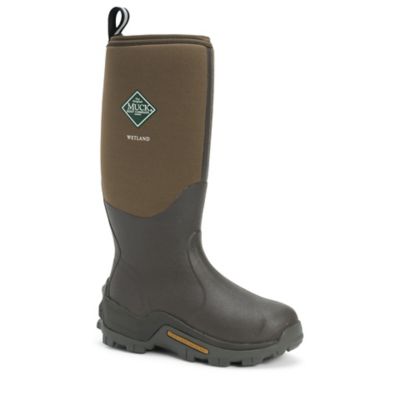
Boots for truck drivers need to pull double duty: they have to feel comfortable inside the cab for long stretches, then provide steady footing when the day turns into a string of deliveries, inspections, fuel stops and warehouse runs. A good pair should match the work, route and weather rather than simply look tough. Long-haul and OTR drivers may spend hours seated before climbing down onto gravel, wet pavement, loading docks or uneven ground, so cushioning, arch support and a stable heel can make a noticeable difference by the end of the day. Drivers on local LTL routes often get in and out of the truck dozens of times, making easy entry, flexible uppers and dependable traction especially useful. Look for outsoles labeled oil-resistant and slip-resistant when your routine includes fuel islands, greasy shop floors, rain-darkened steps or slick dock plates. Deep tread can help with loose dirt and rough ground, while a firm heel and supportive midsole help keep your footing secure on narrow cab steps. A safety toe may be important for handling freight, pallets, tools and other heavy items. Steel toes offer a familiar level of protection, while composite safety toes can provide a lighter feel and avoid conducting cold as readily during cooler driving conditions. Always check the safety requirements for the job and confirm that the footwear carries the rating your employer requires. For drivers who move through changing weather, waterproof or water-resistant construction helps keep feet drier through wet grass, puddles and rainy loading areas. Breathable linings can be helpful when the same boots are worn through warmer afternoons, while room for work socks matters when temperatures drop. A properly fitted boot should hold the heel securely without squeezing the toes, and the widest part of the foot should rest comfortably inside the boot without rubbing. Trying boots on with the socks you normally wear on the road is one of the simplest ways to avoid surprises after a full day behind the wheel.
The right entry style can make a difference when boots are part of a daily uniform. Lace-up boots let you adjust the fit around the ankle and instep, which can be helpful when walking across uneven ground or carrying freight. Pull-on boots are handy for drivers who make frequent stops and want to get ready without leaning over to work through laces each time. Side zippers can offer a similar convenience while keeping the familiar support of a lace-up design. A wider opening may be useful for feet that swell during long drives, though the boot should still feel secure when climbing in and out of the cab. Pay attention to the boot’s weight, too. Heavy work boots can feel reassuring at first, but a lighter pair may be easier to wear through a long route with repeated stops. Cushioning that compresses too quickly will not provide much help, so look for a supportive footbed and a midsole designed for steady wear. Removable insoles can be useful for drivers who use custom orthotics or prefer to replace cushioning as it wears down. An oil-resistant rubber outsole, reinforced toe and sturdy stitching can help a pair hold up against daily bumps, while abrasion-resistant materials around the heel and toe may be worth considering for drivers who spend time around trailers, pallets and equipment. During the cooler months, insulated or lined boots can add warmth at early-morning stops, but too much insulation may feel uncomfortable inside a heated cab. A practical choice often balances warmth with breathability, especially for routes that move between outdoor loading areas and indoor facilities. Boots can also make a thoughtful gift for a truck driver, delivery professional, mechanic or farm worker because they support something that happens every day, not just on special occasions. Before giving a pair, it helps to know the wearer’s size, preferred fit, safety-toe requirements and usual route. Some drivers prefer a roomy work boot with thick socks, while others want a flexible, streamlined style that slips on quickly between stops.
Durability and care matter just as much as the features listed on the box. Road dust, salt, fuel residue, mud and wet pavement can wear down materials faster than ordinary casual use, so wiping boots clean after a rough route can help protect the upper and seams. Let wet boots dry naturally away from direct heat, since a heater or truck vent can dry leather too quickly and lead to cracking or shrinking. Rotating between pairs, when possible, gives each pair time to air out and can help reduce moisture and odor. Check the tread from time to time, especially if the boots are used on metal steps, icy docks or slick concrete. A worn outsole may no longer provide the traction it had when new. Leather conditioner can help maintain some leather uppers, while fabric and waterproof membranes may require care products made for those materials. Fit should also be checked again after the break-in period; persistent rubbing, numbness or heel movement is a sign that the shape may not suit the foot. Drivers who spend their days around timber, rough terrain or heavy outdoor work may also find useful features and fit considerations in
Best Boots for Loggers. Whether the route is cross-country, regional, local delivery or a mix of hauling and hands-on work, dependable boots should help a driver step down with confidence, stay comfortable through long hours and handle the changing ground between the cab, the dock and home. A solid pair becomes part of the routine: ready by the door, broken in to the wearer’s stride and dependable when the weather turns wet, the road gets rough or the next stop comes sooner than expected.