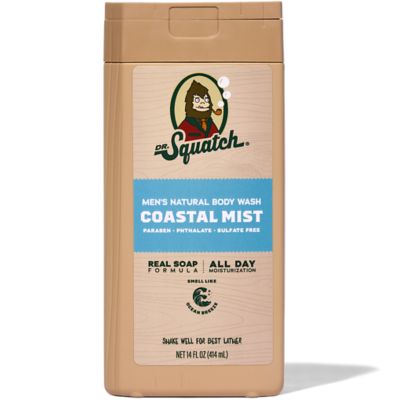
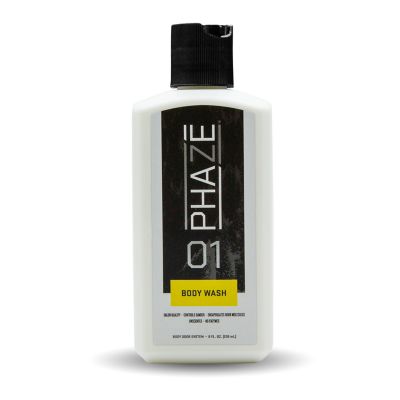
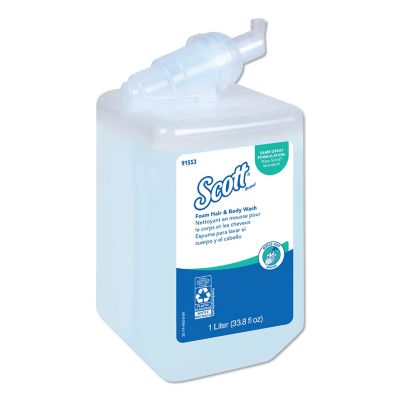
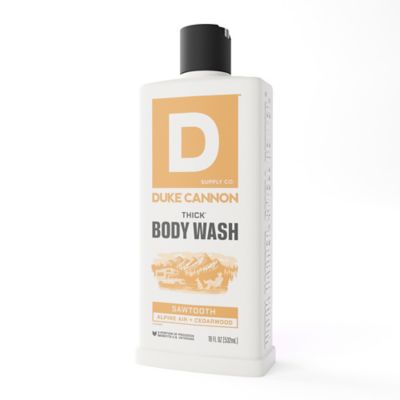
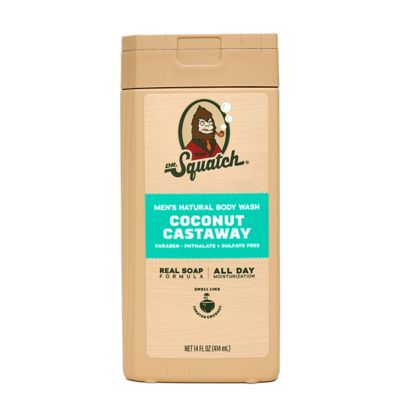
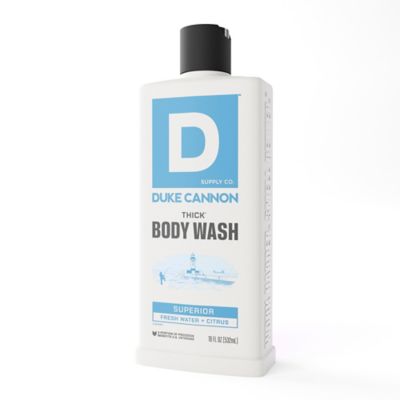
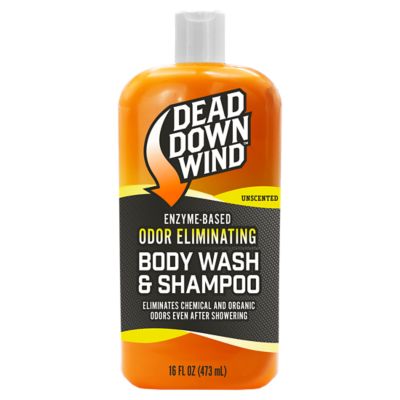
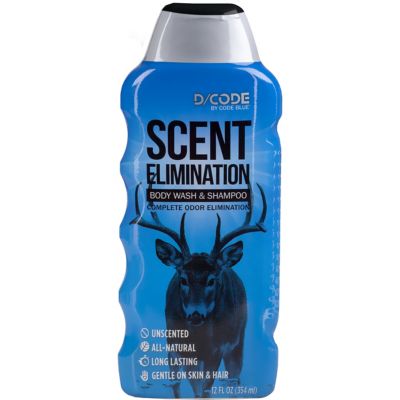
Moisturizing body washes are rinse-off cleansers that combine cleansing ingredients with ingredients that attract moisture or soften skin, helping wash away everyday dirt and sweat without leaving skin feeling overly dry or tight. They suit everyday showers, especially for people whose skin feels rough, itchy from dryness, or uncomfortable after washing. After a stretch of fence work, a dusty afternoon in the barn, or a long shift on your feet, getting clean should not mean scrubbing skin until it feels stripped. The cleansing ingredients lift away grime, while ingredients such as glycerin, plant oils, and shea butter contribute to a softer after-wash feel. How much moisture remains depends on the complete formula, your skin, and your bathing routine; a moisturizing wash does not replace body lotion for everyone. Texture is one practical way to sort through the choices. Creamy body washes often have a lotion-like consistency, while moisturizing gels can feel lighter and spread easily across damp skin. Oil-based washes may turn milky when mixed with water, though their rinse-off feel varies by formula. A thick texture or a big mound of suds does not automatically mean a wash will moisturize better. Some cleansers make a modest lather and still clean effectively, and others foam generously while including ingredients that help counter that tight feeling after rinsing. The best fit is a wash that handles everyday cleansing and leaves your skin comfortable, rather than squeaky or coated. Body washes also offer a liquid alternative to bar cleansers, with squeeze bottles and pump containers that suit different shower setups. A pump can make dispensing easier on a steady shelf, while a secure flip-top can be handy in a gym bag or overnight bag. Bottle shape, grip, and dispenser style matter when hands are wet, especially in a shared bathroom where everyone needs a straightforward routine.
The ingredient list gives a clearer picture of a moisturizing body wash than its color or scent. Glycerin and hyaluronic acid are humectants, meaning they attract water and help support skin hydration. Emollients, including shea butter and certain plant oils, help soften and smooth skin. Ceramides are lipids naturally present in the skin’s outer barrier, and some body wash formulas include them as part of a moisture-focused blend. Oat ingredients also appear in washes intended for dry or sensitive skin, although an oat extract and colloidal oatmeal are not necessarily interchangeable. No single ingredient tells the whole story: the cleansing system, ingredient concentrations, and overall formulation all influence how a wash feels during and after a shower. Gentle cleansing matters just as much as added moisturizers, particularly if your shins, elbows, or upper arms tend to feel tight after bathing. Sulfate-free formulas are one option, but that label alone does not establish how mild a cleanser will be. Likewise, a wash with botanical ingredients is not automatically a better match for sensitive skin. Fragrance preferences deserve a close look, too. A scented body wash can make an everyday shower more pleasant, but added fragrance may bother some people. Fragrance-free options can be worth considering when scent is a known concern; an unscented label does not always mean the formula contains no fragrance ingredients. Dyes and essential oils may also matter to someone with a history of irritation. Terms such as “hypoallergenic” do not promise that every person will tolerate a formula, so ingredient awareness still counts. For skin with known sensitivities, familiar ingredients and label directions are more useful than a long list of appealing claims. Moisturizing body washes are everyday cleansing products, not a substitute for treatment of an ongoing skin condition. Persistent itching, cracking, or irritation deserves advice from a healthcare professional rather than repeated changes to the shower shelf.
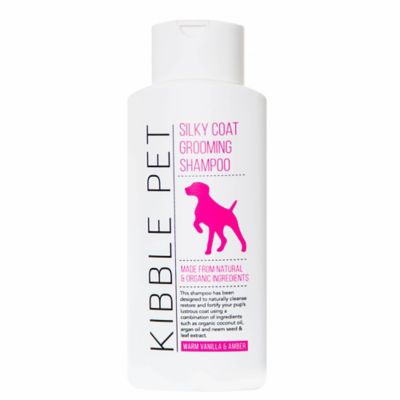
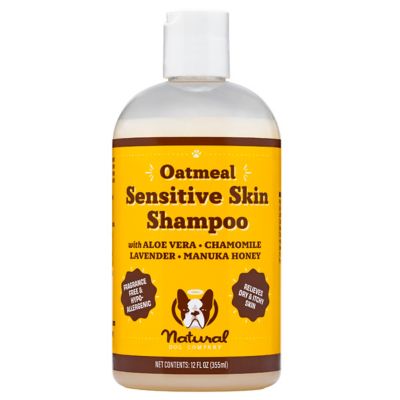
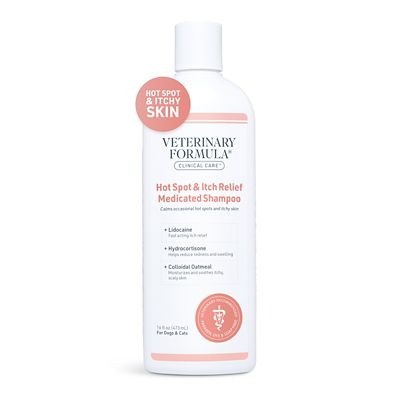
Matching a body wash to the person and the routine helps make those ingredient differences practical. Someone showering after chores may want an easy-rinsing wash that removes ordinary sweat and dirt, while someone with dry-feeling skin may prefer a creamy formula and a softer finish. A moisturizing cleanser is not necessarily a heavy-duty degreaser, and harsh scrubbing is no favor to skin that already feels tender or tight. A small amount spread with the hands or a soft washcloth is often enough for everyday washing; package directions provide the right starting point for each formula. Brief showers with lukewarm water, thorough rinsing, and gentle towel drying can help keep cleansing comfortable. Applying body lotion afterward can provide additional moisture, particularly on areas that still feel dry. Washcloths and other bathing accessories need regular laundering or cleaning and a chance to dry between baths. Keep the bottle closed as directed, avoid adding water to stretch the contents, and follow any storage guidance on the label. For a household bathroom, consider the needs of each person rather than assuming one scent or formula will suit everybody. Adult body wash is not automatically appropriate for babies or young children, and face care or intimate care may call for a different cleanser. A pleasant body wash can also fit into a practical bath gift alongside a soft washcloth and body lotion, especially when the recipient’s fragrance preferences are already known. Keep human and animal bathing supplies separate, too:
Hypoallergenic Dog Shampoo belongs in a dog’s bathing routine, not as an interchangeable option with human body wash. For everyday skin care, the goal is simple: a cleanser with a texture, scent level, and moisturizing feel that fit the person reaching for it, whether that shower comes before heading out the door or after the day’s work is done.