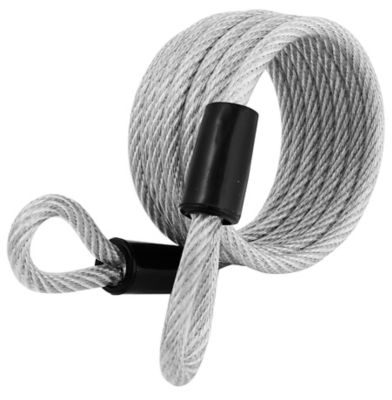
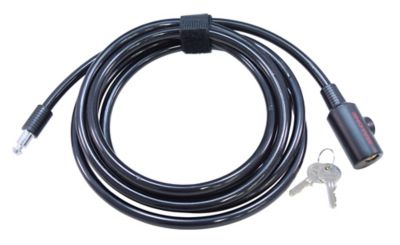
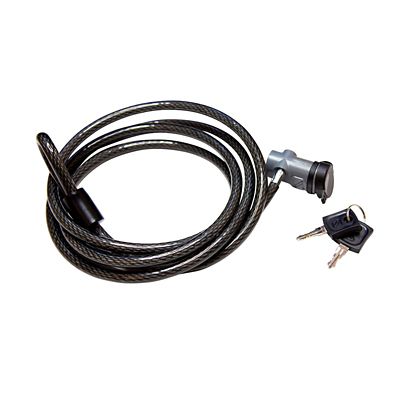
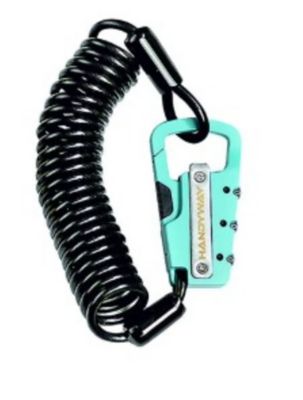
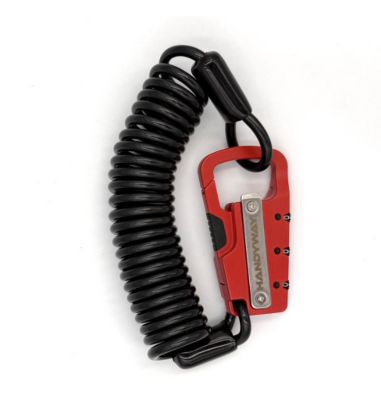
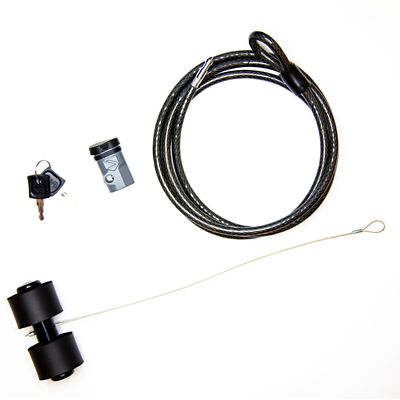
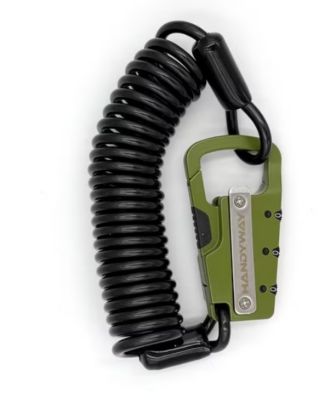
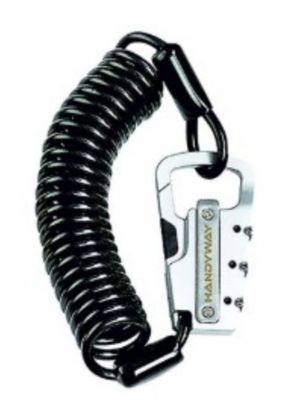
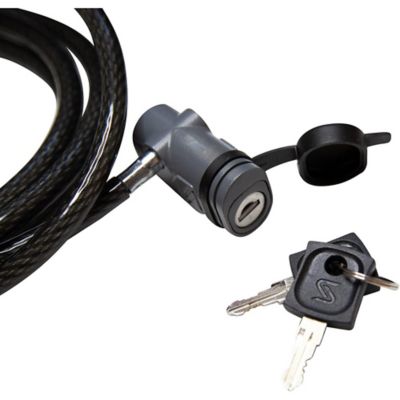
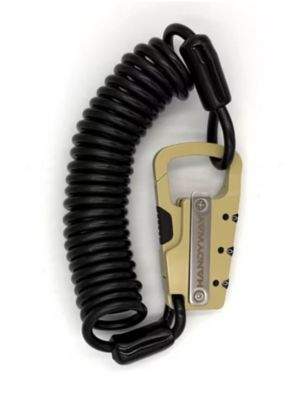
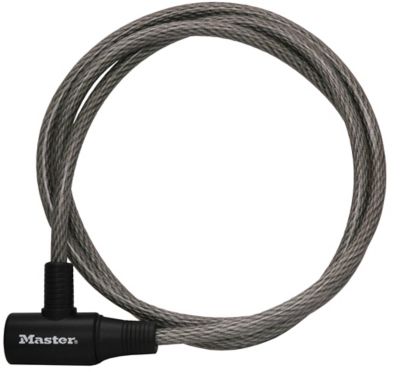
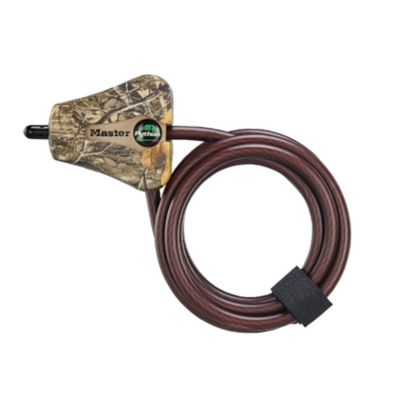
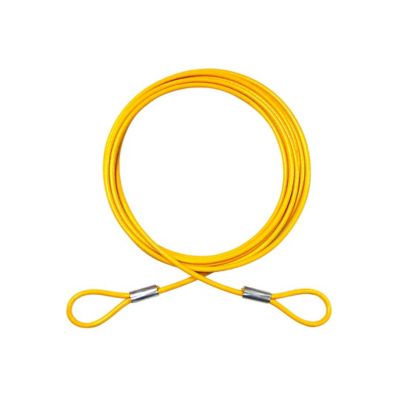
A bike cable lock is a flexible, stranded steel cable with a locking mechanism or looped ends that connect to a separate lock. It helps secure a bicycle’s frame, wheels, or accessories to a suitable fixed anchor. Most bicycle lock cables have a vinyl or plastic covering that helps keep the steel from rubbing directly against painted frames and wheel rims. The cable’s flexibility makes it handy for reaching through a frame triangle, around a bike rack, or through a wheel without wrestling a rigid lock into place. For someone riding to the feed store, heading to school, or taking a break along a community trail, that easy handling can make carrying a lock less of a chore. Construction matters, though: the outer coating protects contact surfaces, while the steel inside provides resistance to cutting. A thick-looking covering does not necessarily mean a thicker steel core, so cable measurements are worth reading closely. Self-coiling cables gather into a compact bundle for carrying, while straighter cables tend to lie more freely when threaded through a frame and wheels. Some riders prefer the tidy shape of a coil tucked into a bag; others appreciate a cable that does not keep curling back while they position it. Longer cables offer more reach, but they also add weight and leave more slack to manage. A shorter cable can be easier to carry when the usual parking spot has a rack close to the frame. No cable lock makes a bicycle theft-proof, and flexible steel cables are generally easier to cut than substantial chain locks or hardened steel U-locks. Their strongest role is often securing wheels and accessories alongside a stronger primary lock, or providing a practical deterrent where theft risk is low. That distinction matters whether the bicycle is a child’s first two-wheeler, an everyday commuter, or a trail bike carried along for a weekend ride.
Fit depends on more than the size of the bicycle. Cable length has to accommodate the route through the frame, any wheel being secured, and the rack or other approved anchor. A compact frame can leave little room around a bottle cage or battery mount, while a cargo bike may need extra reach around its longer wheelbase. Wide tires, baskets, and rear racks can change that path, too. A cable that easily circles a thin rack rail may not reach around a broad post and through the frame at the same time. The anchor itself is just as important as the lock: a loose rail, removable post, or fixture that the bicycle can be lifted over defeats the purpose of locking up. Keeping slack manageable helps prevent the cable from dragging on the ground and makes the parked setup less cumbersome around neighboring bikes. Keyed bike cable locks suit riders who would rather carry a key than remember a code. Combination cable locks avoid a separate key, which can be handy for a household sharing a bicycle, but the dials still need to be readable and easy for the rider to turn. Reset procedures vary, and a resettable combination should be changed only according to the lock’s directions. Loop-ended cables take a different approach, pairing with a compatible padlock or another bicycle lock. These overlap with the broader category of
Security Cables, where end-loop clearance, cable length, and lock compatibility all affect the finished setup. The loop must pass through the intended openings, and the separate lock needs enough room to close properly. An integrated locking head keeps the main components together, while a separate cable can offer more flexibility around wheels or a removable saddle. Neither arrangement replaces the need to secure the bicycle frame. Locking only a front wheel can leave the rest of the bike vulnerable, especially when that wheel has a quick-release fitting.
Everyday handling and care have a lot to do with how well a bicycle cable lock holds up. A smooth, intact covering helps protect contact points, but grit trapped between the cable and the frame can still leave marks. Wiping away dirt before packing the cable keeps that grit from traveling into a saddlebag or rubbing against the bike on the next ride. After cleaning, the cable and locking head should be dried before storage, with any lubrication limited to the type and application recommended by the manufacturer. Oil applied without checking those directions can attract dirt or interfere with some mechanisms. Regular checks can reveal a split coating, exposed or fraying strands, a loose end fitting, or a locking head that no longer closes smoothly. Those signs call for attention rather than extra force on the key or dials. Carrying arrangements deserve a look as well. A mounting bracket needs to match the frame and leave clearance for pedaling, cables, and moving parts; a cable carried in a bag should sit where it cannot slip into a wheel or catch the chain. A lock that feels manageable in the hand may feel different when carried several miles, especially for a younger rider. For a child, clear number dials, comfortable grip surfaces, and a simple closing action can matter as much as cable reach. A bike cable lock can also make a practical gift for a student, commuter, or family member who rides into town, provided its length and locking style suit that person’s bicycle and routine. Spare keys kept apart from the bicycle, a combination recorded somewhere secure, and a familiar place to carry the lock all help keep it ready for the next stop. The best fit is a setup that matches the parking situation, travels without getting in the way, and works alongside stronger security when the bicycle needs more protection.