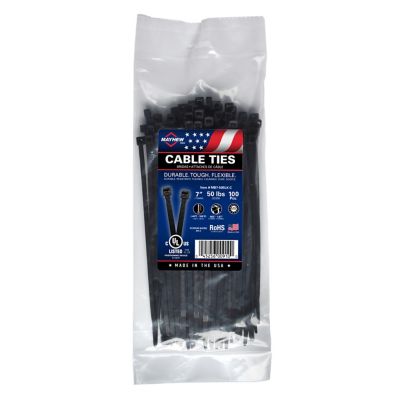
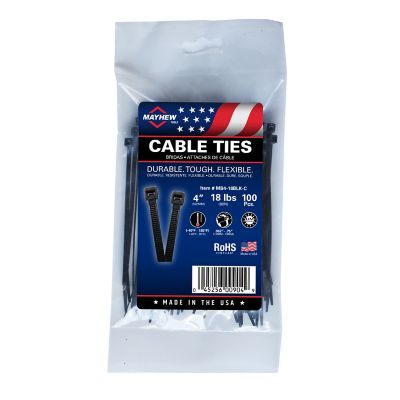
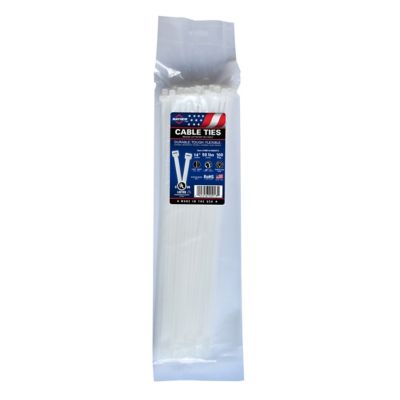
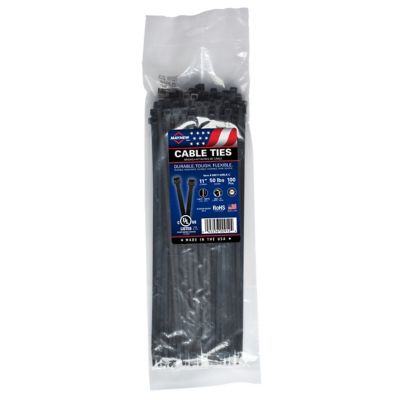
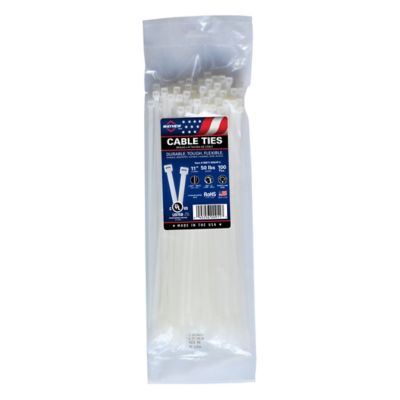
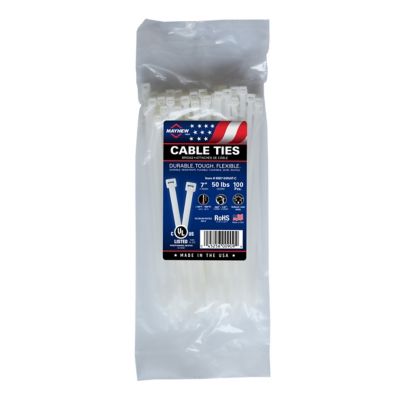
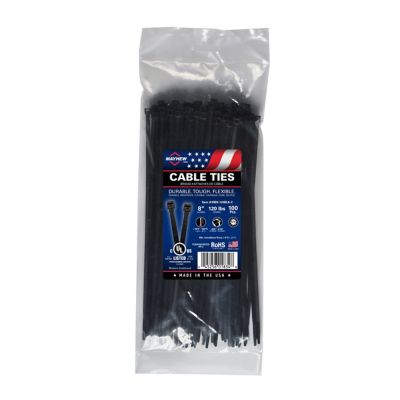
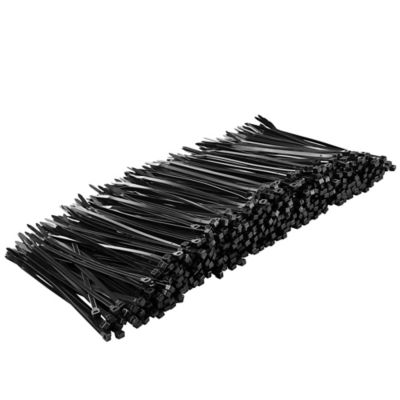
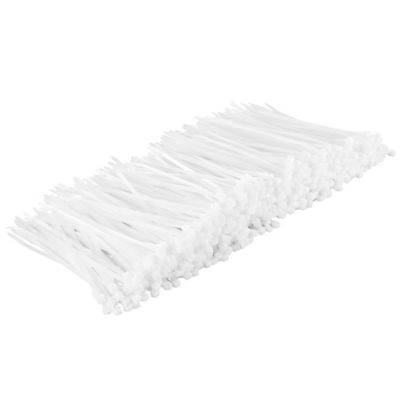
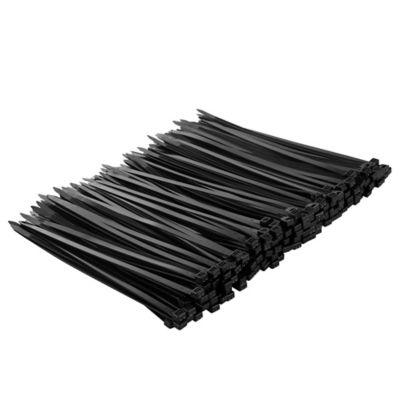
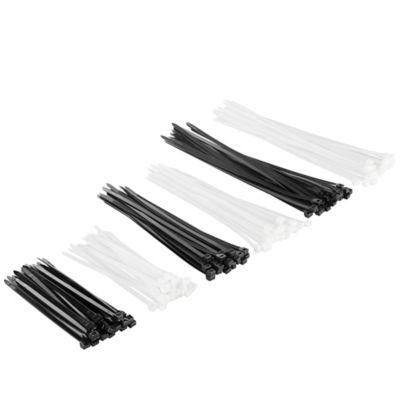
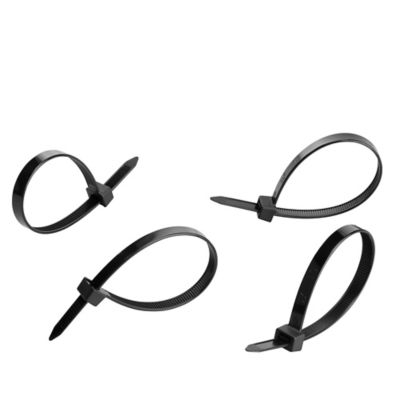
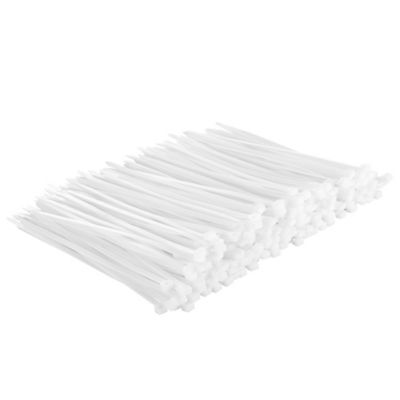
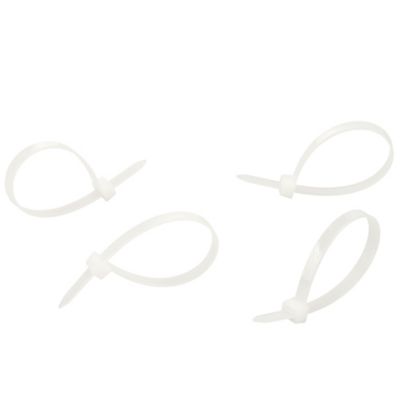
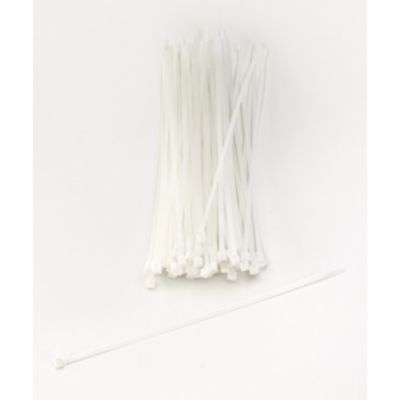
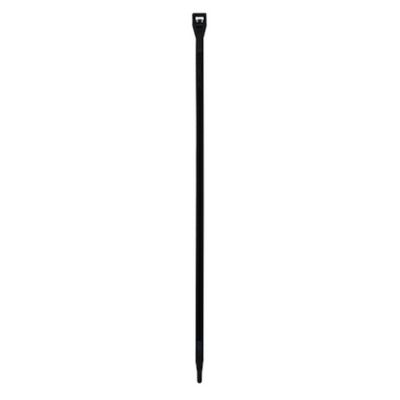
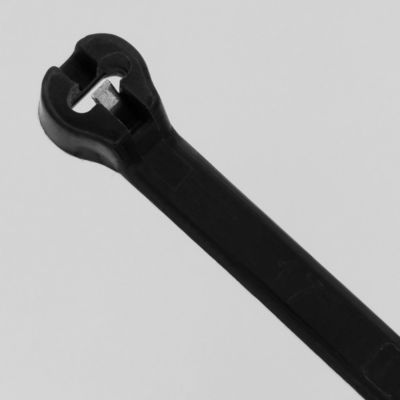
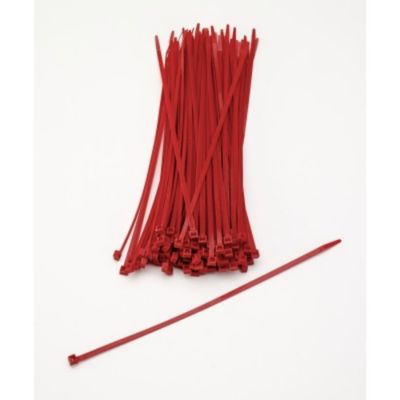
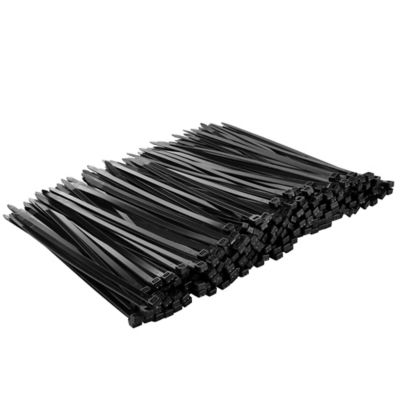
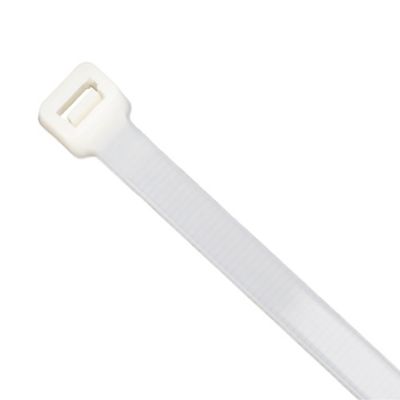
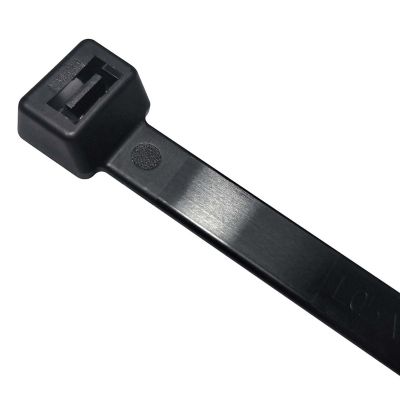
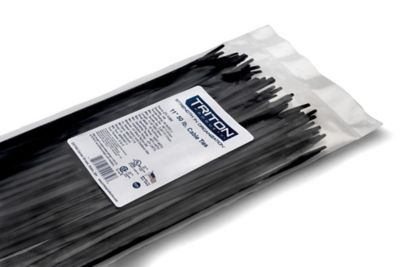
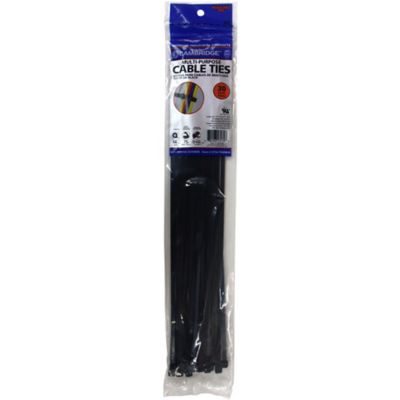
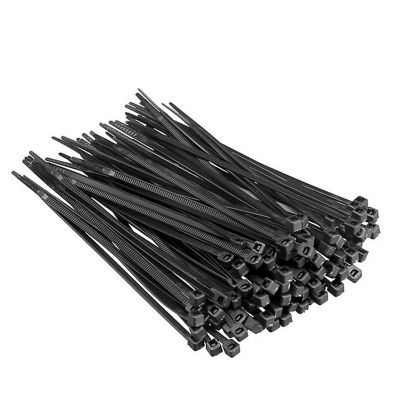
Self-locking cable ties are fasteners with a built-in locking head that grips the strap after the tail passes through, helping keep cables, hoses, or other materials bundled together. Most nylon versions have teeth along the strap and a small catch inside the head that allows tightening while resisting backward movement. That simple design makes them handy around a farm shop, garage, barn, or equipment shed, where loose cords and tangled wiring can get in the way of everyday work. A short tie can gather a few small wires behind a workbench, while a longer one can wrap around a thicker group of cords along a shelving upright. The right fit depends on more than overall length. Maximum bundle diameter tells how much the closed loop can hold, strap width affects how much space the tie takes up, and the locking head needs enough clearance to sit without pressing against nearby parts. A little extra tail makes fastening easier, but an excessively long strap can leave more trimming and waste. Tensile strength is another important consideration: it describes the force a tie can withstand under specified test conditions, not a working load limit for lifting or supporting equipment. A wide, high-strength tie still does not take the place of a rated hanger, clamp, or lifting strap. For cable organization, a snug fit generally makes more sense than pulling the strap as tight as possible. Excess pressure can pinch insulation, flatten soft tubing, or strain a connector. Keeping the bundle supported without squeezing it helps preserve the shape and function of what is inside. Electricians, equipment owners, maintenance crews, and anyone straightening up a busy work area can benefit from matching the tie to the actual job rather than reaching for the longest or widest strap every time. Even the direction of the locking head matters in a tight space, especially where a harness passes beside a panel or rests against a mounting surface.
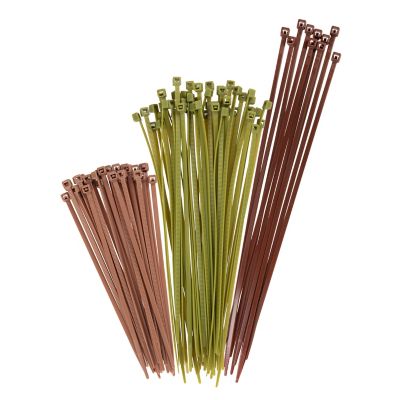
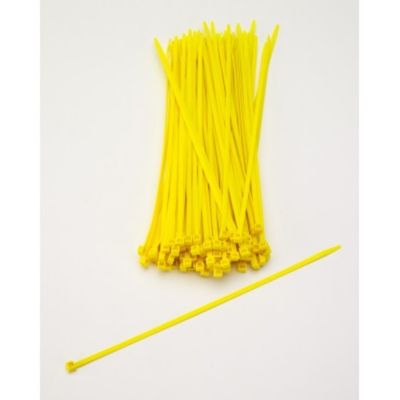
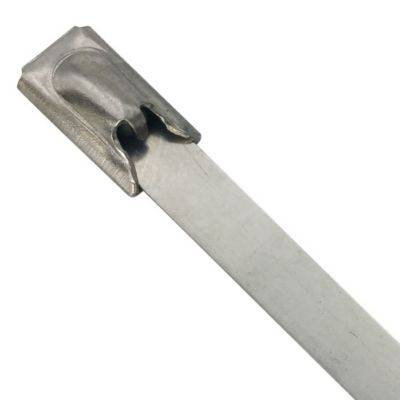
Material plays a big part in how self-locking cable ties perform over time. Nylon is common because it bends around a bundle and offers a practical balance of flexibility and holding strength. Different nylon formulations have different application limits, so material descriptions and manufacturer ratings matter more than appearance alone. For applications exposed to sunlight, a UV-resistant rating is worth checking; black coloring by itself does not establish that a tie is suitable for prolonged outdoor exposure. Around machinery, oils, cleaners, and other chemicals may also influence material selection. A tie that works well behind a desk may not be the right match beside a piece of farm equipment with regular fluid exposure. Stainless steel cable ties serve a different set of fastening needs and may suit applications that call for metal construction or particular corrosion-resistance properties. Their locking mechanisms can differ from the toothed ratchet found on common nylon ties, and their edges and stiffness deserve consideration around soft coverings and electrical wiring. Matching the fastening material to the surfaces it touches helps avoid unnecessary abrasion or damage. Color is another practical detail, especially in a work area with several cable runs. Different colors can help separate lighting circuits, communications lines, or equipment connections at a glance, though they do not replace proper electrical identification. For related fastening options,
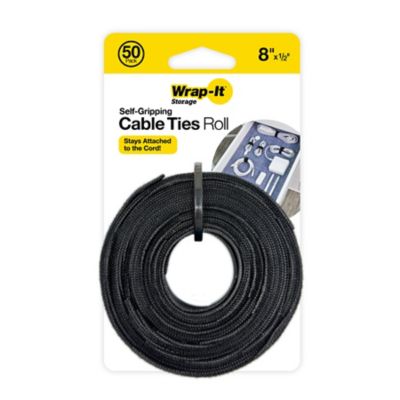
Cable Ties for Cable Management brings the broader cable-organizing category into focus. Standard ties, releasable styles, and versions with mounting features address different needs within that category. A releasable design can make sense where a bundle changes often, while a mounting feature can help hold a run in a planned position when paired with an appropriate attachment point. Those details matter along the back of a tool cabinet, under a workbench, or inside an equipment enclosure, where a tidy route needs to leave room for access and service.
Good cable organization leaves a workspace easier to inspect, not just neater to look at. Along a shop wall, evenly supported cords are easier to trace back to their connections. On equipment, a well-planned wiring route keeps the harness clear of belts, shafts, hinges, and other moving parts. Self-locking cable ties can help maintain that route, but they should not pull wiring against a sharp edge or carry the weight of a heavy cord where a proper support belongs. Fastening points also need to leave enough slack for normal movement and access, particularly near a panel that opens for maintenance. For air lines and other tubing, the tubing manufacturer's support requirements take priority over convenience. Ordinary cable ties are not hose clamps, electrical insulation, or a fix for damaged wiring. Most standard nylon self-locking ties are intended for one fastening cycle, so a bundle that needs frequent changes may be better suited to a purpose-built releasable option. When a tie comes off, careful cutting helps protect the cable jacket underneath; when excess tail is trimmed after installation, a flush cut helps keep a sharp stub from catching a hand or sleeve. A cut tail left sticking out behind a bench can be surprisingly unpleasant during the next repair. Periodic checks are worthwhile in places with vibration, rubbing, or regular equipment movement. Cracking, a damaged locking head, a slipping strap, or visible wear against the bundle are reasons to replace the tie and check the routing. Storage matters, too: keeping spare nylon ties in their original packaging, away from direct sunlight and chemical exposure, helps protect them before the next job. A small assortment organized by length, width, and strength can save rummaging when a loose cord needs attention. With the right size and material, these straightforward fasteners help keep everyday farm, home, and shop connections orderly without turning a simple fastening job into a bigger project.