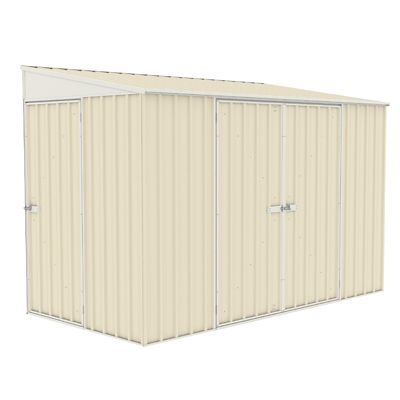
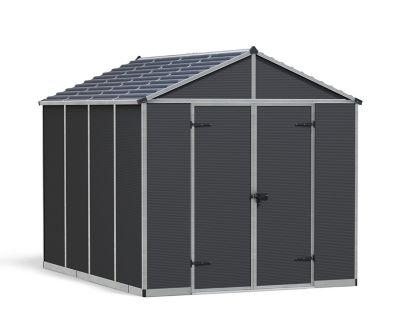
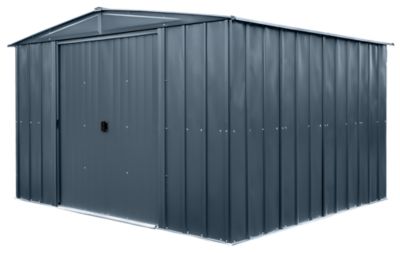
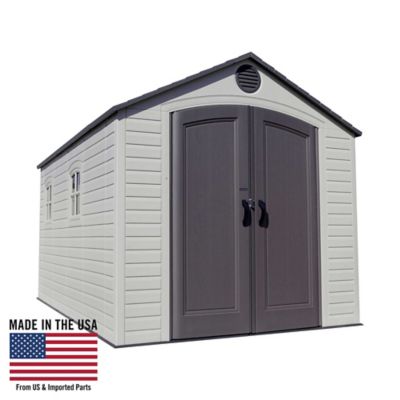
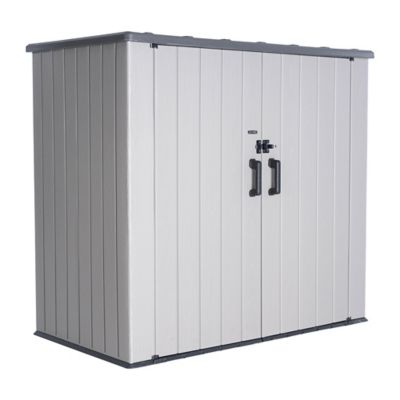
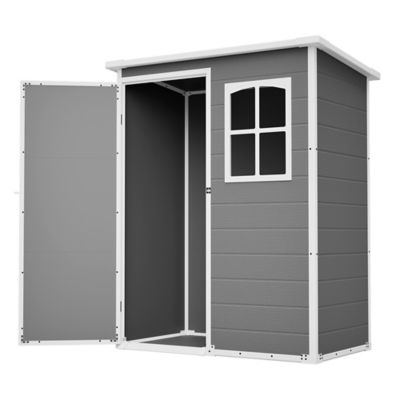
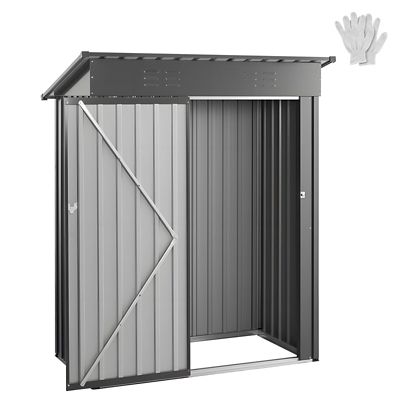
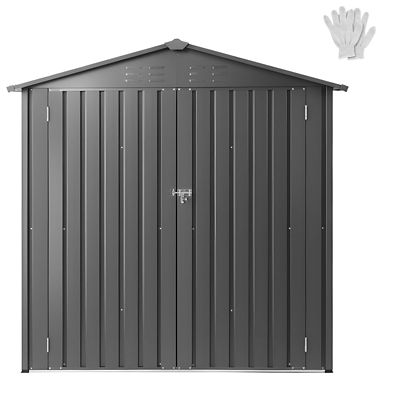
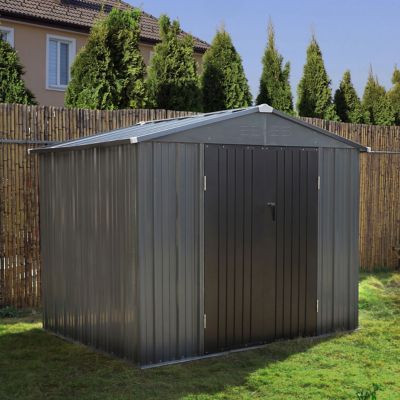
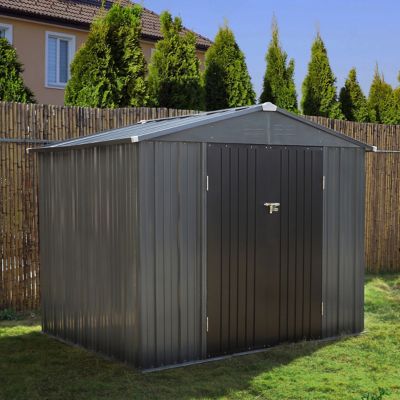
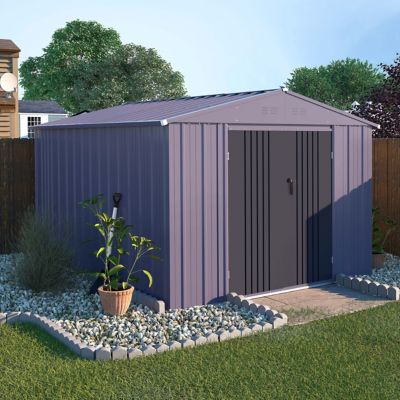
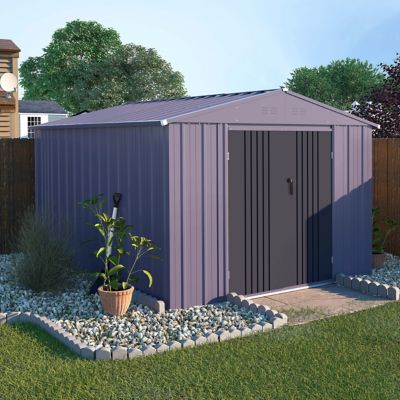
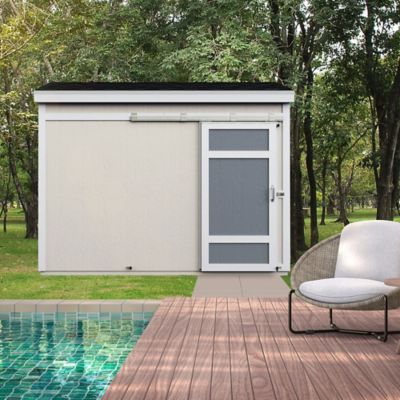
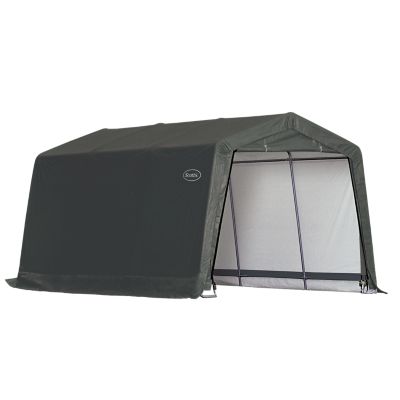
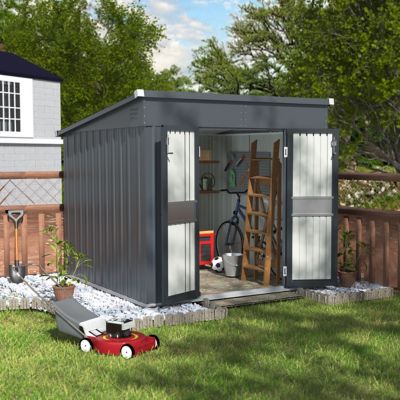
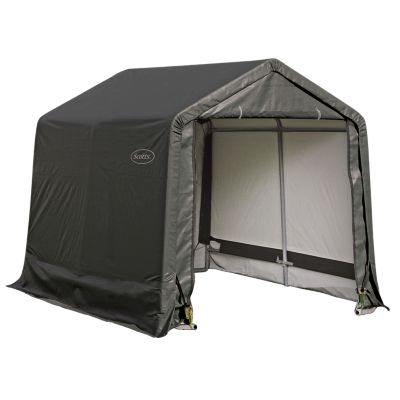
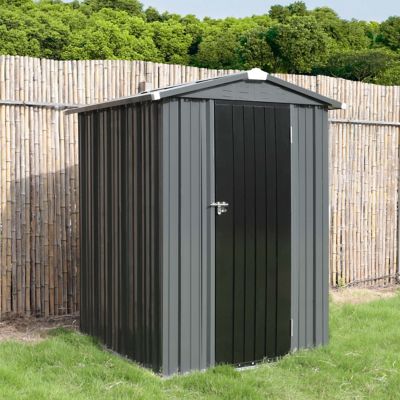
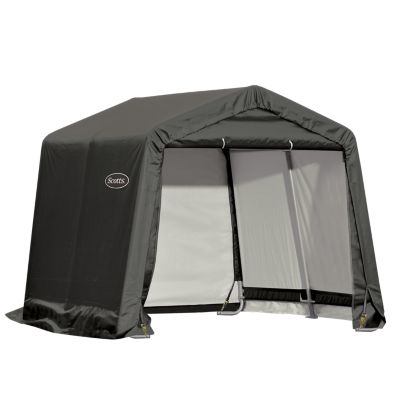
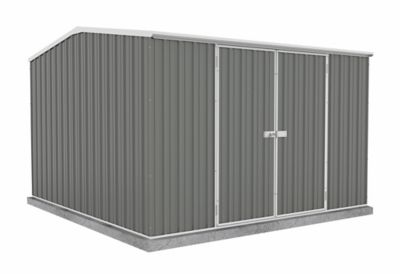
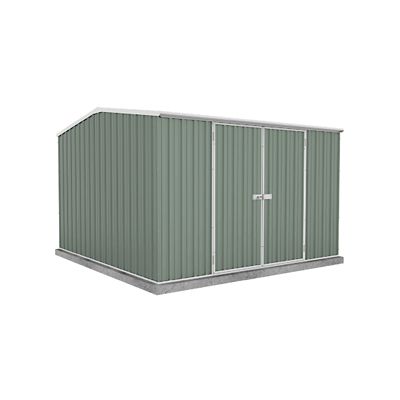
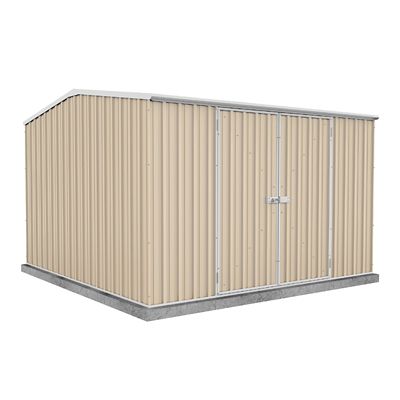
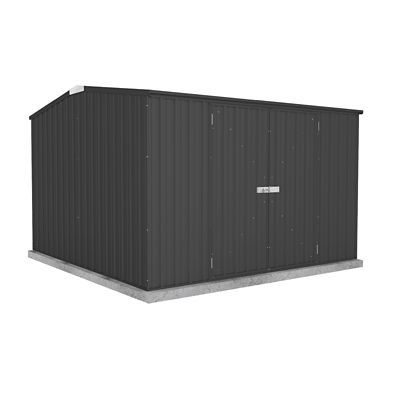
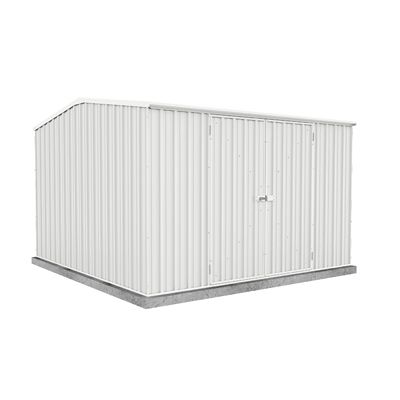
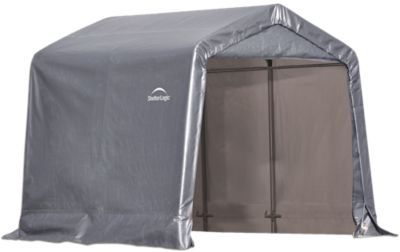
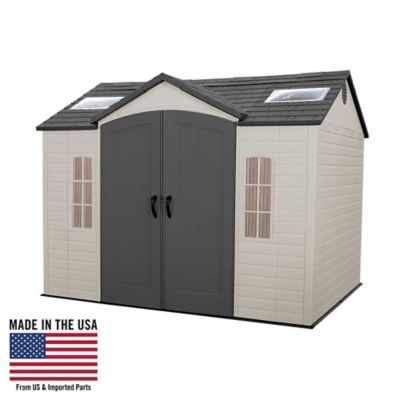
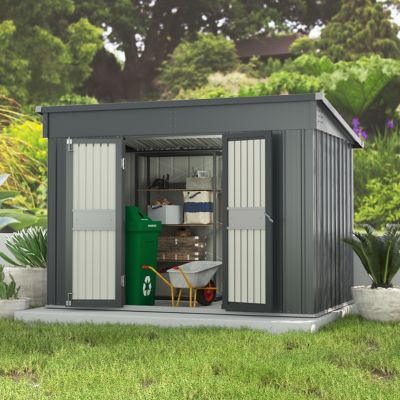
A bike storage shed gives bicycles a place of their own without taking over the garage, crowding a porch or blocking the path to the workbench. These outdoor enclosures can hold everything from a child’s first pedal bike to the mountain bikes that come home dusty after a trail ride, with room for riding gear when the layout allows. The main differences come down to construction, usable space, access and security. Metal bike sheds commonly feature galvanized steel or aluminum panels. Galvanized coatings help protect steel against corrosion, while aluminum panels resist rust; hinges, fasteners and other hardware still need attention according to the manufacturer’s care directions. Resin and plastic bike sheds have bodies that will not rust and generally clean up with mild soap and water. Their performance also depends on panel thickness, reinforcement, door construction and a properly supported base. Wood sheds offer another option, with framing that may support shelving or storage hardware when the structure is designed for it. Wood requires upkeep, including suitable finishes and attention to surfaces near the ground. Portable fabric bicycle shelters typically pair a frame with a fitted cover, providing a lighter enclosure that can make sense where a permanent structure is not the goal. Fabric covers and their attachment points need periodic inspection, and they do not provide the same barrier against cutting or forced entry as rigid walls. Across these categories, roof shape, panel joints and door seals affect how well the enclosure keeps outside moisture away from stored belongings. Built-in ventilation helps moisture escape rather than collecting around chains, cables and metal parts. A vented shed is not a substitute for putting a bicycle away reasonably clean and dry, but airflow is an important part of the storage setup. For a household with several riders, the best match is often the enclosure that makes everyday parking straightforward, not simply the one with the largest stated capacity.
Fit depends on the bicycles themselves, not just the number printed in a capacity description. Many adult bicycles measure roughly 6 feet long and about 2 feet across the handlebars, but wide bars, large wheels, baskets, child seats and rear racks can increase the room required. Those measurements describe the bicycle, not the space needed to maneuver it through a doorway. A compact enclosure might accommodate one bike neatly while leaving little room to stand beside it. For two or three bicycles, staggered handlebars or alternating the direction each bike faces can make better use of the floor, though getting the middle bike out may involve moving another one first. Families who ride often may prefer additional width so each bicycle has a clear route to the door. Cargo bikes, adult tricycles and bicycles with trailers attached need a larger turning area than a standard two-wheel frame. Electric bicycles also bring extra weight, making floor ratings and low, easy-to-cross thresholds especially important. Interior dimensions, clear door openings and wall slopes tell more about fit than exterior measurements alone. A shed described as 6 by 4 feet will have less usable room inside once walls and framing are accounted for, and a low roof edge can limit where tall handlebars sit. Wide double doors provide a broad opening, while sliding doors avoid the swing space that hinged doors require. Either design needs enough clear ground in front for comfortable access. The base matters just as much as the footprint. Some bicycle storage sheds include a floor; others require a separate foundation or floor system. An integrated floor can separate bicycles from bare ground, but it still needs the support specified for the structure. A level, properly prepared base helps doors line up, keeps panels from twisting and supports the combined weight of bicycles and stored gear. Anchoring requirements, setbacks and local placement rules also belong in the planning, especially beside a fence, near a driveway or close to another building.
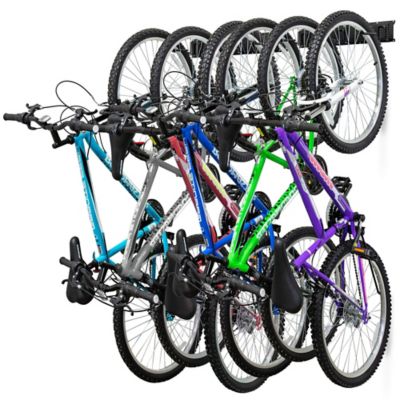
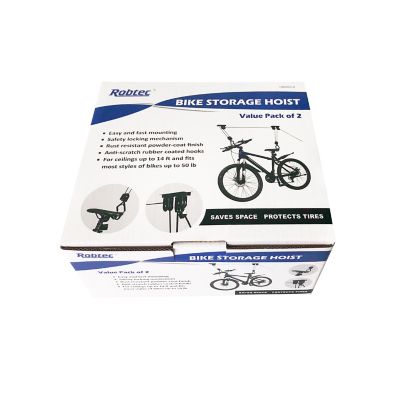
Inside a bike shed, a little breathing room makes a big difference. Floor stands can keep bicycles upright without leaning handlebars against wall panels, while compatible wall racks may free up floor space in structures rated to carry them. Thin shed panels are not automatically suitable mounting surfaces, and hanging a heavy bicycle requires more than an open spot on the wall. Shelves and hooks can give helmets, pumps, gloves and patch kits a place that does not interfere with pedals or spokes. For younger riders, a low threshold and an easy-to-reach parking spot can make putting a bike away less of a chore. For anyone handling a heavier bicycle, roll-in access may be more practical than lifting it onto a hook after every ride. Security deserves the same attention as organization. Lockable doors and padlock-compatible handles help control access, but a shed lock alone does not make a bicycle theft-proof. Door framing, hinges, panel construction and anchoring all affect the enclosure’s resistance to forced entry. Where the design permits it, a bicycle lock attached to a properly installed ground or structural anchor adds another layer of protection. Keeping bikes out of direct view can help, too, without turning the shed into a cramped space that is hard to use. Ongoing care is usually straightforward: clear debris from door tracks, keep vents open, inspect fasteners and maintain finishes as directed for the material. Dirt packed around the base and blocked ventilation can contribute to moisture problems even when the enclosure itself is intact. Electric bicycle batteries require storage and charging conditions specified by their manufacturer; an outdoor shed should not automatically be treated as a suitable charging space. Households comparing space for bicycles with room for larger yard equipment can also explore
Lawn Mower Storage Sheds. Whether the enclosure holds one daily rider or a whole family’s bicycles, enough clearance, sound construction and sensible organization help keep the space easy to use, with the next bike ready to roll out without moving everything else first.