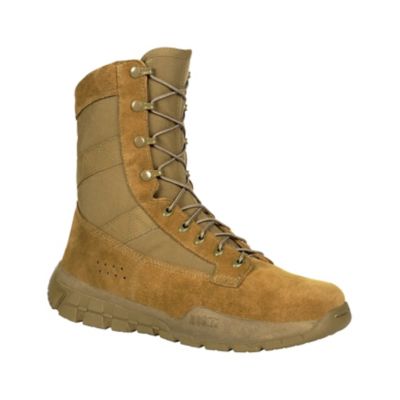
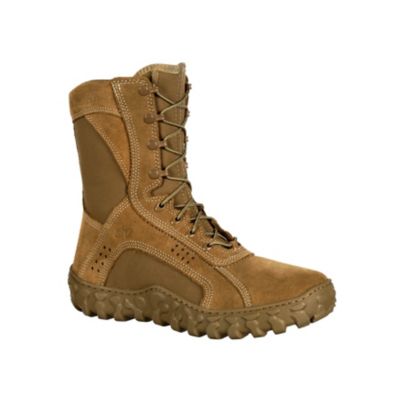
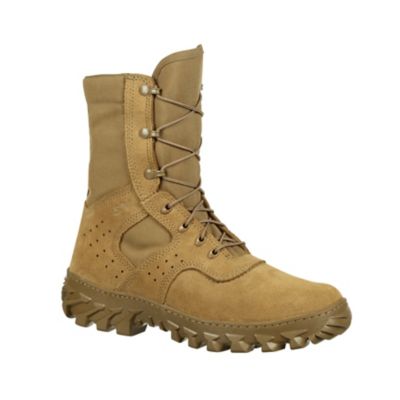
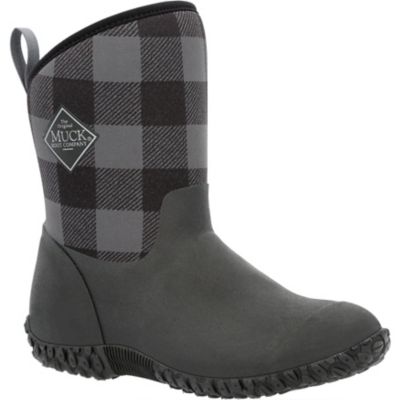
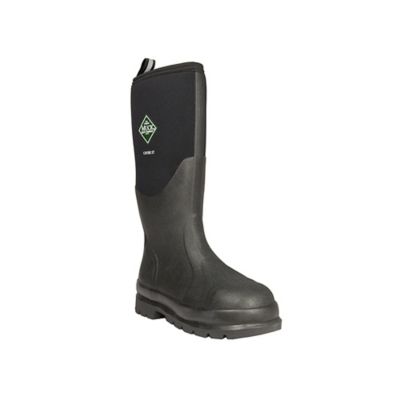
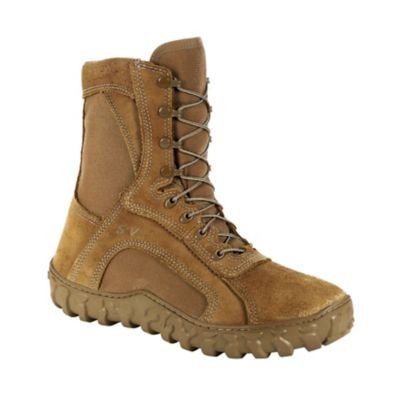
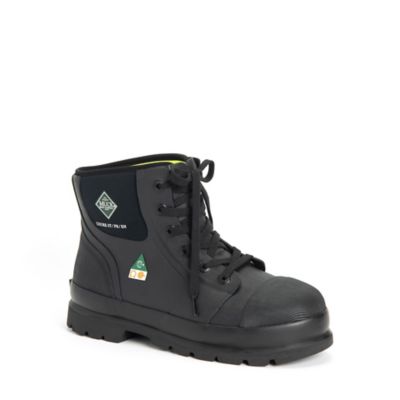
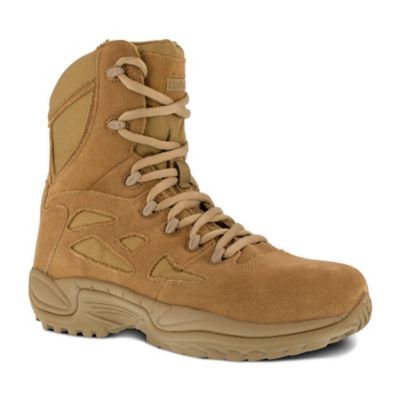
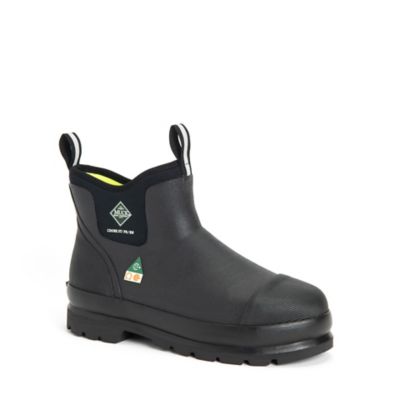
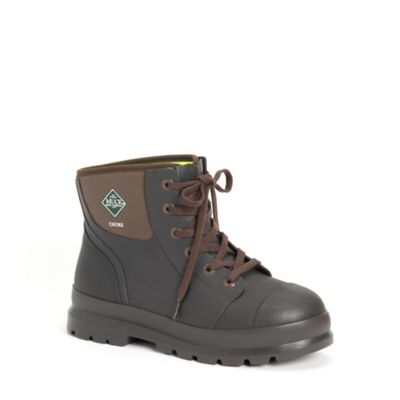
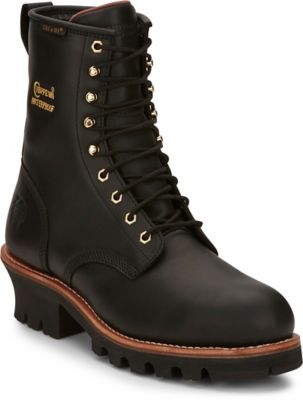
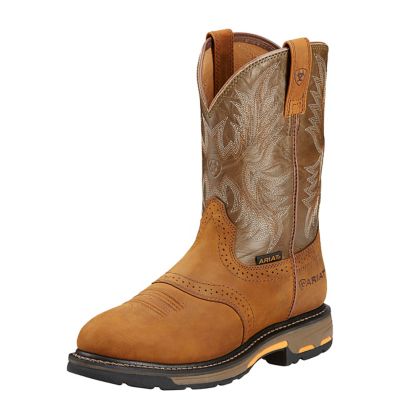
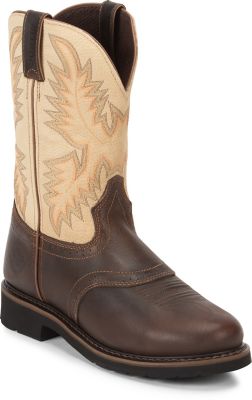
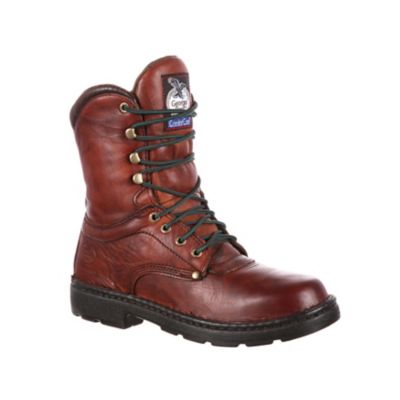
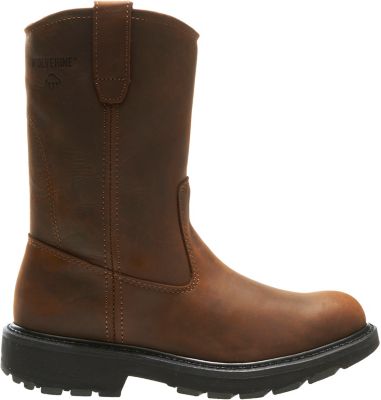
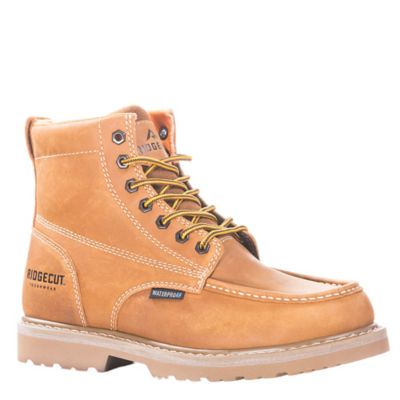
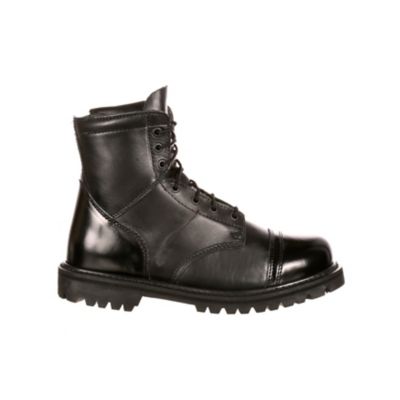
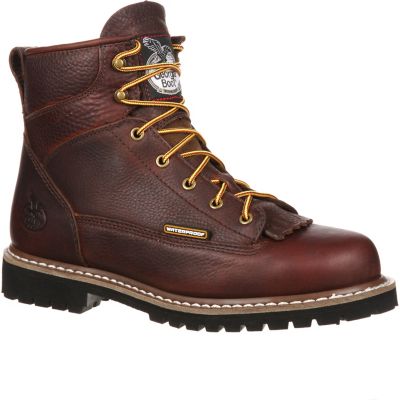
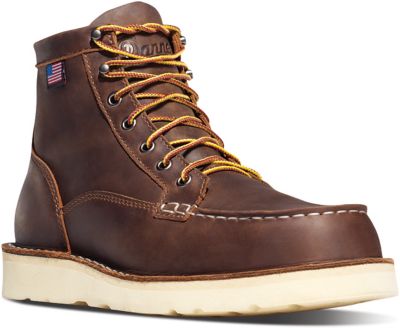
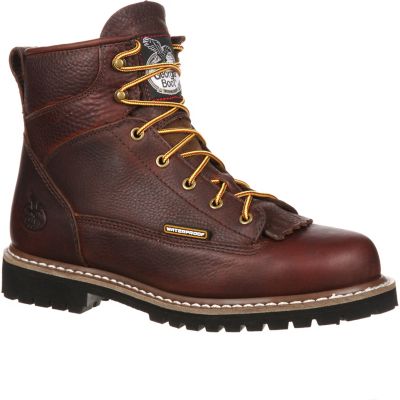
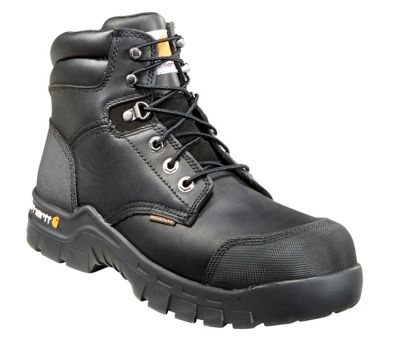
Berry Compliant Boots are military and tactical boots made in the United States with domestic materials and components, in line with the sourcing requirements of the Berry Amendment when those requirements apply to a federal defense purchase. That generally means the leather or textile upper, rubber outsole, thread, hardware and other major components are sourced domestically, and the boots are cut, stitched and finished by workers in the United States. For everyday shoppers, these boots can offer a useful combination of rugged construction, dependable support and traceable domestic manufacturing. Service members, veterans, reservists, law enforcement personnel, first responders, range workers, hunters and anyone who spends long hours outdoors may appreciate the sturdy feel and field-ready design. They can also make a thoughtful gift for a new recruit, a family member heading into military training or a hard-working outdoorsman who goes through footwear quickly. Since “Berry compliant” describes sourcing and procurement standards rather than one single boot style, check each product’s details to confirm the exact level of compliance, country of origin and intended use. Some boots are designed for hot-weather wear with breathable panels and lighter materials, while others add insulation or waterproof construction for cold, wet conditions. A boot that feels perfect on a dry training field may not be the right pick for muddy timber, a long security shift or a day spent climbing in and out of a truck. Think about the ground underfoot, the weather you regularly face and how many hours you expect to wear the boots before narrowing down your choices.
Fit is one of the most important details when choosing Berry Compliant Boots. A properly fitted pair should hold the heel securely without rubbing, leave enough room for the toes to spread and allow your foot to flex naturally while walking. Try them on with the socks you expect to wear in the field, especially if you use thick wool socks during cooler weather or moisture-wicking socks in warm conditions. Pay attention to the boot’s width as well as its length; a cramped toe box can become painful after a full day, while too much room may let your foot slide and cause blisters. Lacing systems, padded collars and removable footbeds can all affect comfort, support and adjustability. Break in new boots gradually by wearing them around the house, on short walks or during light chores before taking them on a long march or remote hunt. A few short outings can reveal a pressure point while you are still close to home. Look for traction suited to the job, too. Deep, aggressive tread can help on loose soil, gravel and uneven trails, while a more moderate tread may feel smoother on pavement and warehouse floors. If your work involves ladders, machinery or building sites, compare the boot’s safety features with your employer’s requirements. Berry compliance does not automatically mean a boot has a steel toe, composite toe, electrical hazard protection, puncture resistance or a particular slip rating. Those features must be listed separately, and they should match the hazards you actually face. For construction and general jobsite footwear, shoppers may also want to browse
Brown Construction Boots when color, worksite needs and everyday durability are part of the decision.
Durability comes down to more than a tough-looking sole. Examine the upper materials, stitching, toe and heel reinforcement, outsole design and the way the boot is built around the foot. Full-grain leather can provide a sturdy, supportive feel and may develop a weathered patina with use, while fabric or leather-textile combinations may reduce weight and improve airflow. Waterproof boots can help when crossing wet grass, walking through puddles or working in steady rain, but they may feel warmer than unlined boots during hot stretches. Breathable boots can be more comfortable in heat, though they may offer less protection from standing water. Consider whether you need ankle support for uneven ground, a flexible sole for driving and climbing, or a firmer platform for carrying a pack. Military personnel should check their branch, unit and uniform rules before buying, including requirements for color, height, polishability and wear with a specific uniform. Coyote brown and other approved shades are common in tactical footwear, but a boot’s appearance alone does not confirm compliance with Army, Air Force, Marine Corps or other service regulations. Procurement officers and federal buyers should verify the current Berry Amendment requirements, applicable contracts and any approved country-of-origin documentation rather than relying only on a product title. After purchase, keep boots clean and let them dry naturally away from direct heat, which can crack leather, weaken adhesives or distort the fit. Remove dirt from the outsole, loosen the laces when taking them off and use the care treatment recommended for the boot’s materials. With the right fit, suitable features and routine care, Berry Compliant Boots can be a dependable choice for service, work, training, travel and outdoor chores through changing conditions, from warm days in the field to cold, wet mornings on the job.