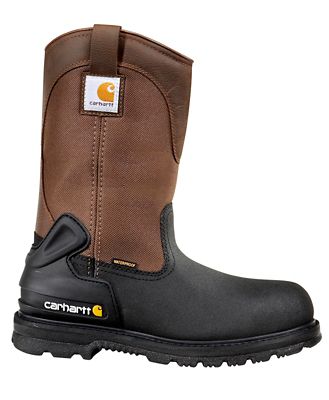
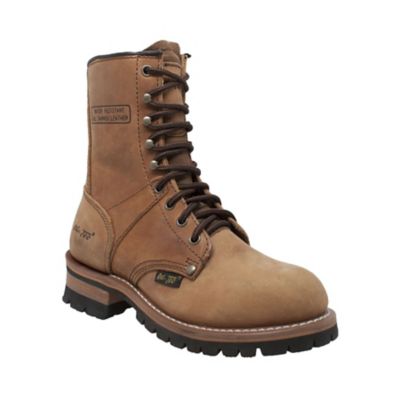
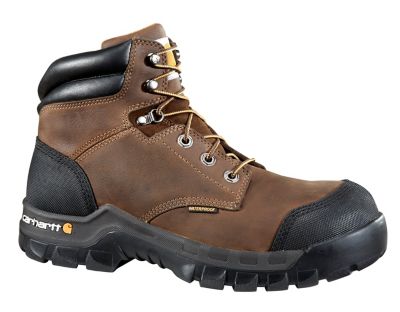
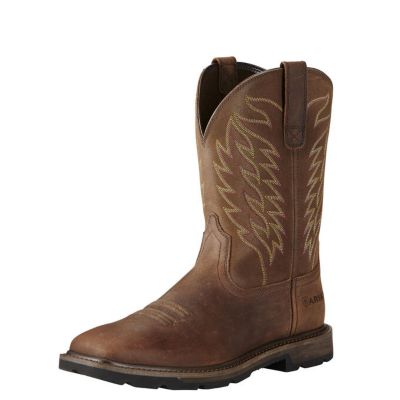
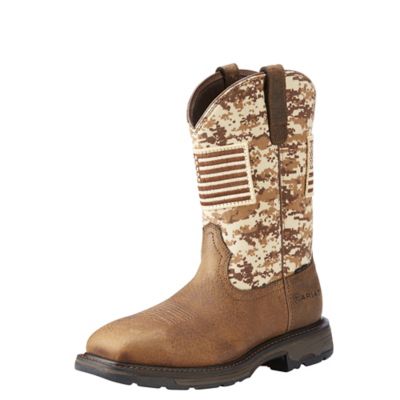
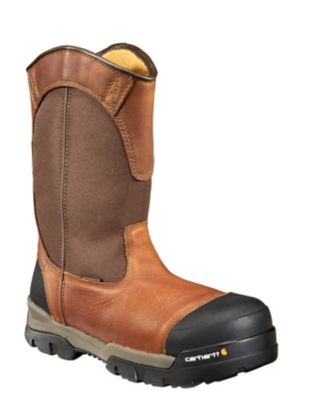
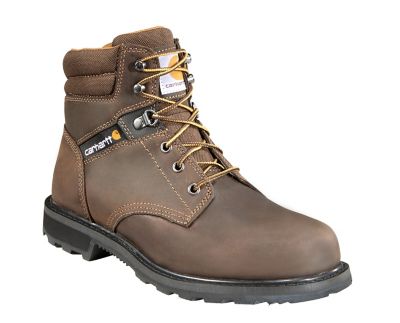
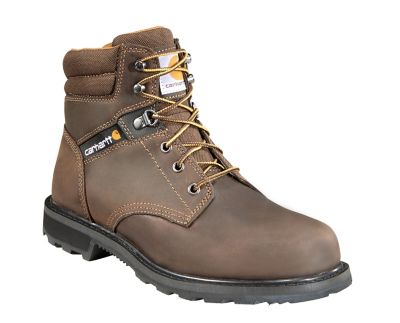
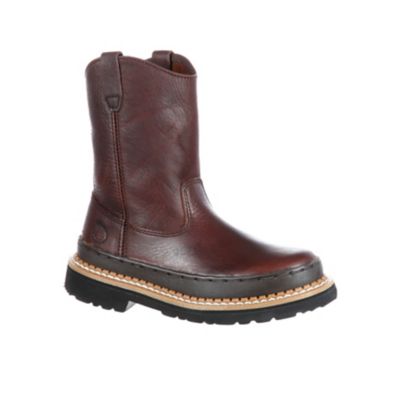
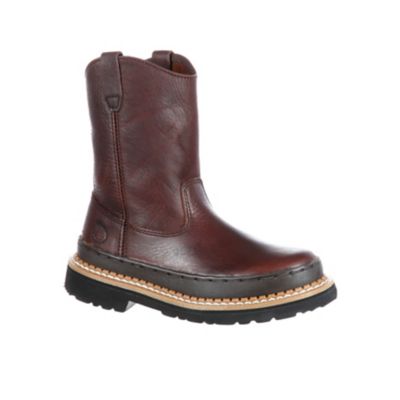
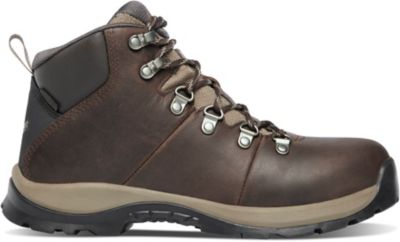
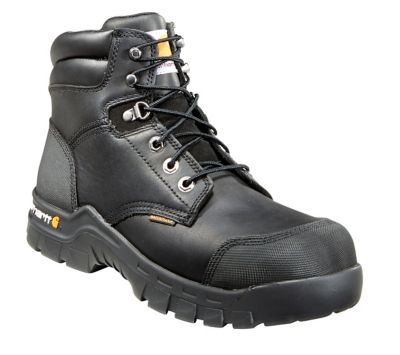
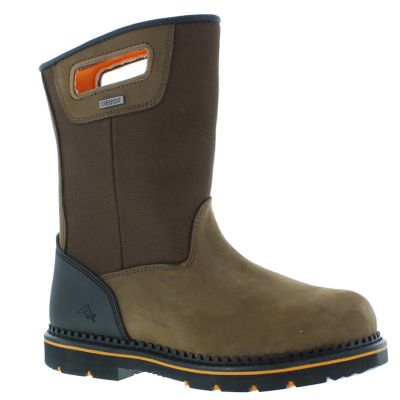
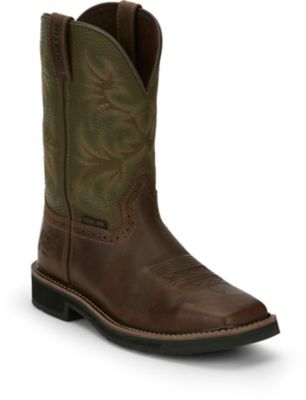
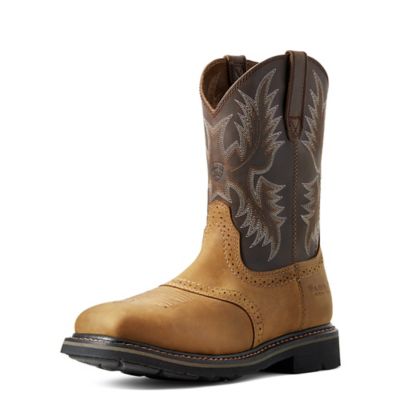
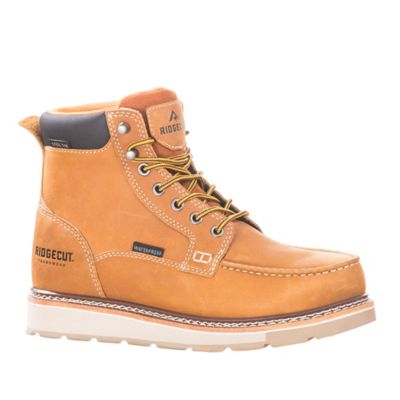
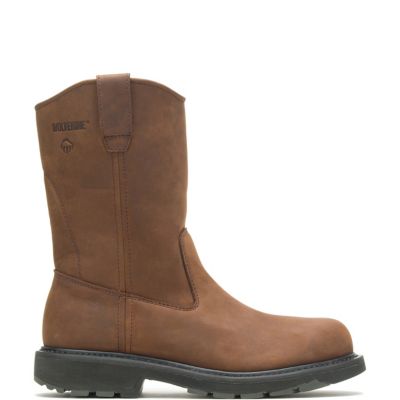
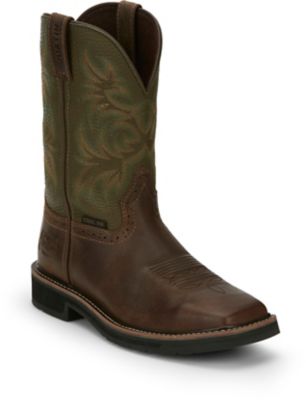
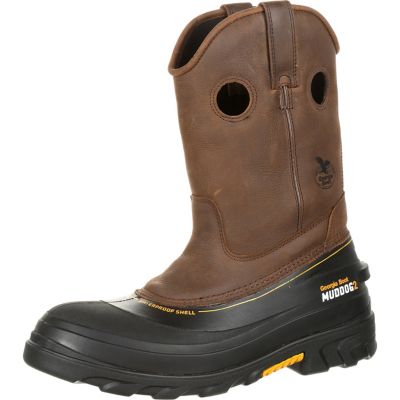
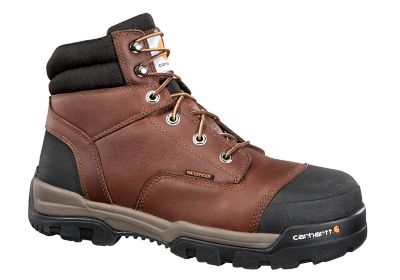
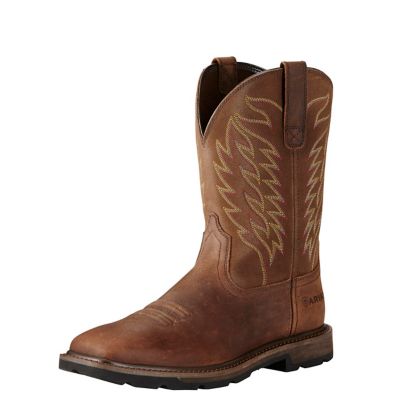
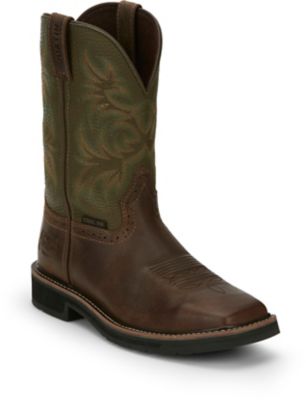
Brown construction boots are built for long days on hard ground, whether you’re framing a new barn, repairing fence, hauling feed, working around equipment, or tackling heavy jobs in a shop or warehouse. Their brown leather uppers have a familiar, work-ready look that hides everyday dust and scuffs while pairing easily with jeans, work pants, and high-visibility gear. Full-grain leather is a popular choice for demanding work because it is tough, supportive, and able to develop a worn-in character over time. With regular cleaning and conditioning, a good leather upper can stand up to rough handling, brush, sawdust, and changing weather. Look for sturdy stitching, reinforced panels around the toe and heel, and a padded collar that helps hold the boot securely without rubbing your ankles. Fit matters just as much as toughness. Try boots on with the socks you normally wear for work, leaving enough room for your toes to move without letting your heel slide. A properly fitted boot should feel snug around the instep and heel while giving your forefoot room to spread naturally. Keep in mind that leather may relax slightly as it breaks in, but it should never require painful pressure or a long period of limping to feel right. For a broader selection of classic leather styles, browse
Mens Brown Leather Work Boots.
The right safety features depend on the work you do and the hazards around your job site. Steel-toe boots provide dependable impact protection and have long been a standard choice for construction, utility, farm, and industrial work. Composite-toe boots use nonmetal materials, which can feel lighter and may be useful around metal detectors or in especially cold conditions, while alloy toes offer another lighter-weight option with a roomy protective design. Always check your workplace requirements and the boot’s safety ratings before choosing a pair. Slip-resistant rubber or polyurethane outsoles are helpful on smooth concrete, wet lumber, packed clay, and other uneven surfaces, especially when mud or oil may be underfoot. Deep tread can help with traction outdoors, though overly aggressive lugs may collect mud or feel awkward on ladders and finished floors. A shank—made from steel, nylon, or another supportive material—can add stability beneath the arch and help spread pressure when you spend the day on gravel, rutted ground, or narrow boards. Some work calls for electrical hazard protection, but EH-rated footwear is only one part of a safe work setup and should be used according to job-site rules. Waterproof membranes and sealed seams help keep feet dry while walking through wet grass, shallow puddles, and muddy ground during the cooler months. Water-resistant leather treatments can add another layer of defense, but no boot should be treated as completely waterproof unless it is specifically designed and rated for that purpose. Pay attention to the sole construction, too. Goodyear welt construction uses stitching to join the upper, welt, and sole, offering a rugged build that can often be resoled by a qualified cobbler. Cemented or glued construction is generally lighter and more flexible, though it is not as easily resoled. Direct-attach construction bonds the sole material directly to the upper, creating a flexible design with useful resistance to moisture. Each method has a place, so weigh long-term repairability against the lighter feel and flexibility you prefer.
Brown construction boots can serve everyone from experienced tradespeople to homeowners who spend weekends improving the place. A contractor may value a supportive safety toe and a durable welted sole for climbing ladders and crossing unfinished floors, while a ranch hand may put waterproofing, traction, and easy cleanup at the top of the list. Landscapers, mechanics, delivery workers, warehouse crews, and utility workers can all benefit from boots that stay planted during repeated walking, lifting, and bending. They also make a practical gift for someone starting an apprenticeship, moving into a new maintenance job, or preparing for a season of outdoor projects. Before giving work boots as a gift, check the recipient’s size, preferred toe protection, workplace requirements, and whether they like a higher lace-up shaft or a lower profile. A pair of quality socks and boot-care supplies can make a thoughtful addition, but the fit and intended use should always come first. Once boots are in regular rotation, brush off dried dirt after each shift, wipe away mud before it hardens, and let damp boots dry naturally away from direct heat. Stuffing them loosely with paper can help draw out moisture and maintain their shape; placing leather boots next to a heater or woodstove may dry and crack the leather. Remove the insoles when possible, allow the boots to air out between uses, and apply a conditioner made for the leather when it begins to look dry. During warmer stretches, breathable socks and moisture-managing insoles can help keep feet more comfortable, while colder, wetter days may call for thicker socks and roomier fitting boots. With the right combination of leather, protection, traction, and care, brown construction boots can become dependable everyday gear for work that starts before daylight and keeps going until the tools are put away.