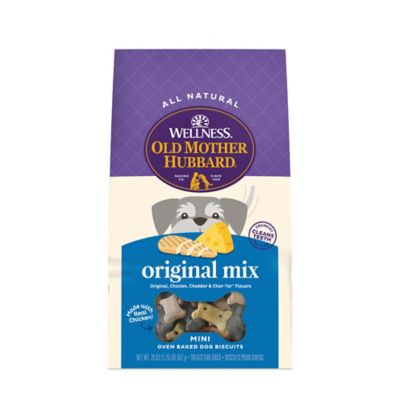
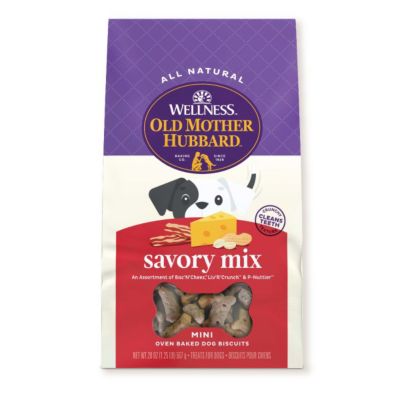
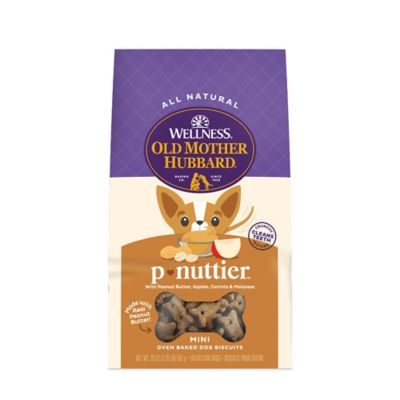
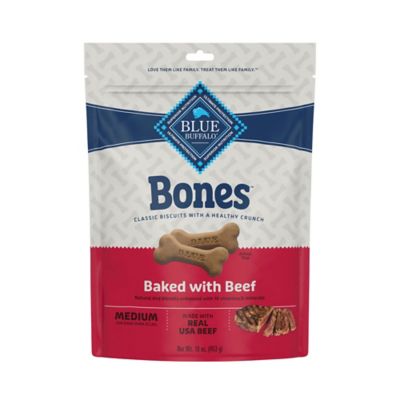
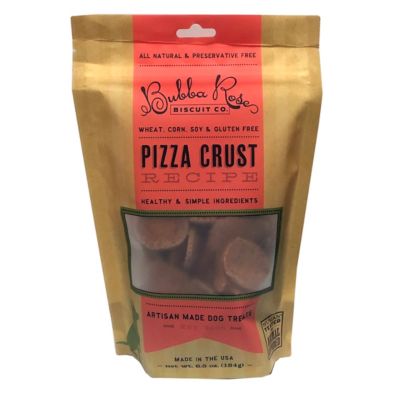
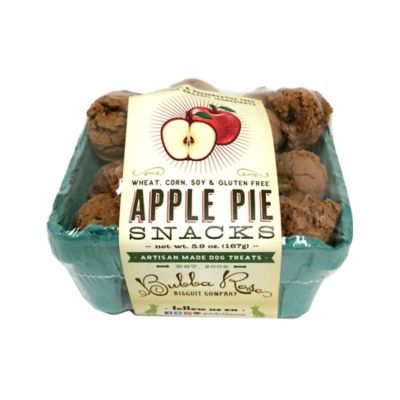
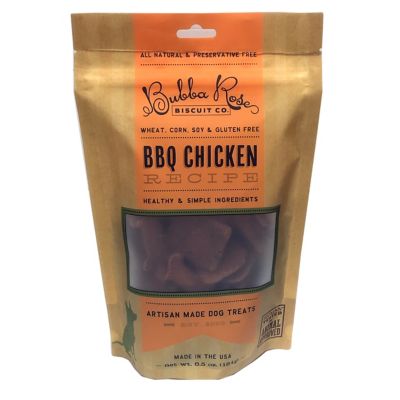
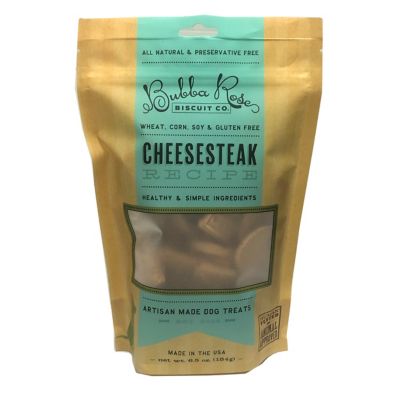
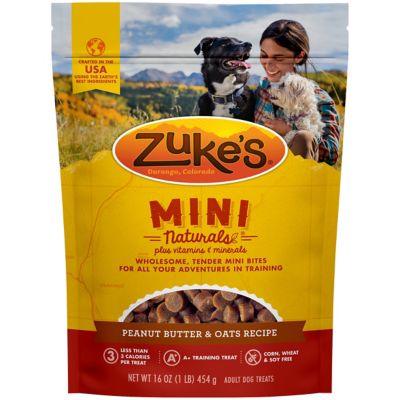
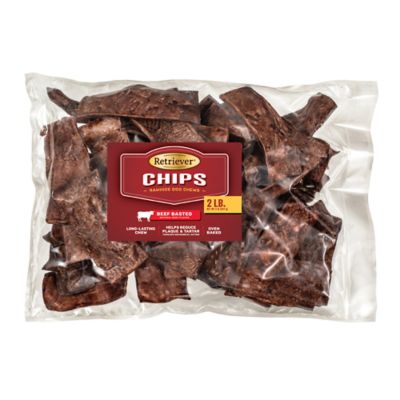
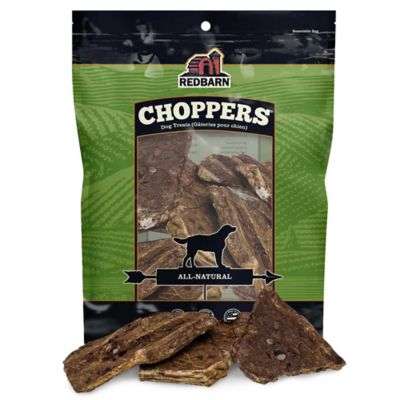
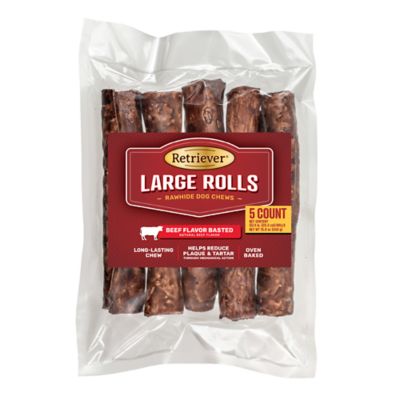
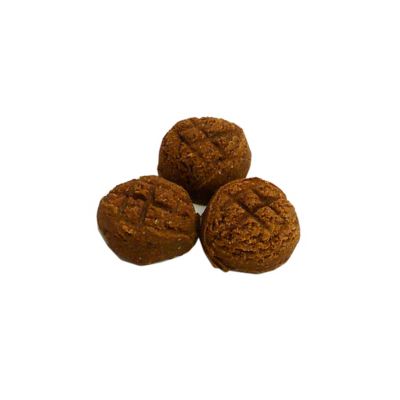
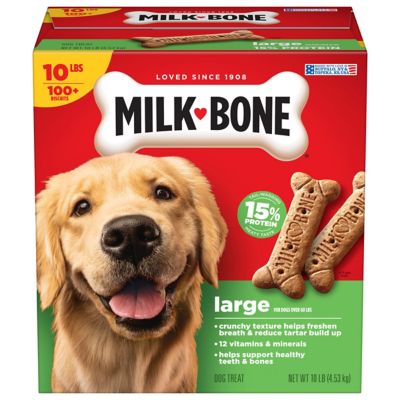
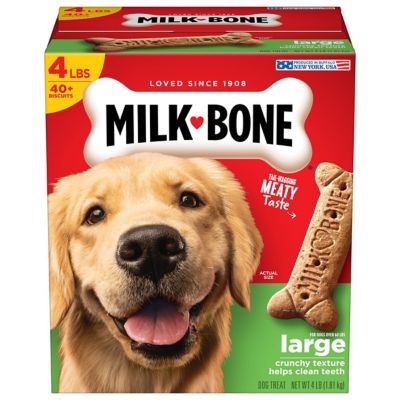
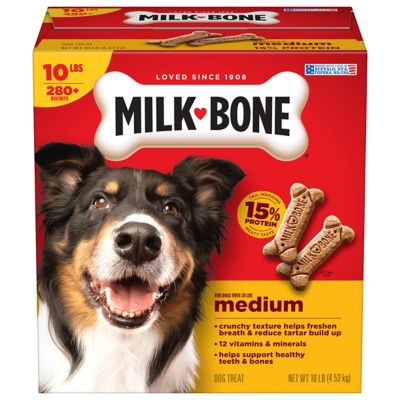
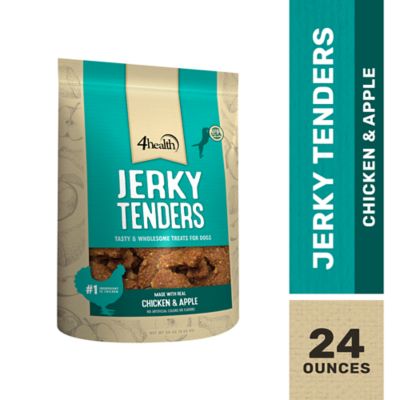
Oven baked dog treats bring a familiar, satisfying crunch to the treat jar, with the hearty smell and texture many dogs enjoy. They’re a handy choice for everyday rewards, training sessions, trail walks, kennel time, or a little something special after a long day of farm chores. Baked biscuits are often easy to portion, carry well in a pocket or treat pouch, and can help add variety when your dog is tired of the same soft chews. Look for a size and shape that fits your dog’s mouth, especially if you have a small breed, an older dog, or a pup with dental concerns. Smaller biscuits can be useful for frequent training rewards, while larger treats may work well as an occasional snack for bigger dogs. A crunchy texture can be enjoyable for many dogs, but it should never replace regular dental care, and hard treats may not be suitable for every dog. For puppies, senior dogs, and dogs that tend to gulp their food, choose an appropriate texture and keep an eye on them while they eat. Treats are meant to complement a complete, balanced diet, so follow the feeding directions on the package and keep extras within a reasonable portion of your dog’s daily calories.
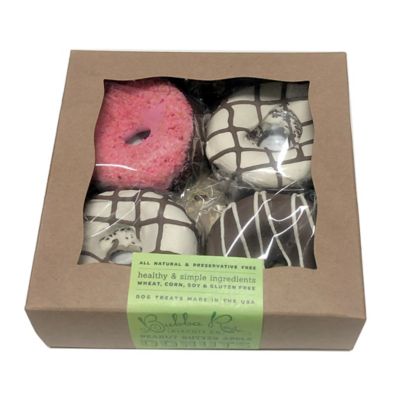
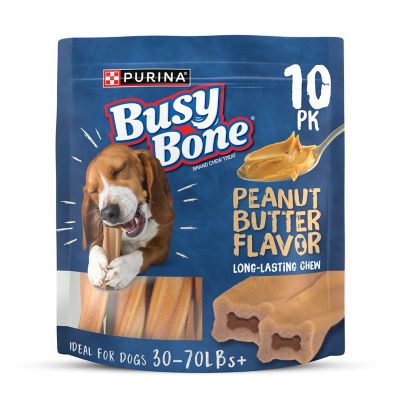
Ingredient lists are worth a close look, particularly when your dog has food allergies, a sensitive stomach, or a history of dietary trouble. Common baked treat ingredients may include grains, oats, whole wheat, rice, vegetables, fruit, eggs, meat, or nut butters, and recipes can vary quite a bit from one bag to the next. If your dog has known sensitivities, check for the ingredients you need to avoid and consider talking with your veterinarian before introducing a new treat. Peanut butter-flavored biscuits can be especially appealing to dogs, but any peanut butter ingredient should be checked for artificial sweeteners. Xylitol, also called birch sugar in some products, is toxic to dogs and should never be included in their food or treats; if you suspect your dog has eaten it, contact a veterinarian or animal poison control service right away. For more options with that familiar nutty flavor, browse
Peanut Butter Dog Treats. It also helps to check the guaranteed analysis, calorie information when provided, package size, and expiration or best-by date. Dogs can be just as particular about texture as people are, so a dog that likes a crisp biscuit may turn up its nose at a soft-baked treat, while a senior with worn teeth may do better with something easier to chew. Introduce unfamiliar treats gradually, give only a small amount at first, and watch for signs of stomach upset or an allergic reaction.
A dependable bag of oven baked treats is useful to keep near the back door, in the tack room, or alongside the leash and grooming supplies. They can make positive-reinforcement training feel rewarding without creating a mess, whether you’re working on a reliable recall in the yard, practicing calm behavior around visitors, or teaching a young dog to settle after the excitement of a walk. They’re also a thoughtful, practical gift for a new puppy owner, a neighbor who lends a hand with chores, a family member welcoming a rescue dog, or anyone who likes to spoil the four-legged member of the household. During warmer weather, store treats away from direct sun and damp areas; as the cooler months arrive, a sealed container can help preserve freshness in a mudroom, barn office, or pantry. Keep all treats in their original packaging or an airtight container, follow the label’s storage instructions, and make sure dogs cannot help themselves to the whole supply. With the right size, texture, ingredients, and serving amount, oven baked dog treats can fit neatly into daily routines—from a quick reward on the porch to a well-earned snack after a chilly walk or a busy afternoon outdoors.