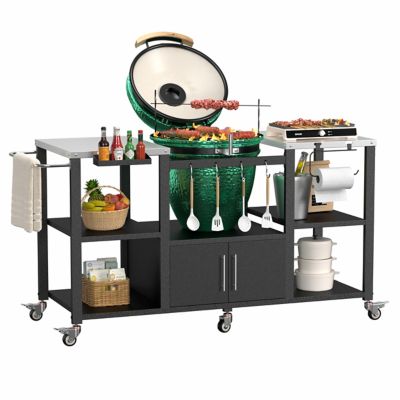
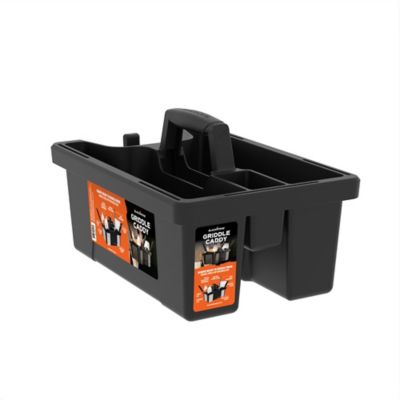
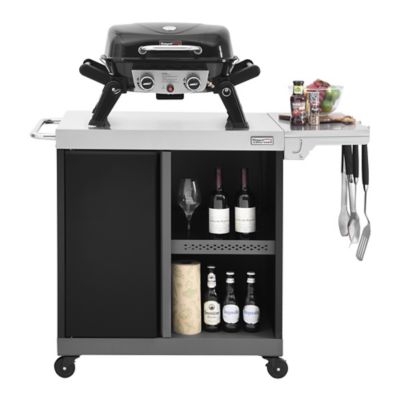
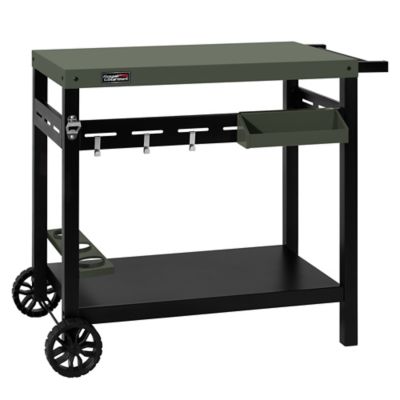
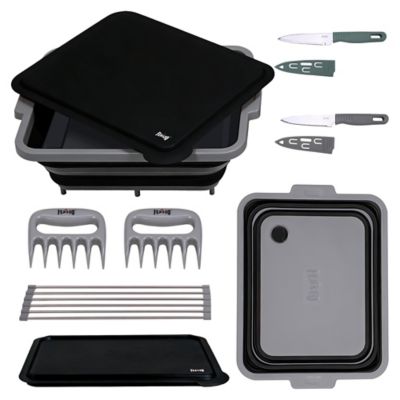
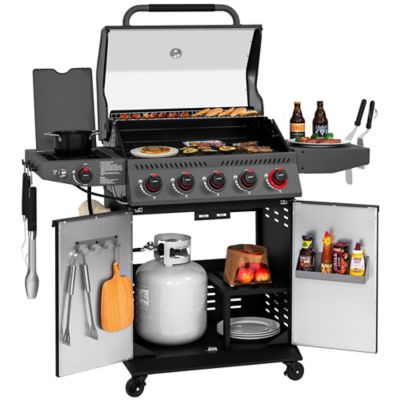
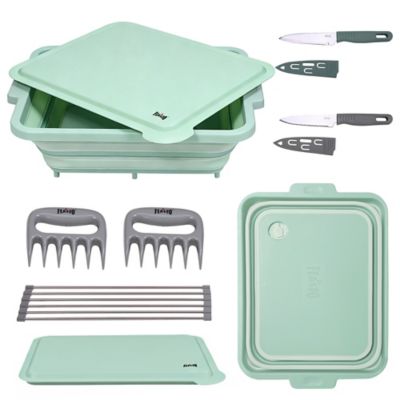
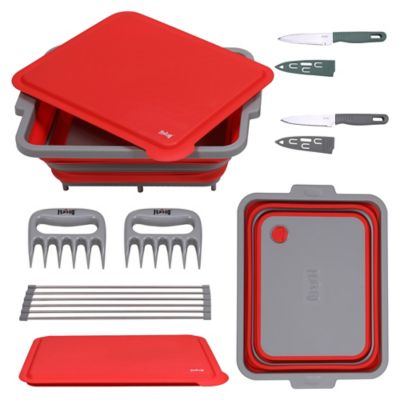
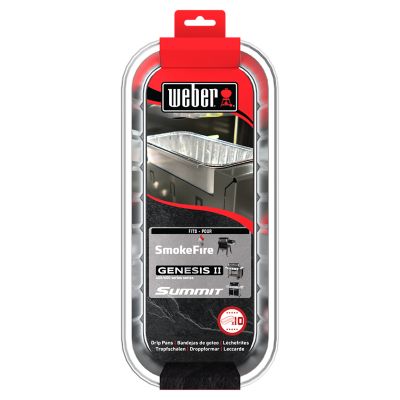
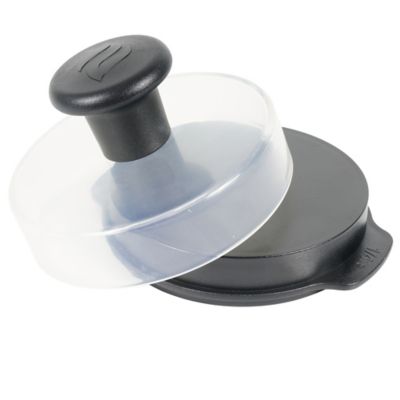
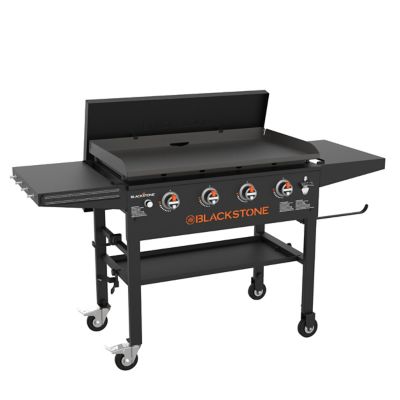
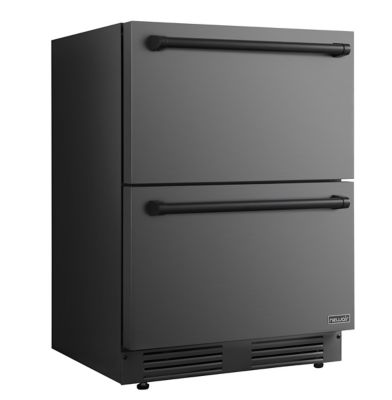
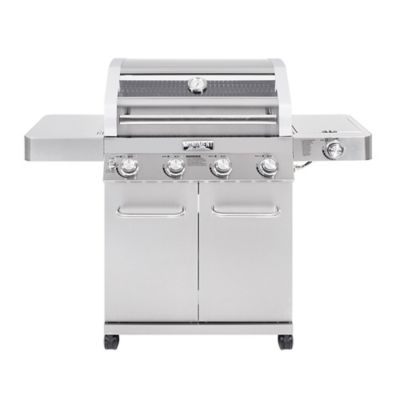
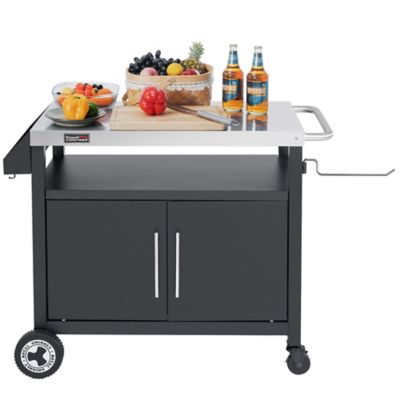
BBQ grill storage solutions help keep cooking tools, serving supplies, and cleanup gear close to the grill without crowding the cooking area. For Fourth of July gatherings, that can mean less time hunting for a spatula while burgers need turning and more room to set down a platter before carrying it to the picnic table. Enclosed cabinets provide a place for clean utensils and supplies that need protection from dust and splashes, while open shelves make frequently reached-for gear easier to grab. Drawers can separate smaller tools from long-handled tongs, and hooks can keep an apron or grill brush off the work surface. The right arrangement depends on how the space functions, whether that is a small patio beside the back door or a roomy cooking spot near the yard. A compact cabinet may suit a grill that already has generous side shelves, while a storage station with a countertop can provide extra landing space for trays and cutting boards. Pairing enclosed storage with a
BBQ grill cart for Fourth of July cookouts can also bring prep space closer to the action without requiring a permanent outdoor kitchen. Overall dimensions tell only part of the fit story: cabinet doors need room to swing, drawers need room to extend, and the grill lid needs its full opening clearance. Handles, towel bars, and side racks can add to the footprint, too. A setup that fits neatly against a wall may feel cramped once someone opens a drawer and another person walks past with a serving bowl. Keeping a clear route between the grill, kitchen door, and table helps the cook stay out of foot traffic, especially when kids and guests are moving around. Storage should remain outside the grill manufacturer’s required clearances, with nothing blocking ventilation or access to controls. A little breathing room around the cooking station makes the whole arrangement easier to work with.
Material choice affects how outdoor grill storage handles moisture, spills, cleaning, and everyday wear. Stainless steel offers a practical surface for many cooking areas, though the grade, finish, and care requirements matter; it can still develop staining or corrosion under certain conditions. Powder-coated steel provides a finished protective layer, but scratches and chipped edges can expose the metal beneath. Resin storage does not rust, although heat limits, sunlight exposure, and weight capacity still deserve attention. Wood brings a familiar look to a porch or patio, with upkeep that may include sealing or refinishing according to the manufacturer’s directions. Regardless of the material, sheltered placement does not automatically make an indoor cabinet suitable for outdoor duty. Outdoor-rated construction, hardware, and finishes are worth checking, along with any limits on exposure. Countertop material matters as much as the cabinet below it. A smooth surface can make grease and sauce easier to wipe away, but hot cookware may require a heat-safe trivet, and food preparation may call for a separate cutting board. Shelf and drawer capacities also matter when storing cast-iron cookware or other heavy gear; the total capacity of a station does not necessarily apply to each individual shelf. Heavy equipment generally belongs low in the cabinet, within the stated limits, rather than perched on top. For rolling storage, caster size, wheel material, and locking features affect how the station moves and stays put. Small wheels may roll comfortably across a smooth patio but struggle with gravel, wide deck gaps, or uneven paving. Locking casters help limit movement while parked, though they do not make a sloped surface suitable for a loaded cart. Adjustable feet can help some stationary cabinets sit level on an uneven surface when the design allows. Covered storage still needs care: putting damp tools away or covering a wet cabinet can trap moisture, so clean, dry surfaces make a better starting point.
A useful grill storage layout follows the way a cook actually works. Long utensils need enough drawer depth or hanging clearance to keep handles from catching, while broad platters need shelf space that accommodates their full width. Adjustable shelves can make room for tall containers, and removable trays can simplify carrying supplies between the kitchen and the grill. Closed doors help limit exposure, but an outdoor cabinet should not be assumed to be watertight, pestproof, or suitable for food storage unless its specifications say so. Napkins and clean serving pieces benefit from containers that keep them dry and protected, while food and temperature-sensitive ingredients belong in appropriate kitchen or refrigerated storage. Raw-food trays and clean serving utensils need separate spaces so a busy cookout does not turn into a mix-up at the counter. Grill-cleaning supplies also belong apart from food-contact tools, following their label directions. Fuel storage calls for special attention: a propane cylinder belongs upright in a ventilated outdoor location that meets the grill manufacturer’s instructions and applicable requirements, not tucked into an ordinary enclosed cabinet. Charcoal and other fuels have their own storage directions, and hot ash never belongs in general grill storage. Once cooking is finished, grease splatters, standing water, and food residue are easier to manage before they settle into corners and drawer tracks. Mild cleaning methods recommended for the material help protect finishes, while occasional checks of hinges, fasteners, and casters can catch looseness before it becomes a nuisance. Any cover needs to fit around handles and shelves without dragging, and the grill must cool fully before nearby storage or equipment is covered. For someone who regularly handles the family cookout, grill storage can make a thoughtful gift when the available space and cooking setup are known. Whether the occasion is an Independence Day gathering with a full picnic table or a simple supper outside, well-planned storage keeps the work area orderly and the tools close at hand.