Backyard Outdoor Kitchen Storage Unit Fourth Of July Sale
Fire up the grill and get ready to celebrate with big savings during our Backyard Outdoor Kitchen Storage Unit Fourth Of July Sale. Whether you're planning a family cookout or just want to keep your outdoor space organized for summer fun, you'll find plenty of options to suit your needs. Make your backyard gatherings easier and more enjoyable while taking advantage of these special deals, just in time for Independence Day festivities.
$149
.99
Sale Was $169.99 Save $20.00 (12%)
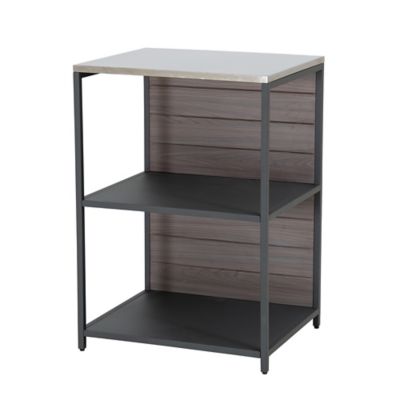
$99
.99
Sale Was $199.99 Save $100.00 (50%)
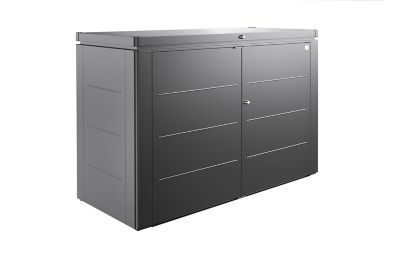
$3,799
.99
Sale Was $3,999.99 Save $200.00 (5%)
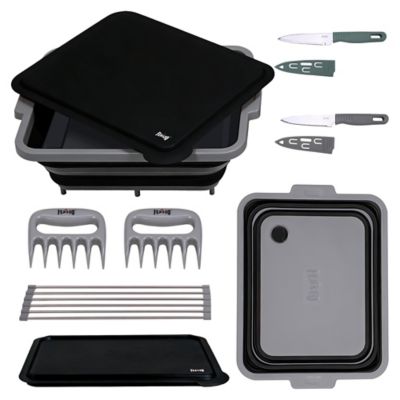
$39
.99
Sale Was $59.99 Save $20.00 (33%)
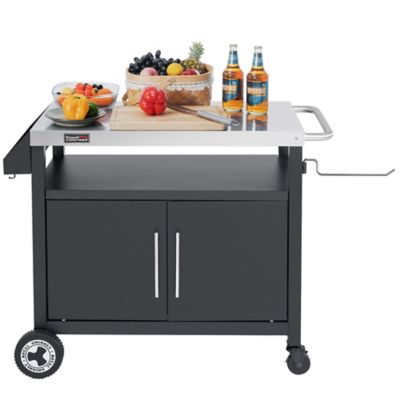
$159
.99
Sale Was $179.99 Save $20.00 (11%)
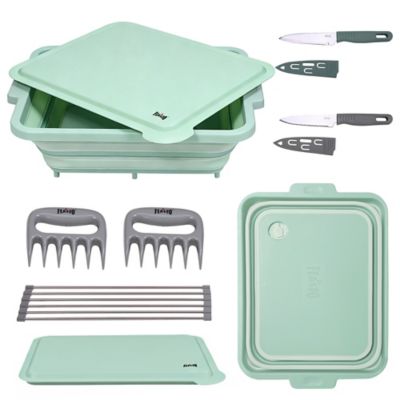
$39
.99
Sale Was $59.99 Save $20.00 (33%)
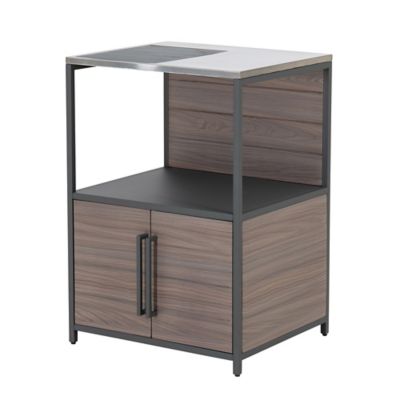
$149
.99
Sale Was $299.99 Save $150.00 (50%)
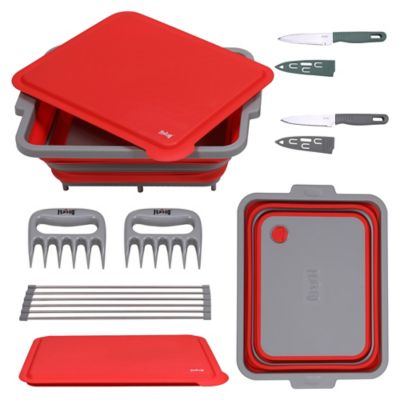
$39
.99
Sale Was $59.99 Save $20.00 (33%)
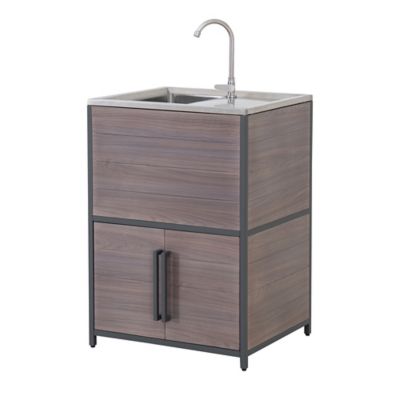
$274
.99
Sale Was $549.99 Save $275.00 (50%)
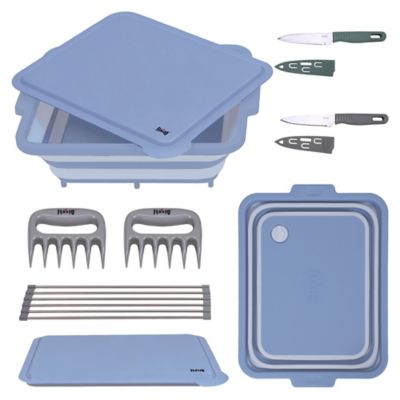
$39
.99
Sale Was $59.99 Save $20.00 (33%)
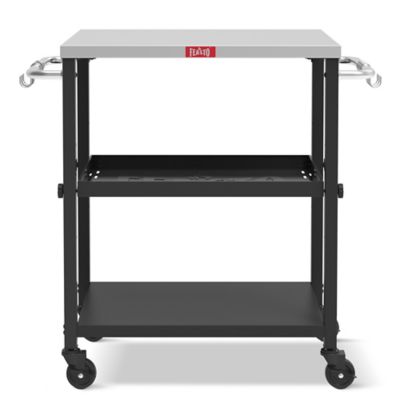
$78
.99
Sale Was $99.99 Save $21.00 (21%)
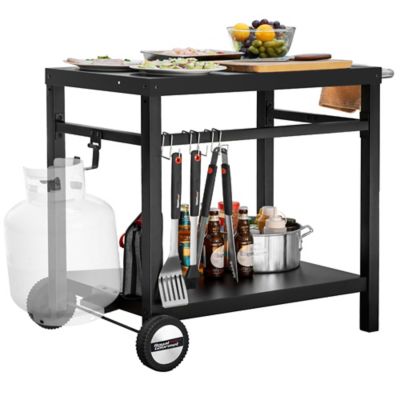
$116
.99
Sale Was $129.99 Save $13.00 (10%)

$99
.99
Sale Was $129.99 Save $30.00 (23%)
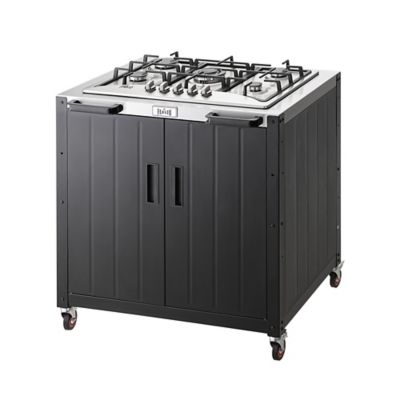
$479
.99
Sale Was $549.99 Save $70.00 (13%)
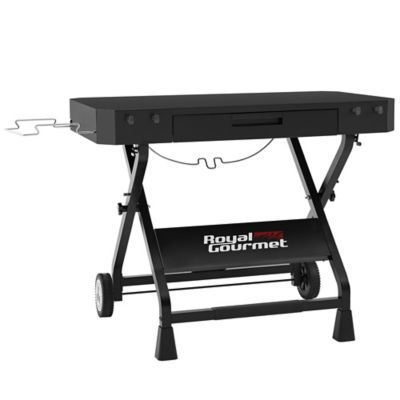
$129
.99
Sale Was $144.99 Save $15.00 (10%)
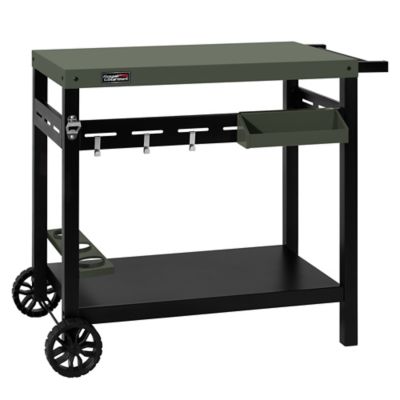
$79
.99
Sale Was $89.99 Save $10.00 (11%)
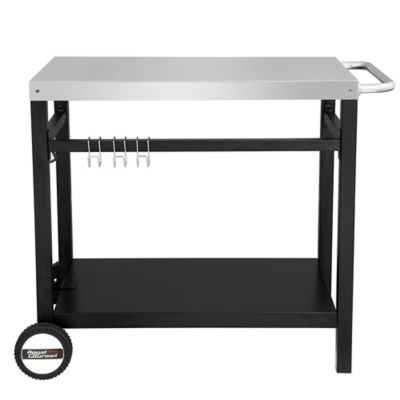
$116
.99
Sale Was $129.99 Save $13.00 (10%)
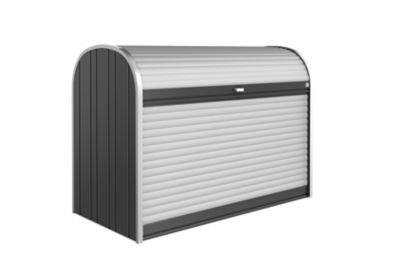
$2,896
.99
Sale Was $3,049.99 Save $153.00 (5%)
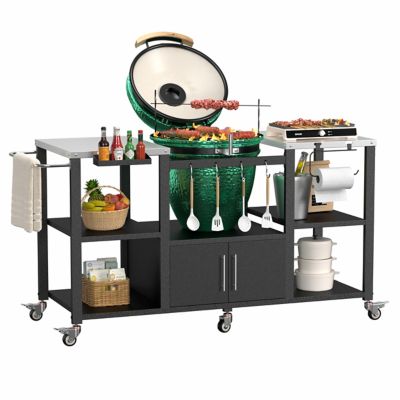
$149
.99
Sale Was $279.99 Save $130.00 (46%)
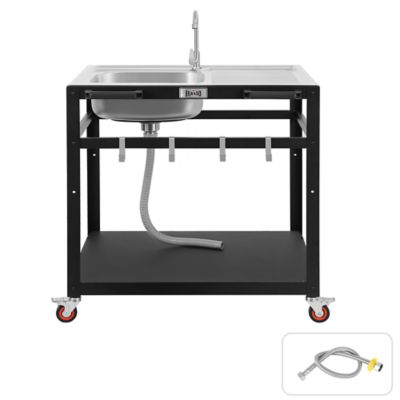
$229
.99
Sale Was $269.99 Save $40.00 (15%)
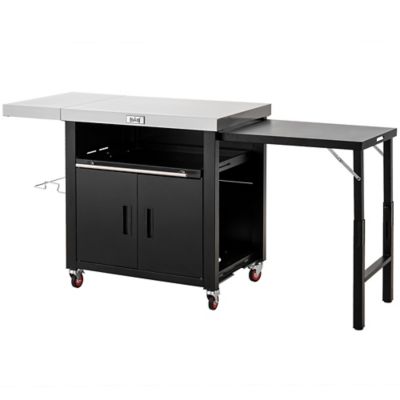
$269
.99
Sale Was $299.99 Save $30.00 (10%)
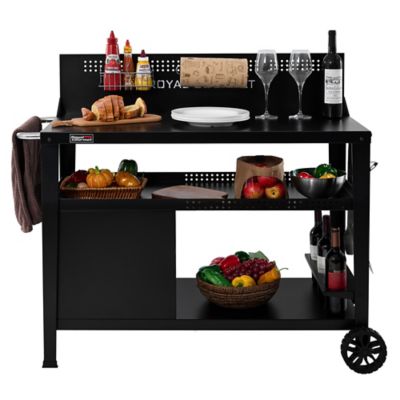
$139
.99
Sale Was $169.99 Save $30.00 (18%)
$209
.99
Sale Was $299.99 Save $90.00 (30%)
$109
.99
Sale Was $124.99 Save $15.00 (12%)
Best Of FAQ
What are the benefits of adding a storage unit to my backyard outdoor kitchen?
Adding a storage unit to your backyard outdoor kitchen helps keep cooking tools, utensils, and supplies organized and easily accessible. It also protects items from the elements, making outdoor entertaining more convenient and enjoyable.
How can I maintain my outdoor kitchen storage unit during different seasons?
To maintain your outdoor kitchen storage unit, regularly clean surfaces, remove debris, and check for signs of wear. During harsh weather, consider covering or moving portable units to sheltered areas to extend their lifespan.
What features should I look for in an outdoor kitchen storage unit?
Look for features such as weather-resistant materials, adjustable shelving, lockable doors, and easy-to-clean surfaces. These features help ensure durability and convenience for your outdoor cooking space.
Can an outdoor kitchen storage unit serve purposes other than storing cooking supplies?
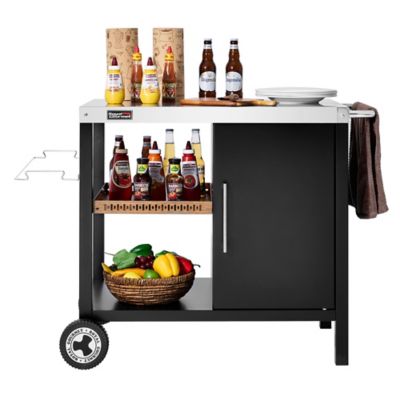
Absolutely. Outdoor kitchen storage units offer versatility and can function as organizers for gardening tools, pool accessories, or even as a beverage station during gatherings like Fourth of July celebrations.
How do I organize my outdoor kitchen storage unit for maximum efficiency during parties?
Group similar items together—such as grilling tools, spices, and serving ware—in designated sections. Try labeled bins or baskets to keep smaller items tidy and make sure frequently needed items are easily accessible for quick setup during parties.
Best Sellers
-
"Large workspace and the shelves are great and perfect for storing tools for grill the door on other side"
-
"I love the functionality of the griddle and it’s been absolutely perfect in making smashed burgers, eggs"
-
"This is a great grill! Assembly was easy and the performance is excellent"
-
"I love that the lid has the securement pieces on the side to really make sure that it doesn’t lift off"
-
"Love the product. Ordering process and delivery was great. Thank you"