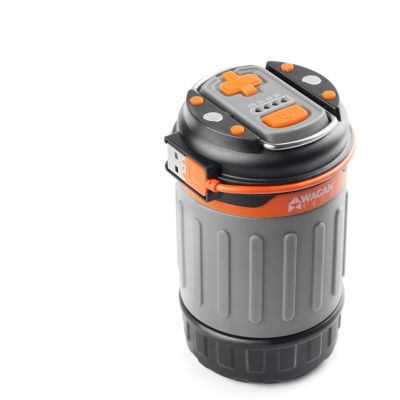
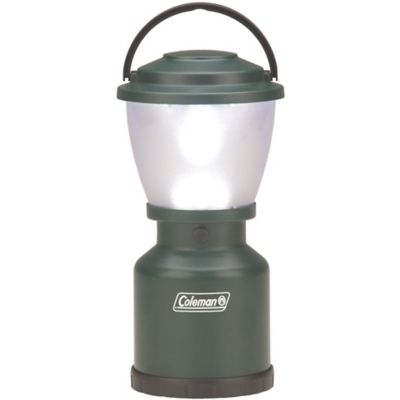
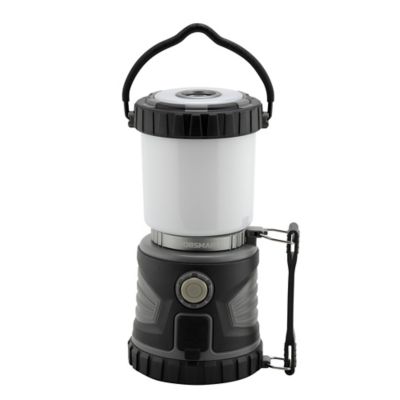
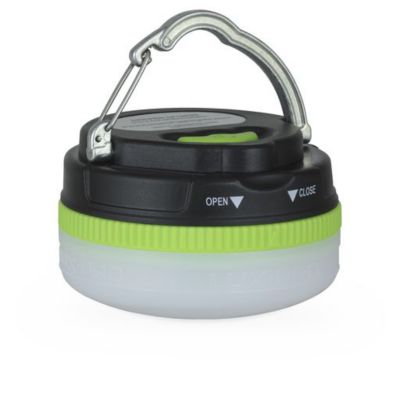
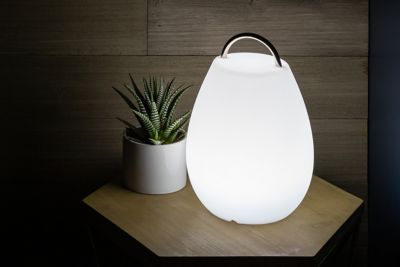
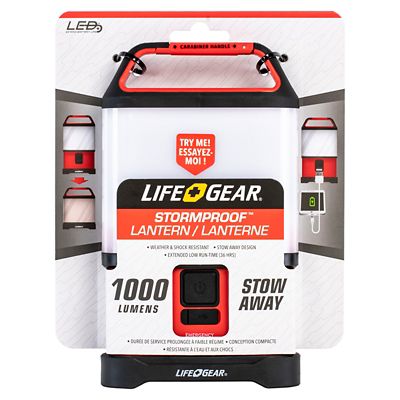
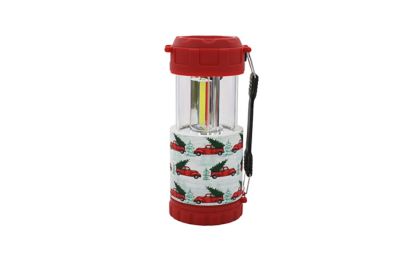
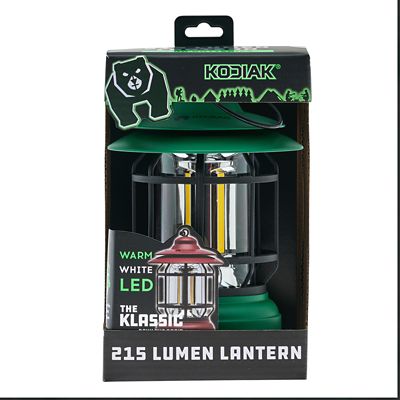
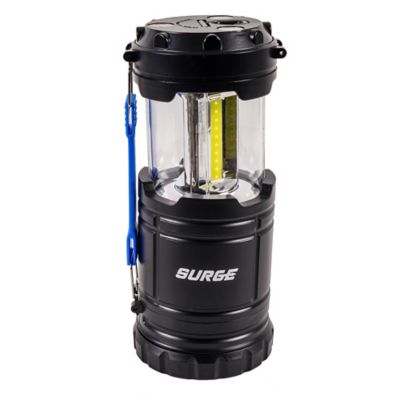
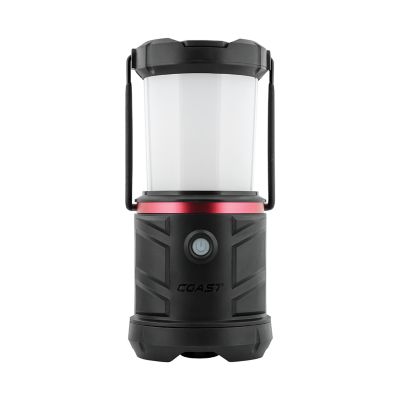
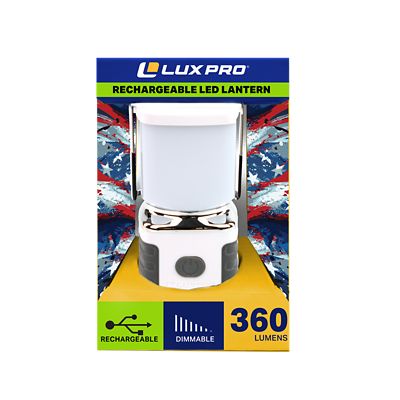
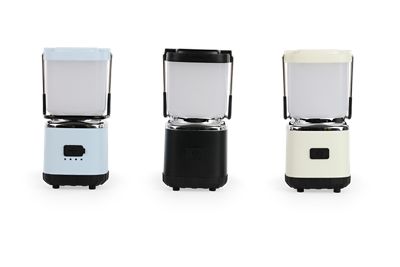
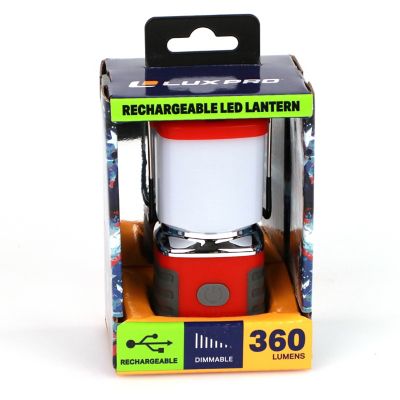
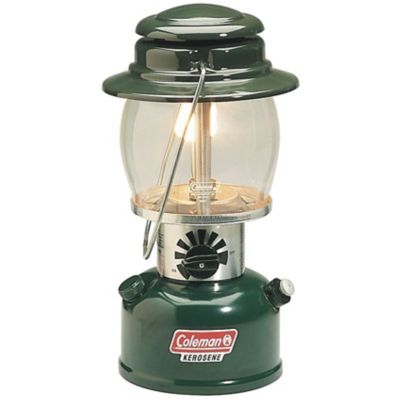
Battery-powered lanterns for camping provide portable, flame-free light for tents, picnic tables, and the space around camp. They run on replaceable batteries or a built-in rechargeable battery, so there’s no fuel canister to connect or mantle to handle before settling in for the evening. LED lanterns spread light across a wider area than a focused flashlight beam, making them handy for dealing cards after supper, finding socks in a duffel, or keeping the whole table visible while everyone finishes eating. The right amount of light depends on where the lantern will sit and what needs lighting. Lumens describe light output, but the shape of the lens and the way it spreads that light matter, too. A frosted diffuser can soften the glare at eye level, while a clear lens may create a more direct, brighter-looking glow. Broad, all-around illumination suits a shared table, while directional lighting can help keep the beam on a task instead of shining into somebody’s sleeping space. Adjustable brightness lets the same lantern handle meal cleanup and a quieter bedtime setting without lighting up the whole tent. Warm-toned light can feel more comfortable for relaxing, while a cooler white setting can make small details easier to see when sorting gear. Some lanterns also have red-light settings, which can be helpful when less light is wanted around sleeping campers. A low setting often makes more sense inside a small tent than maximum output, especially with pale tent walls reflecting light back into the space. For a larger gathering area, a higher-output lantern positioned above the table can spread illumination farther. Keeping a small light close to the bedroll and another near the cooking area also means nobody has to carry the only lantern away when heading back to the tent. That little bit of separation helps camp run smoothly when several people are doing different things after dark.
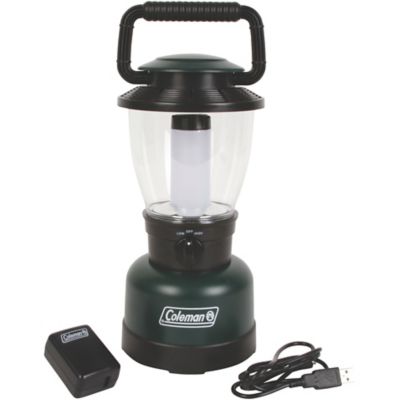
Battery type plays a big part in how a camping lantern fits into a trip. Lanterns that take standard replaceable batteries let campers restore power by swapping in a fresh set, a practical setup for longer stays away from an outlet. Rechargeable lanterns cut down on the need to carry replacement cells and can charge from compatible power sources before departure or between outings. Charging connections vary, so the cable, input requirements, and available charging time all matter when packing. A USB port does not always mean a lantern can charge a phone; that feature requires a power-output function, often described as a power bank. On lanterns with that capability, topping off a phone draws from the same stored energy that runs the light, leaving less for illumination. A separate charging plan can make sense when that phone also holds maps or important contact information. Runtime deserves the same attention as brightness. A long advertised runtime may apply to the lowest setting rather than full output, and testing methods can differ. Comparing runtime at similar brightness levels gives a clearer picture of how a lantern might handle supper, cleanup, and a few hours around the table. Battery indicators help show when charging or a fresh set of batteries may be needed, though a backup light is still worth space in the gear tote. Controls matter in daily camp life as well. A large button or straightforward dial is easier to find in the dark than a small control tucked against the base. Separate brightness controls can save campers from cycling through flashing modes just to reach a steady glow. A lockout feature, where offered, helps prevent a lantern from switching on inside a packed bag. For replaceable-battery lanterns, the specified battery size and chemistry should match the manufacturer’s directions, and old and new cells should never be mixed. Rechargeable models need the recommended charging setup, with enough time allowed to finish charging before the truck is packed.
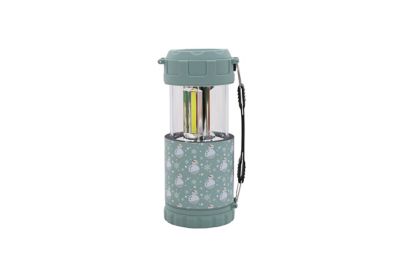
A camping lantern also needs to fit the places it will ride, hang, and stand. Molded plastic housings help keep weight manageable, metal components can add support around handles or frames, and lens materials affect both weight and resistance to bumps. Construction matters most at the points that take repeated handling: the carry handle, hanging hook, battery door, charging-port cover, and base. A broad, steady base is helpful on a picnic table where elbows, plates, and playing cards share the space. A hanging handle or hook can lift light above clutter, provided the attachment point can support the lantern’s weight. Inside a tent, a compact, lightweight design is a better match for a small overhead gear loop than a heavy lantern. Packed size matters, too. A collapsible body or folding handle can take up less room beside sleeping bags and cooking gear, while a larger lantern may suit a drive-in campsite with room in the truck. Water-resistance and impact ratings offer useful information, but they have limits; resistance to splashes does not mean a lantern can be submerged, and no rating replaces sensible handling. Keeping the lens clean helps maintain a clear spread of light. A soft cloth can lift dust and fingerprints, while battery contacts and charging ports should stay clean and dry. After a trip, checking the housing, handle, seals, and battery compartment makes it easier to spot damage before the next outing. Removable batteries generally belong outside the lantern during extended storage, following the manufacturer’s directions, and rechargeable batteries need storage and charging care suited to their chemistry. These details matter whether the lantern goes on family campground trips, fishing weekends, or an overnight stay near the trailhead. A lantern can also make a practical gift for a camper, especially when its size and power source match the gear that person already carries. Alongside other
Camping Lights, battery-powered lanterns fill the shared-light role, leaving headlamps and flashlights free for walking, hands-on tasks, and finding the way back to camp.